Is Nepal Trekking Worth It for Foreigners? Honest 2026 Take
Is Nepal trekking worth it for foreigners? An honest look at the cost, the teahouse experience, the 2023 guide rules, and who should and shouldn't go.
Nowhere else lets an ordinary walker reach the foot of the world's highest mountains, sleeping in a warm lodge each night. That is what makes Nepal trekking worth it.
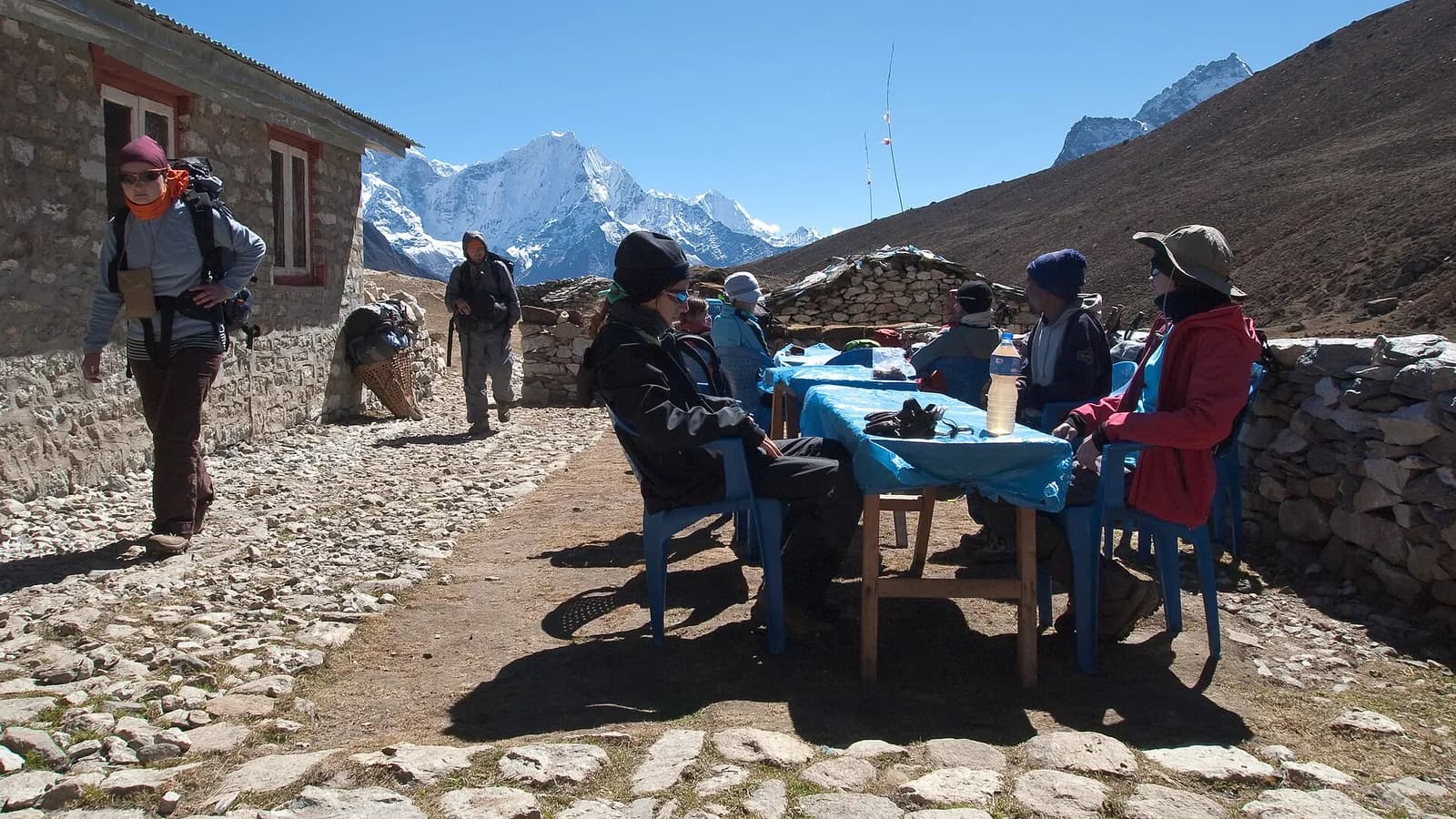
Is Nepal trekking worth it for foreigners? For most reasonably fit, reasonably adventurous travellers, the answer is an emphatic yes — and the reason is unique to Nepal. Nowhere else on Earth lets an ordinary walker, with no climbing skills and no camping gear, reach the foot of the highest mountains in the world while sleeping in a warm lodge and eating a hot meal every night. That combination of extraordinary scenery and surprising accessibility is what makes trekking here a genuine bucket-list experience rather than an endurance test for specialists.
This guide is the honest, trekking-specific version. If you want the broader "is the country worth visiting" picture, see our companion piece on whether Nepal is worth visiting. Here, we focus only on the trekking: what it costs, what the experience is actually like, the rules you now have to follow, and who should — and should not — lace up.
Key takeaways
- Nepal is arguably the world's best trekking destination, home to eight of the fourteen peaks above 8,000 m and an unmatched network of teahouse lodges.
- The teahouse system is the magic ingredient: you walk between villages and sleep in family-run lodges, so no tents, food, or cooking gear are required.
- It is excellent value — roughly USD 25 to 60 per day on the trail (as of 2025/2026), far below comparable guided mountain trips elsewhere.
- The 2023 guide rule changed the rules of entry: solo trekkers must hire a licensed guide on many routes, though the Everest region opted out and enforcement varies.
- You need to be reasonably fit, not elite — the real challenge is altitude, which is managed through slow ascent, not raw strength.
- The honest caveats are basic comfort, altitude risk, weather-dependent flights, and the remoteness of medical help — all manageable with planning and insurance.
Why Nepal trekking is genuinely special
Plenty of countries have beautiful mountains. What sets Nepal apart for the foreign trekker is the rare overlap of three things at once.
The scenery is the best there is
Eight of the world's fourteen 8,000-metre peaks sit inside Nepal. On the popular routes you walk through changing worlds — terraced farmland, rhododendron forest, alpine meadow, glacial moraine — toward a horizon dominated by giants. The payoff is consistent and immense, whether you are gazing into the Annapurna Sanctuary or standing below Everest.
The teahouse network makes it accessible
This is the part that surprises first-timers. On the main trails you do not camp. You stay in teahouses — small lodges run by local families — eating home-cooked meals and sleeping under thick blankets. This support network lets you trek for days or weeks carrying only a daypack, which is precisely why ordinary travellers, not just expedition mountaineers, can reach these places. We explain the system in detail in our teahouse trekking in Nepal guide.
It is remarkably affordable
A teahouse trek typically costs around USD 25 to 60 per day for food and a basic room (as of 2025/2026). A budget-conscious independent trekker can complete the ground portion of the Annapurna Base Camp trek for roughly USD 700 to 900 over 9 to 10 days, excluding international flights and the visa. For a world-class mountain experience, that is exceptional value — a fraction of what an equivalent guided trip costs in the Alps, the Rockies, or New Zealand.
What the experience actually feels like
Forget any image of grim survivalism. A day on a Nepal teahouse trek has a comfortable rhythm: a hot breakfast, four to seven hours of walking with tea stops, arrival at a village lodge by mid-afternoon, then dinner in a dining room heated by a wood or yak-dung stove as the temperature drops outside.
What to expect inside a teahouse:
- Rooms are basic but usually clean — twin beds, foam mattresses, thick blankets, and often thin walls.
- Food is more varied than you would guess: dal bhat (the national dish, frequently served with free refills), noodle soups, fried rice, momos, pancakes, and endless tea.
- Hot showers are available in most lodges below about 4,000 m, often for a small fee of around USD 3 to 6.
- Charging and Wi-Fi are increasingly common but unreliable at altitude, and usually carry a small fee (around USD 2.50 to charge a device).
A widely respected piece of etiquette: you sleep where you eat. Lodge owners earn mainly from meals rather than the cheap rooms, so taking dinner and breakfast at your teahouse is how the whole system stays affordable. The food on the trail also becomes part of the experience — our guide to dal bhat, the trekker's fuel, explains why you will end up loving it.
The 2023 guide rule: what foreigners must know
This is the single biggest change for foreign trekkers in recent years, and it is essential to get right.
Since 1 April 2023, Nepal's Tourism Board has required solo foreign trekkers to hire a licensed guide on many protected-area routes. The intent is safety, environmental protection, and local employment. Here is the practical reality as it stands:
- Restricted regions — such as Manaslu and Upper Mustang — have long required a licensed guide and a minimum group size, and that is strictly enforced. See our Upper Mustang trek permit guide for an example.
- The Annapurna Conservation Area generally requires solo trekkers to hire a licensed guide, while foreigners trekking in a group may have more flexibility.
- The Everest (Khumbu) region opted out of the rule and has continued to allow guide-free trekking — but reports indicate checkpoints are increasingly verifying credentials, so the gap is narrowing.
The bottom line: the days of casually trekking the major routes entirely solo are largely over. Budget for at least a porter-guide, and confirm the current rule with a registered agency before you fly, because enforcement is tightening. Our explainer on whether you need a guide for the Everest Base Camp trek covers the Khumbu situation in depth.
What a guide and porter cost
Hiring help is affordable and, for most foreigners, worth it. Expect roughly USD 30 to 35 per day for a licensed guide and around USD 15 to 25 per day for a porter (as of 2025/2026). Beyond meeting the rules, a good guide handles logistics, makes altitude-related decisions safer, translates with lodge owners, and adds cultural depth you would otherwise miss. On tipping, our tipping trekking guides and porters in Nepal guide explains the customary amounts.
How fit do you need to be?
This is where many people overthink it. You do not need to be an athlete — you need to be a capable walker. If you can comfortably manage 5 to 7 hours of walking on uneven trails for several consecutive days, you can physically complete the popular treks. There is no climbing or technical terrain on routes like Everest Base Camp or Annapurna Base Camp.
The real challenge is altitude, and it is unrelated to fitness. Acute mountain sickness depends on how your individual body adjusts to thinner air, which is why even very fit trekkers can be affected. The defences are simple and effective: ascend slowly, take the scheduled acclimatization days, stay hydrated, and descend if symptoms worsen. Our altitude sickness on Nepal treks guide is essential reading before you go.
The honest downsides
A fair answer has to weigh the costs, not just the rewards.
- Comfort is basic. Teahouses are functional, not luxurious, and the higher you go the colder and simpler they get. If you need consistent comfort, trekking may frustrate you.
- Altitude is a genuine risk. It is manageable, but it must be respected. People who rush their ascent get into trouble regardless of fitness.
- Flights can be delayed. Mountain airstrips, especially Lukla for the Everest region, are weather-dependent and prone to delays and cancellations. Build buffer days into your plan — see our guide to domestic flights in Nepal.
- Medical help is remote. On the trail you can be hours or days from real care, which is exactly why insurance with high-altitude cover matters (more below).
- It is a time commitment. The headline treks need one to two weeks on the trail alone. If you have only a few days, you will need a shorter route.
Insurance is non-negotiable
If there is one rule for trekking in Nepal, it is this: do not go without proper insurance. You need a policy that explicitly covers high-altitude trekking up to your maximum elevation and includes helicopter evacuation, because mountain rescue and serious medical care are expensive and hard to access otherwise. Our dedicated guide to Nepal trekking insurance and helicopter evacuation explains exactly what to look for and the scams to avoid.
Which trek should a first-timer choose?
The right first trek depends mostly on your time and altitude appetite.
- Annapurna Base Camp is a popular first choice — lower altitude (about 4,130 m), shorter (about 7 to 12 days), and reachable by road from Pokhara with no mountain flight.
- Everest Base Camp is the iconic option, but it climbs higher (about 5,364 m) and needs roughly two weeks plus the Lukla flight.
- Shorter routes like Ghorepani-Poon Hill or the Everest View trek suit those wanting a gentler, lower introduction with big payoffs.
If you are weighing the two headline base camps directly, our Everest Base Camp vs Annapurna Base Camp comparison breaks down the decision factor by factor. And before you set off, the eight essential phrases in our Nepali phrases every trekker should know guide will make your lodge and porter interactions far smoother.
So, is Nepal trekking worth it for foreigners?
Yes — for the right traveller, overwhelmingly so. Nepal offers a mountain experience that is simultaneously world-class and accessible, at a price that almost feels too good. The teahouse network means you can reach the roof of the world without being a mountaineer, and the cultural texture of the trail — the villages, the food, the warmth of lodge families — turns the walk into something deeper than a hike.
It is not for everyone. If you have only a long weekend, need resort comfort, or are unwilling to plan around altitude and weather, it may not suit you. But if you are reasonably fit, genuinely curious, and willing to embrace a few rough edges, trekking in Nepal is one of the great travel experiences on the planet — and the kind of thing people spend the rest of their lives glad they did.
Sources
- Teahouse Trekking in Nepal: Routes, Costs & Tips (2025/2026) — Best Heritage Tour
- Nepal Trekking Cost for Foreigners — The Nepal Trekking Company
- New Requirements for Use of Trekking Guides/Porters (April 1, 2023) — U.S. Embassy in Nepal
- Current Nepal Trekking Rules 2025 — Places Nepal
- Nepal Bans Solo Trekkers: Guides Now Required — Explorersweb (via Exped Review)
- Guide and Porter Cost in Nepal — Himalayan Dream Team
Frequently asked questions
- Is trekking in Nepal worth it for foreigners?
- For most reasonably fit, adventurous travellers, yes. Nepal offers world-class mountain scenery, an established teahouse lodge network that removes the need for camping gear, and prices far below comparable mountain trips elsewhere. The main reasons to skip it are very limited time, no tolerance for basic comfort, or unmanaged health conditions affected by altitude.
- How much does trekking in Nepal cost for foreigners?
- On the trail, expect roughly USD 25 to 60 per day for a teahouse trek covering food and a basic room, as of 2025/2026. A budget independent Annapurna Base Camp trek can run about USD 700 to 900 for the ground portion over 9 to 10 days, excluding international flights and the Nepal visa.
- Do foreigners need a guide to trek in Nepal?
- Under Nepal's 2023 rule, solo foreign trekkers must hire a licensed guide on many protected-area routes, and restricted regions like Manaslu and Upper Mustang legally require one. The Everest region opted out and has allowed guide-free trekking, but enforcement is tightening, so confirm the current rule before you go.
- Can you still trek solo in Nepal?
- It depends on the region. The Khumbu (Everest) area opted out of the guide rule and has allowed solo trekking, while the Annapurna Conservation Area generally requires solo trekkers to hire a licensed guide. Restricted areas always require a guide and a group. Checkpoints are increasingly verifying credentials.
- Do you need to be very fit to trek in Nepal?
- You need to be reasonably fit, not an athlete. If you can comfortably walk 5 to 7 hours a day on uneven trails for consecutive days, you can do the popular treks. The bigger factor is altitude tolerance, which is unrelated to fitness and managed through slow ascent and acclimatization days.
- What is teahouse trekking like?
- You walk between villages by day and sleep in family-run lodges called teahouses at night, eating home-cooked meals like dal bhat in a stove-heated dining room. Rooms are basic but usually clean, with foam mattresses and thick blankets. It removes the need to carry tents, food, or cooking gear.
- Is trekking in Nepal dangerous?
- The main risk is altitude sickness, not the terrain, and it is managed through gradual ascent and rest days. Other risks include weather, slippery trails, and the remoteness of medical help. With a sensible itinerary, a guide where required, and insurance covering high-altitude rescue, the popular treks are completed safely by tens of thousands of people each year.
- Which trek should a first-time foreign trekker choose?
- Annapurna Base Camp is a popular first choice for its lower altitude, shorter length, and easy road access from Pokhara. Everest Base Camp is the iconic option but asks for more time, budget, and altitude tolerance. Shorter routes like Ghorepani-Poon Hill or the Everest View trek suit those wanting a gentler introduction.
Spotted an error in this post? Tell us or suggest a correction.
Related posts
ABC Trek: A Plain-English Guide to Annapurna Base Camp
The ABC trek (Annapurna Base Camp) explained — the route, how many days it takes, difficulty, the best seasons, and what daily trail life is really like.
Read postAma Dablam Climb: 2026 Expedition Guide (6,812m)
An Ama Dablam climb and expedition guide for 2026 — height, the Southwest Ridge route, camps, fixed ropes, difficulty, permits, cost and the best seasons.
Read postAnnapurna vs Manaslu: Which Trek Should You Choose?
An Annapurna vs Manaslu decision guide for trekkers — compare permits, crowds, difficulty, infrastructure and cost to pick the right Himalayan route.
Read postAsan Bazaar Kathmandu: Old Town Market Guide
A visitor guide to Asan bazaar, Kathmandu's oldest market — its six-road square, Annapurna Temple, what to buy, when to go, and how to get there.
Read postAyurveda Nepal: A Traveller's Guide to Healing
Ayurveda Nepal explained for tourists — the history, the doshas, treatments like Panchakarma and Shirodhara, where to go and how to choose a centre safely.
Read postBest Restaurants Pokhara Lakeside: Where to Eat
The best restaurants in Pokhara Lakeside — lakeside trout, wood-fired pizza, Tibetan momos and healthy cafes, with what to order and rough 2026 prices.
Read post