Is Nepal Worth Visiting? An Honest 2026 Answer
Is Nepal worth visiting in 2026? An honest look at the mountains, culture, wildlife, cost, and the real downsides to weigh before you book.
Nepal packs more landscape, faith, and human warmth into a small country than almost anywhere on Earth — and yes, it is absolutely worth the trip.
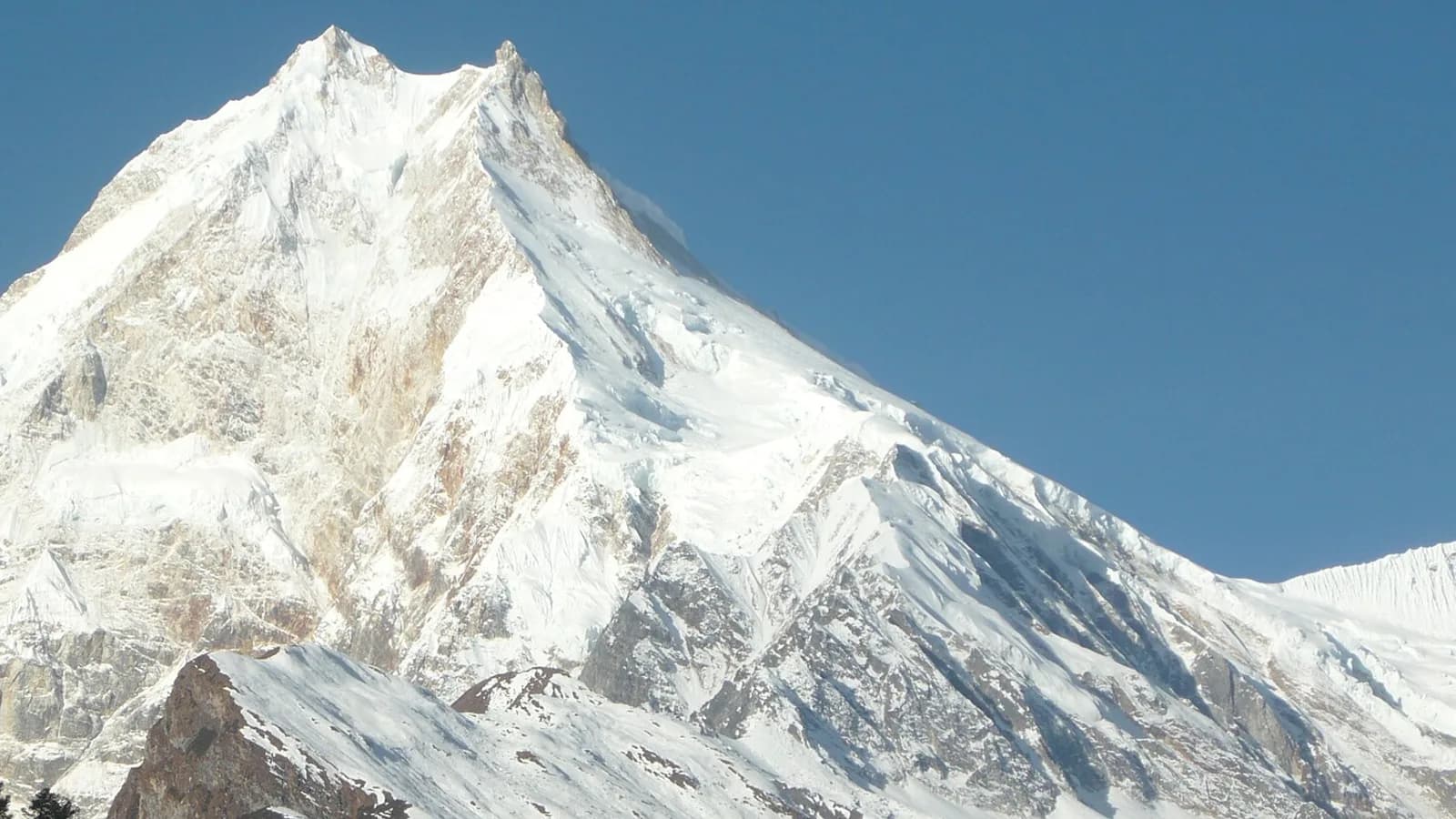
Is Nepal worth visiting? After weighing the mountains, the culture, the cost, and the genuine downsides, the honest answer is a confident yes for the overwhelming majority of travellers. Few countries this small offer this much variety: the highest mountains on Earth, centuries-old temple cities, accessible jungle wildlife, profound spiritual heritage, and a culture of hospitality that treats visitors as honoured guests. The fact that the country welcomed over 1.15 million international visitors in 2025 — near full recovery to pre-pandemic levels — is itself a quiet endorsement.
This guide gives you the balanced version. It covers the real reasons Nepal earns the trip, who it suits, and the honest drawbacks worth planning around before you commit.
Key takeaways
- Yes, Nepal is worth visiting for most travellers — it combines mountains, culture, wildlife, and value in a way few destinations match.
- Tourism is healthy: Nepal recorded about 1,158,459 international visitors in 2025, roughly 97% of its pre-pandemic peak.
- The variety is the headline: you can trek the Himalayas, tour UNESCO-listed temple cities, go on a rhino safari, and join a meditation retreat in a single trip.
- It is excellent value: Nepal is one of Asia's more affordable destinations once you have arrived.
- The hospitality is real, rooted in the cultural idea of Atithi Devo Bhava — the guest is sacred.
- The honest downsides are Kathmandu's air pollution (worst in winter), power-supply hiccups, rough roads, and domestic flight delays — manageable, but worth a buffer.
The case for Nepal in one paragraph
Nepal is where the Himalayas meet the subcontinent, and that collision produces extraordinary range. In the space of a week or two you can stand beneath 8,000-metre peaks, wander medieval squares full of pagoda temples, drift across a calm lake reflecting the mountains, and track a one-horned rhino through tall grassland. Layer on a famously warm welcome and prices that stretch a modest budget a long way, and the question stops being "is it worth it?" and becomes "how do I fit it all in?"
Reason 1: the mountains
This is the obvious draw, and it lives up to the billing. Nepal contains eight of the world's fourteen peaks above 8,000 metres, including Mount Everest, the highest point on the planet. But you do not have to be a mountaineer — or even a trekker — to feel it. You can take a scenic mountain flight, watch sunrise on the Annapurna range from a hilltop, or simply sit in Pokhara with the peaks on the horizon.
For those who do want to walk, Nepal is arguably the best trekking country on Earth, with an established network of teahouse lodges that lets ordinary travellers reach extraordinary places. We cover that side in depth in our companion piece on whether Nepal trekking is worth it for foreigners — if the mountains are your main reason to come, start there. For the showpiece routes, see our Everest Base Camp vs Annapurna Base Camp comparison.
Reason 2: culture and heritage
Nepal's cultural depth is, for many visitors, the genuine surprise. The Kathmandu Valley alone is dense with pagoda temples, palace squares, and living religious traditions where Hinduism and Buddhism intertwine.
Nepal holds four UNESCO World Heritage properties, and the count is often quoted as higher because the Kathmandu Valley listing alone bundles seven distinct monument zones — including the durbar (palace) squares of Kathmandu, Patan, and Bhaktapur, the great stupas of Boudhanath and Swayambhunath, and the sacred Hindu complex of Pashupatinath. The other properties are Lumbini (the birthplace of the Buddha), and the Chitwan and Sagarmatha (Everest) national parks.
Practical starting points:
- The medieval city of Bhaktapur is the most intact of the valley's old towns and an easy day trip.
- Boudhanath Stupa is one of the largest stupas in the world and the heart of Tibetan Buddhist life in Kathmandu.
- Lumbini draws Buddhist pilgrims from across the world to the Buddha's birthplace.
If you want a curated shortlist, our best places to visit in Nepal guide maps out the highlights by region.
Reason 3: spirituality
Nepal is a spiritual heavyweight. As the birthplace of Siddhartha Gautama — the Buddha — it is a major pilgrimage destination, and its blend of Hindu and Buddhist practice is woven into daily life. For travellers, this translates into more than sightseeing: Nepal has become a popular place for meditation retreats and yoga retreats, often set against a Himalayan backdrop that does half the work of slowing your mind down.
Reason 4: wildlife
The mountains get the attention, but Nepal's lowland Terai delivers a genuine wildlife experience. Chitwan National Park, a UNESCO site, is one of the best places in Asia to see the greater one-horned rhino, and it is home to Bengal tigers, wild elephants, and prolific birdlife. A jungle safari makes an excellent counterweight to the high country — see our Chitwan safari guide for how to plan it, and our one-horned rhino in Nepal overview for what you are likely to see.
Reason 5: value for money
Once you have paid for your flights, Nepal is kind to a budget. Local food is cheap and genuinely good, guesthouses are inexpensive, and even fully guided treks cost a fraction of equivalent mountain holidays in Europe, North America, or New Zealand. A modest daily budget goes a long way here, which is part of why Nepal remains a backpacker favourite while still working for comfort-seeking travellers. Our Nepal travel budget guide breaks down realistic daily costs by travel style.
Reason 6: the people
Nearly every honest account of Nepal lands on the same point: the people. Nepali hospitality is rooted in the cultural principle of Atithi Devo Bhava — "the guest is sacred" — and it shows up constantly, from teahouse owners on remote trails to families in homestays. It is the intangible that turns a good trip into a memorable one, and it is a large part of why so many visitors return.
The honest downsides
A fair answer has to include the drawbacks. None of these should stop a well-planned trip, but pretending they do not exist would not be honest.
Air pollution in Kathmandu
This is the most common complaint, and it is legitimate. Kathmandu's air quality can be poor, especially in the dry winter months from roughly November to January, when stagnant air traps dust and smog in the valley. The city has at times ranked among the most polluted in the world. The good news: the air is typically cleanest during the monsoon (July to September), and you spend much less time breathing it once you are in the hills, the mountains, or Pokhara.
Infrastructure and power
Nepal is a developing country, and it shows in the infrastructure. Power-supply disruptions and low-voltage periods still happen, even though formal scheduled blackouts have largely ended. Most hotels and guesthouses manage around it, but it is a reason to keep a power bank charged. Our power adapter for Nepal guide covers what to bring.
Roads and flight delays
Roads can be rough, narrow, and slow, particularly in the hills, and long road journeys take longer than the distance suggests. Domestic flights — your alternative — are weather-dependent and prone to delays and cancellations, especially into mountain airstrips. The fix is simple: build buffer days into your itinerary so a delayed flight does not collapse the whole trip. Our guide to domestic flights in Nepal explains what to expect.
It is not a luxury-polished destination everywhere
Outside the top hotels in Kathmandu and Pokhara, comfort can be basic, hygiene varies, and tap water is not safe to drink (see our note on whether the water is safe to drink in Nepal). Travellers expecting seamless, resort-grade polish throughout may be disappointed; travellers who treat the rough edges as part of the character rarely are.
Who Nepal is — and is not — for
Nepal is an excellent fit if you love mountains and the outdoors, are curious about living culture and spirituality, want strong value for money, and are comfortable with a destination that is authentic rather than highly polished.
You might think twice if you need consistent five-star comfort everywhere, have very limited time and no tolerance for travel delays, or are sensitive to air pollution and unwilling to time your visit around it.
For most independent and adventurous travellers, the trade is overwhelmingly in Nepal's favour.
How long to spend and when to go
Most first-time visitors find that 10 to 14 days strikes the right balance, enough to combine the Kathmandu Valley, Pokhara, a Chitwan safari, and either a short trek or a scenic flight. If you have only a week, focus tightly — the valley plus Pokhara is a satisfying loop. Our two-week Nepal itinerary is a ready-made template.
On timing, autumn (late September to November) and spring (March to May) are the prime windows for clear skies and comfortable weather; the monsoon brings rain and disruption. Our best time to visit Nepal guide goes month by month.
So, is Nepal worth visiting?
Yes — emphatically, for the right traveller. Nepal offers a concentration of mountains, culture, spirituality, wildlife, and human warmth that very few countries can match, at a price that makes it accessible. The downsides are real but manageable: time your visit to dodge the worst pollution, build buffer days around flights, and keep your comfort expectations calibrated to a developing country, and what is left is one of the most rewarding destinations in Asia.
The travellers who come away disappointed are usually the ones who expected a frictionless luxury holiday. The ones who come away changed are the ones who came for the mountains, the temples, and the people — and let the rough edges be part of the story.
Sources
- International Visitor Arrivals — Nepal Tourism Board (trade portal)
- Tourist arrivals in Nepal reach 1.15 million in 2024 — Khabarhub
- Nepal records 1.158 million tourist arrivals in 2025 — Tourism Info Nepal
- UNESCO World Heritage Sites in Nepal — Himalayan Recreation
- Kathmandu Air Quality (AQI) and Nepal Air Pollution — IQAir
- Air Pollution Is the Number One Health Risk Factor in Nepal — World Bank
Frequently asked questions
- Is Nepal worth visiting in 2026?
- For most travellers, yes. Nepal offers world-class mountain scenery, deep cultural and spiritual heritage, accessible wildlife safaris, and strong value for money, with tourism running near pre-pandemic levels. The main reasons to hesitate are pollution in Kathmandu, variable infrastructure, and flight delays.
- What is Nepal best known for?
- Nepal is best known for the Himalayas, including Mount Everest and eight of the world's fourteen peaks above 8,000 m. It is also famous as the birthplace of the Buddha at Lumbini, for the temple-rich Kathmandu Valley, and for warm hospitality rooted in the idea that the guest is sacred.
- How many days do you need in Nepal?
- Around 10 to 14 days suits most first visits, enough to combine the Kathmandu Valley, Pokhara, a wildlife safari in Chitwan, and a short trek or scenic flight. With only a week you can still see a lot by focusing on the Kathmandu Valley and Pokhara.
- Is Nepal expensive to visit?
- Nepal is one of Asia's more affordable destinations. Local food, guesthouses, and transport are inexpensive, and even guided treks cost a fraction of comparable mountain trips elsewhere. Your biggest costs are usually international flights and any internal mountain flights or organised tours.
- Do you have to trek to enjoy Nepal?
- No. Trekking is a highlight, but Nepal also offers temples and palaces, lakeside relaxation in Pokhara, jungle safaris, scenic mountain flights, festivals, and meditation retreats. Plenty of visitors have a rich trip without a single multi-day trek.
- What are the downsides of visiting Nepal?
- The honest downsides include heavy air pollution in Kathmandu (worst from roughly November to January), occasional power-supply disruptions, rough roads, and domestic flight delays. None of these ruin a well-planned trip, but they are worth building a buffer around.
- When is the best time to visit Nepal?
- Autumn (late September to November) and spring (March to May) are the prime seasons, offering clear skies, comfortable temperatures, and the best mountain views. The June to September monsoon brings rain, cloud, and travel disruption, while winter is cold at altitude but clear in the hills.
- Is Nepal safe for tourists?
- Nepal is generally considered one of South Asia's safer and most welcoming destinations. The real risks are mundane rather than dramatic, mainly road accidents, petty theft, altitude on treks, and occasional protests, all of which are manageable with normal caution.
Spotted an error in this post? Tell us or suggest a correction.
Related posts
ABC Trek: A Plain-English Guide to Annapurna Base Camp
The ABC trek (Annapurna Base Camp) explained — the route, how many days it takes, difficulty, the best seasons, and what daily trail life is really like.
Read postAma Dablam Climb: 2026 Expedition Guide (6,812m)
An Ama Dablam climb and expedition guide for 2026 — height, the Southwest Ridge route, camps, fixed ropes, difficulty, permits, cost and the best seasons.
Read postAnnapurna vs Manaslu: Which Trek Should You Choose?
An Annapurna vs Manaslu decision guide for trekkers — compare permits, crowds, difficulty, infrastructure and cost to pick the right Himalayan route.
Read postAsan Bazaar Kathmandu: Old Town Market Guide
A visitor guide to Asan bazaar, Kathmandu's oldest market — its six-road square, Annapurna Temple, what to buy, when to go, and how to get there.
Read postAyurveda Nepal: A Traveller's Guide to Healing
Ayurveda Nepal explained for tourists — the history, the doshas, treatments like Panchakarma and Shirodhara, where to go and how to choose a centre safely.
Read postBest Restaurants Pokhara Lakeside: Where to Eat
The best restaurants in Pokhara Lakeside — lakeside trout, wood-fired pizza, Tibetan momos and healthy cafes, with what to order and rough 2026 prices.
Read post