Ayurveda Nepal: A Traveller's Guide to Healing
Ayurveda Nepal explained for tourists — the history, the doshas, treatments like Panchakarma and Shirodhara, where to go and how to choose a centre safely.
Long before Nepal was a trekking brand, its Himalayan slopes were a pharmacy — and Ayurveda is how that knowledge was written down.
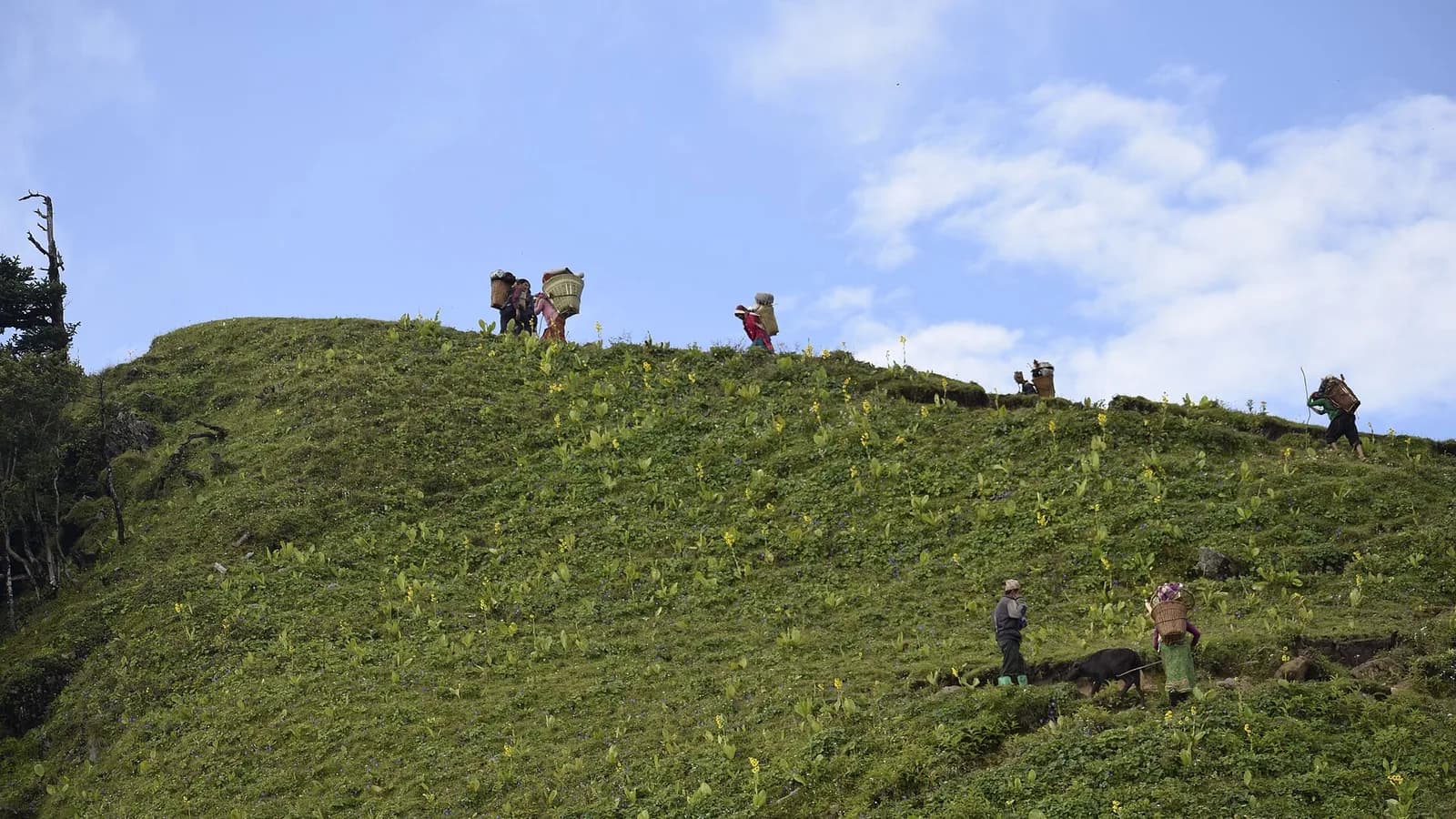
Ayurveda Nepal sits at an interesting crossroads. To most visitors Nepal means mountains, monasteries and momos — but the same Himalayan slopes that draw trekkers have, for centuries, been treated as a living pharmacy. Ayurveda, the traditional South Asian system of medicine that classical texts trace to the foothills of these mountains, is woven into how millions of Nepalis still eat, rest and treat everyday ailments. For travellers, it has also become one of the country's most accessible wellness experiences.
This guide explains what Ayurveda actually is, its deep roots in Nepal, the treatments you are most likely to encounter, where to find them and — importantly — how to do it safely and sensibly. It pairs naturally with our broader wellness tourism in Nepal overview and our practical wellness retreat planner. Prices change constantly, so we describe costs qualitatively and recommend confirming current rates directly with any centre.
Key takeaways
- Ayurveda is a traditional medicine system built around balancing three doshas through diet, herbs, lifestyle and therapies — best treated as a wellness framework, not a substitute for modern medicine.
- It is officially recognised in Nepal: the constitution backs it, and a government Department of Ayurveda and Alternative Medicine runs a central hospital plus hundreds of public dispensaries nationwide.
- Nepal's central Ayurveda hospital at Naradevi in Kathmandu traces its lineage back over a century and trains the country's Ayurvedic doctors.
- The treatments travellers meet most are Panchakarma (multi-day cleansing programmes), Abhyanga (herbal oil massage) and Shirodhara (warm oil poured on the forehead).
- The main hubs are the Kathmandu Valley and Pokhara, often combined with a yoga or meditation retreat.
- Choose registered, established centres, disclose your health history, and never drop prescribed care for a serious condition in favour of herbs.
What Ayurveda actually is
Ayurveda — roughly "the science of life" — is one of the world's oldest continuously practised systems of medicine. Rather than focusing only on treating disease once it appears, it frames health as a balance between the body, mind, lifestyle and environment, and aims to maintain that balance through food, daily routine, herbal preparations, massage and cleansing therapies.
Its foundational ideas were set down in classical Sanskrit treatises, above all the Charaka Samhita and the Sushruta Samhita, which between them describe internal medicine, surgery, materia medica and therapeutics. These texts are South Asian in origin and shared across the wider region; Nepal's connection to them is both geographic and practical, as we will see below.
The doshas, simply
At the heart of Ayurvedic thinking are three functional energies, the doshas:
| Dosha | Associated with | Loosely governs | | --- | --- | --- | | Vata | Space and air | Movement, circulation, nervous system | | Pitta | Fire and water | Metabolism, digestion, body heat | | Kapha | Earth and water | Structure, fluids, stability |
Everyone is said to carry all three, usually with one or two more prominent, forming your individual constitution. An Ayurvedic consultation tries to read your current balance — often through questions, observation and pulse reading (Nadi Pariksha) — and then recommends diet, lifestyle and treatments to steady it. It is a useful, holistic way to think about rest and routine, but it is best understood as a wellness model, not a clinical diagnosis. Reputable sources are explicit that Ayurvedic guidance is for lifestyle awareness and is not a substitute for medical advice, diagnosis or treatment.
Ayurveda's deep roots in Nepal
Nepal's link to Ayurveda is not a recent tourism invention. The classical literature itself points north: the Charaka Samhita treats the Himalayas as the home of the finest medicinal herbs, and a large share of that mountain range lies within Nepal's territory. Nepali traditional healers — vaidyas and kabiraj — have drawn on these systems for well over a thousand years, and many Himalayan plants prized in Ayurveda, from various jadibuti (medicinal herbs) to the mineral resin shilajit, are still gathered in Nepal's high country.
That heritage shows up in everyday life as much as in any clinic. Across Nepal, traditional remedies remain an important first line of care, and kitchen staples such as turmeric and holy basil (tulsi) are routinely used at home for minor ailments — a quiet, daily inheritance of Ayurvedic thinking. It connects naturally to other strands of Nepali culture you will notice on the road, from food to ritual.
A recognised, organised system
Crucially, Ayurveda in Nepal is not fringe. It is formally recognised and administered:
- The Constitution of Nepal calls for protecting and promoting traditional Ayurveda alongside other recognised systems.
- A government Department of Ayurveda and Alternative Medicine, under the Ministry of Health and Population, oversees policy and public Ayurvedic services.
- The Nepal Ayurveda Medical Council is the statutory body that regulates Ayurvedic education and practitioners, established under the Ayurveda Medical Council Act.
- Public Ayurvedic care is delivered through a national network that includes a central hospital, provincial facilities and hundreds of local dispensaries across the country.
There is even movement at the university level: the government has legislated for a dedicated Vidushi Yogmaya Himalayan Ayurveda University in the eastern Arun Valley, named after the early-20th-century reformer Yogmaya Neupane, intended to focus on Ayurveda, yoga, Himalayan medicine and herbal production.
The hospital at Naradevi
The institutional anchor for travellers to know about is the central Ayurveda hospital at Naradevi in the old heart of Kathmandu. Its lineage is usually traced back over a century — to an early Ayurveda dispensary established in Kathmandu in the early 1900s — making it one of the country's oldest public health institutions. Today it functions as Nepal's central Ayurveda referral and teaching hospital, offering Panchakarma, herbal medicine and other treatments, and serving as the clinical training ground for students of the Bachelor of Ayurvedic Medicine and Surgery (BAMS). You do not need to go there as a tourist — most visitors use private centres — but it is the reason Ayurveda here has real institutional depth.
The treatments you'll actually encounter
Walk into an Ayurveda or Panchakarma centre in Kathmandu or Pokhara and you will see a fairly consistent menu. Here are the ones travellers meet most often.
Panchakarma
Panchakarma is Ayurveda's signature cleansing and rejuvenation programme — traditionally a structured set of purification procedures performed over several days under supervision, wrapped in oil therapies, tailored diets and rest. In Nepal it is sold as packages of varying lengths; centres commonly advertise programmes running from roughly a week up to several weeks, with the longer ones aimed at deeper "detox and rejuvenation" rather than a quick treat. Because it is intensive and involves diet and supervision, Panchakarma is the part of the menu where choosing an established, properly staffed centre matters most.
Abhyanga and other massage
Abhyanga is warm herbal-oil massage, often the gateway therapy for newcomers and frequently included as part of a wider package. You may also see Udvartana (an invigorating herbal-powder massage) and Swedana (herbal steam therapy), typically used alongside other treatments rather than on their own.
Shirodhara
If one Ayurvedic therapy has become a traveller favourite, it is Shirodhara — a steady stream of warm oil or herbal liquid poured over the forehead for a set period. It is profoundly calming, and centres often pitch it at visitors recovering from long flights, altitude or back-to-back trekking days. Enjoy it for what it is: a relaxing, restorative session, not a cure for a specific medical problem.
A quick comparison
| Treatment | What happens | Typically chosen for | | --- | --- | --- | | Panchakarma | Multi-day supervised cleansing + therapies | Deeper reset, "detox", rejuvenation | | Abhyanga | Warm herbal-oil full-body massage | Relaxation, circulation, an easy first try | | Shirodhara | Warm oil streamed over the forehead | Stress, restlessness, post-travel fatigue | | Swedana / Udvartana | Herbal steam / herbal-powder massage | Add-ons within a larger package |
Where to go in Nepal
Ayurveda clusters in the same places as Nepal's wider wellness scene, so it slots easily into a normal itinerary.
Kathmandu Valley
The capital has the deepest concentration: dedicated Ayurveda and Panchakarma centres, several run as long-standing private clinics or international joint ventures, plus the government's central hospital at Naradevi. It is the easiest place to get a proper consultation and a one-off treatment between sightseeing days around Kathmandu and the valley's temples. One well-known classical Panchakarma centre in Kathmandu reports having hosted guests from well over a hundred countries — a sign of how internationally oriented the city's offering has become.
Pokhara
Lakeside Pokhara, already Nepal's wellness capital for yoga retreats and meditation, is the natural second hub. Its calm, low-rise setting beneath the Annapurnas suits residential wellness packages that blend Ayurvedic therapies with yoga, and it is an obvious place to add a treatment before or after a trek. Combine it with the slow pleasures of things to do in Pokhara.
Beyond the cities
Ayurvedic and naturopathic therapies increasingly turn up in wellness resorts and spas elsewhere, including around Chitwan and in quieter hill retreats. If you are building a slower, restorative trip, our wellness retreat guide explains how to judge a centre and read what a package really includes.
How to choose a centre — and stay safe
Ayurveda spans a huge quality range, from century-old institutions and well-run clinics to informal setups. A little care goes a long way.
Practical vetting
- Prefer established, registered centres. For anything beyond a basic massage — especially Panchakarma — favour long-running clinics with qualified practitioners over casual operations.
- Insist on a real consultation. A credible centre assesses your constitution and health history before recommending an intensive programme, not just upselling a package.
- Read recent, independent reviews and check exactly what a quoted price covers: consultation, meals, accommodation and which specific treatments.
- Be wary of cure-all claims. Reputable practitioners do not promise to cure serious diseases; treat any such marketing as a red flag.
Health and medical safety
This part matters. Gentle therapies like oil massage and Shirodhara are widely enjoyed and generally low-risk for most healthy travellers, but Ayurveda is a complement to, not a replacement for, conventional medicine:
- Tell the practitioner about any medical conditions, allergies, pregnancy or medications before treatment.
- Do not stop prescribed treatment for a serious condition in favour of herbal remedies.
- Be cautious with unfamiliar herbal supplements; if you take regular medication, ask a doctor about possible interactions before adding anything new.
- For ordinary travel-health questions — stomach upsets, altitude, vaccinations — rely on standard medical advice, such as our notes on staying healthy and safe in Nepal.
Fitting Ayurveda into a Nepal trip
You do not need to reorganise a trip around Ayurveda — it layers neatly onto what you are already doing. A single Shirodhara or Abhyanga session is an easy afternoon in Kathmandu or Pokhara, ideal for shaking off jet lag at the start or trail-weariness at the end. A short residential package of a few days pairs well with lakeside Pokhara before or after a trek. Only a full multi-week Panchakarma really demands its own dedicated block of time and planning.
Seasonally, the same advice applies as for any reset in Nepal: autumn (roughly late September to November) and spring (March to May) bring the clearest skies and most comfortable weather, the winter valleys are cool but workable, and the green monsoon is quieter if hazier. Whenever you come, approached sensibly, Ayurveda is one of the most distinctive — and genuinely relaxing — ways to slow down and meet Nepal beyond the trail.
Sources
- Department of Ayurveda & Alternative Medicine (DoAA), Government of Nepal
- Department of Ayurveda and Alternative Medicine (DoAA) — overview, Public Health Update
- Nepal Ayurveda Medical Council (NAMC)
- Naradevi (Central) Ayurveda Hospital, Kathmandu
- The Legal and Educational Status of Ayurveda in Nepal — Journal of Indian Medical Heritage (2025)
- Vidushi Yogmaya Himalayan Ayurveda University Act, 2079 — Nepal Law Commission
- Ethnomedicine in the Himalaya: Dolpa, Humla, Jumla and Mustang — Journal of Ethnobiology and Ethnomedicine
- Structure and Functions of Ayurveda in Nepal — JONAM (Medwin Publishers)
- Doctors push Nardevi as the main centre for Ayurveda — The Kathmandu Post
Frequently asked questions
- What is Ayurveda and is it practised in Nepal?
- Ayurveda is a traditional South Asian system of medicine built around diet, herbs, lifestyle and therapies that aim to keep the body's three doshas in balance. It is very much alive in Nepal, recognised by the constitution and run through a government Department of Ayurveda and Alternative Medicine, a central hospital in Kathmandu and hundreds of public dispensaries, alongside many private clinics and wellness centres.
- What are the doshas in Ayurveda?
- Ayurveda describes three functional energies or doshas — Vata (movement), Pitta (metabolism and heat) and Kapha (structure and fluids). Everyone is said to have all three, usually with one or two dominant, and a practitioner tries to read your balance and recommend food, routine and treatments accordingly. Treat it as a wellness framework rather than a medical diagnosis.
- What is Panchakarma?
- Panchakarma is Ayurveda's flagship cleansing and rejuvenation programme, traditionally a set of five purification procedures done over several days under supervision, often combined with oil massage, special diets and rest. In Nepal it is offered as multi-day packages, commonly running from about a week up to several weeks depending on the centre and your goals.
- What is Shirodhara?
- Shirodhara is a signature Ayurvedic therapy in which warm oil or a herbal liquid is poured in a steady stream over the forehead for a set time. It is deeply relaxing and is popular with travellers looking to unwind after long flights, altitude or busy trekking days. It is one treatment within Ayurveda, not a cure for any specific illness.
- Where can I try Ayurveda in Nepal?
- The main hubs are the Kathmandu Valley and Pokhara, where private Ayurveda and Panchakarma centres, wellness resorts and spas offer consultations and therapies aimed at visitors. Kathmandu also has the government's central Ayurveda hospital at Naradevi. Many travellers combine an Ayurvedic treatment with a yoga or meditation retreat in the same trip.
- Is Ayurvedic treatment in Nepal safe for tourists?
- Gentle therapies such as oil massage and Shirodhara are widely enjoyed and generally considered low-risk for most people, but Ayurveda is not a replacement for conventional medicine. Choose established, registered centres, tell the practitioner about any medical conditions, allergies, pregnancy or medications, and never stop prescribed treatment for a serious condition in favour of herbal remedies.
- Do I need to book Ayurveda in advance in Nepal?
- For a single massage or Shirodhara session you can often just walk in or book a day ahead at a city centre. For a structured multi-day Panchakarma or a residential wellness package it is better to contact the centre in advance to arrange a consultation, dates and accommodation, especially in the busy autumn and spring seasons.
- How much does Ayurveda cost in Nepal?
- Prices vary widely by centre, treatment and length, so confirm current rates directly before you book. As a rule Nepal is an affordable place for this kind of care compared with Western countries, with single therapies far cheaper than full residential Panchakarma programmes. Always check exactly what consultation, meals, accommodation and treatments a quoted price includes (as of June 2026).
Spotted an error in this post? Tell us or suggest a correction.
Related posts
Asan Bazaar Kathmandu: Old Town Market Guide
A visitor guide to Asan bazaar, Kathmandu's oldest market — its six-road square, Annapurna Temple, what to buy, when to go, and how to get there.
Read postBest Restaurants Pokhara Lakeside: Where to Eat
The best restaurants in Pokhara Lakeside — lakeside trout, wood-fired pizza, Tibetan momos and healthy cafes, with what to order and rough 2026 prices.
Read postBuddha Air: A Tourist's Guide to Nepal's Top Airline
A traveller's guide to Buddha Air — routes, ATR fleet, the Everest mountain flight, fares, baggage rules and booking tips for Nepal's largest airline.
Read postDomestic Flights in Nepal: Buddha Air, Yeti & More (2026)
A tourist's guide to domestic flights in Nepal — Buddha Air and Yeti Airlines routes, two-tier fares, baggage rules, Lukla and mountain flights, and booking tips.
Read postIs Nepal Cash Only? Cards, QR and Cash in 2026
Is Nepal cash only? Mostly yes for daily spending, but cards and tourist QR payments are spreading. Where each works, fees, and how much cash to carry.
Read postMonastery Stay Nepal: Guide for Travellers 2026
A practical guide to a monastery stay in Nepal — where to go, what a day looks like, costs, etiquette and how to book a respectful Buddhist retreat.
Read post