Wellness Tourism Nepal: 2027 Wellness Year Guide
Wellness tourism Nepal — what the 2027 Nepal Wellness Year means, plus yoga, meditation, Ayurveda and where to go for a Himalayan reset.
The mountains have always been Nepal's medicine; now the country is building a whole tourism year around the idea of slowing down and healing.
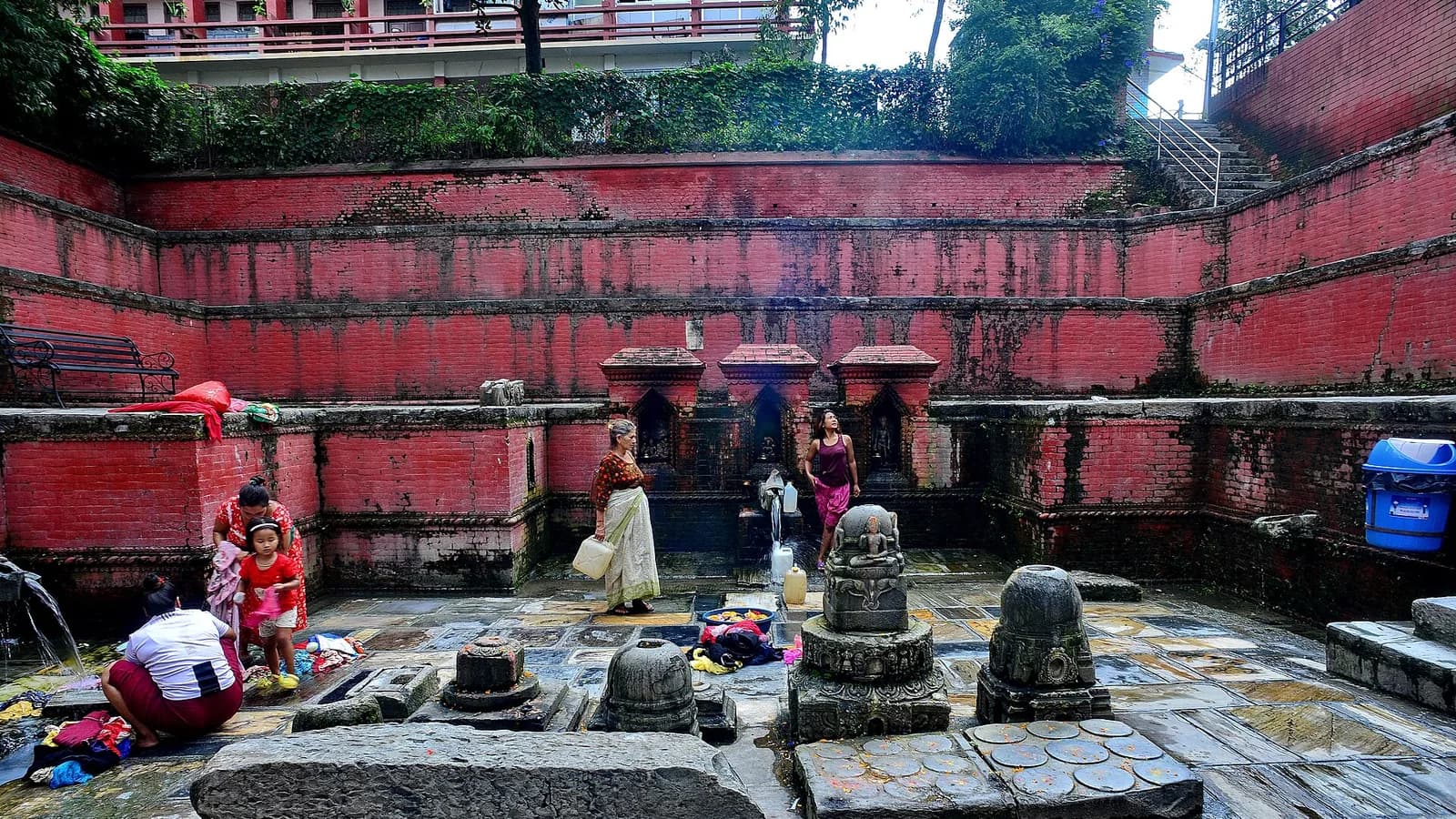
Wellness tourism Nepal is having a moment. In April 2026, on the first International Wellness Day, Nepal Tourism Board declared 2027 the Nepal Wellness Year and launched a long-term strategy to reposition the country — long famous for adventure and trekking — as a destination for healing, stillness and slow travel. For a place that gave the world centuries of yoga, Buddhist meditation and Himalayan medicine, it is less a reinvention than a homecoming.
This guide explains what the 2027 push actually means, what "wellness tourism" covers in a Nepali context, where to go, and how to plan a trip that genuinely leaves you rested. All the campaign details and figures below come from recent reporting and official sources, linked at the end. Specific prices change constantly, so we describe costs qualitatively and recommend confirming current rates with any centre directly.
Key takeaways
- Nepal Tourism Board announced Nepal Wellness Year 2027 in April 2026, alongside a long-term National Wellness Tourism Strategy (2026–2035).
- The strategy organises wellness travel into four areas: spa and massage, Ayurveda, yoga and meditation, and natural healing and spirituality.
- Nepal is targeting a gradual ramp-up of wellness visitors through the late 2020s, with figures of around 10,000 wellness tourists a year after 2030 widely reported.
- Pokhara, the Kathmandu Valley and Lumbini are the main hubs, but retreats are spreading to quieter hill towns and trekking routes.
- Wellness experiences here are generally far more affordable than equivalents in the West, spanning donation-based courses to higher-end spa retreats.
- Autumn and spring are the sweet spots for clear skies; the monsoon is green, warm and quieter.
What "Nepal Wellness Year 2027" means
On 15 April 2026 — marked as International Wellness Day — Nepal Tourism Board, working with the Ministry of Culture, Tourism and Civil Aviation, held a ceremony at Tundikhel in Kathmandu featuring mantra chanting, guided yoga and meditation, and the formal launch of a wellness tourism strategy. At the same event, the government announced that 2027 would be branded the Nepal Wellness Year.
It is worth being clear about what this is and is not. It is a promotional and policy campaign: a banner year to market Nepal's wellness offering, backed by a strategy document and an action plan. It does not change visa rules or create new traveller entitlements. For you as a visitor, the practical upshot is more attention, more organised retreats and packages, and a country actively trying to make wellness travel easier.
The strategy behind the slogan
The campaign sits on top of a ten-year National Wellness Tourism Strategy spanning 2026 to 2035, with a shorter action plan mapped out. Reporting on the plan describes a phased build-up: testing facilities by attracting a few hundred to around a thousand wellness visitors in the 2026–27 window, expanding toward several thousand later in the decade, and aiming for more than 10,000 wellness tourists a year after 2030, with revenue ambitions in the tens of millions of US dollars.
The logic is partly economic. Globally, wellness travel has become a large and fast-growing slice of tourism, and wellness travellers are widely reported to stay longer and spend more per trip than the average visitor. For a country that wants higher-value, lower-impact tourism rather than sheer volume, that is an appealing target market.
What wellness tourism in Nepal actually covers
The official strategy splits wellness tourism into four buckets. They are a useful map for planning your own trip.
| Area | What it looks like in Nepal | | --- | --- | | Yoga & meditation | Lakeside and valley retreats, yoga schools, Buddhist and Vipassana courses | | Ayurveda | Herbal therapies, Panchakarma detox, Shirodhara and massage treatments | | Spa & massage | Day spas and hotel wellness centres, often blending Ayurvedic and modern styles | | Natural healing & spirituality | Naturopathy, herbal medicine, sound healing, temple and monastery stays |
Most travellers do not pick just one. A typical wellness trip might pair morning yoga with an afternoon Ayurvedic massage, a few days of meditation at a monastery, and a gentle walk in the hills to round it off.
Yoga and meditation
This is the heart of it. Pokhara is widely described as Nepal's yoga capital, with lakeside retreats running daily hatha and vinyasa classes, pranayama (breath work), mindfulness and sound healing, often with the Annapurna range as a backdrop. The Kathmandu Valley has long-running yoga schools where the practice is taught alongside its philosophy. For a deeper dive, see our guide to the best yoga retreats in Nepal.
Meditation runs the full spectrum, from gentle introductory sessions to serious silent courses. Lumbini, the Buddha's birthplace, is a natural draw, and Kathmandu Valley monasteries such as those in the hills above the city host structured programmes. If you want to go deep, our guides to meditation retreats in Nepal and Vipassana courses in Nepal cover what to expect, including the demanding ten-day silent format.
Ayurveda, natural healing and sound
Beyond yoga, Nepal offers Ayurvedic treatments — classical therapies such as Panchakarma detoxification, Abhyanga herbal-oil massage and Shirodhara, where warm oil is poured slowly over the forehead. These are often delivered as multi-day programmes rather than one-off treatments. Alongside them sits a growing scene of sound healing, where the resonance of Himalayan singing bowls is used for relaxation; our piece on singing bowls in Nepal explains the tradition behind them.
Where to go
You can build a wellness trip almost anywhere in Nepal, but a few places stand out.
Pokhara
If you only have time for one base, make it Pokhara. The lakeside setting beside Phewa Lake, beneath the Annapurnas, is purpose-built for slowing down, and it has the densest cluster of yoga and meditation retreats in the country. It also doubles as a launch pad for gentle walks and the famous World Peace Pagoda above the lake. Our overview of things to do in Pokhara shows how easily a retreat slots in among the town's calmer pleasures.
The Kathmandu Valley
The capital region balances accessibility with depth: international flights, the widest choice of yoga schools and Ayurvedic centres, and a ring of Buddhist sites. Many travellers do a short retreat here at the start or end of a trip. The valley's spiritual heart includes the great stupa of Boudhanath, a serene place simply to sit and watch the pilgrims circle.
Lumbini and beyond
Lumbini, in the southern plains, is for travellers whose wellness leans spiritual — a UNESCO-listed pilgrimage site with monasteries and meditation programmes in a notably tranquil setting. Increasingly, retreats are also appearing in quieter hill towns and along trekking routes, which leads to one of the most distinctive things Nepal can offer.
Wellness on the trail: the Himalayan twist
Nepal's unique selling point is that you can combine a retreat with the mountains. A growing trend pairs daily yoga and meditation with gentle trekking on routes like Poon Hill, the lower Annapurna foothills or short valley walks — movement as part of the practice rather than a separate adventure. Done right, it is less about ticking off a summit and more about walking slowly through some of the planet's most beautiful scenery.
If that appeals, our reflection on whether trekking in Nepal is worth it helps set expectations, and a gentler route such as the Ghandruk village walk makes an ideal wellness-paced trek. The point is to choose a trail that leaves you restored, not wrecked.
Planning a wellness trip
A few practicalities turn a good idea into a good trip.
Timing
For clear mountain views and comfortable temperatures, aim for autumn (late September to November) or spring (March to May). Winter is cold but perfectly workable in the lower valleys and can be wonderfully quiet, while the summer monsoon is warm, lush and uncrowded if you do not mind hazier skies. Our best time to visit Nepal guide breaks the seasons down in detail.
Costs and what to check
Nepal is consistently described as an affordable wellness destination relative to Western prices, but the range is enormous — from donation-based meditation courses and simple ashram stays to polished spa retreats. Because rates shift, treat any figure you see online as indicative and confirm directly with the centre. Always check exactly what is included: meals, the number of daily classes, treatments, and any extra fees. For overall trip budgeting, our Nepal travel budget guide gives a realistic framework.
Choosing a reputable centre
Quality varies, as it does anywhere. Look for clear information on teachers and their training, read recent independent reviews, and be wary of anything promising medical cures. For serious Ayurvedic or naturopathic treatment, prefer established clinics. As the 2027 push rolls out, expect more standardisation, but for now a little due diligence goes a long way.
Combine it with the rest of Nepal
The beauty of a wellness trip here is that it slots neatly alongside everything else the country does well. Bookend a retreat with a few cultural days among the best places to visit in Nepal, and you get the rare combination of genuine rest, mountain air and one of Asia's richest cultures — at a price that makes the whole thing feel almost restorative in itself.
Sources
- Nepal Unveils Wellness Tourism Vision, Announces Nepal Wellness Year 2027 — Nepal Tourism Board
- Nepal Government Tourism Plan: 2027 Named National Wellness Year — The Nepalish Insider
- Nepal Aims for 10,000 Wellness Tourists by 2030 — NewKerala
- Nepal Repositions Its Tourism Strategy Around Wellness — Tourism Explorer
- Wellness Tourism Gains National Spotlight as Council Launches Strategic Planning — Tourism Info Nepal
- Sustainable Wellness Tourism for Nepal — The Kathmandu Post
Frequently asked questions
- What is Nepal Wellness Year 2027?
- It is a national tourism campaign branding 2027 as a year focused on wellness travel. Nepal Tourism Board announced it on International Wellness Day in April 2026, alongside the launch of a long-term wellness tourism strategy meant to position the country as a destination for yoga, meditation, Ayurveda and natural healing.
- What does wellness tourism in Nepal actually include?
- The official strategy groups it into four areas: spa and massage, Ayurveda clinics, yoga and meditation, and natural healing and spirituality. In practice that ranges from a lakeside yoga retreat in Pokhara to a Buddhist meditation course, an Ayurvedic detox, a sound-healing session or a slow trek built around mindfulness rather than mileage.
- Why is Nepal good for a wellness trip?
- Nepal pairs deep living traditions of yoga, Buddhism and Himalayan medicine with dramatic, quiet landscapes and famously low costs. You can combine a retreat with mountains, lakes and temples in one trip, and wellness experiences here are generally far cheaper than comparable programmes in Western countries.
- Where are the best places for wellness tourism in Nepal?
- Pokhara is the most established hub, with lakeside yoga and meditation retreats beneath the Annapurna range. The Kathmandu Valley has yoga schools, Ayurvedic centres and Buddhist monasteries, and Lumbini, the birthplace of the Buddha, draws meditators. Many quieter hill towns and trekking routes also host retreats.
- Do I need to be experienced at yoga or meditation to go?
- No. Most retreats and courses welcome complete beginners and run mixed-level classes, from gentle hatha yoga to introductory meditation. You choose the intensity, whether that is a relaxed wellness holiday or a serious multi-day silent course, so prior experience is helpful but not required.
- How much does a wellness retreat in Nepal cost?
- It varies widely by length, location and luxury, so confirm current rates directly with each centre. As a rule, Nepal is considered an affordable wellness destination compared with the West, with options spanning donation-based meditation courses, simple ashram-style stays and higher-end spa retreats. Always check exactly what meals, classes and treatments are included.
- When is the best time of year for a wellness trip to Nepal?
- Autumn (roughly late September to November) and spring (March to May) bring the clearest skies and most comfortable weather, ideal for combining a retreat with mountain views. Winter is cold but workable in the valleys, and the summer monsoon is warm, green and quieter, though hazier for mountain scenery.
- Is wellness tourism in Nepal only about yoga?
- No. Yoga is the best-known draw, but the wider scene includes Buddhist and Vipassana meditation, Ayurvedic treatments such as Panchakarma and Shirodhara, herbal and naturopathic healing, sound baths with singing bowls, and spa therapies. Many travellers blend several of these into a single trip.
Spotted an error in this post? Tell us or suggest a correction.
Related posts
ABC Trek: A Plain-English Guide to Annapurna Base Camp
The ABC trek (Annapurna Base Camp) explained — the route, how many days it takes, difficulty, the best seasons, and what daily trail life is really like.
Read postAma Dablam Climb: 2026 Expedition Guide (6,812m)
An Ama Dablam climb and expedition guide for 2026 — height, the Southwest Ridge route, camps, fixed ropes, difficulty, permits, cost and the best seasons.
Read postAnnapurna vs Manaslu: Which Trek Should You Choose?
An Annapurna vs Manaslu decision guide for trekkers — compare permits, crowds, difficulty, infrastructure and cost to pick the right Himalayan route.
Read postAsan Bazaar Kathmandu: Old Town Market Guide
A visitor guide to Asan bazaar, Kathmandu's oldest market — its six-road square, Annapurna Temple, what to buy, when to go, and how to get there.
Read postAyurveda Nepal: A Traveller's Guide to Healing
Ayurveda Nepal explained for tourists — the history, the doshas, treatments like Panchakarma and Shirodhara, where to go and how to choose a centre safely.
Read postBest Restaurants Pokhara Lakeside: Where to Eat
The best restaurants in Pokhara Lakeside — lakeside trout, wood-fired pizza, Tibetan momos and healthy cafes, with what to order and rough 2026 prices.
Read post