 Photo: Unsplash
नमस्ते
Hello
Namaste
Top 50
Free · Tourist-First · Audio Included
Real phrases for real situations in Nepal — from haggling momos in Asan Bazaar to asking for hot water on the Everest trail. No grammar lectures. Just words you'll use.
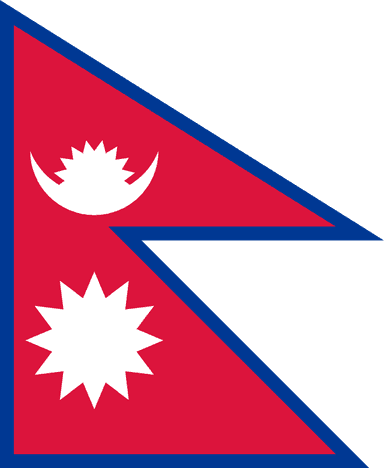
नमस्ते
Namaste
nuh-mah-stay · Hello
The universal greeting in Nepal — used any time, with anyone. Press your palms together as you say it.
A quiet alternative to apps that turn language into a game show.
Every phrase is something you'd actually say at a tea stall, a trail teahouse, or a Thamel bazaar — not a textbook drill.
Built with phrases for Everest Base Camp, Annapurna Circuit, and Langtang. Altitude, distance, weather — covered.
No paywall, no signup. Save phrases offline before your bus to Pokhara — works even when your eSIM doesn't.
Start where you are. Each lesson is short, audio-supported, and ends with the cultural context you won't find in a phrasebook.
Every meaningful conversation in Nepal starts with namaste — and ends with a small bow. Master these greetings and locals will warm to you instantly.
Start lessonNumbers are the second language of travel — every taxi fare, momo order, and bargain in Asan Bazaar runs on them. Learn the patterns once, use them everywhere.
Start lessonFrom smoky teahouses on the Everest trail to dimly-lit dal bhat joints in Patan, food is where Nepal opens up to you. A few phrases turn a transaction into a connection.
Start lessonKathmandu's old town has no logic to its alleys. Google Maps gives up. The only way out is to ask — politely, in Nepali — and trust the friendly point of a finger.
Start lessonThe right phrase at 4,500 meters can mean a warm meal, a faster route, or a life-saving descent. These are the words every trekker in Nepal should carry.
Start lessonIn Thamel and Asan Bazaar, the first price is never the real price. A handful of Nepali phrases — and a smile — turn haggling from stressful to genuinely fun.
Start lessonTap any card to hear it. The Web Speech API speaks Nepali — no app, no download.
Photo: Unsplashनमस्ते
Hello
Namaste
 Photo: Unsplash
धन्यवाद
Thank you
Dhanyabaad
Photo: Unsplashयो कति हो?
How much does it cost?
Yo kati ho?
 Photo: Unsplash
म शाकाहारी हुँ
I am vegetarian
Ma shakahari hoon
Photo: Unsplashकहाँ छ?
Where is it?
Kahaan chha?
 Photo: Unsplash
मलाई लेक लाग्यो
I have altitude sickness
Malai lek laagyo
 Photo: Unsplash
बिल दिनुहोस्
The bill, please
Bill dinuhos
 Photo: Unsplash
यो धेरै महँगो छ
That's too expensive
Yo dherai mahango chha
Deeper dives on the language, culture, and practical tips for travelling and trekking in Nepal.
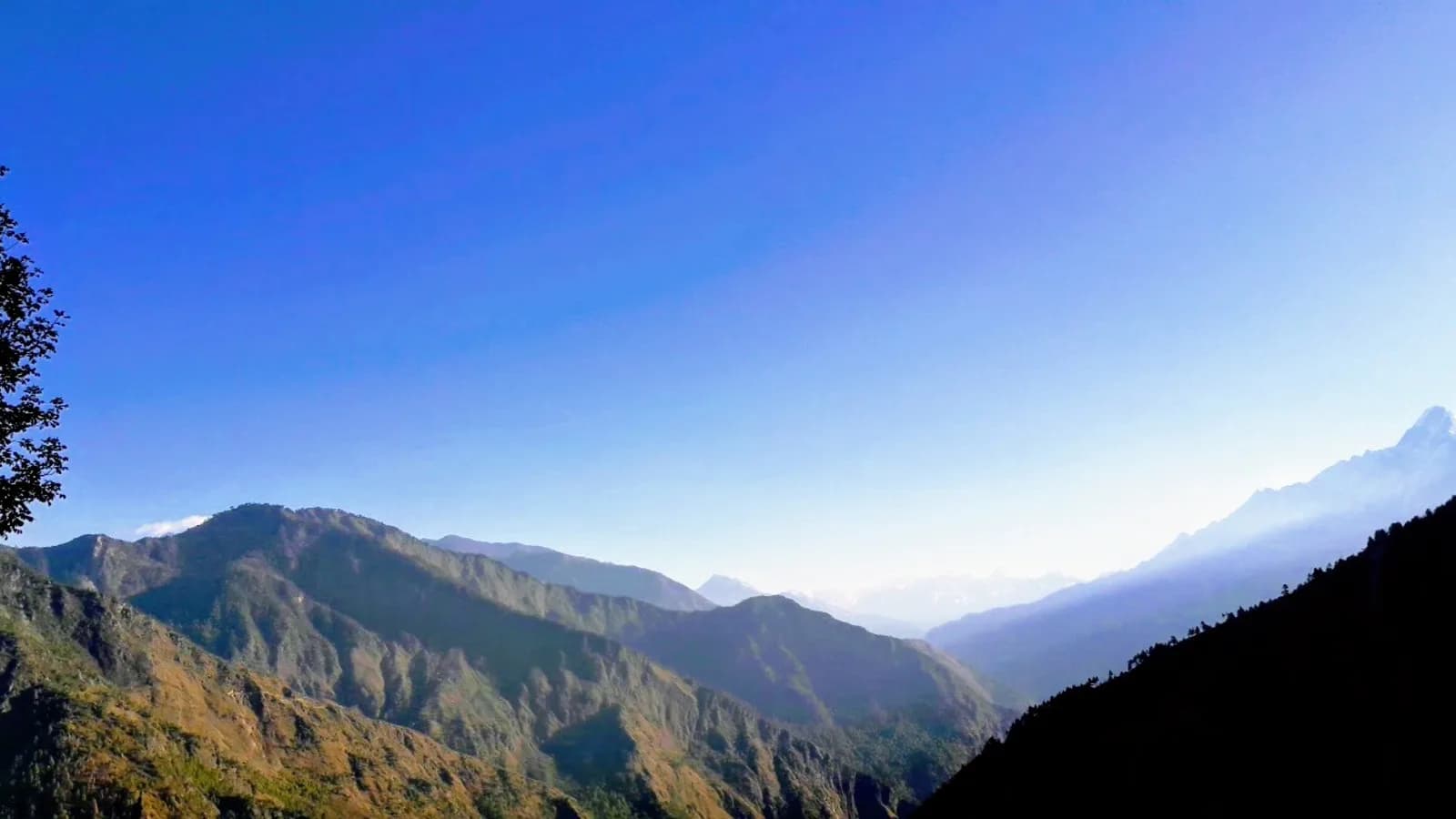
The ABC trek (Annapurna Base Camp) explained — the route, how many days it takes, difficulty, the best seasons, and what daily trail life is really like.
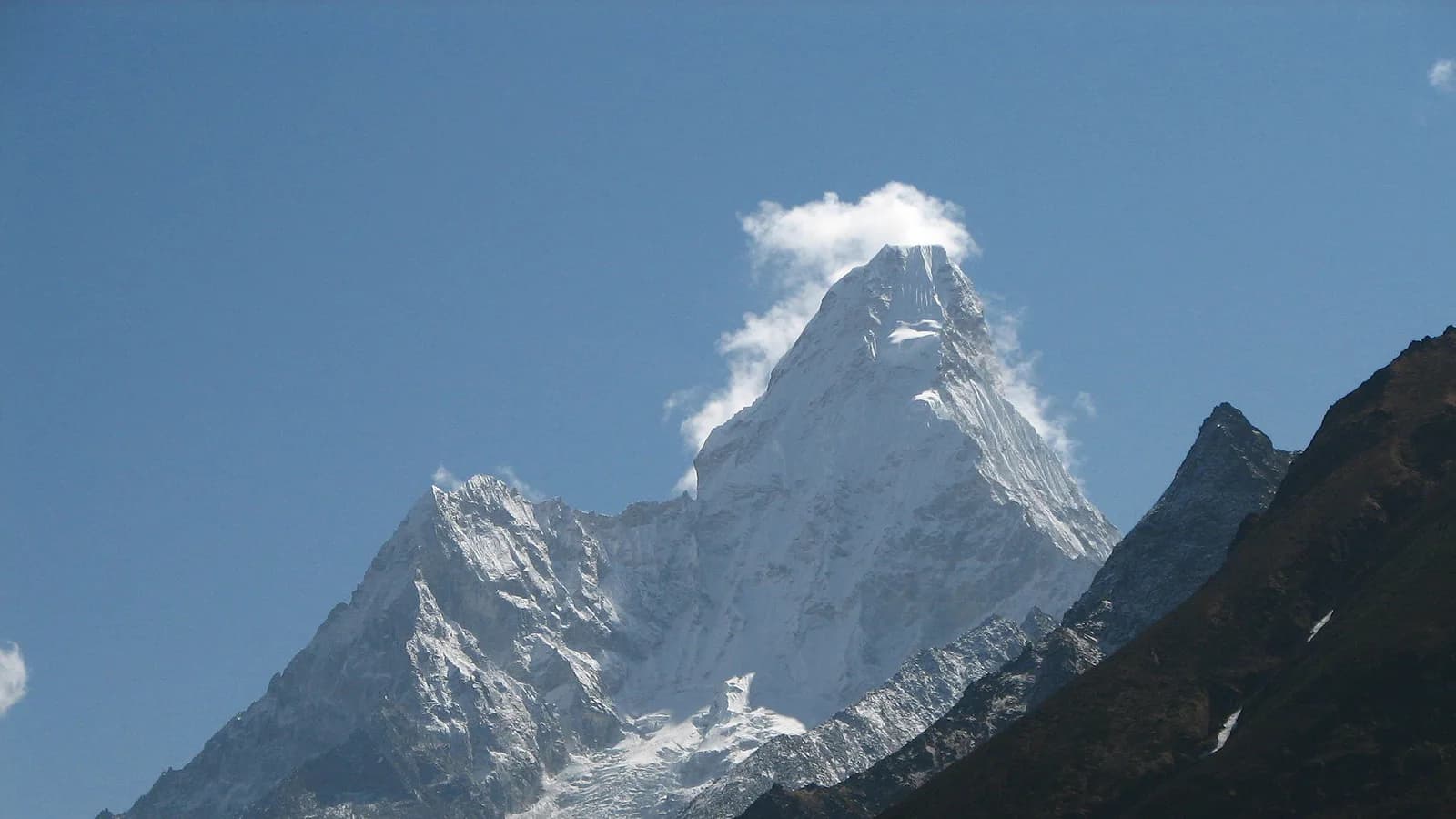
An Ama Dablam climb and expedition guide for 2026 — height, the Southwest Ridge route, camps, fixed ropes, difficulty, permits, cost and the best seasons.
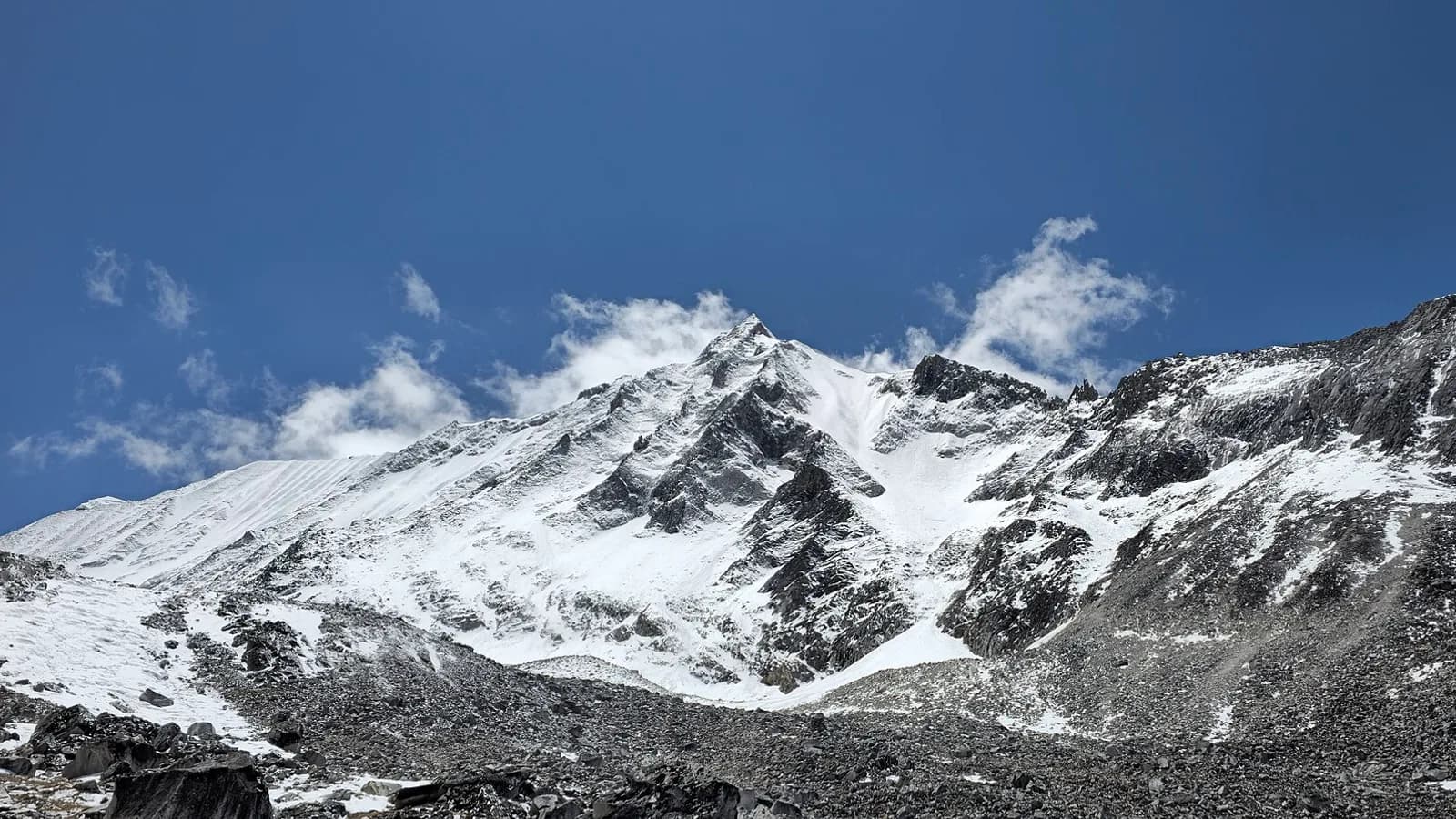
An Annapurna vs Manaslu decision guide for trekkers — compare permits, crowds, difficulty, infrastructure and cost to pick the right Himalayan route.
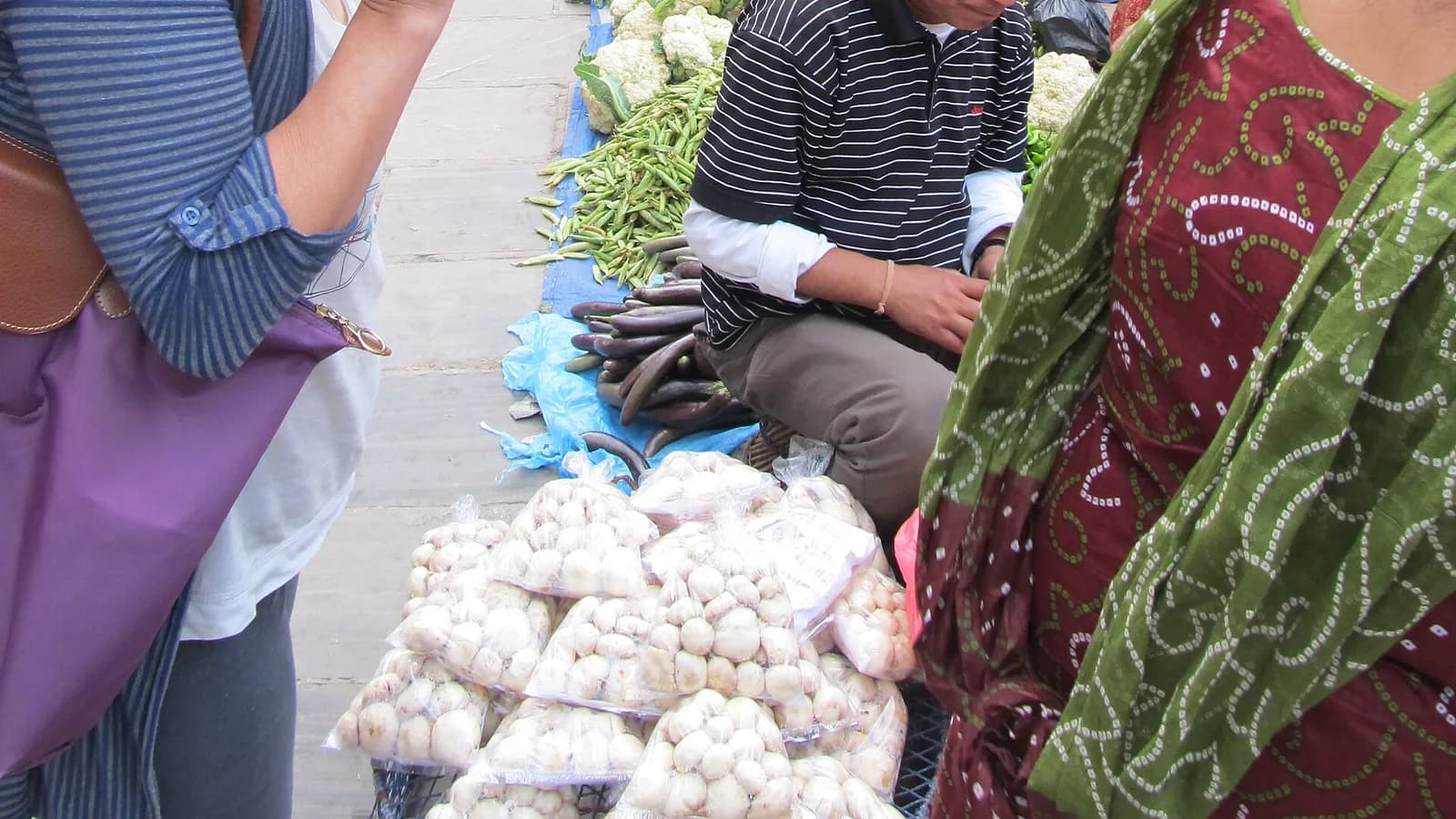
A visitor guide to Asan bazaar, Kathmandu's oldest market — its six-road square, Annapurna Temple, what to buy, when to go, and how to get there.
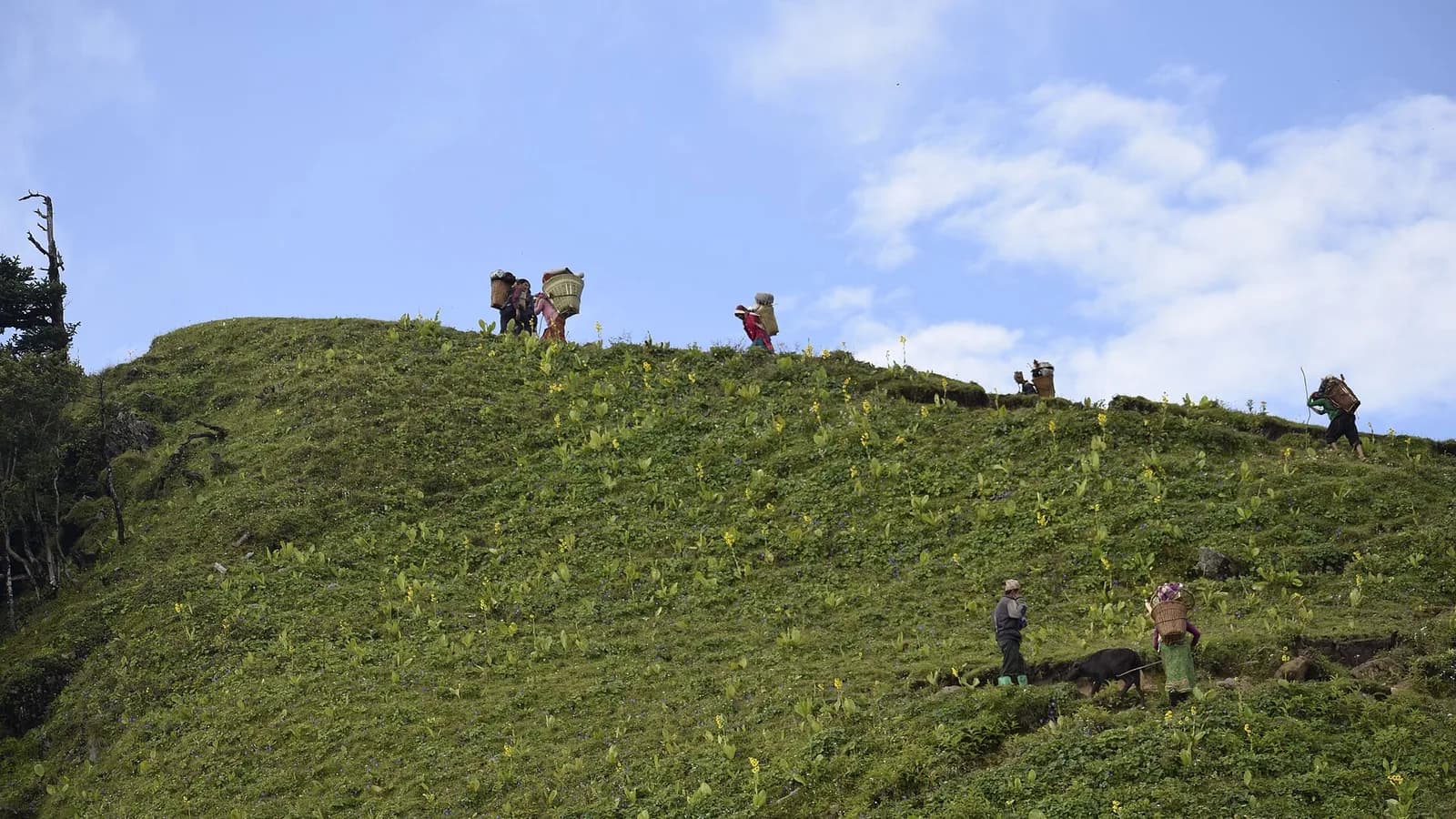
Ayurveda Nepal explained for tourists — the history, the doshas, treatments like Panchakarma and Shirodhara, where to go and how to choose a centre safely.
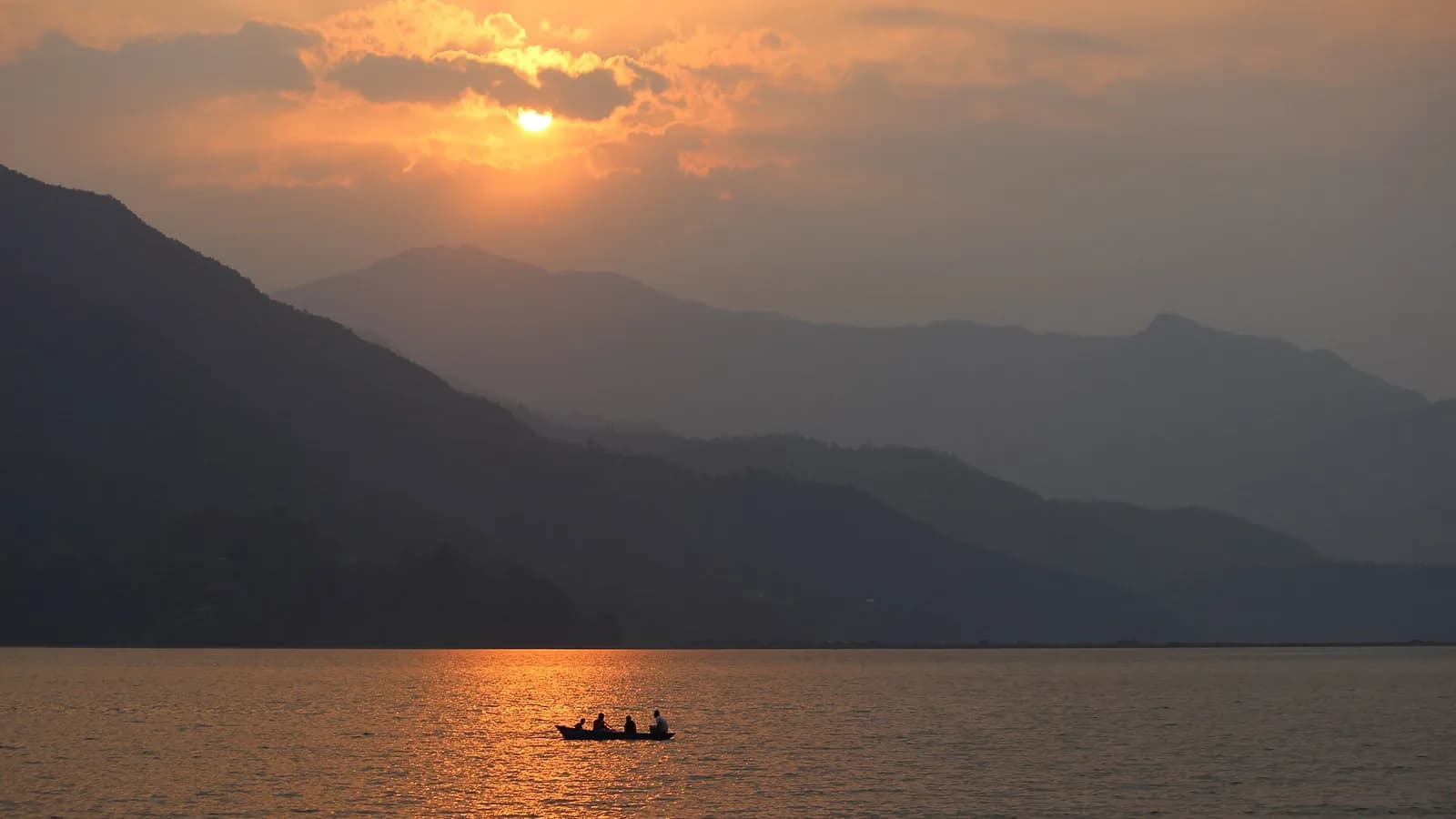
The best restaurants in Pokhara Lakeside — lakeside trout, wood-fired pizza, Tibetan momos and healthy cafes, with what to order and rough 2026 prices.
Nepali songs, rhymes, and learning videos from our channel, Jili Mili — new uploads, refreshed every hour.
Oct 20, 2026
Watch on YouTubeOct 20, 2026
Watch on YouTubeOct 20, 2026
Watch on YouTubeOct 18, 2026
Watch on YouTubeOct 16, 2026
Watch on YouTubeOct 14, 2026
Watch on YouTubeFor trekkers
From Lukla to Manang, a few Nepali words turn a transaction into a friendship — and a hard day into a manageable one.
5,545 m
12 days, Khumbu Sherpa country. Learn lek (altitude) phrases before you fly to Lukla.
5,416 m
12–18 days through Gurung and Manangi villages. Daily bargaining and lodge phrases pay off.
4,773 m
7 days, the most underrated trail. Warm Tamang hospitality rewards even a few Nepali words.
Small in-browser utilities for the moments a phrasebook can't fix on its own.
Phrase translator
EN ↔ Nepali lookup with audio.
OpenPronunciation tool
Type Devanagari, hear it spoken.
OpenSearch phrases
Fuzzy search the whole phrasebook.
Open“I walked into a Pokhara teahouse, said three words of Nepali, and the owner sat down with me for an hour. KidSchooler made my trip feel less like sightseeing and more like meeting people.”
Words of the day · October 21, 2026
रूख
Rūkh
Tree
Sacred trees: peepal (under which Buddha sat) and banyan (bar). Don't step on fallen leaves near temples — they may be offerings.
See full phrase pageफूल
Phūl
Flower
Marigold (sayapatri) garlands during Tihar; jasmine in temple offerings. 'Phūl' is one word — orchid, rose, all flowers.
See full phrase pageलालीगुराँस
Lāligurā̱s
Rhododendron
Nepal's national flower. Blooms March–April on Annapurna and Langtang trails, painting the hillsides red. Edible — locals make pickle from the petals.
See full phrase pageHonest, practical answers for anyone starting out — whether you're prepping for a trek or just curious about the language.
A real phrase, a real cultural note, the audio file. Five minutes of your week. Free forever, no spam.
One real phrase
A phrase you'll actually use — on the trail, in the bazaar, at the teahouse.
Native audio
Hear exactly how it's pronounced, so you say it with confidence.
A cultural note
The context that turns a phrase into a genuine connection.
Five minutes, free
Short enough for your Monday coffee. Free forever, no spam.