Nepal Trekking Insurance — What Must It Actually Cover?
Most travel insurance has a 4,500m altitude limit. Trek-specific insurance with real helicopter coverage is different — and the gap matters.
Insurance is the cheapest mistake you can make in advance. Skipping it is the most expensive.
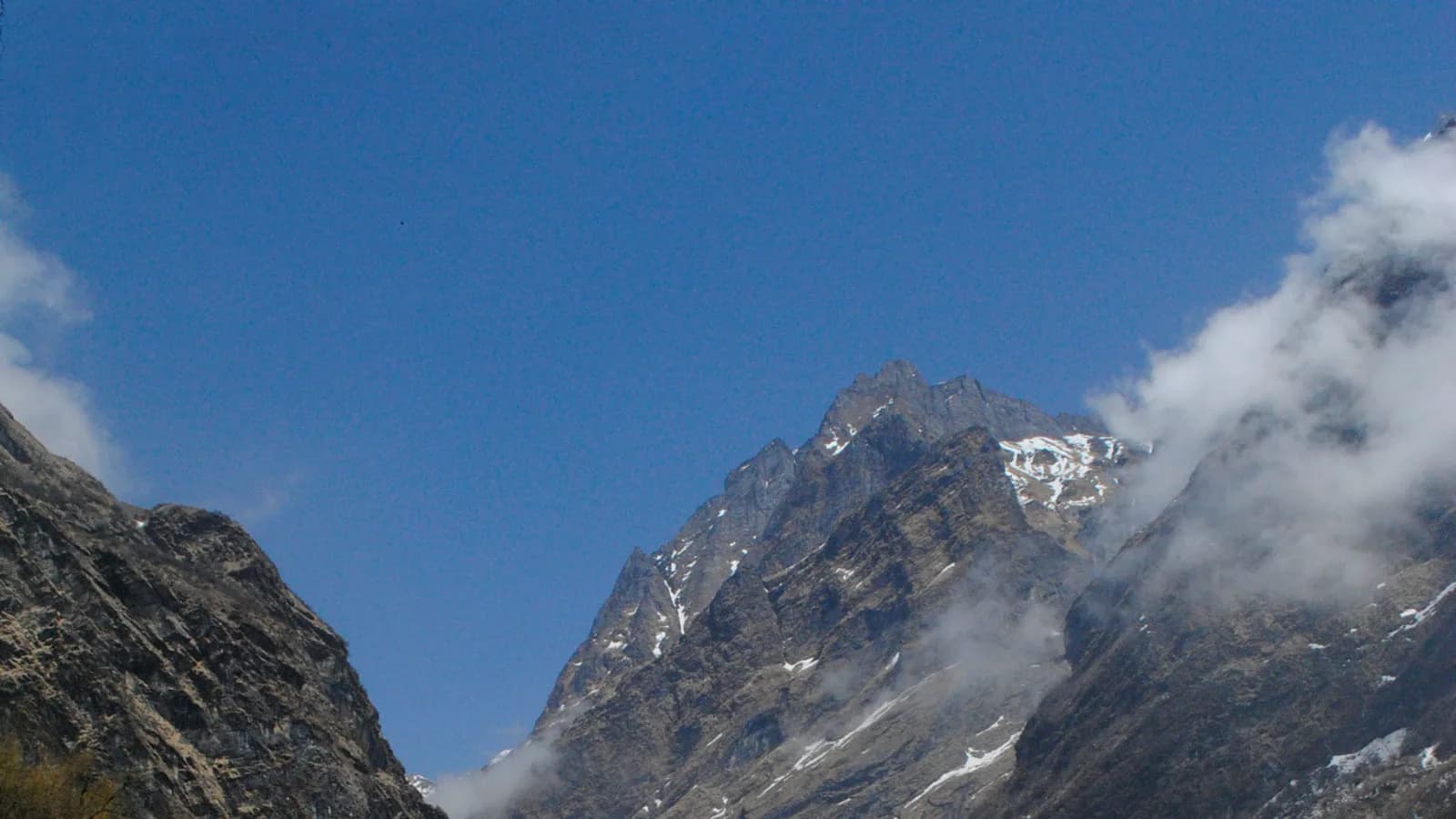
Almost every traveler buys travel insurance. Few read the altitude clause. Most standard travel insurance — including the policies bundled with credit cards — has an altitude limit somewhere between 2,500m and 4,500m. Above that, you're not covered.
For context: Everest Base Camp is 5,364m. Annapurna Circuit's Thorong La pass is 5,416m. The standard altitude limit on consumer travel insurance covers you for the first three days of either trek and stops covering you exactly when you'd most need it.
Here's what to actually look for, and the policies that work.
The altitude clause
The number that matters: the maximum trekking altitude the policy will cover.
Categories of policies:
| Altitude covered | Type | Suitable for | |---|---|---| | Up to 2,500m | Standard travel insurance | Kathmandu Valley, Pokhara, Chitwan, Lumbini | | Up to 4,000m | Mid-tier travel insurance | Poon Hill, Mardi Himal (just barely), ABC (also just barely) | | Up to 6,000m | Trekking-specific insurance | EBC, Annapurna Circuit, Langtang, Manaslu, Mustang | | Above 6,000m | Mountaineering insurance | Island Peak, Mera Peak, climbing peaks |
The exact cutoffs vary by insurer. Always check the specific number. If the policy says "trekking is covered" but doesn't specify an altitude limit, assume the worst and call them.
What helicopter evacuation actually costs
This is the part most travelers underestimate.
A typical helicopter evacuation from above 4,500m in the Everest region:
- Helicopter call-out (Kathmandu → trek → Kathmandu): USD 4,000–6,000
- Hospital treatment (if required): USD 500–5,000
- Repatriation flight home (if needed for serious injury): USD 10,000–50,000
The helicopter is the most common claim — almost any AMS-related evacuation lands in this bracket. The insurance policies that work cover at least USD 10,000 for helicopter evacuation, with no separate altitude clause.
What to specifically look for in a policy
Read the policy document (not the marketing page) for:
1. Maximum trek altitude. Should explicitly cover at least 6,000m if you're doing any Himalayan trek.
2. Helicopter evacuation specifically named. Not just "medical evacuation" — helicopter. Some policies cover ambulance only.
3. Coverage amount for helicopter evac. Minimum USD 10,000, ideally USD 25,000. The latter covers a long-distance evacuation if you need to reach Kathmandu from a remote region.
4. Coverage in cash, not pay-after-claim. Some policies pay the helicopter company directly; others require you to pay upfront and reclaim later. The latter is a problem if you don't have $6,000 on a credit card while bleeding in a teahouse.
5. Pre-existing conditions clause. If you have asthma, heart issues, or anything else that might be exacerbated by altitude, make sure it's declared and covered.
6. Solo trekking coverage. Some policies exclude solo trekking. With the 2023 guide-mandatory rule (see our guide rule explainer), this matters less than it used to, but if you're trekking with just a porter, the insurer might consider you "solo" — check.
7. Adventure activity riders. Some policies require you to add a "trekking" or "high altitude" rider separately. The base policy might cover travel; only the rider covers the trek.
Policies that work (independent overview)
Note: this is informational, not affiliate-driven. Confirm current terms with the insurer.
- World Nomads — popular among Western trekkers, has explicit altitude coverage up to 6,000m on their Explorer plan
- True Traveller — UK-based, covers up to 6,500m, well-regarded for Nepal claims
- SafetyWing — newer, digital-nomad-focused, covers up to 6,000m on the right plan
- Global Rescue — premium tier, expensive, but used by serious mountaineers; includes the actual helicopter call-out infrastructure
- IMG Patriot Adventure — US-focused, decent altitude coverage
Avoid:
- Credit card travel insurance unless it explicitly covers trekking above 4,500m (most don't)
- "Free" insurance bundled with cheap travel agents (often has multiple exclusions that void claims)
The honest cost
For two weeks of trek-specific insurance with full helicopter coverage:
- Budget tier (basic helicopter + medical): USD 60–90
- Mid-tier (comprehensive trek coverage): USD 100–150
- Premium (full mountaineering): USD 200–400
If you can't afford the $100 insurance, you can't afford the $6,000 helicopter you might need. Don't trek without it.
What to do before you fly
- Buy the policy at least a week before departure (some policies don't cover claims made in the first 48 hours).
- Print the policy and the emergency contact number. Carry a paper copy in your daypack. Phone batteries die.
- Save the emergency claim number in your phone with country code.
- Tell your guide your insurance company's name and policy number on day 1 of the trek. If something happens to you, they need to know who to call.
- Take a photo of the policy document and email it to a family member as backup.
The helicopter scam connection
The helicopter evacuation scam — where guides pressure trekkers with mild AMS into unnecessary evacuations to collect insurance kickbacks — works specifically because insurance is involved. Knowing your policy, knowing what's actually covered, and knowing the pushback phrases all matter together.
If you have real insurance with proper helicopter coverage, you're already most of the way to defending against the scam. Insurance fraud rings work on confused trekkers; they retreat from informed ones.
Pre-trip checklist
- Policy purchased at least 1 week before flying
- Altitude coverage to at least 6,000m
- Helicopter evac specifically named, minimum USD 10,000 coverage
- Emergency claim number in phone + on paper
- Guide knows your insurance details on day 1
- The scam-defence phrases memorized
- A copy of the altitude sickness guide for what triggers a real evac
The cheapest mistake you can make is being uninsured. The most expensive one is finding out at 4,800m that your policy stops at 4,500m.
Spotted an error in this post? Tell us or suggest a correction.
Related posts
ABC Trek: A Plain-English Guide to Annapurna Base Camp
The ABC trek (Annapurna Base Camp) explained — the route, how many days it takes, difficulty, the best seasons, and what daily trail life is really like.
Read postAma Dablam Climb: 2026 Expedition Guide (6,812m)
An Ama Dablam climb and expedition guide for 2026 — height, the Southwest Ridge route, camps, fixed ropes, difficulty, permits, cost and the best seasons.
Read postAnnapurna vs Manaslu: Which Trek Should You Choose?
An Annapurna vs Manaslu decision guide for trekkers — compare permits, crowds, difficulty, infrastructure and cost to pick the right Himalayan route.
Read postAsan Bazaar Kathmandu: Old Town Market Guide
A visitor guide to Asan bazaar, Kathmandu's oldest market — its six-road square, Annapurna Temple, what to buy, when to go, and how to get there.
Read postAyurveda Nepal: A Traveller's Guide to Healing
Ayurveda Nepal explained for tourists — the history, the doshas, treatments like Panchakarma and Shirodhara, where to go and how to choose a centre safely.
Read postBest Restaurants Pokhara Lakeside: Where to Eat
The best restaurants in Pokhara Lakeside — lakeside trout, wood-fired pizza, Tibetan momos and healthy cafes, with what to order and rough 2026 prices.
Read post