Nepal Trekking Company: What They Do & How to Book
What a Nepal trekking company actually does — permits, guides, porters, logistics and rescue — plus local vs international booking and how to book well.
A trekking company is not a middleman you tolerate — since 2023 it is the engine that issues your permits, assigns your guide, and answers the phone when the weather turns.
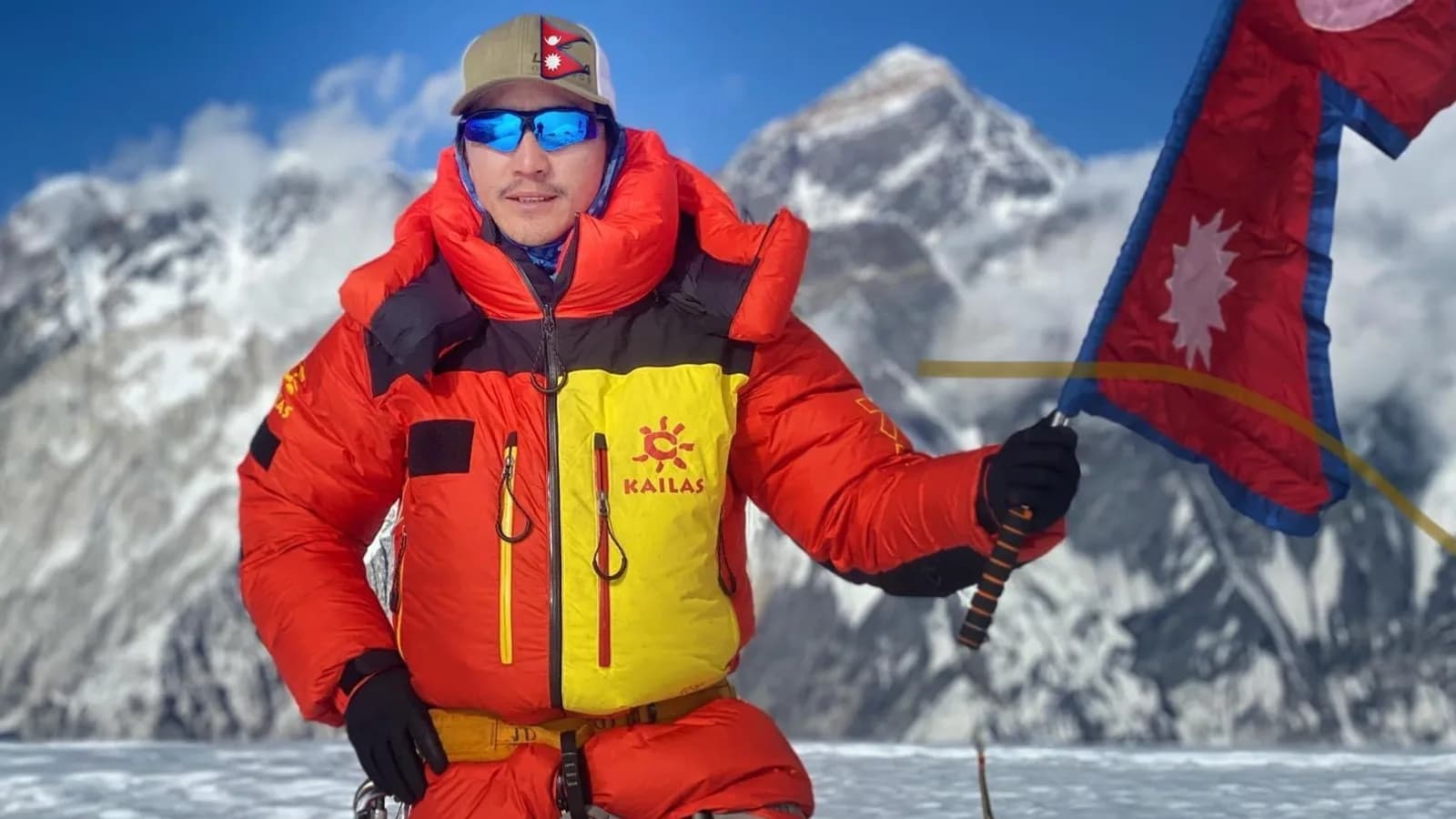
A Nepal trekking company is the operator that turns a Himalayan ambition into a workable trip: it secures your permits, assigns a licensed guide and porters, books the lodges, arranges the bus or flight to the trailhead, and stands ready if the weather or your health turns. Since a 2023 rule change, it is also — for most regions — the legal channel through which a foreign trekker can hire a guide at all. This guide explains plainly what a trekking company does, what a package includes and excludes, how local and international operators differ, and how to book one well. It is informational, not promotional: we recommend no single company, only the questions and facts that let you judge any of them.
If your priority is the step-by-step vetting of a specific operator — the licences to demand and the red flags to walk away from — start with our companion buyer's guide on how to choose the best trekking agency in Nepal. This article is the wider picture: what these companies are, what they do for you, and where they fit in your planning.
Key takeaways
- A Nepal trekking company arranges permits, a licensed guide, porters, lodging, trailhead transport and emergency coordination — the logistics you cannot easily handle alone.
- Since 1 April 2023, foreign trekkers must hire a licensed guide through a government-registered company for most national parks, conservation areas and restricted zones; the Everest region is the main practical exception.
- The industry is large: TAAN, the main association, reports more than 2,100 member companies (founded 1978, based in Kathmandu), so competition is real — but so is the need to verify any one operator.
- Local versus international is a genuine choice: booking direct with a registered local operator is usually cheaper and keeps more money with the on-ground team; an international brand adds convenience and a home-country contract at a markup.
- A good company follows porter-welfare load limits of about 20–25 kg and insures its staff; ask what standards it sets.
- Always confirm the four documents and a written, itemised itinerary before paying a deposit.
What a trekking company actually is
In Nepal, the words "trekking company," "trekking agency" and "tour operator" are used more or less interchangeably for the same thing: a registered business, licensed by the government, that organises and runs trekking trips. Some are tiny outfits built around one or two experienced guides; others are large companies with offices, fleets of staff and international sales teams. What unites the legitimate ones is paperwork — a trekking licence, company registration, tourism-board affiliation and industry-association membership — and the legal authority to employ licensed guides.
It helps to picture the company as the hub of a wheel: the spokes are the guides, porters, teahouse owners, transport providers, permit offices and, when needed, helicopter and hospital contacts. You deal with the hub; the hub deals with everything else. Before 2023 many travellers bypassed it entirely and walked alone or hired a freelance guide on arrival. That option has largely closed for foreigners, which is why understanding what a company does now matters more than it used to. For the full background on the rules and routes, our Nepal trekking first-timer's guide is the plain-English starting point.
What a Nepal trekking company does for you
The value of a company is in the long list of jobs it quietly absorbs. The main ones:
Permits and paperwork
Nepal's trails sit inside protected areas, each with its own entry permit, and many also require a TIMS (Trekkers' Information Management System) card. A company files this paperwork for you, buys the permits, and makes sure you carry the right ones for your route. For how the permit system works region by region, see our overview of Nepal trekking permits.
A licensed guide
The company assigns a Nepali guide who has completed government-approved training and holds a licence with a certification level. The guide reads the weather and the altitude, sets the pace, negotiates lodging, handles trail problems, and — most importantly — recognises the early signs of altitude sickness. Because guide quality is the single biggest variable in your trek, it is reasonable to ask for your guide's name, licence and route experience in advance.
Porters and staff welfare
Most companies offer porter support so you walk with a daypack while a porter carries the bulk of your gear. A responsible operator caps loads at roughly 20–25 kg per porter, in line with International Porter Protection Group guidance, and provides insurance, warm clothing and proper shelter. One porter is commonly shared between two trekkers. How a company treats its porters is one of the clearest signs of its ethics, and it connects directly to wages and tips — covered in our guide to tipping trekking guides and porters in Nepal.
Logistics and accommodation
Trailhead transport (the tourist bus or the flight to Lukla), teahouse bookings, the day-by-day itinerary, and the timing of acclimatisation days are all the company's job. On the popular routes this means lodge-to-lodge "teahouse" trekking, so you carry neither tent nor food — explained in our teahouse trekking guide.
Emergency coordination
When something goes wrong — a flight cancelled by weather, a stomach bug, or a genuine altitude emergency — the company is your operations desk. It reschedules, reroutes, and, in a real emergency, coordinates a helicopter evacuation and liaises with your insurer. This is also where trust matters most, for reasons we return to below.
What a package includes — and what it does not
"All-inclusive" rarely means what it sounds like. The table below shows what a standard guided package typically covers and the personal costs that sit outside it. Treat it as a checklist to hold against any quote, since exact inclusions vary by company and route.
| Usually included | Usually excluded | |---|---| | Trekking permits and TIMS card | Personal travel and rescue insurance | | Licensed guide (wages, food, lodging, insurance) | International flights to Nepal | | Porter support (shared, with welfare cover) | Tips for guide and porters | | Trailhead transport (bus, or Lukla flight on some packages) | Drinks, snacks, charging and hot showers | | Teahouse accommodation, often with set meals | Visa, and gear you buy or rent | | Day-by-day itinerary and acclimatisation plan | Extra nights from delays or early exit |
The most important line is your own insurance. A package covers the staff's insurance, not yours; you must arrange your own policy with high-altitude trekking and helicopter-evacuation cover before you fly — our explainer on trekking insurance and helicopter evacuation sets out what to look for. A second habit: ask the company to itemise inclusions and exclusions in writing, so a "cheap" package does not quietly become expensive on the trail.
The 2023 rule: why a company is now mostly mandatory
For years Nepal allowed independent solo trekking, but that changed on 1 April 2023. The Nepal Tourism Board ended solo trekking for foreigners in the country's national parks, conservation areas and restricted areas, requiring non-Nepali trekkers in those zones to hire a licensed guide (or porter-guide) booked through a government-registered trekking company. The board cited safety, the cost of searching for lost trekkers — it has reported roughly 40 to 50 cases a year of trekkers going out of contact — and a push to channel income through local businesses. The rule applies to foreign visitors, including diplomats and expatriates, not to Nepali citizens.
There is one widely noted exception: the Everest (Khumbu) region, which runs its own local municipal permit system and where the guide requirement has not been enforced the same way. If trekking without a guide is your firm preference, this is effectively the only mainstream option, examined in detail in do I need a guide for Everest Base Camp. Everywhere else, a registered company is now structural rather than optional: choosing one is no longer about whether, only about which.
How big is the industry?
Nepal's trekking sector is large and crowded, which helps on price but means quality varies enormously. The main industry body, the Trekking Agencies' Association of Nepal (TAAN), was founded in 1978, is based in Kathmandu, and reports more than 2,100 member companies as of recent figures; the total number of registered operators nationwide is higher still. TAAN sets member standards and has long championed the guide-and-porter rules.
The takeaway is not "pick the biggest." With thousands of operators competing, a polished website and a low quote prove nothing on their own — the market rewards companies that market well, not necessarily those that guide well, so your own verification is what closes the gap.
Local versus international: who you are actually booking
One of the first real decisions is whether to book a local Nepalese company directly or go through an international agency based in your own country. Both deliver you to the same mountains with, often, the very same on-ground guides and porters — but the structure and price differ.
Booking direct with a local operator
A registered local company runs the trek itself: it employs the guides, knows the teahouse owners, and arranges the permits and transport first-hand. Because you skip the overseas office, foreign marketing budget and agent commissions, the price is generally lower, and more of what you pay reaches the people doing the work and the local economy. The trade-offs are that you are contracting with a business in another country, time-zone and legal system, and you must do your own due diligence on its credentials.
Booking through an international company
An international operator typically sells the trip, then hands the ground arrangements to a local Nepalese company — sometimes the very kind you could have booked directly. You pay a markup that funds overseas offices, marketing, agent commissions and, on some trips, a Western trip leader. In return you get a home-country contract, familiar customer service and a single point of contact, which many first-timers find worth the premium.
| Factor | Local operator (direct) | International company | |---|---|---| | Typical price | Lower | Higher (markup for overseas costs) | | Who guides you | The local team you booked | Usually a local ground operator | | Contract and recourse | In Nepal | In your home country | | Convenience and hand-holding | You arrange more yourself | More managed, single contact | | Share reaching on-ground staff | Higher | Lower (commissions deducted) |
Neither is "right." The honest framing is that you are choosing between price and local benefit on one side, and convenience and home-country recourse on the other — with the on-the-ground experience often similar either way.
The trust question: ethics and the rescue scam
There is one reason the choice of company carries real weight beyond price, and it made headlines in 2026. Nepalese investigators exposed an insurance-fraud network in which some trekking staff, helicopter operators and medical personnel arranged unnecessary helicopter evacuations for foreign trekkers and billed their insurers, in a racket investigators estimate generated close to USD 20 million (as of 2026). The single best defence an ordinary trekker has is structural: book a reputable company that pays its guides a fair salary rather than commission, so no one on your trip has a financial stake in your "rescue."
This does not mean helicopter evacuation is a scam — real rescues save lives every season. It means an informed trekker who understands altitude sickness, reads their insurance policy, and books an ethical operator is a hard target. The full anatomy of the scheme and the questions that protect you are in the companion trekking agency buyer's guide.
How to book well: a short playbook
You do not need insider contacts, only a consistent process. Whether you book from home or in Kathmandu's Thamel district, the steps are the same:
- Shortlist on substance, not ads. Favour companies with detailed, specific reviews and a verifiable track record over the slickest website.
- Verify the four documents. Trekking licence, company registration, Nepal Tourism Board affiliation and TAAN membership number — a real operator shares them quickly.
- Confirm your guide. Ask for a named, licensed guide with experience on your exact route.
- Get inclusions in writing. Insist on an itemised list of what is and is not covered, plus a day-by-day itinerary.
- Sanity-check the price. A quote far below the going rate is a clue, not a bargain; compare it against route-specific costs such as our Everest Base Camp trek cost and Annapurna Base Camp trek cost guides.
- Ask how staff are paid and how porters are loaded. Salary over commission, and a 20–25 kg cap, signal an ethical operator.
- Avoid pressure. Walk away from any push for a large, immediate, non-refundable deposit.
Run that once and you will have separated the professionals from the resellers. A little of the rapport you build will go further if you learn a few Nepali phrases every trekker should know before you set off — guides notice, and appreciate, the effort.
Where this fits in your planning
Choosing a company is one decision inside a larger plan that also includes season, route, permits and budget. Line your shortlist up against the route you want and the time you have: our Nepal trekking first-timer's guide frames the whole trip, the Nepal trekking permits overview tells you what your company will be arranging, and the cost guides above give you numbers to hold a quote against.
A Nepal trekking company, in the end, is not a brand to be impressed by. It is the operator that can prove it is licensed, treats its people fairly, quotes an honest price, and does the unglamorous logistics so that you can simply walk. Pick on that basis and the Himalaya does the rest.
Sources
- Trekking Agencies' Association of Nepal — Wikipedia
- Trekking Agencies' Association of Nepal (TAAN) — official site
- ALERT: New Requirements For Use of Trekking Guides/Porters Effective April 1, 2023 — U.S. Embassy in Nepal
- New Trekking Rules in Nepal: Effective from 1 April 2023 — Nepal Trekking in Himalaya
- Changes to the Rules of Trekking in Nepal — Much Better Adventures
- Hiring a Trekking Guide and Porter in Nepal — Himalayan Recreation
- Porter Welfare in Nepal — The Everest Holiday
- International Trekking Companies in Nepal: Do They Really Operate Locally? — Himalayan Hero
- Inside Nepal's fake rescue racket — The Kathmandu Post
Frequently asked questions
- What does a Nepal trekking company actually do?
- A trekking company arranges the parts of a trek you cannot easily do yourself: it secures your permits and TIMS card, assigns a licensed guide and porters, books teahouses and trailhead transport, and coordinates emergencies such as a weather delay or an evacuation. Since the 2023 rule, for most regions it is also the legal route through which a foreign trekker hires a guide at all.
- Do I have to book through a trekking company to trek in Nepal?
- For most national parks, conservation areas and restricted zones, yes — since 1 April 2023 foreign trekkers must hire a licensed guide booked through a government-registered trekking company. Nepali citizens can still trek independently, and the Everest region runs its own permit system where the rule has not been enforced the same way.
- Is it cheaper to book with a local Nepal trekking company or an international one?
- Booking directly with a registered local operator is usually cheaper because you skip the overseas marketing, office costs and agent commissions baked into international packages, and more of your money reaches the guides and porters. An international company can add convenience, a home-country contract and a Western trip leader, which some trekkers value enough to pay for.
- How many trekking companies are there in Nepal?
- The Trekking Agencies' Association of Nepal (TAAN), the main industry body, reports more than 2,100 member companies as of recent figures, and the total number of registered operators is higher still. The market is large and competitive, which is good for price but means you must still verify any single company before you pay.
- What is usually included in a Nepal trekking package, and what is not?
- A typical package includes permits, a licensed guide, porter support, trailhead transport, teahouse accommodation and often some meals, plus the guide's and porters' own wages, food, lodging and insurance. It usually excludes your personal travel insurance, international flights, tips, drinks, charging and hot showers, and any add-on flights such as Lukla.
- How much weight will a porter carry for a trekking company?
- Responsible companies follow porter-welfare load limits of roughly 20 to 25 kilograms per porter, in line with International Porter Protection Group guidance, and they provide insurance, proper clothing and shelter. One porter is commonly shared between two trekkers, so pack light and ask any company directly what load and welfare standards it sets.
- Should I book a Nepal trekking company before I arrive or in Thamel?
- Both work. Booking ahead lets you compare quotes, read reviews and verify licences at your own pace, which suits fixed-date or restricted-area treks. Arranging in Kathmandu's Thamel district lets you meet the team and your guide face to face, but you should still run the same licence and inclusion checks before paying a deposit.
- How do I know a Nepal trekking company is legitimate?
- Ask for its Department of Tourism trekking licence, company registration, Nepal Tourism Board affiliation and TAAN membership number, and confirm your guide is licensed. A real operator shares these in minutes and gives you a written itinerary with itemised inclusions; stalling or chat-only answers are a warning sign.
Spotted an error in this post? Tell us or suggest a correction.
Related posts
How to Choose the Best Trekking Agency in Nepal (2026)
A practical buyer's guide to choosing a trekking agency in Nepal: TAAN registration, the licences to check, fair pricing, and the red flags to avoid.
Read postNepal Holiday Packages: How to Choose One in 2026
A practical guide to Nepal holiday packages — what they include, typical itineraries, costs, permits, the best seasons and how to compare operators.
Read postNepal Tour Packages: What's Inside & How to Choose
A practical guide to Nepal tour packages — what they include, typical routes, costs to verify, and how to book a licensed operator without overpaying.
Read postNepal vs Peru Trekking: An Honest Comparison
Nepal vs Peru trekking compared on altitude, permits, cost, comfort and crowds — an even-handed guide to choosing the Himalaya or the Andes for your trek.
Read postABC Trek: A Plain-English Guide to Annapurna Base Camp
The ABC trek (Annapurna Base Camp) explained — the route, how many days it takes, difficulty, the best seasons, and what daily trail life is really like.
Read postAma Dablam Climb: 2026 Expedition Guide (6,812m)
An Ama Dablam climb and expedition guide for 2026 — height, the Southwest Ridge route, camps, fixed ropes, difficulty, permits, cost and the best seasons.
Read post