Nepal Trekking: A First-Timer's Guide to the Himalaya
Nepal trekking explained for beginners: best seasons, permits, the guide rule, top routes, costs, altitude safety, and how to plan a first trek.
You do not need to be a mountaineer to walk in the Himalaya. You need good lungs, a slow pace, and a little planning.
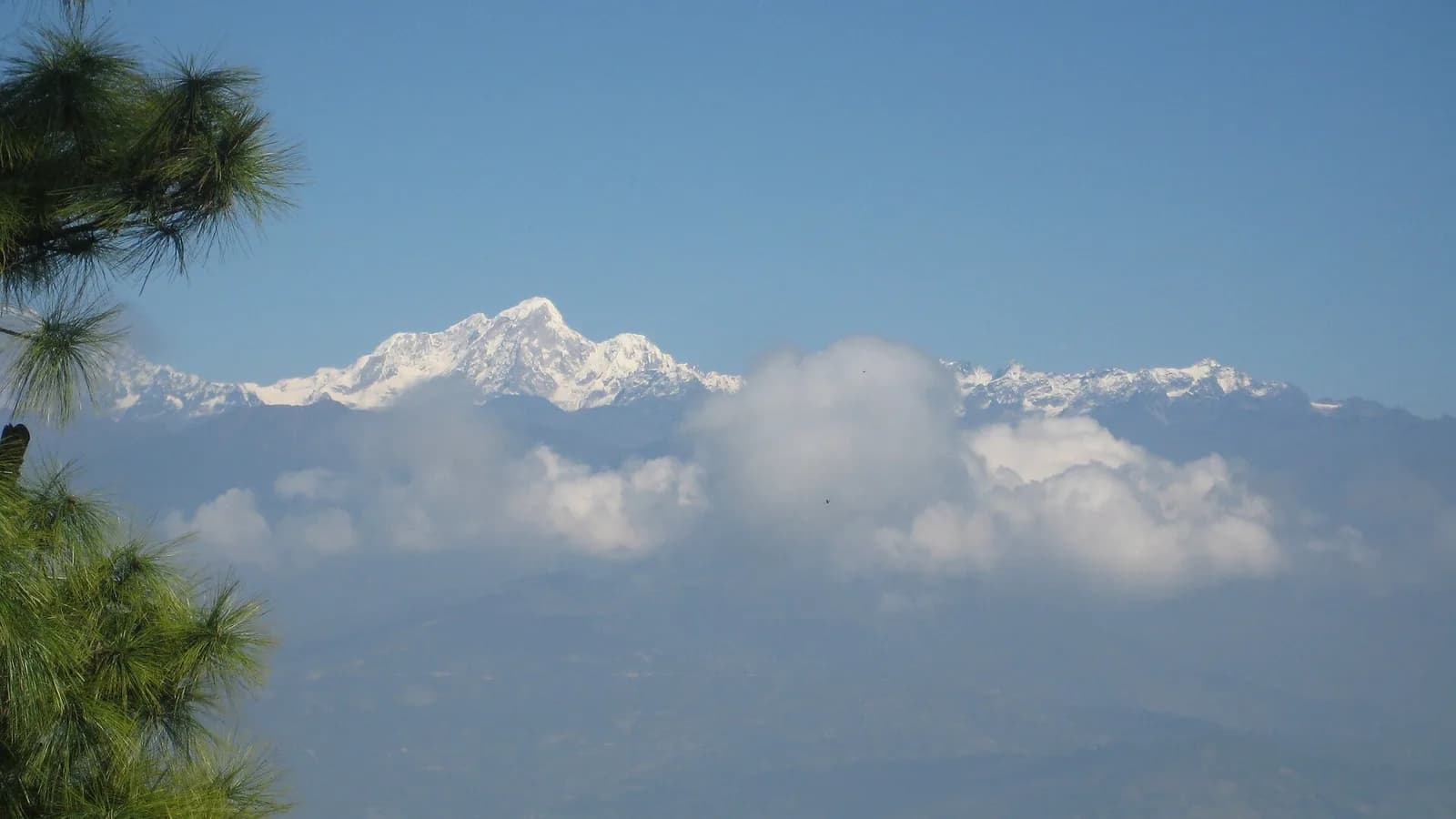
Nepal trekking is, for many travellers, the whole reason to visit the country: a chance to walk for days through the highest mountains on earth, sleep in village lodges, and reach viewpoints that no road will ever take you to. Eight of the world's fourteen 8,000-metre peaks sit inside Nepal, and a remarkable network of well-trodden trails lets ordinary, reasonably fit people get close to them without ropes, ice axes, or technical skill. This guide is the plain-English starting point: when to go, what permits and rules apply now, which routes suit a first-timer, what it costs, and how to stay safe at altitude.
Key takeaways
- The two trekking seasons are autumn (late September–November) and spring (March–May); autumn is the busiest and generally the clearest.
- Since April 2023 most foreign trekkers must hire a licensed guide through a registered agency for national parks, conservation, and restricted areas — the Everest region is the main practical exception.
- Permits vary by region: most need a conservation or national-park entry permit (commonly NPR 3,000), and many also need a TIMS card; Everest uses a local municipal permit instead.
- Independent-style trekkers commonly budget roughly USD 30–60 per day for food and lodging (as of June 2026), on top of permits, flights, and guide or porter wages.
- Altitude — not trail difficulty — is the real danger; slow ascent, proper insurance, and good water hygiene matter more than fitness.
- First-timers do best on shorter, lower routes before attempting Everest Base Camp or the full Annapurna Circuit.
What "trekking" actually means in Nepal
Trekking here is multi-day walking between villages, not mountaineering. You follow established trails, walk perhaps five to seven hours a day, and stay each night in a teahouse — a simple family-run lodge that gives you a bed and cooked meals. You do not carry a tent or food on the classic routes; the lodges handle all of that. If the word "teahouse" is new to you, the teahouse trekking guide explains exactly how the system works, from booking to the unwritten "eat where you sleep" rule.
This lodge-to-lodge model is the single biggest reason trekking in Nepal is so accessible. Your pack stays light, your costs stay low, and you walk into warm, social dining halls each evening. The main routes are physically demanding because of the distance, the up-and-down, and above all the thin air, but they require no climbing ability whatsoever.
When to go: the two trekking seasons
Nepal has two reliable trekking windows, divided by the summer monsoon and the cold of deep winter.
| Season | Months | Conditions | Crowds | |---|---|---|---| | Autumn | Late Sep–Nov | Clear skies, stable weather, crisp mountain views | Highest — peak season | | Spring | Mar–May | Warm, rhododendrons in bloom, occasional afternoon haze | High | | Monsoon | Jun–Aug | Wet, leeches, cloud-covered peaks (good for rain-shadow Mustang/Dolpo) | Low | | Winter | Dec–Feb | Cold and snowy up high; lower treks still fine | Low |
Autumn, after the monsoon has washed the air clean, is the classic choice and the busiest — the highest villages on the popular routes genuinely fill up in October and November. Spring is the second window, prized for warm days and hillsides of blooming rhododendron. For a fuller month-by-month breakdown, see the best time to visit Nepal. The popularity is real: the Annapurna region alone recorded over 244,000 trekkers in 2024 according to the Annapurna Conservation Area Project (ACAP), a new high.
The rules: guides and permits (read this before you book)
Nepal's trekking regulations changed meaningfully in 2023, and a lot of older blog posts are now wrong. Two things matter most.
The mandatory guide rule
Effective 1 April 2023, the Nepal Tourism Board ended independent solo trekking for foreigners in the country's national parks, conservation areas, and restricted areas. In those zones, non-Nepali trekkers must hire a licensed guide (or a porter-guide) booked through a government-registered trekking agency. The stated aims were safety, fewer lost-trekker rescues, and local employment.
There is one widely noted practical exception: the Everest (Khumbu) region, which runs its own local permit system and where the guide requirement has not been enforced the same way. If you are set on trekking without a guide, this is effectively the only mainstream option — and the question is covered in depth in do I need a guide for Everest Base Camp. Everywhere else, plan on a guide.
Permits by region
Permits are issued per protected area, and most are paid in Nepali rupees (NPR), in cash, either in Kathmandu/Pokhara or at trailhead checkpoints. The headline fees (all per person, foreign rates, as of June 2026):
| Region | Entry permit | TIMS card | Notes | |---|---|---|---| | Annapurna (ACAP) | NPR 3,000 | Required (NPR 2,000) | Paid at Pokhara/Besisahar or NTB office | | Everest (Sagarmatha NP) | NPR 3,000 | Not required | Plus local Khumbu permit (NPR 2,000) | | Langtang NP | NPR 3,000 | Required (NPR 2,000) | North of Kathmandu | | Manaslu (restricted) | Restricted permit + MCAP | Not required | Guide and minimum group size enforced | | Upper Mustang (restricted) | USD 500 / 10 days | Not required | Restricted-area permit, agency-arranged |
The TIMS (Trekkers' Information Management System) card is NPR 2,000 for foreign nationals and NPR 1,000 for SAARC citizens per the Nepal Tourism Board, and it is issued through registered agencies or the NTB. The Everest region dropped TIMS years ago in favour of the Khumbu Pasang Lhamu Rural Municipality permit (NPR 2,000 for the first four weeks). For the full Everest picture, see Everest Base Camp permits in 2026, and for restricted Upper Mustang, the Upper Mustang permit guide.
Choosing a route
There are dozens of treks. For a first visit, match the route to your time, fitness, and altitude tolerance rather than chasing the most famous name.
Best for first-timers
- Ghorepani Poon Hill (Annapurna foothills) — short, low, famous for its sunrise over Annapurna and Dhaulagiri. A gentle 4–5 day introduction.
- Mardi Himal — a quieter ridge trek with big views and modest altitude, increasingly popular as a beginner-friendly alternative.
- Langtang valley — close to Kathmandu, deeply scenic, and rebuilt strongly since the 2015 earthquake.
The classic big two
- Everest Base Camp — the iconic walk to the foot of the world's highest mountain, reaching about 5,364 m. It starts with a flight to Lukla and demands real acclimatisation.
- Annapurna Circuit — a longer loop crossing the high Thorong La pass (over 5,400 m), traversing a remarkable range of landscapes and cultures.
Remote and restricted
Routes like Manaslu, Upper Mustang, Dolpo, and Kanchenjunga sit in restricted areas with special permits, minimum group sizes, and mandatory agency arrangements. They reward experienced trekkers with solitude, but they are not first-trek territory.
What it costs
Trekking in Nepal is inexpensive by global mountain-travel standards, but the bill has several parts. A useful way to think about it: a daily on-trail cost, plus a set of one-off costs.
| Cost | Typical range (as of June 2026) | Notes | |---|---|---| | Food + lodging on trail | USD 30–60 / day | Rises sharply with altitude | | Permits | NPR 3,000–5,000+ per region | Plus TIMS where required | | Guide | Around USD 30–40 / day | Mandatory in most regions | | Porter | Around USD 25–30 / day | Optional; carries ~15–20 kg | | Lukla flight (Everest) | Variable, book ahead | One-off, weather-dependent |
Prices climb with altitude for a legitimate reason — every bottle and noodle packet is carried up by porter or pack animal, so a snack at 5,000 m is not a scam. Lodges almost never take cards, so carry enough rupees in cash for the whole trek. For a worked example of where the money goes on a specific route, the Annapurna Circuit vs Base Camp comparison breaks it down.
Choosing an agency or guide
Since most regions require one, picking a reputable, registered agency matters — for safety, fair porter treatment, and honest permit billing. The guide to choosing a trekking agency in Nepal covers what to check before you pay a deposit.
Staying safe: altitude is the real risk
The most important sentence in this whole guide: the danger on a Nepal trek is altitude, not the trail. Acute Mountain Sickness (AMS) can affect anyone, regardless of age or fitness, once you climb above roughly 2,500–3,000 m. Headache, nausea, dizziness, and poor sleep are warning signs that must never be pushed through by climbing higher.
The defences are simple and non-negotiable:
- Ascend slowly. Follow the "climb high, sleep low" principle and build in acclimatisation days. Most serious AMS cases come from going up too fast.
- Hydrate and rest. Drink well and do not over-exert on the climb.
- Descend if symptoms worsen. Going down even a few hundred metres is the most reliable cure.
- Carry insurance with helicopter evacuation cover. This is essential, not optional, at altitude — read the trekking insurance and helicopter-evac guide before you go.
The full symptom-and-response detail lives in the dedicated altitude sickness guide for Nepal trekking. Treat it as required reading for any route above 3,000 m.
Water, waste, and trekking responsibly
Two practical habits make you a safer and better-behaved trekker. First, never drink untreated tap or stream water — use a filter, purification tablets, or boiled water. Second, avoid buying single-use plastic bottles; discarded plastic is a real and growing problem on the busy trails, and refilling a treated bottle solves both issues at once. Tip the kitchen and your porter, stick to marked trails, and remember that on the teahouse routes your money goes straight into mountain households.
A simple plan for your first trek
- Pick a season — aim for autumn or spring.
- Choose a route that matches your fitness and days available — start modest.
- Book a registered agency and guide (required in most regions).
- Sort permits — your agency usually arranges these; budget for them.
- Train gently and pack for cold and altitude — a warm sleeping bag, layers, and a power bank.
- Buy insurance with helicopter evacuation cover.
- Walk slowly, drink treated water, and enjoy it.
Get those right and the mountains do the rest. There is very little in travel that compares to rounding a ridge on a clear autumn morning and seeing an 8,000-metre wall of rock and ice fill the sky.
Sources
- TIMS Card — Nepal Tourism Board
- Nepal bans solo trekking for tourists, guides mandatory from April 1 — The National
- Permits for Everest Base Camp Trek — Nepal Hiking Team
- Trekking Permits in Nepal 2025 — Mountain Adventure Nepal
- Record-Breaking Tourism in the Annapurna Region (ACAP 2024 data) — Mission Himalaya Treks
- Nepal trekking permits and fees (2026) — Follow Alice
Frequently asked questions
- Do I need a guide to trek in Nepal?
- Since April 2023 most foreigners must hire a licensed guide through a registered agency for national parks, conservation areas, and restricted areas. The Everest region is the main practical exception.
- What is the best time of year to trek in Nepal?
- Autumn (late September to November) and spring (March to May) are the two main seasons, with clear skies and stable weather. Autumn is the busiest and most popular.
- Is trekking in Nepal safe for beginners?
- Yes. Popular routes are well-marked, social, and supported by teahouses, but altitude is the real risk, so you must ascend slowly and carry proper travel insurance.
- How much does a trek in Nepal cost?
- Independent-style trekkers commonly spend roughly USD 30 to 60 a day on food and lodging as of June 2026, plus one-off permits, any flights, and a guide or porter.
- What permits do I need to trek in Nepal?
- It depends on the region. Most areas need a conservation or national park entry permit, and many also need a TIMS card, while the Everest region uses its own local permit instead.
- Which trek is best for a first-timer in Nepal?
- Shorter, lower routes like Ghorepani Poon Hill, the Mardi Himal trek, or the Langtang valley are gentler starts before tackling Everest Base Camp or the Annapurna Circuit.
- Do I need to be very fit to trek in Nepal?
- You need everyday hiking fitness and the patience to walk slowly for many days, not athletic training. Steady pacing matters far more than speed or raw strength.
- Can I drink the tap water while trekking?
- No, treat all water with a filter, purification tablets, or by boiling, and avoid buying single-use plastic bottles, which are a growing waste problem on the trails.
Spotted an error in this post? Tell us or suggest a correction.
Related posts
ABC Trek: A Plain-English Guide to Annapurna Base Camp
The ABC trek (Annapurna Base Camp) explained — the route, how many days it takes, difficulty, the best seasons, and what daily trail life is really like.
Read postAma Dablam Climb: 2026 Expedition Guide (6,812m)
An Ama Dablam climb and expedition guide for 2026 — height, the Southwest Ridge route, camps, fixed ropes, difficulty, permits, cost and the best seasons.
Read postAnnapurna vs Manaslu: Which Trek Should You Choose?
An Annapurna vs Manaslu decision guide for trekkers — compare permits, crowds, difficulty, infrastructure and cost to pick the right Himalayan route.
Read postAsan Bazaar Kathmandu: Old Town Market Guide
A visitor guide to Asan bazaar, Kathmandu's oldest market — its six-road square, Annapurna Temple, what to buy, when to go, and how to get there.
Read postAyurveda Nepal: A Traveller's Guide to Healing
Ayurveda Nepal explained for tourists — the history, the doshas, treatments like Panchakarma and Shirodhara, where to go and how to choose a centre safely.
Read postBest Restaurants Pokhara Lakeside: Where to Eat
The best restaurants in Pokhara Lakeside — lakeside trout, wood-fired pizza, Tibetan momos and healthy cafes, with what to order and rough 2026 prices.
Read post