EBC Trek Cost 2026: The Honest Breakdown
What the EBC trek cost really comes to in 2026 — Lukla flights, permits, guide and porter rates, lodge prices by altitude, and the fees quotes leave out.
The brochure says the big number. The mountain quietly charges you the rest, one pot of tea at a time.
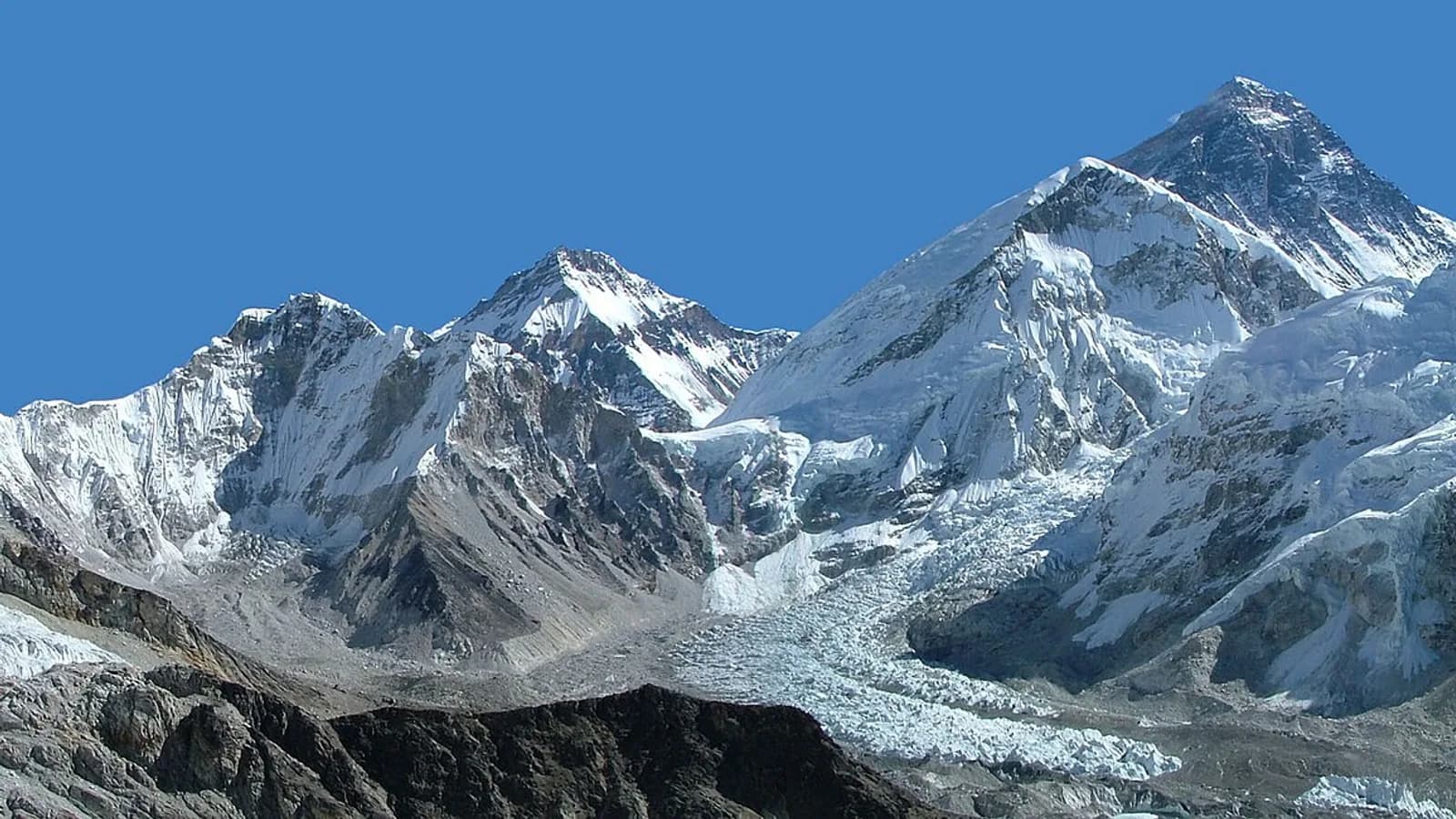
Working out the EBC trek cost for 2026 is less about one headline number and more about four buckets that each move independently: getting to the trail, permits, your day-to-day spending on the mountain, and the support-and-safety extras. Agency quotes are usually honest about the big-ticket items and quiet about the small ones — and on the Everest Base Camp trail, the small ones add up fast. This breakdown uses current, verifiable figures so you can build a budget that survives contact with Lukla weather and a teahouse tea menu.
Key takeaways
- A self-organised EBC trek with a hired guide and porter commonly totals around USD 1,400 to 1,800 all-in; a mid-tier agency package booked from abroad runs roughly USD 1,400 to 2,500 (as of June 2026).
- Foreign trekkers need two permits totalling about NPR 5,000 — the Sagarmatha National Park entry (NPR 3,000) and the Khumbu Pasang Lhamu permit (NPR 2,000). The TIMS card is not required in the Khumbu.
- The Lukla flight is the most volatile cost: roughly USD 215 to 255 one way direct, or a Ramechhap package near USD 175 plus transport in peak season.
- Daily on-trail spending climbs steeply with altitude; food, tea, hot showers, charging and wifi are where unguided budgets quietly bleed.
- Insurance with helicopter evacuation is non-negotiable — EBC is above the altitude limit of many standard policies.
- The single biggest legitimate saving on a guided trip is joining a group departure rather than booking private.
What an EBC trek actually costs in 2026
Across reputable Nepali operators, a 12 to 14-day Everest Base Camp trek broadly falls into three tiers. Treat these as orientation, not quotes — your final number depends on season, group size, and how much you spend per day on the trail.
| Trek style | Typical range (as of June 2026) | What it usually covers | |---|---|---| | Self-organised / budget | USD 1,000–1,400 | Permits, Lukla flights, teahouse beds and food; no guide or porter | | Standard guided package | USD 1,400–2,500 | Licensed guide, porter, lodging, most meals, permits, Lukla flights | | Premium / private | USD 2,500–4,000+ | Smaller groups, upgraded lodges, private guiding, extra services |
The mid-range guided figure is the one most first-timers end up paying, because it bundles the logistics that are genuinely hard to arrange from abroad. The budget tier is realistic only if you are comfortable booking flights, permits and lodges yourself on the ground.
Getting to the trail: the Lukla wildcard
There is no road to Lukla, so almost every EBC trek begins with the short, famously weather-dependent mountain flight. In 2026 the cost and even the departure airport depend on the season.
Flights and the Ramechhap shift
Direct flights from Kathmandu to Lukla run roughly USD 215 to 255 one way when they operate (as of June 2026). During the busiest trekking months — broadly April, May, October and November — most flights shift to Ramechhap (Manthali Airport), about a four-to-five-hour drive east of Kathmandu. Operators frequently sell the Ramechhap option as a package: a flight ticket near USD 175 plus around USD 20 of road transport.
| Getting-there item | Range (as of June 2026) | Notes | |---|---|---| | Kathmandu–Lukla flight (direct) | USD 215–255 one way | Subject to weather cancellations | | Ramechhap–Lukla flight + transfer | ~USD 175 + ~USD 20 | Common in peak season; shorter flight | | Hotel night in Kathmandu | USD 20–60 | Budget a spare night for delays |
Build in a buffer
The Lukla flight is the single most unpredictable line in the whole budget. Weather can ground flights for a day or more in peak season, so plan a buffer day and the cost of an extra Kathmandu hotel night. For the full route once you land, see our EBC trek itinerary.
Permits in 2026: what you actually pay
Permit rules in the Everest region are simpler than the nationwide picture suggests. For most foreign trekkers the total is about NPR 5,000 (as of June 2026):
- Sagarmatha National Park entry permit — NPR 3,000 for foreigners (NPR 1,500 for SAARC nationals; NPR 100 for Nepalis).
- Khumbu Pasang Lhamu Rural Municipality permit — NPR 2,000, paid at the local checkpoint.
Crucially, the TIMS card is not required for the Everest region. Nepal's nationwide framework ties TIMS to hiring a guide, but the Khumbu local body did not adopt that rule, so EBC trekkers pay only the two permits above. If a quote still lists a TIMS fee for Khumbu, ask why. For deeper detail and where to buy each one, see our dedicated guide to Everest Base Camp permits in 2026.
Guides and porters: rates and the solo question
What support costs
Hiring help is both a budget line and a safety decision. In 2026, expect roughly:
- Licensed guide: USD 25–35 per day.
- Porter: USD 18–30 per day, carrying up to about 20–25 kg.
On guided arrangements you, as the employer, typically also cover your staff's food and accommodation on the trail. Over a 12-to-14-day trek a porter alone can add a few hundred dollars to the total — money that meaningfully reduces strain at altitude and supports employment in Khumbu communities. Whether you need to hire anyone at all is covered in do I need a guide for the Everest Base Camp trek.
Is a guide mandatory?
From 1 April 2023, Nepal required foreign trekkers in national parks and conservation areas to use a licensed guide. The Everest region is the headline exception: the local association declined to enforce the rule, so trekking without a guide remains permitted in the Khumbu. You still need the two regional permits. Many independent trekkers hire a guide or porter-guide anyway for navigation and safety, but it is a choice here, not a legal requirement.
Tipping
Tips are customary and sit on top of daily rates — commonly a per-day amount handed over at the end of the trek. Build this into your cash plan; our guide to tipping trekking guides and porters in Nepal covers sensible amounts.
On-trail spending: where budgets quietly bleed
This is the bucket agency brochures underquote. Teahouse beds are often cheap or nominally free — but typically only if you eat dinner and breakfast at the same lodge. The real spend is food, drinks and small comforts, and prices climb sharply with altitude as everything has to be carried or flown up. The figures below are typical teahouse prices and will vary lodge to lodge.
| Item | Lower Khumbu (~Namche) | Higher Khumbu (~Dingboche+) | |---|---|---| | Plate of dal bhat | Lower | Noticeably higher | | Pot of tea | Lower | Noticeably higher | | 1L bottled / boiled water | Lower | Noticeably higher | | Hot shower | Available, modest fee | Pricier or unavailable | | Wifi / charging | Available, per-use fee | Pricier, sometimes patchy |
A practical rule of thumb many trekkers use is to budget a meaningful per-day allowance for food and extras and assume it rises as you go higher. Dal bhat is the value champion because refills are usually free — order it twice a day and you eat well for less. Above Dingboche, skipping cold or semi-warm showers is as much an altitude-safety call as a budget one. For the full picture of meals and lodging, see EBC teahouse food and accommodation.
Carry enough cash
There are no reliable ATMs in the upper Khumbu, and card payment is rare. Withdraw enough Nepali rupees in Kathmandu (or at most in Namche, where availability is limited and fees high) to cover your entire on-trail spend plus a buffer, including tips. Running short at altitude is an avoidable headache.
Insurance and the helicopter question
Everest Base Camp sits at 5,364m, above the altitude ceiling of many standard travel policies. That single fact makes specialist cover essential rather than optional.
- A helicopter rescue in the Khumbu can cost several thousand US dollars — a Namche-to-Kathmandu evacuation is often cited in the USD 3,000–5,000 range, and more remote or complex rescues can run much higher.
- Buy a policy that explicitly states coverage for high-altitude trekking to at least 6,000m and includes helicopter evacuation, with a generous medical and evacuation limit.
- Premiums for a couple of weeks of proper high-altitude cover commonly fall in the low hundreds of US dollars (as of June 2026), depending on duration and provider.
This is the one line you should never trim. The details — including how the helicopter-evacuation system is sometimes abused — are in our guide to Nepal trekking insurance and helicopter evacuation.
Putting it together: three realistic budgets
Combining the buckets above, here is how a 12-to-14-day EBC trek tends to shake out in 2026. These are planning estimates, not fixed prices.
| Scenario | Rough all-in (as of June 2026) | Notes | |---|---|---| | Self-organised, with guide + porter | ~USD 1,400–1,800 | You book flights, permits and lodges; pay daily on the trail | | Mid-tier agency package (booked abroad) | ~USD 1,400–2,500 | Logistics handled; confirm exactly what is included | | Premium / private | USD 2,500–4,000+ | Smaller groups, upgrades, more services |
Where trekkers feel overcharged is the all-inclusive package that still excludes showers, wifi, charging, snacks and tea refills — so the "everything covered" promise quietly is not. Before you sign anything, get the inclusions in writing and assume anything ambiguous is not covered.
How to lower your EBC trek cost (safely)
- Join a group departure rather than booking a private trek — generally the single biggest legitimate saving on a guided package.
- Eat dal bhat at least once or twice daily for free refills.
- Carry enough cash so you never pay panic prices or rely on scarce upper-Khumbu ATMs.
- Rent bulky gear (down jacket, sleeping bag) in Kathmandu instead of buying new for one trip.
- Consider the overland walk-in via the lower trails if you have spare days and want to sidestep Lukla flight risk — it trades time for predictability.
- Learn a few trail phrases — rapport with lodge owners and staff goes a long way. Start with our Nepali phrases every trekker should know.
Budget for the buffer day, carry the right cash, and pick the tier that matches your time and tolerance for logistics. The EBC trek cost is very manageable once you see all four buckets clearly instead of just the headline package price.
Sources
- Sagarmatha National Park — Nepal Tourism Board
- Everest Base Camp Trek Permit Guide 2025/2026 — Shikhar Adventure
- National Park Entry Fees in Nepal: A 2025 Guide — The Longest Way Home
- Changes to the Rules of Trekking in Nepal — Much Better Adventures
- Solo Trekking in the Everest Region 2025: Legal or Not? — Nepal Everest Base Camp
- Lukla Flight Guide 2026/27 — Nepal Guide Trekking
- Kathmandu to Lukla Flight Price 2026 — Pride Nepal Travel
- Best Travel Insurance for Nepal Trekking 2025/2026 — Adventure Altitude Treks
- Everest Base Camp Trek Insurance Guide 2025 — Nepal Trekking Insurance
Frequently asked questions
- How much does the EBC trek cost in total in 2026?
- A self-organised trekker hiring a guide and porter on the ground typically lands near USD 1,400 to 1,800 all-in, while a mid-tier agency package booked from abroad runs roughly USD 1,400 to 2,500 (as of June 2026).
- What permits do I need for Everest Base Camp and how much are they?
- Two permits: the Sagarmatha National Park entry at NPR 3,000 and the Khumbu Pasang Lhamu Rural Municipality permit at NPR 2,000, so about NPR 5,000 for foreigners (as of June 2026). SAARC nationals pay less.
- Do I still need a TIMS card for the Everest region?
- No. The Khumbu local body did not adopt the nationwide guide-and-TIMS rule, so the TIMS card is not required for EBC; you only need the two regional permits (as of June 2026).
- Is a guide mandatory for the Everest Base Camp trek?
- Not in the Khumbu. Nepal's April 2023 ban on solo trekking was rejected by the local association for the Everest region, so trekking without a guide remains permitted there, though many still hire one for safety.
- How much does the Lukla flight cost in 2026?
- Direct Kathmandu to Lukla flights run roughly USD 215 to 255 one way, and in peak months flights shift to Ramechhap (Manthali), often sold as a package near USD 175 plus about USD 20 road transport (as of June 2026).
- What do guides and porters cost per day?
- Expect roughly USD 25 to 35 a day for a licensed guide and USD 18 to 30 for a porter, with the trekker also covering the staff's food and lodging on guided arrangements (as of June 2026).
- Do I really need travel insurance with helicopter evacuation?
- Yes. EBC sits at 5,364m, above the limit of many standard policies, and a helicopter rescue can cost several thousand dollars, so carry cover that explicitly includes high-altitude trekking and evacuation.
- How can I lower my EBC trek cost without cutting safety?
- Join a group departure instead of a private trek, eat refillable dal bhat, carry enough cash to avoid lodge surcharges, and rent bulky gear in Kathmandu rather than buying it new.
Spotted an error in this post? Tell us or suggest a correction.
Related posts
ABC Trek: A Plain-English Guide to Annapurna Base Camp
The ABC trek (Annapurna Base Camp) explained — the route, how many days it takes, difficulty, the best seasons, and what daily trail life is really like.
Read postAma Dablam Climb: 2026 Expedition Guide (6,812m)
An Ama Dablam climb and expedition guide for 2026 — height, the Southwest Ridge route, camps, fixed ropes, difficulty, permits, cost and the best seasons.
Read postAnnapurna vs Manaslu: Which Trek Should You Choose?
An Annapurna vs Manaslu decision guide for trekkers — compare permits, crowds, difficulty, infrastructure and cost to pick the right Himalayan route.
Read postAsan Bazaar Kathmandu: Old Town Market Guide
A visitor guide to Asan bazaar, Kathmandu's oldest market — its six-road square, Annapurna Temple, what to buy, when to go, and how to get there.
Read postAyurveda Nepal: A Traveller's Guide to Healing
Ayurveda Nepal explained for tourists — the history, the doshas, treatments like Panchakarma and Shirodhara, where to go and how to choose a centre safely.
Read postBest Restaurants Pokhara Lakeside: Where to Eat
The best restaurants in Pokhara Lakeside — lakeside trout, wood-fired pizza, Tibetan momos and healthy cafes, with what to order and rough 2026 prices.
Read post