Nepal vs Peru Trekking: An Honest Comparison
Nepal vs Peru trekking compared on altitude, permits, cost, comfort and crowds — an even-handed guide to choosing the Himalaya or the Andes for your trek.
Nepal sells you weeks of teahouse-trail freedom; Peru sells you a tightly permitted walk to one unforgettable ruin — pick the trip, not the postcard.
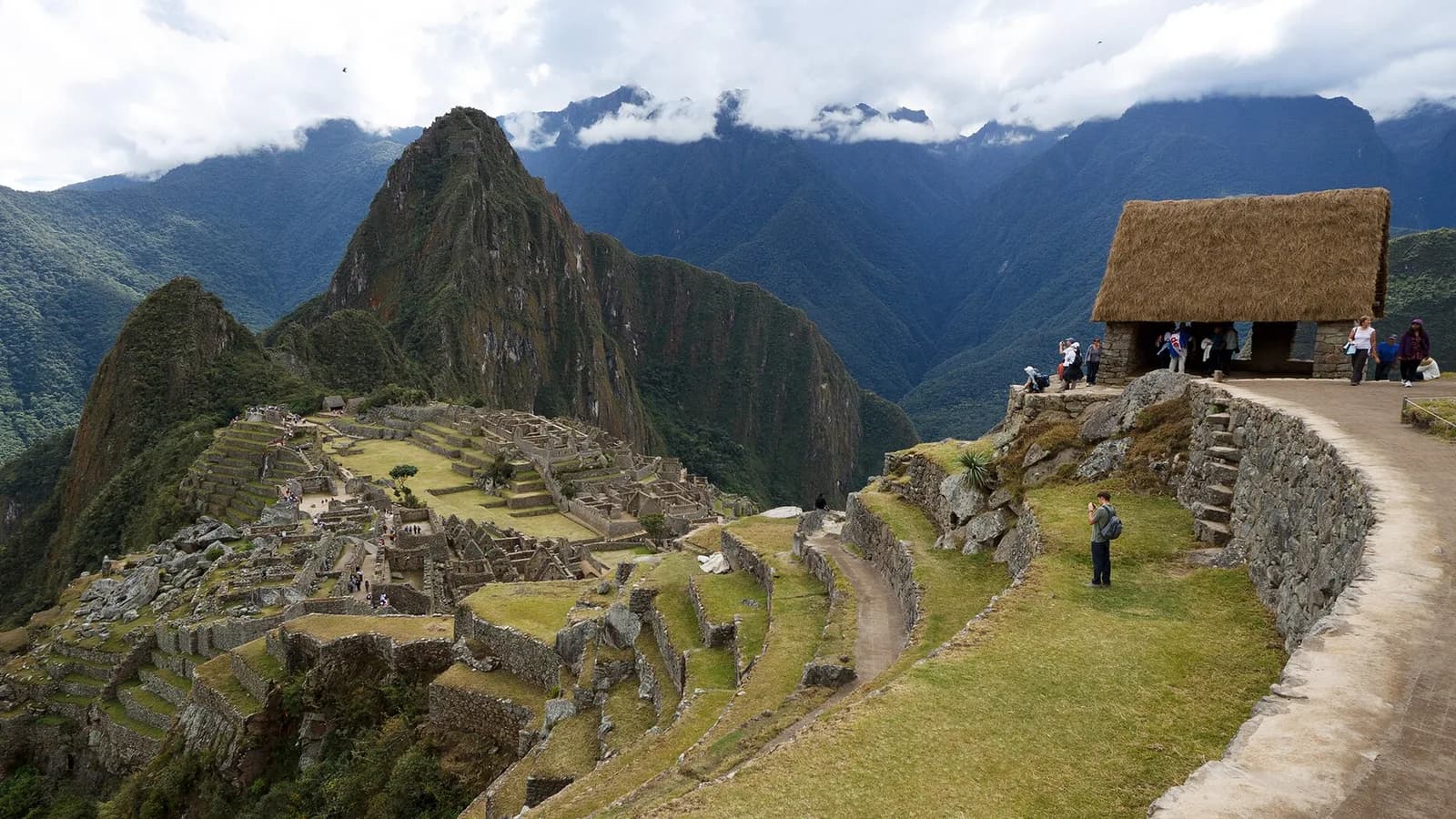
If you are weighing Nepal vs Peru trekking, you are choosing between the two most iconic mountain-walking destinations on earth — the Himalaya and the Andes. Both deliver world-class scenery, deep culture, and serious altitude. But they reward very different travellers. Nepal is built for long, flexible, comfortable trekking on a budget, where you can walk for two weeks and sleep in a lodge every night. Peru is built around one tightly controlled, bucket-list walk to Machu Picchu that you book months in advance and complete in a few supported days.
Neither is "better." They suit different timelines, budgets, and reasons for going. This guide compares them honestly on what actually decides a trek — altitude and difficulty, permits and access, cost, comfort on the trail, crowds, and timing — so you can match the destination to the trip you want. Every price here is stamped with currency and date because these figures move; confirm the latest before you book.
Key takeaways
- Nepal climbs higher and lasts longer. Everest Base Camp tops out near 5,545 m over roughly two weeks; Peru's classic Inca Trail peaks around 4,215 m in four days.
- Peru's permits are the bottleneck. The Inca Trail uses a strict daily cap and sells out months ahead; Nepal's area permits are easy to get and not capped.
- Nepal usually wins on cost and flexibility, thanks to teahouse trekking and no fixed all-inclusive package requirement.
- Comfort on the trail differs. Nepal offers lodges and cooked meals nightly on popular routes; Peru's Inca Trail is camping-based with porters.
- Both now lean guided. Peru's Inca Trail requires a licensed operator, and Nepal requires a licensed guide for foreigners in national parks and conservation areas.
- For one short, supported bucket-list walk, Peru fits; for a longer, cheaper, route-rich adventure, Nepal fits.
The 30-second decision
Choose Peru if your goal is to walk the original Inca Trail to Machu Picchu, you have a short window, you want a fully supported guided trip, and you can lock in a date many months ahead. It is the natural pick for travellers who want one unforgettable, well-organised multi-day hike with a famous payoff at the end.
Choose Nepal if you want freedom, low cost, the world's best teahouse trekking, a wide menu of routes for every fitness level, and the option to walk for two weeks or more. It suits budget travellers, first-time and repeat trekkers alike, and anyone who would rather keep plans flexible than commit to a fixed package. Our Nepal trekking overview is a good starting point.
Altitude and difficulty
This is where the two destinations separate most clearly.
Nepal routinely takes trekkers higher and keeps them there longer. The classic Everest Base Camp trek climbs to about 5,545 m at the Kala Patthar viewpoint, with Everest Base Camp itself around 5,364 m, and the route runs roughly 12 to 16 days including acclimatisation. The Annapurna Circuit crosses the Thorong La pass at about 5,416 m, one of the highest trekking passes in the world, over around two weeks. At those elevations the air holds roughly half the oxygen of sea level, which makes altitude — not steepness — the defining challenge.
Peru's signature treks sit meaningfully lower. The classic Inca Trail peaks at the aptly named Dead Woman's Pass around 4,215 m (13,829 ft) and is typically a four-day walk. The tougher alternative, the Salkantay trek, climbs higher to the Salkantay Pass at roughly 4,650 m (15,256 ft) and is longer and more physically demanding, usually about five days. Both are serious, but neither reaches the sustained high-altitude exposure of Nepal's flagship routes.
Difficulty at a glance
| Trek | Country | Max altitude | Typical days | Headline challenge | |---|---|---|---|---| | Inca Trail (classic) | Peru | ~4,215 m | ~4 | Steep stone steps, one big pass day | | Salkantay | Peru | ~4,650 m | ~5 | Longer distance, higher pass | | Annapurna Circuit | Nepal | ~5,416 m (Thorong La) | ~14 | One huge high-pass day | | Everest Base Camp | Nepal | ~5,545 m (Kala Patthar) | 12–16 | Sustained high altitude |
The pattern is clear: Peru's treks are shorter and lower; Nepal's flagships are longer and higher. That said, "harder" is route-specific. A gentle four-to-five-day Nepal trek can be easier than the Inca Trail, while Peru's Salkantay is no pushover. The honest summary is that altitude is the bigger factor in Nepal, and fitness alone does not protect you against it. See our altitude sickness on Nepal treks guide for the slow-ascent rules that keep success rates high — they apply just as well in the Andes.
Permits and access
The two countries handle permits in almost opposite ways.
Peru's Inca Trail is the most restricted famous trek in the world. A capped number of permits is released per day — only a few hundred are available to trekkers once guides, porters, and staff are counted — and they must be bought through a licensed operator, not independently. Peak-season dates (roughly May to September) often sell out within hours or days of release, so booking six to eight months ahead is normal for popular months. The trail also closes every February for maintenance. A notable 2026 wrinkle: the ticketing rules around the Inca Trail permit and Machu Picchu entry were restructured, and the two systems can operate on different sale dates, which adds booking complexity — confirm the current arrangement with your operator before you commit.
Nepal's permits are far easier. Most popular treks need an area entry permit — for example the Annapurna Conservation Area Permit (ACAP) or the Sagarmatha National Park entry for the Everest region — plus, in some areas, a TIMS card or a local rural-municipality permit. These are not capped, are tied to your passport, and can usually be arranged in Kathmandu or Pokhara within a day. The bigger access change is the guide rule (below). Our Nepal trekking permits guide has the current list and the latest fees.
The contrast is simple: Peru rations access to the Inca Trail months in advance; Nepal lets you decide on the route much closer to the day.
Cost
For most travellers, Nepal is the better value — and the reason is structural, not just lower prices.
In Peru, the marquee treks are sold as all-inclusive guided packages. A classic four-day Inca Trail tour commonly runs from several hundred to around US$2,500 per person (as of June 2026) depending on the operator, group size, and service level, with the government trail permit a small fixed share of that. Machu Picchu entry and related tickets may be separate line items under the 2026 rules. You are essentially buying a complete, staffed expedition, which is convenient but rarely cheap.
In Nepal, the dominant model is independent or lightly guided teahouse trekking, where your day-to-day costs are a bed, cooked meals, permits, and a guide's fee — with no obligation to buy a single packaged tour. That keeps the daily spend low and scalable to your budget. The practical upshot is that a careful trekker can spend many days walking in Nepal for what a single Inca Trail package costs. For realistic Nepal numbers, see the Everest Base Camp trek cost breakdown and our wider Nepal travel budget guide.
Cost model compared
| Factor | Nepal | Peru | |---|---|---| | Typical trek model | Independent / lightly guided teahouse | All-inclusive guided package | | Booking lead time | Days to weeks | Months (Inca Trail) | | Government permit | Area permits (ACAP, park entry, TIMS) | Capped Inca Trail permit via operator | | Daily spend control | High — scales to budget | Low — fixed by package | | Best value for | Budget and flexibility | One supported bucket-list walk |
If budget and flexibility drive your decision, Nepal generally wins. If you simply want the Inca Trail experience and the price is acceptable, Peru's package model is the cost of admission.
Comfort on the trail
Where you sleep and eat shapes how a trek feels day to day — and here the two diverge sharply.
Nepal is the home of teahouse trekking. On classic routes you sleep in simple lodges with hot cooked meals nearly every night, carrying only a daypack if you hire a porter. That built-in infrastructure is what makes Nepal so accessible to fit-but-inexperienced trekkers: there is a bed and a plate of dal bhat waiting at the end of most days. Our teahouse trekking in Nepal guide explains how the lodges work.
Peru's classic Inca Trail is camping-based: a porter crew carries tents and gear, sets up camp, and cooks, so you are well supported but sleeping under canvas rather than in a lodge. The Salkantay route mixes camping with some lodge and "sky-dome" stays, offering a bit more variety. Both are comfortable in the sense that staff handle the logistics, but neither matches the nightly lodge-and-restaurant rhythm of a Nepal teahouse trail.
In short: Nepal offers more standing infrastructure on the trail; Peru offers a fully staffed camp that travels with you.
Crowds and character
Both destinations are popular, and both have crowd pressure on their flagship routes.
Peru concentrates demand onto a single iconic path. The Inca Trail's daily cap limits numbers, but because everyone is funnelled toward the same four-day window to Machu Picchu, the experience is communal and the famous sites are busy. The payoff is unmatched: walking the original Inca road and arriving at Machu Picchu through the Sun Gate is a genuinely singular finish that travellers consistently rate as deeply meaningful.
Nepal spreads trekkers across a huge menu of routes and durations, so while popular trails like Everest Base Camp get crowded in peak season, you can also find quieter paths and quieter months. The character is different too: Nepal is a living trail culture of Sherpa, Gurung, Magar, and other communities, with beginner-friendly treks sitting alongside high, remote adventures. The cultural texture is woven into the daily walk rather than concentrated at one endpoint.
If you want a single, legendary destination walk, Peru delivers it. If you want variety, choice, and the ability to dodge the crowds, Nepal has more room to roam.
When to go
Both destinations reward the dry season, but their calendars differ slightly.
For Nepal, the prime windows are spring (March to May) and autumn (late September to November), when skies are clearest and the high passes are most reliably open. Autumn is peak trekking season after the monsoon, with exceptional visibility; spring adds rhododendron blooms across the hills. Avoid the summer monsoon for mountain views. Our best season to trek in Nepal guide has the full breakdown.
For Peru, the dry season runs roughly May to September, which is the most reliable time for the Inca Trail and Salkantay. The wet season brings more rain and slippery trails, and — crucially — the Inca Trail closes every February for maintenance, so a February visit means choosing an alternative route. Peak dry-season permits also sell out fastest, which loops back to booking early.
The overlap is useful if you are deciding between the two for a particular travel window: roughly May and September–October are strong in both, though Nepal's clearest months skew slightly later in autumn.
Do you need a guide?
This has become a key similarity rather than a difference.
Peru's Inca Trail has long required trekkers to go with a licensed guide and operator — independent walking on the classic route is not permitted. The Salkantay trek is less restricted and can be arranged more flexibly, but most travellers still join an organised trip.
Nepal moved in the same direction. Under a rule introduced in 2023 and enforced since, foreign trekkers are generally required to hire a licensed guide when trekking in national parks and conservation areas, arranged through a registered agency. Separately, in 2026 Nepal eased the old two-person minimum for restricted-area permits so solo foreigners can apply individually, though a licensed guide and registered agency remain mandatory in those restricted zones. Our do I need a guide to trek in Nepal guide covers the current rules.
The bottom line: plan on a licensed guide in both countries for the headline routes. Peru's Salkantay offers a little more independence than the Inca Trail, but neither destination is the free-for-all that backpackers remember from years past.
Which should you choose?
Pick Peru if you want to walk the original Inca Trail to Machu Picchu, you have a short, fixed window, you want a fully supported guided package, and you can book many months ahead. It is the right call for a single, legendary, well-organised bucket-list trek with an iconic finish.
Pick Nepal if you want freedom, lower cost, teahouse comfort, a wide range of routes from gentle to extreme, and the ability to walk for two weeks or more without committing to one packaged tour. It is the natural choice for budget travellers, repeat trekkers, and anyone who values flexibility and altitude over a single famous endpoint.
For many travellers the two are not even rivals but different chapters: Peru for the iconic short walk, Nepal for the long Himalayan immersion. If you are also weighing Nepal against its neighbours, our Nepal vs Bhutan comparison is a useful companion read. Whichever you choose, match the destination to the trip you actually want — the time you genuinely have, the budget you can spend, and the altitude you are honestly comfortable with — and both the Himalaya and the Andes will reward you.
Sources
- Inca Trail Permits & Availability 2026 — Alpaca Expeditions
- Inca Trail Budget Guide 2026: Complete Cost Breakdown — Peru Explorer
- 2026 Machu Picchu Tickets and Inca Trail Hiking Permits — Adios Adventure Travel
- Salkantay Trek vs Inca Trail — Much Better Adventures
- Inca Trail vs Salkantay: Which Is Best? — Journey by Backpack
- Everest Base Camp Trek 14 Days: Itinerary, Cost, Altitude — Ace the Himalaya
- Everest Base Camp Trek vs Annapurna Circuit — Himalayan Recreation
- Nepal Trekking Permits 2026: Costs, Rules and What's Changed — Mountain Kick
- Solo Trekking in Nepal Restricted Areas Now Allowed (March 2026) — Sherpa Expedition & Trekking
Frequently asked questions
- Is Nepal or Peru harder for trekking?
- It depends on the route, but Nepal's flagship treks generally climb higher and last longer. The Everest Base Camp trek tops out near 5,545 m at Kala Patthar over about two weeks, while Peru's classic Inca Trail peaks around 4,215 m over four days. Peru's tougher Salkantay route reaches roughly 4,650 m, still below Nepal's high passes, so altitude tends to be the bigger challenge in Nepal.
- Do I need a permit to trek in Nepal or Peru?
- Both require permits, but the systems differ. Peru's Inca Trail uses a strict daily cap and sells out months ahead, and it must be booked through a licensed operator. Nepal uses area permits like ACAP or the Sagarmatha National Park entry, which are easy to obtain and not capped, though a licensed guide is now generally required for foreign trekkers in national parks and conservation areas.
- Which is cheaper, trekking in Nepal or Peru?
- Nepal is usually the better value, mainly because teahouse trekking lets you walk for days on a modest daily budget without a fixed tour. Peru's signature treks are sold as all-inclusive guided packages, and a four-day Inca Trail tour commonly runs from several hundred to a couple of thousand US dollars per person (as of June 2026) depending on the operator and group size.
- How many days do these treks take?
- Peru's classic Inca Trail is typically four days, with shorter two-day and longer Salkantay options of about five days. Nepal's famous treks run longer: Everest Base Camp is roughly 12 to 16 days including acclimatisation, and the Annapurna Circuit traditionally takes around two weeks, though shorter Nepal treks of four to five days also exist.
- Where do you sleep on the trail in each country?
- Nepal is famous for teahouse trekking, meaning you sleep in simple lodges with cooked meals nearly every night on popular routes. Peru's Inca Trail is camping-based with porters carrying the gear, while the Salkantay route mixes camping with some lodges, so Nepal generally offers more built-in comfort on the trail itself.
- Can you trek independently in either country?
- Largely no in both now. Peru's Inca Trail has long required a licensed guide and operator, and Nepal introduced a rule that foreign trekkers hire a licensed guide in national parks and conservation areas. Peru's Salkantay route is less restricted and can be arranged more flexibly, but most travellers still join a guided trip.
- When is the best time to trek in Nepal versus Peru?
- Both favour the dry seasons. In Nepal, spring from March to May and autumn from late September to November bring the clearest mountain views. In Peru, the dry season runs roughly May to September, and the Inca Trail closes every February for maintenance, so plan around that closure if Peru is your pick.
- Is altitude sickness a risk on both?
- Yes, on the higher routes in both countries. Nepal's sustained high-altitude treks like Everest Base Camp and the Annapurna Circuit's Thorong La pass carry real acute-mountain-sickness risk, and Peru's passes above 4,000 m do too. The defence is the same everywhere: ascend gradually, build in rest days, hydrate, and descend if symptoms worsen.
- Should a first-time trekker choose Nepal or Peru?
- Peru's classic Inca Trail is a strong first big trek because it is short, fully supported and ends at Machu Picchu, but it must be booked far ahead. Nepal suits first-timers who want a longer adventure and more route choices, including gentle four-to-five-day options, with cheaper logistics and beds on the trail. Both are achievable with reasonable fitness and sensible acclimatisation.
Spotted an error in this post? Tell us or suggest a correction.
Related posts
How to Choose the Best Trekking Agency in Nepal (2026)
A practical buyer's guide to choosing a trekking agency in Nepal: TAAN registration, the licences to check, fair pricing, and the red flags to avoid.
Read postNepal Holiday Packages: How to Choose One in 2026
A practical guide to Nepal holiday packages — what they include, typical itineraries, costs, permits, the best seasons and how to compare operators.
Read postNepal Tour Packages: What's Inside & How to Choose
A practical guide to Nepal tour packages — what they include, typical routes, costs to verify, and how to book a licensed operator without overpaying.
Read postNepal Trekking Company: What They Do & How to Book
What a Nepal trekking company actually does — permits, guides, porters, logistics and rescue — plus local vs international booking and how to book well.
Read postABC Trek: A Plain-English Guide to Annapurna Base Camp
The ABC trek (Annapurna Base Camp) explained — the route, how many days it takes, difficulty, the best seasons, and what daily trail life is really like.
Read postAma Dablam Climb: 2026 Expedition Guide (6,812m)
An Ama Dablam climb and expedition guide for 2026 — height, the Southwest Ridge route, camps, fixed ropes, difficulty, permits, cost and the best seasons.
Read post