Trekking in Nepal: How to Choose Your First Route
A decision-first take on trekking in Nepal: how to match a route to your fitness and days, plus the planning mistakes first-timers make most.
The best trek in Nepal is not the most famous one — it is the one that matches your days, your legs, and your tolerance for thin air.
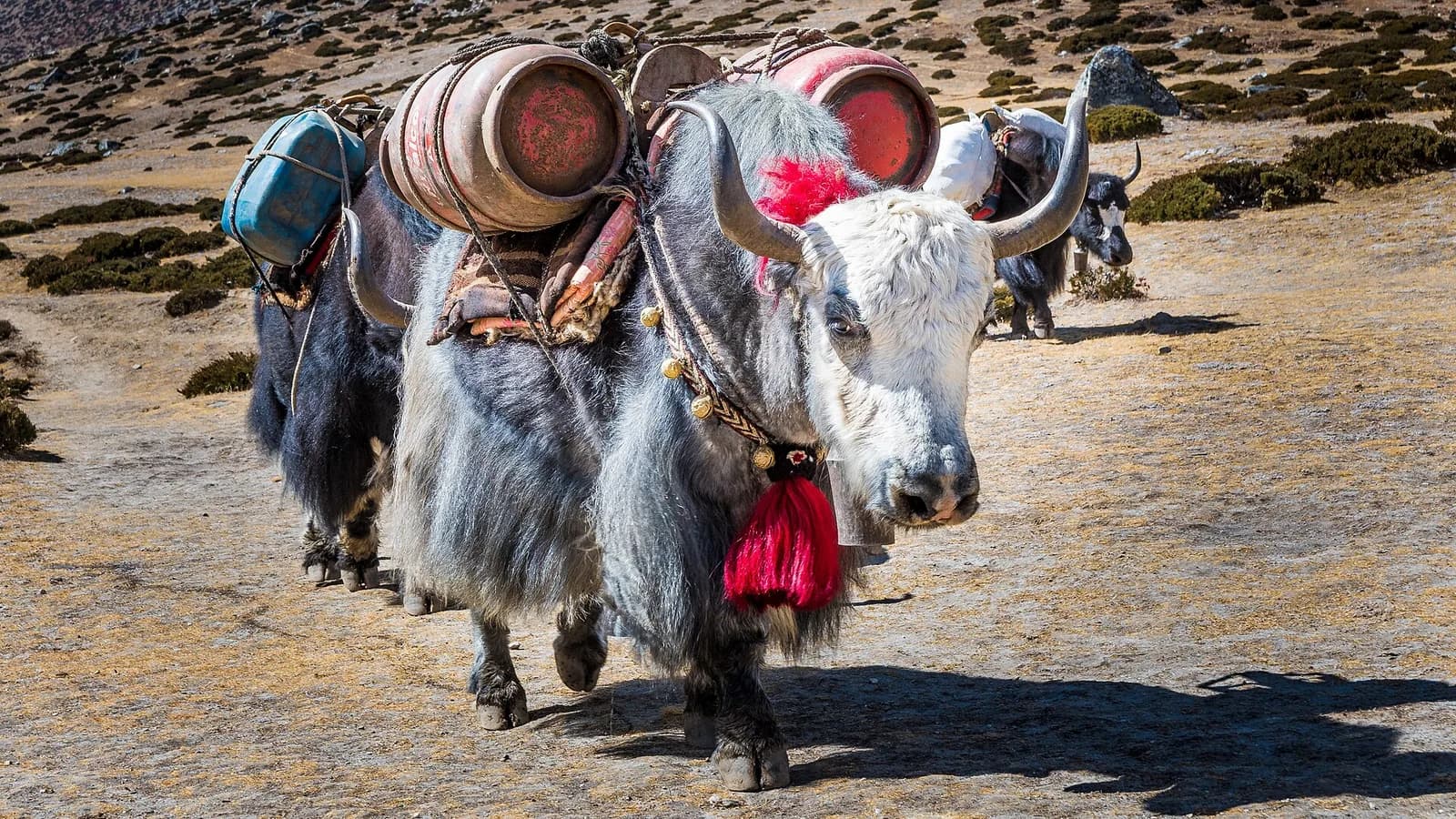
Trekking in Nepal is rarely a question of whether the mountains are worth it — they are — but of which walk to actually book. With dozens of routes, a famous "big two," and a wall of agency marketing all competing for attention, the hardest part of planning a first trek is choosing well. This guide is deliberately decision-first: it helps you match a route to your real fitness, your available days, and your tolerance for altitude, and then flags the planning mistakes that most often spoil a first Himalayan trip. For the full nuts-and-bolts walkthrough of seasons, permits, costs, and teahouse life, our companion guide to trekking in Nepal is the place to start; this article sits alongside it and focuses on the choice itself.
Key takeaways
- The famous routes are usually the hardest. Everest Base Camp and the Annapurna Circuit go highest and take longest, so they are not automatically the best first trek.
- Match the route to three things — your spare days, your everyday hiking fitness, and your altitude tolerance — rather than to the name you recognise.
- Foothill treks (Poon Hill, Mardi Himal, Langtang) deliver huge views with far less altitude risk and are ideal first walks.
- Altitude sickness is tied to how fast you climb, not how fit you are; a slow itinerary with buffer days is the single best safeguard.
- Since April 2023 a licensed guide is required for foreigners in most regions, and that rule is now actively checked at trail checkpoints.
- Autumn and spring are the two prime windows; both beat the cloudy monsoon for mountain visibility.
Start with the choice, not the brochure
Most first-timers begin by picturing the destination — Everest Base Camp, usually — and work backwards. A better approach is to begin with your own constraints and let them narrow the field. Three questions do almost all the work:
- How many days do you genuinely have on the ground? Count only the days you can spend walking, after arrival, acclimatisation, and a buffer for delays.
- How much multi-day walking have you actually done? A weekend hiker and a regular long-distance walker should not pick the same route.
- How does your body handle altitude? Most people do not know until they try, which is itself an argument for starting lower.
Answer those honestly and the "best trek in Nepal" stops being a single famous answer and becomes a shortlist that fits you. Demand for the popular regions is enormous — the Annapurna Conservation Area Project recorded around 246,575 foreign visitors between January and October 2025, a record, and the region has welcomed more than 2.6 million foreign tourists over the past 25 years — so the trails are well supported, but that also means the headline routes can feel crowded in peak season.
Match the route to your days
Time is the constraint people misjudge most, usually by forgetting that mountain flights get delayed and that the first day in Kathmandu is rarely a walking day. Use the ranges below as planning anchors, then add one or two buffer days on top.
| Days available | Realistic options | Notes | |---|---|---| | 3–5 walking days | Ghorepani Poon Hill, short foothill loops | Big sunrise views, low altitude, easy from Pokhara | | 6–10 days | Annapurna Base Camp, Langtang valley, Mardi Himal | Classic "first big trek" length | | 11–14 days | Everest Base Camp, Annapurna Circuit | High passes or high base camps; needs acclimatisation days | | 15+ days | Manaslu, Upper Mustang, Kanchenjunga, Dolpo | Restricted areas; agency, guide, and group required |
The Everest region adds a fixed complication: it usually begins with a flight to Lukla that is notoriously weather-dependent, so a tight schedule can collapse if the planes are grounded. If you are short on days or nervous about that flight, the Annapurna and Langtang regions are reached by road and are far more forgiving of a fixed return date.
Match the route to your fitness — and your altitude tolerance
Two different things get muddled here, and separating them is one of the most useful moves in trek planning.
Fitness is about endurance, not athleticism
You do not need to train like a mountaineer. What the popular routes ask for is the stamina to walk five to seven hours a day, on uneven ground, with ascents and descents, for several consecutive days. Everyday hill-walking fitness and the patience to go slowly will see most reasonably active people through. Our broader trekking in Nepal guide covers the day-to-day rhythm of teahouse walking in more detail.
Altitude tolerance is separate — and partly unknowable in advance
Crucially, fitness does not protect you from altitude sickness. A peer-reviewed study of trekkers in the Nepali Himalaya found that the incidence of acute mountain sickness (AMS) rose steeply with elevation: roughly nil at 2,500–3,000 m, about 10% at 3,000–4,000 m, around 15% at 4,000–4,500 m, and jumping to roughly half of trekkers at 4,500–5,000 m — with an abrupt rise above 4,500 m. The same research found that people who developed AMS had, on average, climbed higher in the preceding 72 hours than those who did not. In other words, how fast you go up matters more than how fit you are. This is the strongest practical reason for a first-timer to favour a lower route, or to build a generous, slow profile into a high one. For the symptoms, prevention, and what to do, read our dedicated altitude sickness guide for Nepal trekking before committing to anything above about 3,000 m.
The shortlist: good first treks
These routes consistently suit first-timers because they balance scenery against altitude and length.
Gentle introductions
- Ghorepani Poon Hill — a short foothill trek famous for its sunrise panorama over the Annapurna and Dhaulagiri ranges. Low, social, and easily reached from Pokhara; a four-to-five-day taste of the Himalaya.
- Mardi Himal — a quieter ridge walk with outsized views and modest altitude, increasingly chosen as a calmer alternative to the busy classics.
- Langtang valley — close to Kathmandu, scenically rich, and rebuilt strongly since the 2015 earthquake. A strong pick when time is tight.
The famous "big two" (plan more carefully)
- Everest Base Camp — the iconic walk to about 5,364 m, beginning with the Lukla flight and demanding real acclimatisation. Fit beginners complete it every season, but it is long, cold, and high.
- Annapurna Circuit — a longer loop crossing the high Thorong La pass at over 5,400 m, traversing a remarkable spread of landscapes and cultures. Our Annapurna Circuit vs Base Camp comparison helps you choose between the loop and the shorter sanctuary trek.
Remote and restricted (not first-trek territory)
Manaslu, Upper Mustang, Dolpo, and Kanchenjunga sit in restricted areas with special permits, minimum group sizes, and compulsory agency arrangements. They reward experienced trekkers with solitude and culture, but they are a poor choice for a first visit.
The rules that shape your options
Two regulatory facts narrow the field before you even pick a trail, and a lot of older blog posts get them wrong.
A guide is now required in most regions
Since 1 April 2023, foreign trekkers must hire a licensed guide — booked through a government-registered agency — to enter Nepal's national parks, conservation areas, and restricted areas. The aims were safety, fewer lost-trekker rescues, and local jobs. Reporting through 2025 indicates this is now actively enforced at trail checkpoints, where staff verify your guide's licence and permit. The Everest (Khumbu) region remains the main practical exception, as local authorities have largely run their own permit system; if trekking without a guide is essential to you, that is effectively the only mainstream option, and our piece on whether you need a guide for Everest Base Camp covers it.
Permits are per region, and the old solo TIMS card is gone
Each protected area has its own entry permit, and the independent ("green") TIMS card that solo trekkers once used has effectively been retired in favour of agency-issued cards tied to a guided booking. The figures below are headline foreign rates for planning only; confirm them at booking, since fees are set by the authorities and change.
| Region | Main entry permit | Foreign fee (as of June 2026) | Notes | |---|---|---|---| | Annapurna | ACAP | NPR 3,000 | TIMS where required; reached by road from Pokhara | | Everest | Sagarmatha National Park | NPR 3,000 | Plus a local Khumbu municipality fee paid at Lukla | | Langtang | Langtang National Park | NPR 3,000 | North of Kathmandu | | Restricted areas | Restricted-Area Permit | Higher, varies | Agency, guide, and minimum group required |
The TIMS card itself is listed by the Nepal Tourism Board at NPR 2,000 for non-SAARC foreigners and NPR 1,000 for SAARC nationals. For the full permit picture and the latest process, see our Nepal trekking permits guide.
Five mistakes first-timers make
Most first-trek regrets trace back to the same handful of avoidable errors.
1. Choosing the name, not the route
Picking Everest Base Camp because it is famous, when your days, fitness, or altitude tolerance point to a foothill trek, is the classic error. A well-matched shorter walk almost always makes a better first trip than an over-reaching famous one.
2. Ascending too fast and skipping buffer days
Because AMS tracks the rate of ascent, a rushed itinerary is both the health risk and the reason people fail to finish. Build in acclimatisation days, follow "climb high, sleep low," and leave one or two spare days before any onward international flight to absorb a delayed mountain flight.
3. Treating insurance as optional
Standard travel policies often exclude high-altitude trekking and helicopter rescue — exactly what you might need. Buy a policy that names trekking at your route's altitude and includes helicopter evacuation. Our guide to Nepal trekking insurance and helicopter evacuation explains the fine print to check.
4. Underestimating cash and cold
Mountain teahouses are cash-only and ATMs are scarce above the trailhead, so withdraw enough Nepali rupees in Kathmandu or Pokhara for the whole trek. Nights are cold even in the warm seasons; pack proper layers, as set out in our Nepal trekking packing list.
5. Going in the wrong season
The monsoon (June–August) hides the peaks behind cloud on most routes, and deep winter closes high passes. Aim for autumn (late September–November) for the clearest skies or spring (March–May) for warmth and blooms; the trade-offs are laid out in our best time to visit Nepal guide.
A simple way to decide
If you want a single rule of thumb: pick the lowest, shortest route that still excites you, then add buffer days. A first-timer with ten days and ordinary hiking fitness is almost always happier on Annapurna Base Camp or Langtang than on a rushed dash to Everest Base Camp. Once you have a season and a shortlist, hand the permit paperwork and guide booking to a reputable registered agency, learn a few words of the language — a warm namaste opens doors, and our Nepali phrases every trekker should know covers the rest — and let the mountains do what they do best.
Sources
- Nepal Tourism Board — TIMS Card
- Everest Hikes — Annapurna Trekking Region Records Historic Growth in Foreign Visitors (ACAP data)
- Explore All About Nepal — Annapurna Circuit 2025 Breaks Record: 246,000 Visitors in 10 Months
- Places Nepal — Current Nepal Trekking Rules 2025: Permits, Guides & Solo Trek Restrictions
- PubMed — Acute mountain sickness and ascent rates in trekkers above 2500 m in the Nepali Himalaya
- Follow Alice — Nepal trekking permits and fees (2026)
Frequently asked questions
- Which is the best first trek in Nepal?
- For most first-timers a short, lower route such as Ghorepani Poon Hill, Mardi Himal, or the Langtang valley is the smartest start, because they deliver big Himalayan views without the high passes and long acclimatisation of Everest Base Camp or the full Annapurna Circuit.
- How many days do I need for a trek in Nepal?
- Allow about four to five days for a foothill trek like Poon Hill, seven to ten days for Annapurna Base Camp or Langtang, and twelve to fourteen days for Everest Base Camp or the Annapurna Circuit, and then add buffer days for weather-delayed mountain flights.
- Do I still need a guide to trek in Nepal in 2026?
- Since April 2023 foreign trekkers must hire a licensed guide through a registered agency for national parks, conservation areas, and restricted areas, and that rule is now checked at trail checkpoints. The Everest region remains the main place where enforcement has been looser.
- Is the most famous trek the hardest one?
- Often, yes. Everest Base Camp and the Annapurna Circuit are the best-known names but they go highest and take longest, so picking a quieter, lower route for a first visit usually means a more enjoyable and safer trip.
- What is the most common mistake first-time trekkers make?
- Ascending too fast for the altitude and leaving no buffer days. Altitude sickness is tied closely to how quickly you climb, so a relaxed itinerary with acclimatisation days protects both your health and your chance of finishing.
- How fit do I need to be for a Nepal trek?
- You need everyday hiking fitness rather than athletic training. If you can walk five to seven hours a day on uneven ground for several days in a row you can manage the popular routes, and steady slow pacing matters far more than speed.
- Can beginners do Everest Base Camp?
- Fit beginners do complete Everest Base Camp every season, but it is long, cold, and high, so it rewards people who have done some multi-day hiking first and who build in proper acclimatisation days rather than rushing.
- When is the best time to go trekking in Nepal?
- Autumn from late September to November gives the clearest skies and is the busiest season, while spring from March to May brings warm days and rhododendron blooms. Both are far better than the cloudy monsoon for mountain views.
Related posts
ABC Trek: A Plain-English Guide to Annapurna Base Camp
The ABC trek (Annapurna Base Camp) explained — the route, how many days it takes, difficulty, the best seasons, and what daily trail life is really like.
Read postEBC Trek: What 'EBC' Means & Quick Orientation
Confused by 'EBC trek'? Here is what EBC means, how high it is, what it costs, and the season, permit and Lukla basics for the Everest Base Camp trek.
Read postEverest Base Camp Trek: A Complete 2026 Guide
Plan the Everest Base Camp trek with this 2026 guide to routes, permits, seasons, altitude, costs, fitness, and the Lukla flight — all in plain English.
Read post