Newar People: Culture, Food, Festivals of Kathmandu Valley
A respectful guide to the Newar people of the Kathmandu Valley — their language, religion, art, festivals and famous cuisine, with 2021 census figures.
The carved temples, brick courtyards and chariot festivals of the Kathmandu Valley are not a backdrop to Nepali culture — they are the living world the Newars built.
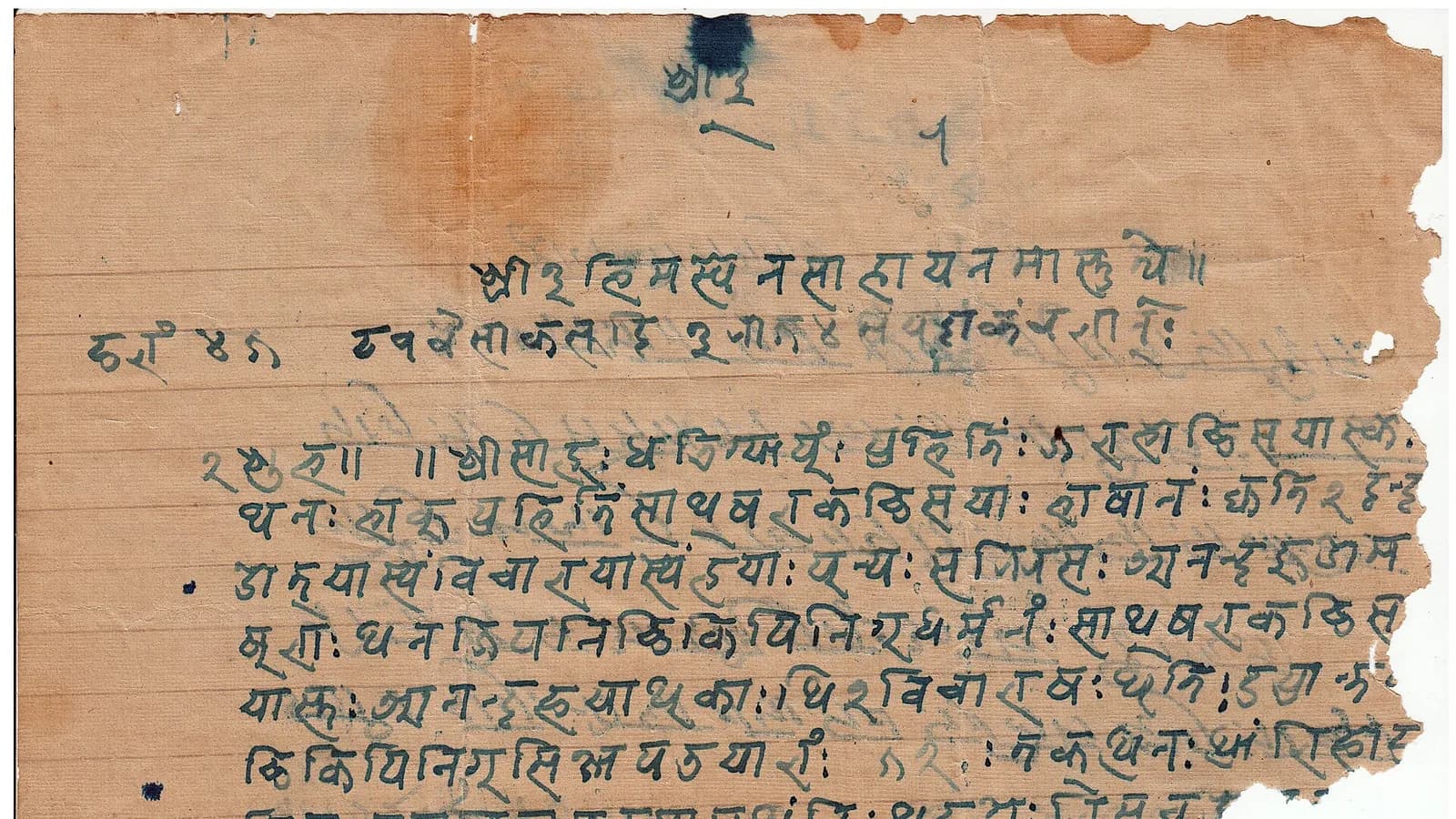
The Newar people are the indigenous community of the Kathmandu Valley, and in a very real sense they are the builders of the Nepal that most visitors picture: the tiered pagoda temples, the carved wooden windows, the brick-paved courtyards and the dense calendar of chariot festivals. Long before Kathmandu became a national capital, the Newars had shaped the valley into a constellation of city-states famous across Asia for art, trade and craftsmanship. This guide is a respectful introduction to who the Newars are — their language, religion, social institutions, art and the celebrated cuisine that still defines the old city.
Newar culture is not a museum piece. It is lived daily in the lanes of Patan and Bhaktapur, in family kitchens, and in the great public festivals that still shut down whole neighbourhoods. If you have wandered Kathmandu Durbar Square or eaten in the old town, you have already brushed against it.
Key takeaways
- The Newars are the indigenous people of the Kathmandu Valley, with their own language, Nepal Bhasa, and a distinct civilisation of art and architecture.
- Nepal's 2021 census recorded 1,341,363 Newars (about 4.6 percent) of the population — the eighth-largest group nationally, and the largest within Kathmandu.
- Newar society blends Hinduism and Buddhism to a degree found almost nowhere else, often within the same families and shrines.
- The community built the valley's pagoda temples, palace squares and woodcarving traditions, several of which are UNESCO World Heritage Sites.
- Newar cuisine — samay baji, chatamari, yomari, choila and juju dhau — is older and more elaborate than mainstream Nepali food.
- A rich festival calendar (Indra Jatra, Bisket Jatra, Rato Machhindranath, Mha Puja) structures the year, much of it organised through community guthi trusts.
Who the Newars are
The Newars are the original inhabitants of the Kathmandu Valley and the hills around it, with their historic heartland in the three royal cities of Kathmandu, Lalitpur (Patan) and Bhaktapur, along with smaller towns such as Kirtipur, Thimi, Banepa, Panauti and Dhulikhel. Rather than a single tribe, the Newars are better understood as a community defined by a shared language, territory and culture, drawing together people of both Indo-Aryan and Tibeto-Burman descent over many centuries.
According to Nepal's 2021 census, there are 1,341,363 Newars, about 4.6 percent of the national population, ranking them the eighth-largest group in the country. That figure understates their footprint in the valley itself, where Newars remain the single largest community in Kathmandu and form the cultural core of Patan and Bhaktapur.
Much of the architecture and art that the world associates with Nepal was created under the Malla dynasty, whose kings ruled the valley's city-states and were great patrons of the arts before the Gorkha conquest unified the country in 1769. The competitive splendour of those rival courts is exactly why three small cities ended up with so many palaces, temples and works of art.
Language: Nepal Bhasa
The Newar language, Nepal Bhasa (often simply called Newari), is a Sino-Tibetan language with one of the richest literary traditions in the Himalaya, used for centuries in poetry, drama, chronicles and religious texts. It has historically been written in several scripts, the best known being the elegant Ranjana script, which is still used decoratively and in Buddhist contexts across Asia.
Nepal Bhasa remains central to Newar identity, but it faces pressure. The 2021 census recorded roughly 863,000 mother-tongue speakers nationwide, and the share of valley residents speaking it has fallen sharply over the past century as Nepali has become dominant in schools and public life. Community efforts to teach and publish in Nepal Bhasa are part of a wider movement to keep the language alive.
A living blend of Hinduism and Buddhism
One of the most remarkable features of Newar society is the way Hinduism and Buddhism coexist — not as separate communities, but interwoven through the same streets, festivals and even households. The 2011 census recorded about 87 percent of Newars as Hindu and roughly 11 percent as Buddhist, but those labels conceal how blurred the boundary is in practice. Many deities, temples and rituals are shared, and a single family may take part in both traditions.
This is the world that produced the Kumari, the living goddess: a young girl, chosen from the Newar community, venerated as an embodiment of the goddess Taleju (a form of Durga). The most famous Kumari lives beside Kathmandu's Durbar Square, but Patan, Bhaktapur and other towns have their own. Newar Buddhism, meanwhile, preserves its own priestly castes — the Bajracharya and Shakya — who maintain courtyard monasteries known as bahals throughout Patan in particular, which has long had the valley's largest Buddhist Newar population.
To understand the wider religious landscape these traditions sit within, see our overview of religion in Nepal and our guide to Buddhism in Nepal.
Art, architecture and craftsmanship
If there is one thing the Newars are world-famous for, it is building and making. The valley's signature multi-roofed pagoda temple is often said to have originated here, and the Newar mastery of brick, timber and metal turned three small cities into open-air galleries.
Woodcarving and metalwork
Newar artisans are renowned for intricately carved wooden windows, struts and doorways, the bronze and copper repoussé work of Patan's metalsmiths, and fine masonry in brick. The tradition is old and prestigious: the 13th-century Newar artist Arniko led a team of craftsmen to the court of Kublai Khan and is credited with the white stupa at Beijing's Miaoying Temple, spreading Himalayan artistic style across Asia.
The valley's heritage cities
Each of the three cities has its own character. Bhaktapur is famous for its woodcarving and predominantly Hindu character; Patan (Lalitpur) is the centre of Buddhist Newar life and metal arts; and Kathmandu's old core holds the original Durbar Square. Several of these monument zones are inscribed as UNESCO World Heritage Sites. For visitor guidance, our dedicated pages on Patan (Lalitpur), the Bhaktapur day trip and UNESCO sites in Nepal go into more depth.
Newar cuisine
Newar food is one of the great culinary traditions of the Himalaya, and noticeably distinct from the dal-bhat-and-momo menu most travellers encounter. Because the cuisine matured before chillies, potatoes and tomatoes arrived from the Americas, many dishes rely on older building blocks — beaten rice, buffalo, soybeans, mustard oil, ginger and fermented vegetables — in combinations that taste deeper and more complex.
| Dish | What it is | |---|---| | Samay baji | A ceremonial platter of beaten rice, choila, egg, beans, fritters and pickles | | Chatamari | A thin rice-flour crepe topped with meat, egg and herbs, sometimes called "Newari pizza" | | Yomari | A steamed sweet dumpling of rice flour filled with jaggery and sesame | | Bara | A savoury fried lentil patty, sometimes topped with egg | | Choila | Spiced grilled buffalo tossed with mustard oil and garlic | | Juju dhau | Bhaktapur's rich, creamy "king of yoghurts" set in clay pots |
For a full tour of where to eat these in the old city, we have a dedicated Newari food in Kathmandu guide. Many of these dishes are tied to specific festivals — yomari, for instance, belongs to the midwinter Yomari Punhi celebration of the rice harvest.
Festivals and the Guthi system
The Newar year is structured by an extraordinary density of festivals (jatras), many involving towering chariots hauled through the streets. The highlights include:
- Indra Jatra (Yenya) in Kathmandu, when the Kumari is paraded and masked dances fill Durbar Square — see our Indra Jatra guide.
- Bisket Jatra in Bhaktapur, a vigorous new-year chariot festival — see our Bisket Jatra guide.
- Rato Machhindranath, Patan's long chariot festival for the god of rain and harvest.
- Gai Jatra, the cow festival commemorating the dead with humour and procession — see our Gai Jatra guide.
- Mha Puja, the "worship of the self" that opens the Newar new year during the Tihar period.
Much of this is organised not by the state but by guthi — traditional community trusts that bind families to shared duties. A guthi may own land, fund a temple's upkeep, organise a particular festival, or manage funerary rites for its members. This institution is one of the most distinctive features of Newar social organisation, and a major reason the valley's living heritage has survived so intact.
How to experience Newar culture respectfully
The best way to encounter Newar life is simply to spend time in the old cores of Patan and Bhaktapur, where the architecture, food and festivals are part of everyday life rather than a performance. Kirtipur, Asan market in Kathmandu and the villages of Bungamati and Khokana reward those who go a little further.
A few words of greeting and ordinary courtesies of temple etiquette go a long way. Walk clockwise around shrines, ask before photographing people or rituals, remove your shoes where required, and treat festivals as the religious events they are rather than only spectacles. Eating in a traditional Newar restaurant, joining a cooking class, and timing a visit to coincide with a jatra are all ways to engage with the culture on its own terms.
Sources
Frequently asked questions
- Who are the Newar people?
- The Newars are the indigenous inhabitants of the Kathmandu Valley and its surrounding hills, with their own language, Nepal Bhasa, and a distinctive culture of art, architecture, festivals and cuisine. They built the historic cities of Kathmandu, Patan and Bhaktapur.
- How many Newars are there in Nepal?
- Nepal's 2021 census recorded 1,341,363 Newars, about 4.6 percent of the national population, making them the eighth-largest group in the country. Within Kathmandu district they are the single largest community.
- What language do Newars speak?
- Newars speak Nepal Bhasa, also called Newari, a Sino-Tibetan language with a deep literary tradition. It was historically written in scripts such as Ranjana, and the 2021 census recorded roughly 863,000 mother-tongue speakers nationwide.
- What religion do Newar people follow?
- Newar society uniquely blends Hinduism and Buddhism, often within the same neighbourhoods and families. The 2011 census recorded about 87 percent Hindu and 11 percent Buddhist, with many shared temples, deities and festivals.
- What food are the Newars known for?
- Newar cuisine includes samay baji, chatamari, yomari, bara, choila and the thick juju dhau yoghurt of Bhaktapur. The flavours are older and more complex than the standard tourist menu of dal bhat and momos.
- What are the main Newar festivals?
- Major Newar festivals include Indra Jatra, Bisket Jatra in Bhaktapur, the Rato Machhindranath chariot festival in Patan, Gai Jatra, Yomari Punhi and Mha Puja, which marks the Newar new year during Tihar.
- What is the Guthi system?
- Guthi are traditional Newar community trusts that organise festivals, maintain temples and courtyards, and manage social and religious duties such as funerals. They are a cornerstone of how Newar neighbourhoods govern shared cultural life.
- Where can I experience Newar culture in Kathmandu?
- The old cores of Patan and Bhaktapur, plus Kathmandu's Durbar Square, Asan and Kirtipur, are the best places to see Newar architecture, eat traditional food and catch festivals throughout the year.
Related posts
The Dog Festival of Nepal: A Short Visitor's Guide
The dog festival of Nepal, Kukur Tihar, is the viral day when every dog gets a garland and a tika. A quick guide to what it is and where to see it.
Read postGai Jatra: Nepal's Cow Festival of Grief and Humor
Gai Jatra is Nepal's festival of cows — a Newar procession for the year's dead that turns grief into satire, costume, and laughter. A traveler's guide.
Read postIndra Chowk: Kathmandu's Bead and Bazaar Square Guide
A traveler's guide to Indra Chowk in old Kathmandu — the Akash Bhairab temple, the famous pote bead market, history, and how to visit.
Read post