Gai Jatra: Nepal's Cow Festival of Grief and Humor
Gai Jatra is Nepal's festival of cows — a Newar procession for the year's dead that turns grief into satire, costume, and laughter. A traveler's guide.
Gai Jatra is the only festival that grieves the dead by making the whole city laugh.
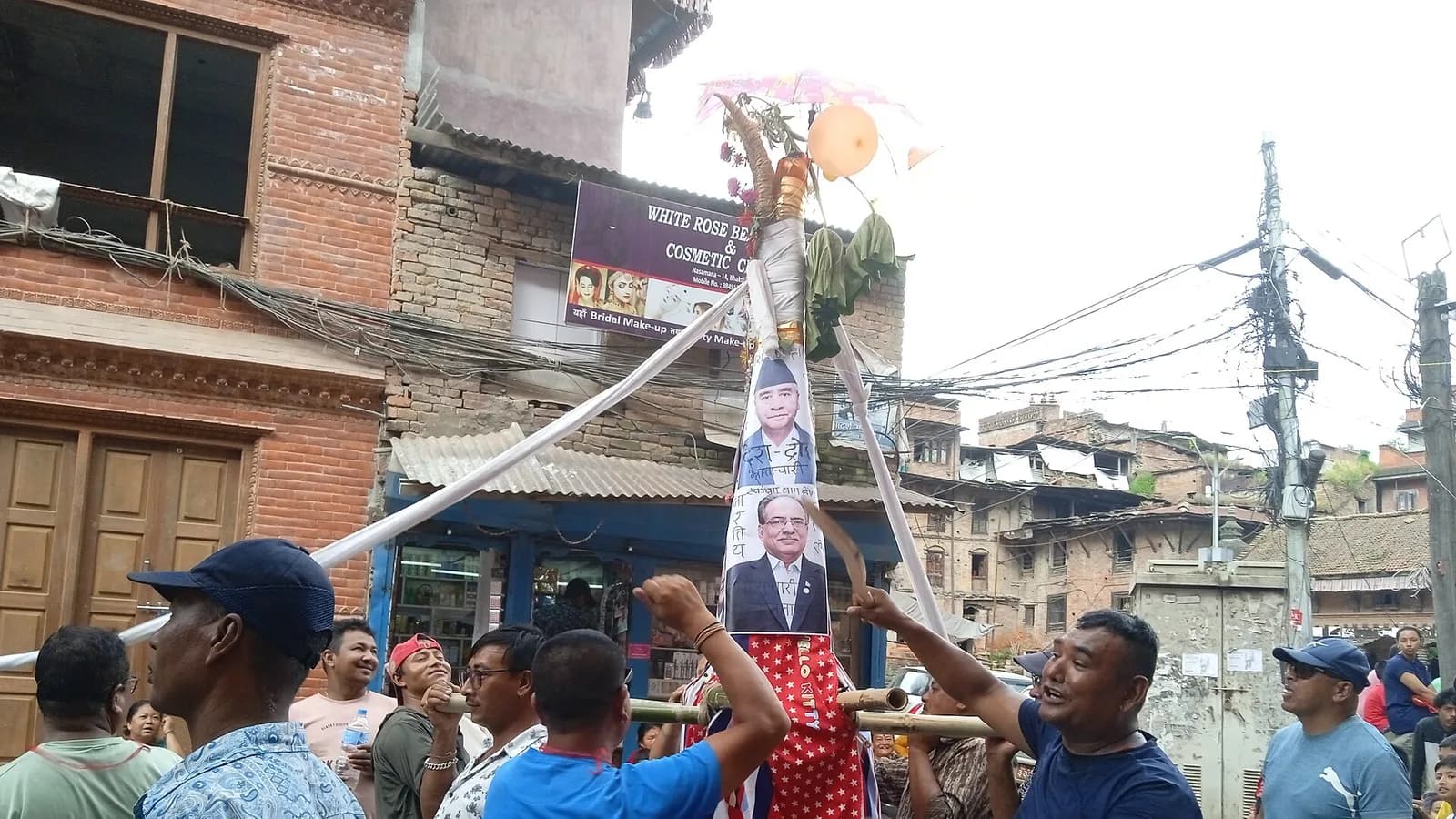
Imagine a festival where families who have lost someone in the past year walk a cow through the streets to guide that soul onward — and where the entire city responds not with solemn silence but with costumes, jokes, satire, and laughter aimed at politicians and the powerful. That contradiction is Gai Jatra, Nepal's festival of cows, and it is one of the most quietly profound celebrations you can witness anywhere.
Gai Jatra (in the Newar language, Sa Paru) is a festival of the Kathmandu Valley's indigenous Newar people. On the surface it is a parade of cows and cow-costumed children. Underneath, it is a centuries-old piece of collective grief therapy and one of the boldest traditions of free speech in South Asia. This guide explains what it means, when it happens, and how to experience it with the respect it deserves.
Key takeaways
- Gai Jatra is a Newar festival that commemorates everyone who died in the community in the past year, centered on a procession of cows.
- Families who lost a loved one lead a cow — or a child dressed as a cow — through the streets, because Hindu belief holds that the cow guides departed souls to the afterlife.
- It is famously a festival of humor and satire: comedic plays, costumes, and biting mockery of politicians and society, historically protected from punishment.
- It falls around the Nepali month of Bhadra (August or September) on the lunar calendar, so the date shifts each year — always confirm the year's date.
- The three old royal cities — Kathmandu, Patan, and Bhaktapur — each celebrate it, with Bhaktapur running for several days.
What Gai Jatra is
The name is literal: gai means "cow" and jatra means "festival" or "procession." But the festival is really about the dead. Gai Jatra is the day the Newar community publicly honors every member who has died in the past year.
Each bereaved family takes part in the procession. Where a family can, it leads an actual cow. Where it cannot, a young boy is dressed in a cow costume or mask to play the part. The cow — sacred in Hinduism and seen as a guide for souls — symbolically leads the departed toward the afterlife. So a stranger watching the parade is, in effect, watching a roll-call of the year's deaths, each cow or costumed child representing a person who is gone.
What makes it extraordinary is the tone. This is not a somber funeral march. It is a carnival.
The legend of King Pratap Malla
The most widely told origin story belongs to the Malla kings who ruled the valley. According to tradition, King Pratap Malla of Kathmandu lost his young son. His queen was shattered by grief, and nothing the king did could console her.
So the king made a decree: every family that had lost a loved one that year would join a public procession past the palace. When the queen saw how many other families were grieving — how many other mothers had lost children — she understood that her pain, though immense, was shared by countless others. That recognition is said to have eased her sorrow. The king is also credited with encouraging mourners to wear costumes and tell jokes, to lift the mood and turn sorrow toward healing.
Whether or not every detail is historical, the story captures the festival's genius: grief shared is grief made bearable, and laughter is a form of medicine.
When Gai Jatra happens
Gai Jatra follows the lunar calendar and falls around the Nepali month of Bhadra, just after a full moon. In the Western calendar, that usually lands in August or September.
| Detail | Gai Jatra | | --- | --- | | Calendar | Lunar (around Bhadra, just after full moon) | | Western timing | August or September | | Season | Late monsoon | | Core day | One main day; Bhaktapur runs several days |
Because the date is lunar, it moves around the calendar each year. Sources even differ slightly on whether to place it in late Shrawan or early Bhadra, since the lunar month straddles the Western ones. The practical takeaway is simple: do not trust a fixed future date from any article, this one included. Confirm the year's Gai Jatra date with the Nepal Tourism Board or a reliable Nepali calendar before you book. For seasonal context, our Nepal weather by month guide explains what the late-monsoon period feels like in the valley.
It is worth noting that Gai Jatra sits within a busy festival stretch — it falls not long before Indra Jatra, Kathmandu's great chariot festival, so a well-timed late-summer trip can catch more than one.
The cow procession, step by step
On the main day, the streets of the old cities fill with the procession. Here is what you will actually see.
- Cows and cow-children. Real cows, garlanded and decorated, are led by family members. Alongside them walk boys in cow costumes — painted faces, horned headdresses, sometimes elaborate, sometimes charmingly improvised.
- Tall effigies and frames. In some areas, families carry tall bamboo-and-cloth structures representing the deceased, decorated with photos, fabric, and offerings.
- Music and dance. Traditional Newar music — drums, cymbals, and flutes — accompanies the procession. In Bhaktapur especially, dance groups perform for days.
- Offerings along the route. Households offer food, fruit, beaten rice, and money to the passing processions, a gesture of respect to the dead and the bereaved.
The mood is communal and surprisingly warm. Grief is present, but it is held gently, surrounded by neighbors, music, and color rather than isolation.
The satire: Nepal's day of licensed mockery
Here is the part that makes Gai Jatra genuinely unusual in the world. Alongside the mourning, the festival is a day of open satire.
Street performers and groups stage comedic plays and parodies. They imitate celebrities, spoof politicians, and skewer social issues — corruption, hypocrisy, the absurdities of daily life. Costumes are deliberately ridiculous. Newspapers and television traditionally run special satirical Gai Jatra editions and programs.
Historically, this was no small thing. Gai Jatra became a rare, socially protected window in which ordinary people could mock rulers and the powerful without fear of punishment — a pressure valve for a society that otherwise had few. That tradition of fearless humor survives today, and it gives the festival a sharp, intelligent edge. In Bhaktapur, satirical songs and folk dramas deliver pointed social commentary; in Kathmandu, the street satire can be wickedly funny.
So the festival holds two truths at once: it is a day to remember the dead, and a day to laugh at the living — especially the ones in power.
How the three cities differ
Gai Jatra is strongest in the three former royal cities of the Kathmandu Valley, and each has its own flavor.
| City | What stands out | | --- | --- | | Kathmandu | Cow processions through the old city and Durbar Square; strong tradition of street satire and comedy | | Patan (Lalitpur) | Processions and a notably artistic, colorful character | | Bhaktapur | The longest celebration, running several days, with extended music and the rhythmic Ghintang Ghisi stick dance |
In Bhaktapur, the festivities stretch across multiple days and are deeply tied to the city's living Newar traditions, including days of dancing through the lanes. To plan a visit there, see our Bhaktapur day trip guide. In Patan, the processions wind through one of the most beautiful old squares in Asia — our Patan and Lalitpur guide covers the area. And in Kathmandu, the heart of the action is around the old city and Kathmandu Durbar Square.
How to experience Gai Jatra respectfully
Gai Jatra is public and welcoming, but it is a memorial event. A little sensitivity goes a long way.
- Remember what it commemorates. Behind the costumes and jokes, families are mourning real people. Watch the processions with warmth, not as a mere spectacle.
- Ask before photographing families. Wide shots of the parade and street performances are fine. For close portraits of grieving family members or cow-costumed children, ask first.
- Get to the old cities early. The narrow lanes of Kathmandu, Patan, and Bhaktapur fill up. Arrive in the morning and find a spot with a clear view. See our temple and festival etiquette guide for general conduct.
- Mind your valuables. As with any dense festival crowd, keep your phone zipped away and carry minimal cash in a front pocket.
- Enjoy the food. Gai Jatra is a Newar festival, and Newar food is one of the great cuisines of Nepal. If you are offered something along the route, or want to seek it out, our Newari food guide explains what to try.
What to bring
| Bring | Why | | --- | --- | | Light rain layer | Late monsoon can still bring sudden showers | | Sun protection and water | Days are warm and humid | | Camera with zoom | Lets you capture the procession without crowding mourners | | Small cash, front pocket | For food and offerings; safer than a wallet in crowds | | Comfortable shoes | Hours of standing and walking on uneven brick |
A few useful phrases
- "Subha Gai Jatra" — Happy Gai Jatra
- "Yo ke ho?" — What is this?
- "Photo khichna hunchha?" — May I take a photo?
- "Ramailo chha" — It's fun / lively
Why Gai Jatra is worth seeing
Most festivals do one thing: they celebrate, or they mourn, or they entertain. Gai Jatra does all three at once, and that is exactly what makes it unforgettable. It looks straight at death — the universal fact every culture must somehow face — and answers it with community, costume, and comedy. There are few traditions anywhere in the world that turn grief into a shared, laughing, defiantly alive public ritual quite like this.
If your trip touches August or September, build a day around it in Kathmandu, Patan, or Bhaktapur. Watch the cows pass, listen to the music, laugh at the satire — and understand that you are watching a city take care of its grieving the way it has for centuries. Just confirm the year's date before you go, and come ready to be moved as much as entertained.
Sources
- Gaijatra Festival 2025: Importance and Significance — New Spotlight Magazine
- Gai Jatra: Nepal's Festival of Grief, Humor, and Healing — Explore Himalaya
- Gai Jatra Festival in Nepal — Footprint Adventure
- Gai Jatra, Gai Puja, Nepal Festival of Cows — Tibet Travel
- Gai Jatra Festival Nepal 2025: History, Rituals, and How It's Celebrated — Amigo Treks
Frequently asked questions
- What is Gai Jatra?
- Gai Jatra is a Newar festival in Nepal that honors everyone who died in the past year through a cow procession, blending mourning with costume, satire, and public laughter.
- When is Gai Jatra celebrated?
- Gai Jatra falls in the Nepali month around Bhadra, usually in August or September just after the full moon, following the lunar calendar, so confirm the exact date for your travel year.
- Why are cows used in Gai Jatra?
- In Hindu belief the cow is sacred and helps guide the souls of the departed toward the afterlife, so families who lost someone lead a cow, or a child dressed as one, through the streets.
- Why do families dress children as cows?
- Households without a cow to parade dress a young boy in a cow costume or mask to stand in for the animal and represent the deceased in the procession.
- What is the origin of Gai Jatra?
- Tradition credits the Malla king Pratap Malla, who organized the procession to console his grieving queen after their son died, by showing her that many families shared her loss.
- Why is Gai Jatra full of jokes and satire?
- The festival turns grief into healing through humor, and historically it became a rare licensed day for ordinary people to mock rulers, politicians, and social ills without punishment.
- Where is the best place to see Gai Jatra?
- The three old Newar cities of Kathmandu, Patan, and Bhaktapur all hold strong celebrations, with Bhaktapur known for days of music and dancing and Kathmandu for street satire.
- Can tourists attend Gai Jatra?
- Yes, the processions and street performances are public and welcoming, though it is a memorial event, so watch respectfully and ask before photographing grieving families.
Spotted an error in this post? Tell us or suggest a correction.
Related posts
ABC Trek: A Plain-English Guide to Annapurna Base Camp
The ABC trek (Annapurna Base Camp) explained — the route, how many days it takes, difficulty, the best seasons, and what daily trail life is really like.
Read postAma Dablam Climb: 2026 Expedition Guide (6,812m)
An Ama Dablam climb and expedition guide for 2026 — height, the Southwest Ridge route, camps, fixed ropes, difficulty, permits, cost and the best seasons.
Read postAnnapurna vs Manaslu: Which Trek Should You Choose?
An Annapurna vs Manaslu decision guide for trekkers — compare permits, crowds, difficulty, infrastructure and cost to pick the right Himalayan route.
Read postAsan Bazaar Kathmandu: Old Town Market Guide
A visitor guide to Asan bazaar, Kathmandu's oldest market — its six-road square, Annapurna Temple, what to buy, when to go, and how to get there.
Read postAyurveda Nepal: A Traveller's Guide to Healing
Ayurveda Nepal explained for tourists — the history, the doshas, treatments like Panchakarma and Shirodhara, where to go and how to choose a centre safely.
Read postBest Restaurants Pokhara Lakeside: Where to Eat
The best restaurants in Pokhara Lakeside — lakeside trout, wood-fired pizza, Tibetan momos and healthy cafes, with what to order and rough 2026 prices.
Read post