Is Everest Base Camp Worth It? An Honest Look
Is Everest Base Camp worth it? An honest, sourced look at the cost, difficulty, scenery and crowds to help you decide before you commit to the trek.
Worth it is personal — but the view from Kala Patthar at dawn convinces most people fast.
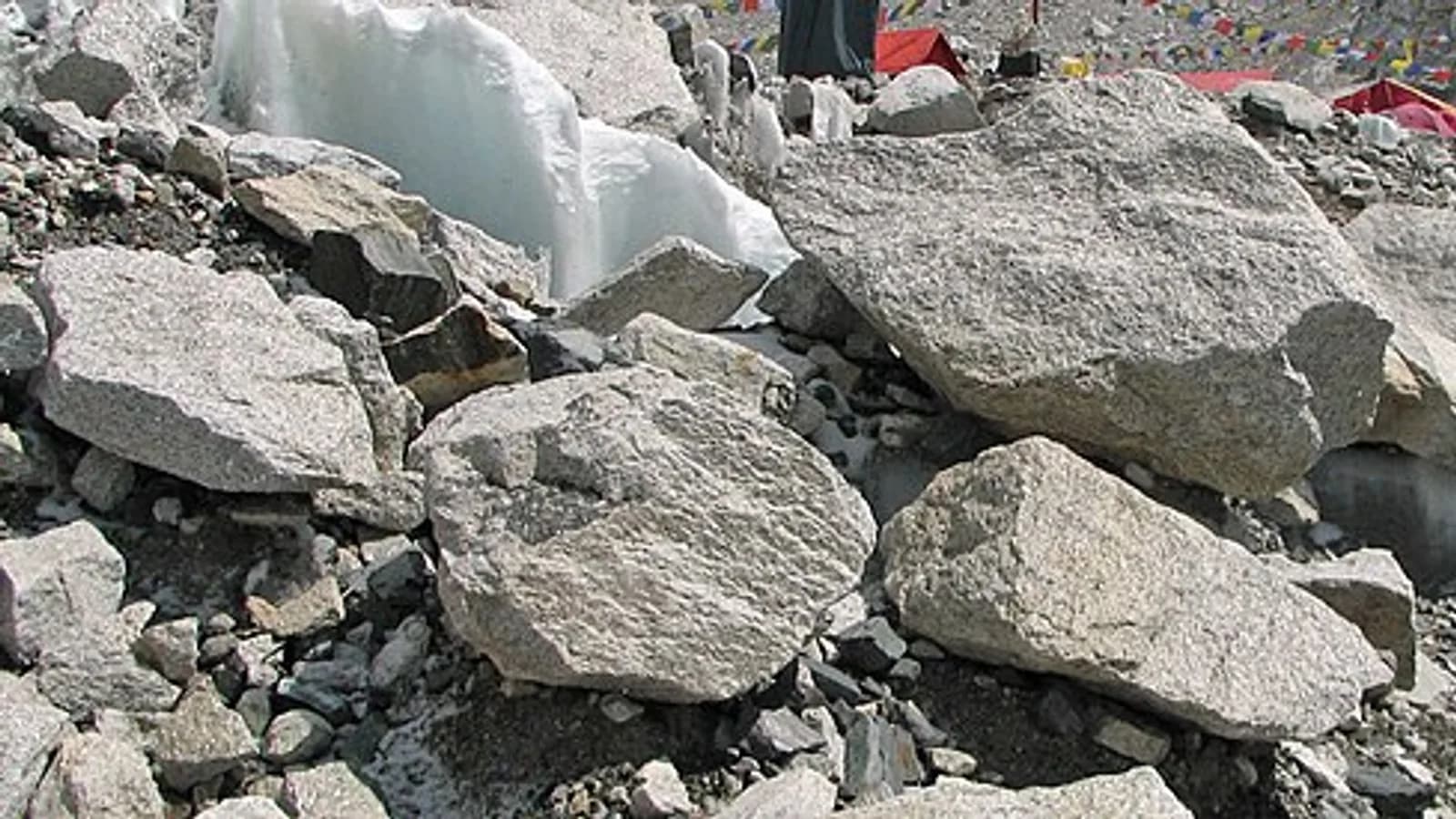
If you are weighing a once-in-a-lifetime trip to Nepal, one question tends to come up again and again: is Everest Base Camp worth it? It is the most famous trek on Earth, but it is also expensive by Nepal standards, physically demanding, cold, and increasingly busy in peak season. This honest guide weighs what you actually get against what it costs you — in money, days, and effort — so you can decide whether the Everest Base Camp trek belongs on your list or whether something else suits you better.
Key takeaways
- For most reasonably fit walkers, Everest Base Camp is worth it — the combination of scenery, Sherpa culture and achievement is hard to match anywhere.
- The real challenge is altitude, not technical climbing; success depends mostly on a slow, well-acclimatized itinerary.
- A standard guided trek typically costs around USD 1,250–1,800 (as of June 2026), with realistic all-in budgets nearer USD 1,400–2,500.
- You do not see Everest's summit from Base Camp itself — the iconic view comes from Kala Patthar at dawn.
- It is not for everyone: if you dislike cold, basic teahouses or long daily walks, a shorter trek may give you better value.
What you actually get for your money
The headline reward is the scenery, and on this the trek genuinely over-delivers. The trail threads through Sagarmatha National Park past a wall of giants — Ama Dablam, Lhotse, Nuptse and Everest itself — with the landscape shifting from pine forest and suspension bridges to glacial moraine as you climb. Many trekkers describe it less as a hike and more as a slow reveal of the high Himalaya.
But the experience is more than mountains. The route is the heartland of the Sherpa people, and you pass working monasteries, prayer-flag-draped passes, and villages like Namche Bazaar that have grown up around generations of mountaineering. The cultural texture is a large part of why people rate the trip so highly, not just the summits.
Then there is the sense of achievement. Standing at the Base Camp marker at roughly 5,364 m, having walked there over many days, is a genuine accomplishment for an ordinary traveller — no ropes, no climbing skill, just patience and acclimatization. For a fuller route breakdown, see our Everest Base Camp trek guide and the day-by-day EBC trek itinerary.
The catch most people miss: the view
One honest caveat: from Base Camp itself, Everest's summit is largely hidden behind Nuptse. The postcard view of the mountain comes instead from Kala Patthar (about 5,545 m), a rocky viewpoint most trekkers climb before dawn. If "seeing Everest" is your main goal, build that pre-sunrise push into your plan — it is the moment most people remember most.
How hard is it, really?
This is where "worth it" gets personal. The EBC trek is rated moderately difficult: there is no technical climbing, but it is a sustained effort. Expect five to seven hours of walking on most days, day after day, on uneven mountain trails.
The defining difficulty is altitude. At Base Camp the air holds roughly half the oxygen of sea level, which makes even modest effort feel heavy and raises the risk of acute mountain sickness (AMS). A frequently cited field study that tracked 283 trekkers on the route found that around 57% developed some AMS symptoms at some point — a reminder that this affects fit and unfit people alike. The defence is not fitness but a slow ascent with built-in acclimatization days. Read our Everest Base Camp trek difficulty breakdown and the broader altitude sickness in Nepal guide before you commit.
Who tends to find it worth it
| You will probably love it if... | You may want to reconsider if... | | --- | --- | | You enjoy multi-day walking and big landscapes | You dislike cold, thin air or basic toilets | | You want culture and scenery, not luxury | You expect hotels and reliable hot showers | | You can take 12–16 days and acclimatize slowly | You only have a week and want comfort | | A physical challenge motivates you | Long days on your feet feel like a chore |
What are the odds you actually make it?
Reassuringly high — if you prepare. Operators commonly quote success rates for reaching Base Camp in the region of 80–95% for well-prepared trekkers. The people who turn back are disproportionately those on rushed schedules, who skip acclimatization, or who underestimate the altitude — not necessarily the least fit.
It is also worth putting the risk in perspective. Of the large number of trekkers who attempt EBC each year, serious incidents are rare; the main hazards are AMS (managed by descending) and the weather-dependent flight in and out of Lukla. For a calm, sourced look at safety, see is the Everest Base Camp trek safe and read up on the famously short Lukla airport runway. Comprehensive trekking insurance with helicopter evacuation cover is non-negotiable for this route.
Is it worth the cost?
For many travellers the money question matters as much as the mountain. By Nepal standards EBC is not cheap, but compared with guided high-altitude trips elsewhere in the world it is excellent value.
A standard guided 14-day package from a local Nepali agency commonly runs about USD 1,250–1,800 (as of June 2026), typically covering domestic flights, permits, teahouse lodging, meals, a licensed guide and a porter. Once you add tips, snacks, charging, hot showers, Wi-Fi and gear, a realistic all-in figure is closer to USD 1,400–2,500. Budget-conscious independent trekkers can come in lower; luxury and helicopter-return trips run well above. The full picture is in our EBC trek cost for 2026 guide.
Rough cost building blocks
| Item | Typical range (as of June 2026) | Notes | | --- | --- | --- | | Standard guided package | USD 1,250–1,800 | Flights, permits, guide, porter, food, lodging | | National park + municipality permits | About USD 40–50 combined | NPR 3,000 park + NPR 2,000 municipality for foreigners | | Teahouse room | USD 7–25 / night | Higher villages cost more | | Meals | USD 5–12 / meal | Prices rise sharply with altitude | | Licensed guide | USD 25–45 / day | Now effectively required in the region |
Permit specifics change, so confirm current figures in our Everest Base Camp permits for 2026 post and the wider Nepal trekking permits overview before you pay anything.
Is it worth the crowds?
A fair concern. In the spring and autumn peaks the trail and teahouses are busy, and Base Camp itself can feel social rather than solitary. If wilderness solitude is your priority, EBC in October may disappoint.
That said, the crowds thin quickly off the main viewpoints and at quieter times of day, and the famous early-morning Kala Patthar climb rewards anyone willing to start before sunrise. Choosing your window matters: the clear, stable skies of autumn (late September–November) and spring (March–May) are the trade-off for company on the trail. See best time for the Everest Base Camp trek to match conditions to your tolerance for crowds.
When it is not worth it (and the better alternative)
Honesty cuts both ways. EBC is not the right trip if you have only a week, dislike cold and altitude, or want comfortable lodging and reliable hot water. The teahouses are basic, nights are genuinely cold, and the Lukla flight can be delayed for days.
If that sounds like you, the Annapurna Base Camp trek is the classic alternative: shorter, lower, cheaper, reachable without a mountain flight, and still spectacular — though without Everest-scale peaks or the Everest view itself. Our side-by-side Everest vs Annapurna Base Camp comparison lays out the trade-offs in detail. Shorter Everest-region options like the Everest View trek also deliver high Himalayan scenery in fewer days and at lower altitude.
So, is Everest Base Camp worth it?
For the right person, emphatically yes. If you enjoy long days of walking, want close-up Himalayan scenery and Sherpa culture, can give it roughly two weeks, and accept basic comforts and real cold, EBC delivers one of the most rewarding trips in adventure travel — and at a price that is fair for what it is.
It is not worth it if you are time-poor, comfort-focused, or expecting to lounge with a view; you will spend a lot of effort for an experience you may not enjoy. The trek does not need to be on everyone's list. But if the idea of standing beneath the highest mountain on Earth stirs something in you, the cost, the cold and the thin air tend to fade fast against the memory of that first dawn view from Kala Patthar.
Sources
- Discovery World Trekking — Everest Base Camp Reviews
- Himalayan Recreation — Everest Base Camp Trek Permits and Fees 2026
- Nepal Trekking Planner — Everest Base Camp Trek Permit & Regulations
- Ian Taylor Trekking — Does Everyone Make It to Everest Base Camp?
- Nepal Trekking Planner — How Often Do People Get Altitude Sickness at Everest Trek
- Nepal Hiking Team — How Much Does Everest Base Camp Trek Cost
- Himalayan Hero — Everest Base Camp Trek Cost 2026
Frequently asked questions
- Is the Everest Base Camp trek worth it?
- For most people who enjoy walking and want close-up Himalayan scenery, yes. It pairs world-class mountain views with Sherpa culture and a real sense of achievement, though the cold, altitude and basic comforts mean it is not for everyone.
- Do you actually see Mount Everest from Base Camp?
- Surprisingly, the summit is mostly hidden from Base Camp itself by Nuptse. The classic Everest view comes from Kala Patthar, a nearby viewpoint at about 5,545 m that most trekkers climb at dawn for sunrise.
- How fit do I need to be for Everest Base Camp?
- You need solid endurance rather than athletic speed. If you can walk five to seven hours a day on hills for many days in a row, you can usually manage it. Altitude, not steepness, is the real challenge.
- How much does the Everest Base Camp trek cost?
- A standard guided 14-day package from a local Nepali agency commonly runs around USD 1,250 to USD 1,800 (as of June 2026), with realistic all-in budgets of USD 1,400 to USD 2,500 once tips and extras are added.
- What is the success rate for reaching Base Camp?
- Estimates from operators put it high for well-prepared trekkers, often quoted around 80 to 95 percent. Most people who turn back do so because of altitude sickness, rushed itineraries or being underprepared rather than fitness alone.
- Is Everest Base Camp dangerous?
- There is no technical climbing, so the main risks are altitude sickness and the weather-dependent Lukla flight. A slow ascent, acclimatization days and good insurance with helicopter cover keep the real danger low.
- Would Annapurna Base Camp be better value?
- It can be. Annapurna Base Camp is shorter, cheaper and easier to reach without a mountain flight, but it does not deliver the same Everest-region scale or the famous Everest views. The right choice depends on your time and budget.
Related posts
How to Book the Everest Base Camp Trek (2026)
A practical guide to book the Everest Base Camp trek: when to reserve, choosing a registered agency, deposits, permits, and what a package includes.
Read postEBC Trek: What 'EBC' Means & Quick Orientation
Confused by 'EBC trek'? Here is what EBC means, how high it is, what it costs, and the season, permit and Lukla basics for the Everest Base Camp trek.
Read postEverest Base Camp Tour: How to Choose in 2026
An Everest Base Camp tour can mean a two-week trek, a luxury trip or a half-day helicopter flight. How to pick the right style and what it costs.
Read post