Workation Pokhara: Remote Work Guide for Nepal
Workation Pokhara — Wi-Fi, coworking, cost of living and visa tips for remote work beside Phewa Lake, with the Annapurnas on your lunch break.
Few offices come with a Himalayan skyline; in Pokhara you can close the laptop, walk five minutes and be in a kayak on the lake.
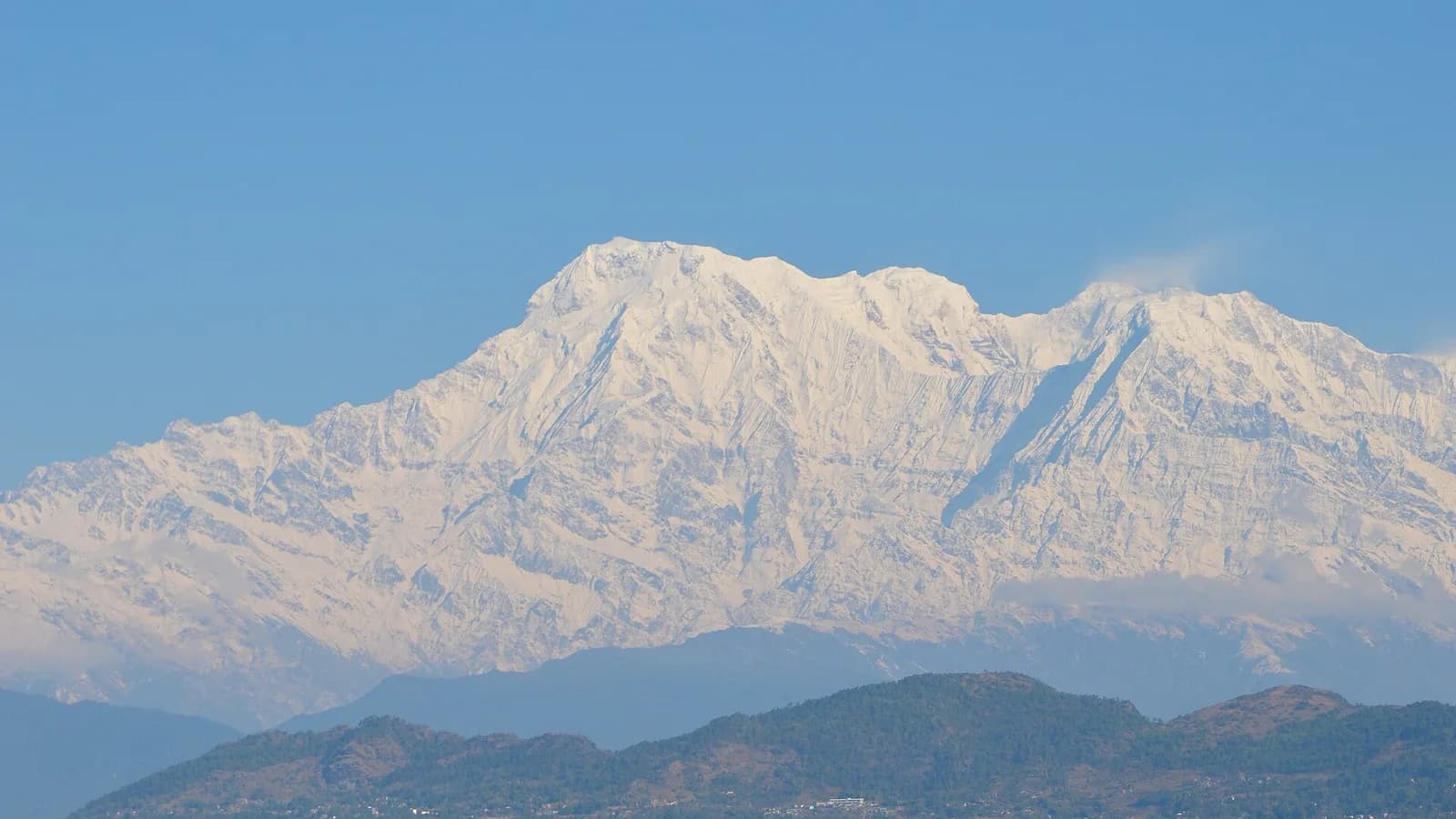
A workation in Pokhara is one of the more seductive remote-work propositions in Asia: very low costs, a lakeside town that runs at a gentle pace, internet that has improved sharply in recent years, and the Annapurna range filling the horizon when you look up from your screen. It is not a slick, plug-and-play nomad hub, and it does not pretend to be — but for remote workers who want quiet, mountains and a small budget, Pokhara is increasingly hard to beat.
This guide covers the practical reality of working remotely beside Phewa Lake: Wi-Fi and power, coworking and cafes, what it costs, the honest visa situation, and how to make the most of the mountains on your days off. Details below draw on recent nomad and official sources, linked at the end. Prices and especially visa rules shift, so treat everything here as a starting point and verify before you commit to a long stay.
Key takeaways
- Pokhara is calmer and cheaper than most Southeast Asian nomad hubs, set beside Phewa Lake beneath the Annapurnas.
- Lakeside is the base: the strip of cafes, guesthouses and coworking spaces along the lake has the town's best connectivity.
- Internet is increasingly workable — fibre is common in Lakeside — but keep a mobile-data backup and budget for occasional power cuts.
- Coworking memberships are widely reported around US$40–100 a month (confirm current rates), with daily and weekly options too.
- Cost of living is low, frequently cited in the few-hundred-US-dollars-a-month range for modest living.
- Most workers use the tourist visa; a dedicated nomad visa has been discussed but was not yet open as of early 2026.
Why Pokhara for a workation
Pokhara's appeal is partly what it lacks. There is no frantic megacity energy, no endless traffic, no pressure to be productive in a co-living "hustle" culture. Instead you get a 2 km lakeside strip of cafes, yoga studios, bakeries and guesthouses hugging the shore of Phewa Lake, with the white wall of the Annapurnas behind. Close the laptop and within minutes you can be paddling a kayak, walking up to the World Peace Pagoda, or watching paragliders drift down from Sarangkot.
It is also genuinely affordable, which changes the maths of a long stay. And it is safe and friendly — qualities Nepal Tourism Board itself leaned on when it chose Pokhara to host the country's first digital nomad summit. If you are weighing Nepal more broadly as a remote-work base, our companion guide on Nepal for digital nomads covers the national picture; this article zooms in on Pokhara specifically.
Internet and power: the honest picture
This is the question that makes or breaks a workation, so let us be straight about it.
What the Wi-Fi is really like
In Lakeside, fibre connections are common in cafes, guesthouses and coworking spaces, and the area has some of the most reliable Wi-Fi of any tourist town in Nepal. For typical remote work — email, documents, code, the occasional video call — it is increasingly fine. What you should not assume is flawless, big-city consistency: speeds and reliability vary from venue to venue, and the smart move is always to test the connection yourself before committing to a longer stay or an important call.
The golden rule is redundancy. Pair your accommodation or coworking Wi-Fi with a local mobile-data plan so you always have a fallback. Our guides to Wi-Fi in Nepal and getting an eSIM for Nepal explain the options, and our roundup of the best SIM card for Nepal covers buying a local data SIM, which is cheap and worth having from day one.
Power cuts and how to cope
Nepal's grid has improved enormously, but power cuts still happen, particularly during the monsoon months. The practical answer is the same one locals and good guesthouses already use: inverters and backup power. Reputable coworking spaces and many hotels run battery backup so a cut does not end your workday, and a personal power bank plus a charged laptop give you a buffer. Factor this in rather than being caught out by it.
Coworking spaces and cafes
You have two main ways to set up a workspace in Pokhara: a dedicated coworking space, or the town's plentiful work-friendly cafes.
Coworking
Pokhara has a small but real coworking scene, concentrated in and around Lakeside. Spaces typically offer hot desks, private cabins, meeting rooms, backup power, lockers and fast Wi-Fi, with some adding coffee and rooftop lounge areas. Memberships are flexible — daily, weekly and monthly — and monthly plans are widely reported in the rough range of US$40–100 depending on the space and tier (confirm the current rate when you arrive, as pricing changes).
| Plan type | What it usually suits | | --- | --- | | Day pass | A few focused days or trying a space before committing | | Weekly | Short stays and project sprints | | Monthly | Longer workations needing a reliable daily base |
For a quieter, more private setup, a dedicated desk in a coworking space is the safer bet than relying on cafe seating during busy periods.
Cafes
Pokhara's cafe culture is part of the appeal. Many lakeside cafes are effectively designed for remote work, with comfortable seating, power outlets and decent Wi-Fi, and they are a pleasant, low-cost way to vary your day. The etiquette is simple: order regularly, do not monopolise a table for hours at peak times, and have a backup spot for when a cafe is full or its connection is flaky.
What it costs
Pokhara is one of the cheaper remote-work bases in Asia, which is a large part of why people stay for weeks rather than days.
Monthly cost-of-living estimates for a remote worker in Pokhara are commonly cited in the few-hundred-US-dollars range, with many nomads reporting comfortable budgets around the mid-hundreds of dollars per month (as of early 2026). The single biggest saver is food: a plate of dal bhat at a local eatery is a couple of US dollars and often comes with free refills, while Western meals in tourist cafes cost several times that. Add a coworking membership, a mid-range apartment and the occasional adventure, and the figure climbs — but it remains modest by global standards.
Because rates move with season and demand, treat any number you read as a planning guide and confirm on the ground. For overall trip budgeting beyond the monthly basics, our Nepal travel budget guide lays out a realistic framework, and our Nepal trip cost breakdown covers the bigger one-off expenses.
Where to stay
Lakeside is the obvious base for a workation — close to cafes, coworking and the lake itself. For monthly stays, many guesthouses and apartments will negotiate a better rate, so it is worth asking. Our guide to Pokhara lakeside hotels is a good starting point for finding a comfortable base, and coliving spaces aimed at nomads are an alternative if you want built-in community.
Visas: the honest status
Here is where you need to plan carefully. Most remote workers in Pokhara use the standard tourist visa, available on arrival or online in 15, 30 and 90-day options and extendable at immigration offices up to a yearly cap. Working remotely for a foreign employer while on a tourist visa is widely described as a legal grey area — tolerated in practice but not an explicit right.
Nepal has publicly discussed a dedicated digital nomad visa to formalise this, but as of early 2026 that route was still in development rather than open for applications. Until it launches, follow tourist-visa rules and watch your day count. Our guides to the visa on arrival and extending a Nepal tourist visa walk through the process; verify the latest rules before relying on them.
The best part: mountains on your weekends
The reason to choose Pokhara over a cheaper city flat somewhere else is what waits outside the workday. Pokhara is the gateway to the Annapurna region, which means world-class trekking starts on your doorstep. A long weekend is enough for a gentle classic like Ghandruk village or a sunrise trip to Sarangkot; a longer break opens up routes deeper into the mountains.
Even without trekking, the town itself is a release valve: paragliding from Sarangkot, a boat across Phewa Lake, or simply a slow morning with coffee and a view. Our roundup of things to do in Pokhara shows just how much sits within reach. That balance — focused work in the week, mountains at the weekend — is the real Pokhara workation pitch.
Is a Pokhara workation right for you?
Pokhara rewards a particular kind of remote worker: someone who values calm, scenery and a low budget, and who can roll with the occasional power cut or patchy connection rather than needing flawless, corporate-grade infrastructure. If that is you, few places offer this combination of mountains, affordability and pace.
If you instead need guaranteed high-speed redundancy, a huge coworking choice and big-city services every day, you may prefer to split time with Kathmandu or treat Pokhara as a focused retreat between busier stints elsewhere. Either way, going in with realistic expectations — and a backup SIM in your pocket — is what turns a Pokhara workation from a gamble into one of the most memorable places you will ever open a laptop.
Sources
- Pokhara Nomad Basecamp: Nepal's First Digital Nomad Hub Debuts — Tourism Info Nepal
- Pokhara for Digital Nomads — Nomads.com
- Living in Pokhara, Nepal 2026: Cost of Living, Neighborhoods & Expat Tips — Expatlife
- Caffeinated Coworking: Exploring Pokhara's Digital Nomad Hotspots — Mighty Travels
- Mobile Internet & WiFi in Nepal 2026 — The Longest Way Home
- Best Coworking Spaces in Pokhara — Freaking Nomads
Frequently asked questions
- Is Pokhara good for a workation?
- Yes, for the right person. Pokhara offers low living costs, a relaxed lakeside setting beneath the Annapurnas, improving fibre internet, coworking spaces and cafes, and mountains on your doorstep for weekends. It is calmer and cheaper than most Southeast Asian nomad hubs, though the infrastructure is less polished, so a mobile-data backup is essential.
- Is the internet in Pokhara fast enough to work remotely?
- In the Lakeside area it is increasingly workable. Fibre connections are common in cafes, guesthouses and coworking spaces, and speeds there are among the best of any tourist town in Nepal. Reliability matters more than peak speed, so keep a 4G or 5G SIM or eSIM as backup and confirm the connection before booking a longer stay.
- Are there coworking spaces in Pokhara?
- Yes. Pokhara has several coworking and coliving spaces offering hot desks, private cabins, meeting rooms, backup power and fast Wi-Fi, mostly in or near Lakeside. Monthly memberships are widely reported in the rough range of about 40 to 100 US dollars depending on the space and plan, with daily and weekly options too. Confirm current pricing directly.
- How much does it cost to live in Pokhara as a remote worker?
- Pokhara is one of Asia's cheaper bases. Monthly cost-of-living estimates for a remote worker are commonly cited in the few-hundred-dollars range, with many nomads reporting comfortable budgets around the mid-hundreds of US dollars per month. Local food is very cheap, while Western meals, faster apartments and coworking memberships push the figure up.
- What visa do I need to work remotely from Pokhara?
- Most remote workers use the standard tourist visa, available on arrival or online in 15, 30 and 90-day options, extendable at immigration up to a yearly cap. Nepal has discussed a dedicated digital nomad visa, but as of early 2026 that route was not yet open, so tourist-visa rules apply and working remotely on one sits in a legal grey area.
- What is the downside of a workation in Pokhara?
- Mainly infrastructure. Power cuts can happen, especially in the monsoon, so backup power and a charged power bank matter. Internet, while improved, is less consistent than in major cities abroad, and the choice of high-end coworking and apartments is limited. It rewards flexibility over those who need flawless, corporate-grade reliability.
- When is the best time for a workation in Pokhara?
- Autumn (late September to November) and spring (March to May) bring the clearest mountain views and the most comfortable weather for combining work with weekend trekking. The summer monsoon is warm, green and quieter but wetter, with more cloud over the mountains and a higher chance of power cuts.
- Should I base myself in Pokhara or Kathmandu for remote work?
- Pokhara is calmer, cheaper and more scenic, which is why many remote workers prefer it for a focused, restful stay. Kathmandu has more coworking, services, flights and nightlife but is busier and more polluted. Many nomads split their time, using Kathmandu for errands and Pokhara for actually getting work done.
Spotted an error in this post? Tell us or suggest a correction.
Related posts
ABC Trek: A Plain-English Guide to Annapurna Base Camp
The ABC trek (Annapurna Base Camp) explained — the route, how many days it takes, difficulty, the best seasons, and what daily trail life is really like.
Read postAma Dablam Climb: 2026 Expedition Guide (6,812m)
An Ama Dablam climb and expedition guide for 2026 — height, the Southwest Ridge route, camps, fixed ropes, difficulty, permits, cost and the best seasons.
Read postAnnapurna vs Manaslu: Which Trek Should You Choose?
An Annapurna vs Manaslu decision guide for trekkers — compare permits, crowds, difficulty, infrastructure and cost to pick the right Himalayan route.
Read postAsan Bazaar Kathmandu: Old Town Market Guide
A visitor guide to Asan bazaar, Kathmandu's oldest market — its six-road square, Annapurna Temple, what to buy, when to go, and how to get there.
Read postAyurveda Nepal: A Traveller's Guide to Healing
Ayurveda Nepal explained for tourists — the history, the doshas, treatments like Panchakarma and Shirodhara, where to go and how to choose a centre safely.
Read postBest Restaurants Pokhara Lakeside: Where to Eat
The best restaurants in Pokhara Lakeside — lakeside trout, wood-fired pizza, Tibetan momos and healthy cafes, with what to order and rough 2026 prices.
Read post