Sarangkot Sunrise: Pokhara's Best Mountain View (2026)
How to catch the Annapurna sunrise from Sarangkot above Pokhara — getting there by taxi, cable car or hike, the entry fee, timings and best season.
The Annapurnas go from grey ghosts to molten gold in about ten minutes, with Phewa Lake glinting far below — and you only had to wake up at 4:30 to see it.
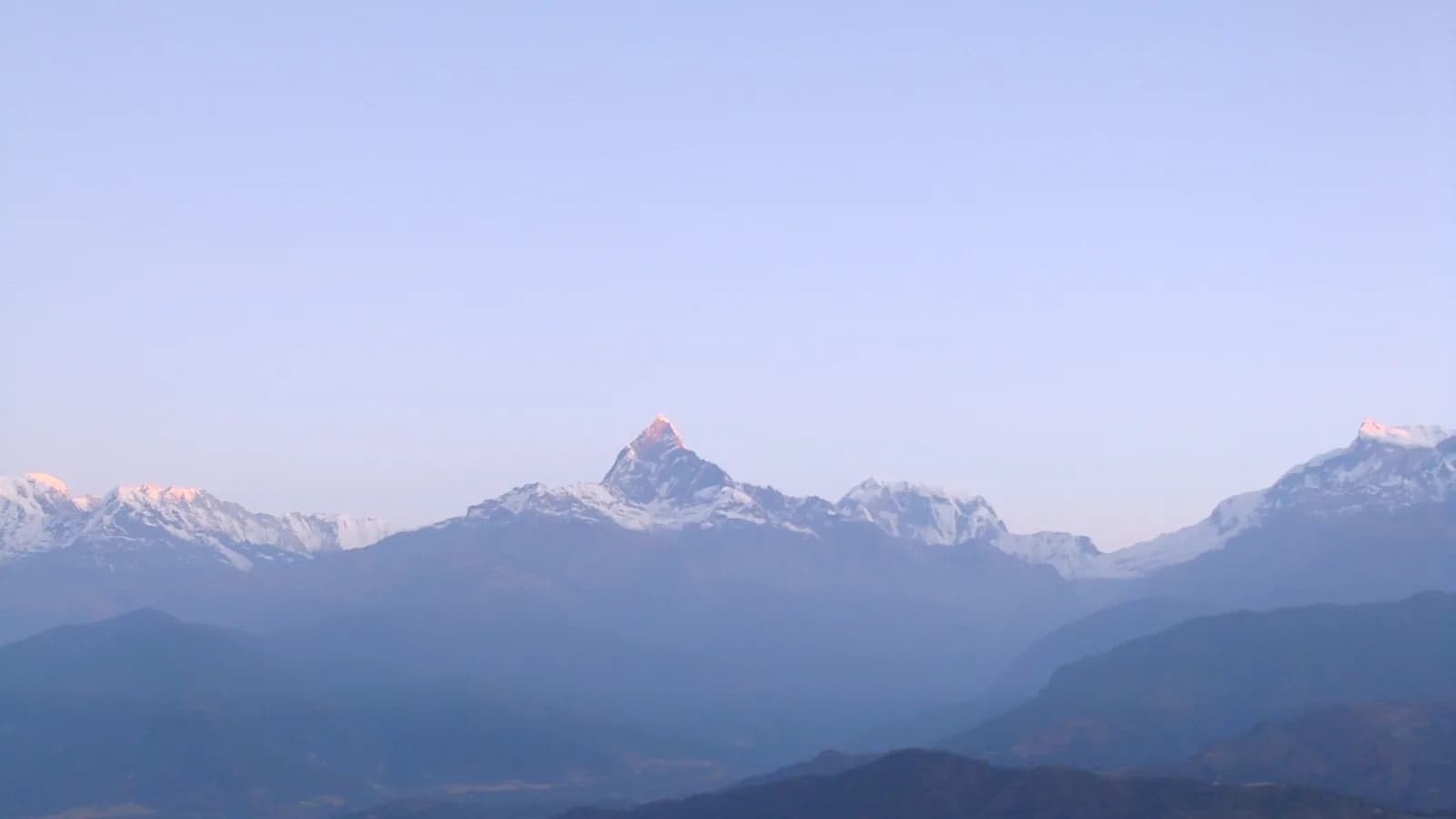
Sarangkot is the hilltop viewpoint above Pokhara where, on a clear morning, you watch the Annapurna range catch fire. Sitting at about 1,592 metres, a short way above the lakeside town, it is one of the most accessible and rewarding sunrise spots in Nepal — close enough for a pre-dawn taxi ride, high enough for a front-row view of the Himalaya, and famous worldwide as a paragliding launch. This guide covers how to get there, when to go, what it costs, and what you will actually see.
The appeal is simple. As the sun comes up behind you, it strikes the snow peaks across the valley — Dhaulagiri, the Annapurnas, and the unmistakable Fishtail summit of Machhapuchhre — turning them from grey silhouettes to deep orange and then blazing gold, while Phewa Lake glimmers far below. It is the postcard image of Pokhara, and for once the postcard is honest.
Key takeaways
- Sarangkot sits at about 1,592 m, roughly 30 to 40 minutes by road above Pokhara Lakeside.
- Leave by around 4:30 to 5:00 AM; sunrise falls between about 5:10 and 7:00 depending on season.
- A small observation-deck fee of around NPR 60 applies (as of 2025); a taxi runs about NPR 1,500 to 2,000 each way.
- Best views are October to April, with autumn and spring the clearest.
- You can also reach the top by Annapurna Cable Car, local bus, or a 2 to 3 hour hike.
- Sarangkot is a world-class tandem paragliding launch — many pair sunrise with a flight back down.
What you will see
On a good morning the panorama is extraordinary. From the viewpoint you look across the deep Pokhara valley to a wall of Himalaya. According to the Nepal Tourism Board, the peaks on show include Dhaulagiri (8,167 m) to the west, Annapurna II, Machhapuchhre (the Fishtail, around 6,997 m) and Lamjung to the east, with the wider Annapurna massif filling the skyline between them.
The magic is in the light. Before dawn the mountains are flat grey ghosts. Then the first sun touches the highest snow and a band of pink-orange creeps down the peaks. Within ten minutes the whole range is lit gold, the valley below still in shadow, and Phewa Lake begins to catch the light. Sunset from Sarangkot is fine too, but sunrise is the headline event — the air is usually clearer and the colours more dramatic.
Be warned: this is a weather lottery. In the right season you may get a flawless show; in haze or cloud you may see very little. Manage expectations and, if your schedule allows, keep a spare morning in reserve.
Getting to Sarangkot from Pokhara
Sarangkot lies roughly 11 km from Lakeside Pokhara — short as the crow flies, but up a winding hill road. There are four main ways up.
| Option | Time | Rough cost (as of 2025) | Notes | | --- | --- | --- | --- | | Taxi | 30 to 40 min | NPR 1,500 to 2,000 each way | Easiest for sunrise; arrange the night before | | Annapurna Cable Car | About 10 min ride | Paid ticket; early starts for sunrise | From Sedi near Phewa Lake to near the top | | Local bus | Longer | Cheapest | From Baglung Bus Park; not ideal pre-dawn | | Hike | 2 to 3 hours | Free | Popular as a walk; start very early for sunrise |
By taxi (the usual choice)
For sunrise, most people simply take a taxi. Book it the night before with your hotel or a Lakeside driver, agree the fare and the pick-up time, and confirm whether the driver will wait at the top to bring you back (they usually do, often as a return fare). A pre-dawn pick-up around 5:00 AM in autumn or spring gives comfortable time to reach the viewpoint.
By cable car
The Annapurna Cable Car runs up to the Sarangkot area from Sedi, near Phewa Lake, turning the climb into a short, scenic ride of about ten minutes. It runs early enough to catch sunrise and is a good option if you would rather not wind up the road by car or on foot. It is a relatively recent addition to Pokhara's line-up, so check current operating hours and the first-departure time locally before you commit to a sunrise plan around it.
On foot
Sarangkot is also a classic short hike — around two to three hours up from Pokhara, through villages and terraced hillside. For sunrise you would need to start in the dark with a headlamp, which many prefer to do as part of an overnight in Sarangkot rather than a single pre-dawn push. As a daytime walk it is lovely and undemanding.
Timing and best season
Two timing questions matter: what time of day, and what time of year.
- Time of day: sunrise shifts through the year, falling somewhere between roughly 5:10 and 7:00 AM. Aim to be standing at the viewpoint at least 15 to 20 minutes before, both to settle in and because the pre-sunrise alpenglow is half the show. A 4:30 to 5:00 AM departure from Pokhara covers most of the year.
- Time of year: the clear-sky window runs October to April. Autumn (October to November) and spring (March to April) are the highlights, combining reliable visibility with comfortable temperatures. The summer monsoon brings cloud, haze and rain that frequently hide the peaks, so views are a gamble. If big mountain views are your priority for the whole trip, our guide to the best time to visit Nepal goes into the seasons in detail.
What it costs
Sarangkot is a cheap thrill by any measure. Budget for:
- Observation deck / view tower entry: around NPR 60 per person (as of 2025) at the top. Carry small notes.
- Transport: a taxi at roughly NPR 1,500 to 2,000 each way, or a cable-car ticket, or near-nothing for the local bus.
- Optional tea or breakfast at the cafes and hotels near the viewpoint, which are a pleasant way to warm up afterward.
Many organised sunrise tours from Pokhara bundle the transport and fees together for a fixed price, which can be worth it for the convenience of a guaranteed pick-up in the dark.
Pair it with paragliding
Sarangkot is not just a viewpoint — it is one of the premier tandem paragliding launch sites on earth, with the Nepal Tourism Board calling it one of the top paragliding destinations in the world. The combination of height above Phewa Lake and dependable thermals makes for long, scenic flights. A popular plan is to watch the sunrise, linger over breakfast at the top while the air warms, and then take a tandem flight that drifts down toward Lakeside, swapping mountain glow for a bird's-eye view of the lake. For how flights work, what they cost and safety notes, see our guide to paragliding in Pokhara.
Staying in Sarangkot vs day-tripping
You can experience Sarangkot two ways:
- As a round trip from Pokhara — the standard approach. Sleep in Lakeside, take a pre-dawn taxi up, watch sunrise, come back for breakfast. Simplest, and keeps you based in the livelier town.
- Overnight in Sarangkot — there are hotels and lodges near the ridge, from simple to fairly smart. Staying up top means a shorter, gentler pre-sunrise start, the chance to catch sunset as well, and a quieter night, traded against being further from Lakeside's restaurants and buzz.
For most travellers the day trip wins on simplicity, but if mountain mornings are your thing, a night in Sarangkot is a fine indulgence.
How it fits a Pokhara trip
Sarangkot sunrise is one of the signature Pokhara experiences, and it slots neatly alongside the rest of what the lakeside town offers:
- For the full menu, see our roundup of things to do in Pokhara.
- To get there in the first place, compare the tourist bus from Kathmandu to Pokhara and the wider Kathmandu to Pokhara transport options.
- If you are based in the capital instead, the equivalent experience is Nagarkot sunrise near Kathmandu — a broader but more distant Himalayan panorama.
- Sarangkot also sits on the doorstep of the Annapurna trails; many trekkers see it before or after a route like the Annapurna Base Camp trek or the gentler Mardi Himal trek.
Set an early alarm, line up a taxi the night before, and hope for a clear sky. When Sarangkot delivers, a single sunrise can be the highlight of a whole trip to Nepal — the Annapurnas turning to gold above a silver lake, and you with a cup of tea, glad you got up.
Sources
Frequently asked questions
- What time do I need to leave for Sarangkot sunrise?
- Leave your Pokhara hotel about 4:30 to 5:00 AM, depending on the season and how you travel. Sunrise itself falls roughly between 5:10 and 7:00 AM across the year, and you want to be on the viewpoint with time to spare. By taxi the drive is about 30 to 40 minutes, so a 5:00 AM departure usually works in autumn and spring.
- How do I get from Pokhara to Sarangkot?
- The easiest option is a taxi, which takes about 30 to 40 minutes from Lakeside and costs roughly NPR 1,500 to 2,000 each way (as of 2025). You can also take the Annapurna Cable Car from Sedi near Phewa Lake, ride a local bus from Baglung Bus Park, or hike up in around two to three hours. Most sunrise visitors take a taxi or join an organised tour.
- Is there an entry fee at Sarangkot?
- Yes, there is a small fee of around NPR 60 per person to enter the main observation deck / view tower at the top (as of 2025). It is a token amount. Some tours include it; if you go independently, carry small notes.
- What mountains can you see from Sarangkot?
- On a clear morning you get a sweeping panorama of the Annapurna range, including Dhaulagiri to the west, Annapurna II and the wider Annapurna massif, and most strikingly Machhapuchhre, the Fishtail peak. As the sun rises behind you, the snow turns from grey to orange to gold. Phewa Lake sits in the valley below.
- What is the best season for Sarangkot sunrise?
- October to April gives the clearest skies and best mountain visibility, with autumn (roughly October to November) and spring (March to April) being the sweet spots for both clear views and pleasant weather. The summer monsoon months often bring cloud and haze that hide the peaks, so views are far less reliable then.
- Can you paraglide from Sarangkot?
- Yes. Sarangkot is one of the world's most famous tandem paragliding launch sites, thanks to its height above Phewa Lake and reliable thermals. Many visitors watch the sunrise and then take a tandem flight back down toward Lakeside later in the morning. See our dedicated Pokhara paragliding guide for how it works.
- Should I stay overnight in Sarangkot or do it as a trip from Pokhara?
- Both work. Most travellers do it as a pre-dawn round trip from Pokhara Lakeside, which is simplest. Staying overnight in one of Sarangkot's hotels means a shorter, gentler pre-sunrise start and the option of catching sunset too, at the cost of a less convenient base than buzzing Lakeside.
- Is Sarangkot or Nagarkot better for a Himalayan sunrise?
- They serve different trips. Sarangkot, above Pokhara, gives close, dramatic Annapurna and Fishtail views and is very easy to reach. Nagarkot, near Kathmandu, offers a broader but more distant Himalayan panorama and is the better option if you are based in the capital. If you are in Pokhara, Sarangkot is the clear choice.
Spotted an error in this post? Tell us or suggest a correction.
Related posts
ABC Trek: A Plain-English Guide to Annapurna Base Camp
The ABC trek (Annapurna Base Camp) explained — the route, how many days it takes, difficulty, the best seasons, and what daily trail life is really like.
Read postAma Dablam Climb: 2026 Expedition Guide (6,812m)
An Ama Dablam climb and expedition guide for 2026 — height, the Southwest Ridge route, camps, fixed ropes, difficulty, permits, cost and the best seasons.
Read postAnnapurna vs Manaslu: Which Trek Should You Choose?
An Annapurna vs Manaslu decision guide for trekkers — compare permits, crowds, difficulty, infrastructure and cost to pick the right Himalayan route.
Read postAsan Bazaar Kathmandu: Old Town Market Guide
A visitor guide to Asan bazaar, Kathmandu's oldest market — its six-road square, Annapurna Temple, what to buy, when to go, and how to get there.
Read postAyurveda Nepal: A Traveller's Guide to Healing
Ayurveda Nepal explained for tourists — the history, the doshas, treatments like Panchakarma and Shirodhara, where to go and how to choose a centre safely.
Read postBest Restaurants Pokhara Lakeside: Where to Eat
The best restaurants in Pokhara Lakeside — lakeside trout, wood-fired pizza, Tibetan momos and healthy cafes, with what to order and rough 2026 prices.
Read post