Nepal Visa on Arrival 2026 — Cost, Process, and Airport-Line Tactics
The 15/30/90-day tourist visa, what to bring, what's actually changed in 2026, and how to skip the longest line at Tribhuvan Airport.
The visa form is easy. The line is the obstacle.
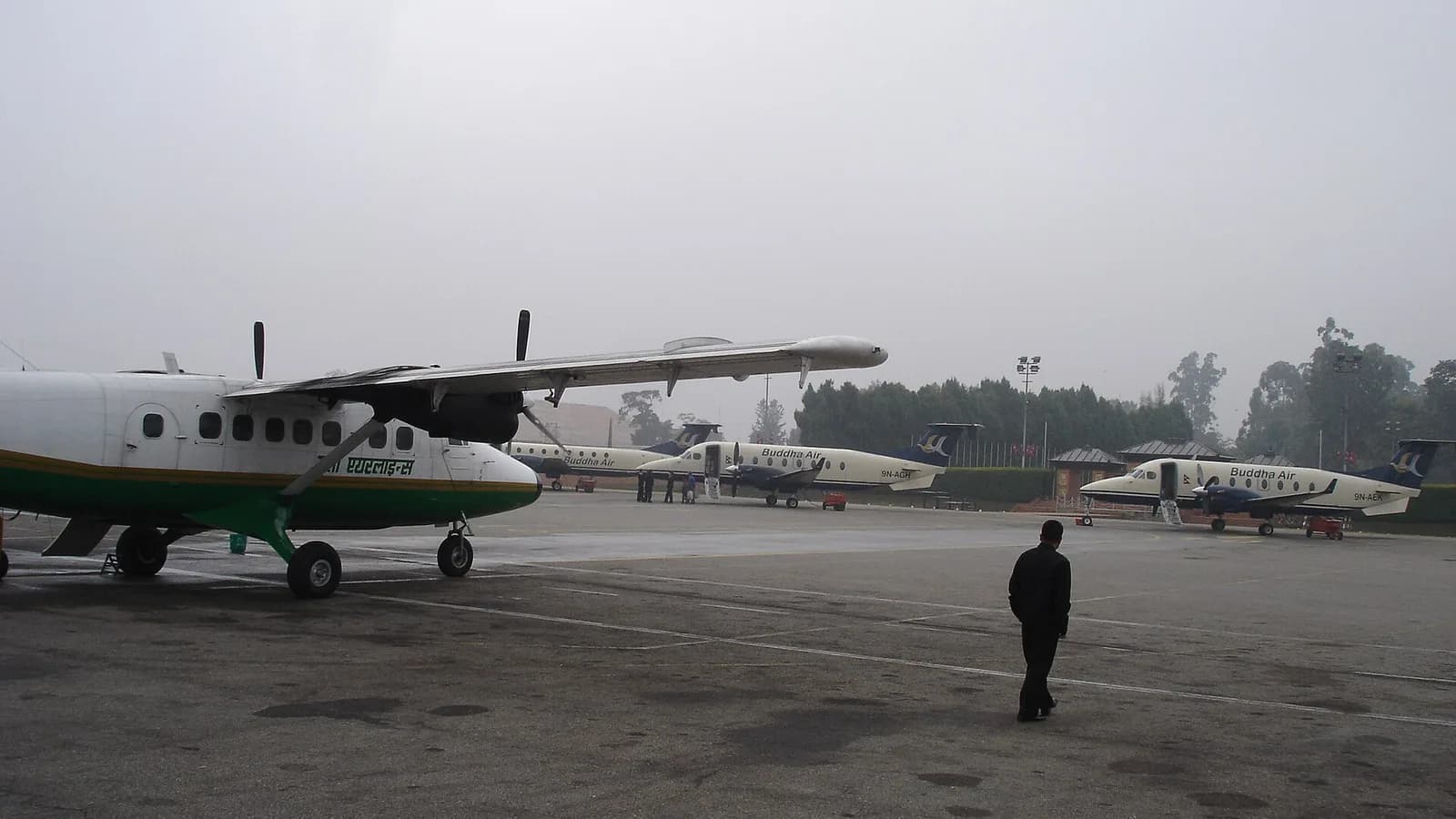
Most travelers can get a Nepal tourist visa on arrival at Tribhuvan International Airport in Kathmandu (and at most land borders with India). It's straightforward, the immigration officers are friendly, and the cost is low. The complication is the queue — and a few specific changes in 2026 that affect what you bring.
Here's the current process, what to do before flying, and how to spend 10 minutes at immigration instead of 90.
Who's eligible
Nationals of most countries can get visa-on-arrival. The notable exceptions (must apply at a Nepali embassy in advance) include:
- Nigeria
- Ghana
- Cameroon
- Somalia
- Liberia
- Ethiopia
- Iraq
- Palestine
- Afghanistan
- Syria
- Swaziland
- Zimbabwe
If your passport isn't on that list, you can get the visa at the airport. Confirm the current exclusion list at the Nepal Department of Immigration website before booking.
The three visa tiers
| Duration | Cost (2026) | What it's for | |---|---|---| | 15 days | USD 30 | Quick Kathmandu + one trek or one region | | 30 days | USD 50 | Standard tourist trip — most travelers pick this | | 90 days | USD 125 | Longer treks, multiple regions, or staying for festivals across months |
Pay in USD cash, exact change preferred. They also accept EUR, GBP, AUD, JPY at the booth — but USD is the cleanest. Bring two $20s or a $50 in clean condition. They will reject torn or marked notes.
You can pay by card at some counters but the system is slow and unreliable. Cash is faster.
What to bring
- Passport with at least 6 months validity from the date of entry
- One blank visa page (full page, not just a corner)
- One passport-size photo (recent, white background) — optional in 2024+ since the kiosks now have a camera, but bring one anyway in case the kiosk is broken
- USD cash in the exact amount
- A pen — surprisingly hard to find at the airport
That's it. No invitation letter, no proof of onward travel (theoretically required but almost never checked), no hotel booking.
The actual process at Tribhuvan Airport
You'll land, deplane, and walk into the arrivals hall. The visa-on-arrival flow has four steps:
Step 1: The kiosk.
A row of self-service kiosks against the right-hand wall. You scan your passport, enter your details, take a photo, and the machine prints a slip. This step usually takes 3–5 minutes per person.
Tip: do this BEFORE you queue for the payment counter. Kiosks have a separate, shorter line than the payment desks.
Step 2: Pay at the bank counter.
A row of bank counters past the kiosks. Hand over the slip, your passport, and the cash. They give you a payment receipt. Takes 2–3 minutes.
Step 3: Immigration counter.
The longest line. You hand over the passport, the slip, and the payment receipt. They affix the visa sticker, stamp the passport, and you're done.
Step 4: Baggage claim, then customs.
Customs is light — they rarely check tourist bags. Walk through the green "nothing to declare" channel unless you're carrying restricted items.
How to skip the longest line
The immigration counter (Step 3) is the bottleneck. The lines at peak arrivals (afternoon flights from Doha, Dubai, Bangkok land within a 90-minute window) can be 90 minutes long.
Trick 1: Fill the visa form online before flying.
The Nepal Department of Immigration website lets you fill the visa application up to 15 days before arrival. You print the confirmation, scan it at the kiosk, and skip Step 1 entirely. Saves 5–10 minutes and means you're already in the payment queue before passengers who land at the same time.
Trick 2: Get a window seat near the front of the plane.
You'll be one of the first 30 people off the plane and through immigration. The 100 people behind you wait an hour.
Trick 3: Avoid the afternoon arrival cluster.
Flights from the Gulf (Doha, Dubai, Abu Dhabi) and Bangkok land between 12:30 and 16:00. Morning arrivals (from Delhi, Mumbai, Bhutan) have nearly empty immigration counters. If you can pick your routing, an early arrival is worth the inconvenience.
Trick 4: Have everything in your hand.
Passport, slip, cash, pen all in one hand by the time you reach the counter. Officers process you faster when you're not fumbling.
Extending the visa
Tourist visas are extendable up to a maximum of 150 days per calendar year. Extensions are done at the Department of Immigration office in Kalikasthan, Kathmandu (and a smaller office in Pokhara).
Cost: USD 45 for the first 15 days extension, then USD 3/day after that. Takes a few hours if you go first thing in the morning. Bring passport, copies of your visa page, and a passport photo.
You cannot extend at the airport on your way out. If you've overstayed, you pay the overstay fine (USD 5/day plus the standard visa fee for the overstay period) at the airport.
See our Nepal visa extension guide for the step-by-step.
Land border entries
Visa on arrival is available at the major land border crossings from India:
- Sunauli/Belahiya (from Gorakhpur, India) — busy, often slow
- Birgunj/Raxaul (from Patna, India)
- Kakarbhitta/Panitanki (from Siliguri, India)
- Nepalgunj/Rupaidiha (from Bahraich, India)
Same fees, same documents. The process is more manual and can take 1–2 hours depending on the border post.
From Tibet (Kerung crossing), visas are not issued on arrival — you need a Chinese-issued Nepal visa in advance.
What changed in 2026
- Online pre-filling is now standard (was patchy before 2024)
- Cash counters accept EUR, GBP, AUD, JPY in addition to USD (was USD-only)
- Card payment is theoretically available but unreliable
- Photo requirement softened — kiosk takes it, paper photo optional
Pre-flight checklist
- Passport valid for 6+ months
- Visa form pre-filled at immigration.gov.np
- USD cash in exact amount in clean bills
- Passport photo (paper) as backup
- Pen
- Hotel address printed (rarely asked but immigration sometimes wants it)
- A few Nepali greetings — the immigration officer will smile when you say "namaste" instead of "hi"
On the other side of customs
You'll walk into a chaos of taxi solicitations. Skip them — use the prepaid taxi booth inside the arrivals hall. NPR 700 to Thamel. The taxi scenario script covers the off-airport version where you don't have the prepaid option.
Welcome to Nepal. The hard part is over — and you've still got at least one customs officer to grin at if you can pull off "Namaste, dhanyabad."
Spotted an error in this post? Tell us or suggest a correction.
Related posts
ABC Trek: A Plain-English Guide to Annapurna Base Camp
The ABC trek (Annapurna Base Camp) explained — the route, how many days it takes, difficulty, the best seasons, and what daily trail life is really like.
Read postAma Dablam Climb: 2026 Expedition Guide (6,812m)
An Ama Dablam climb and expedition guide for 2026 — height, the Southwest Ridge route, camps, fixed ropes, difficulty, permits, cost and the best seasons.
Read postAnnapurna vs Manaslu: Which Trek Should You Choose?
An Annapurna vs Manaslu decision guide for trekkers — compare permits, crowds, difficulty, infrastructure and cost to pick the right Himalayan route.
Read postAsan Bazaar Kathmandu: Old Town Market Guide
A visitor guide to Asan bazaar, Kathmandu's oldest market — its six-road square, Annapurna Temple, what to buy, when to go, and how to get there.
Read postAyurveda Nepal: A Traveller's Guide to Healing
Ayurveda Nepal explained for tourists — the history, the doshas, treatments like Panchakarma and Shirodhara, where to go and how to choose a centre safely.
Read postBest Restaurants Pokhara Lakeside: Where to Eat
The best restaurants in Pokhara Lakeside — lakeside trout, wood-fired pizza, Tibetan momos and healthy cafes, with what to order and rough 2026 prices.
Read post