WiFi in Nepal: A Traveller's Guide to Getting Online
How good is WiFi in Nepal? Where to find free WiFi, what to expect in hotels, cafes and airports, plus the truth about WiFi while trekking.
In the cities, WiFi is everywhere and usually free. On the trail, treat every bar of signal as a bonus.
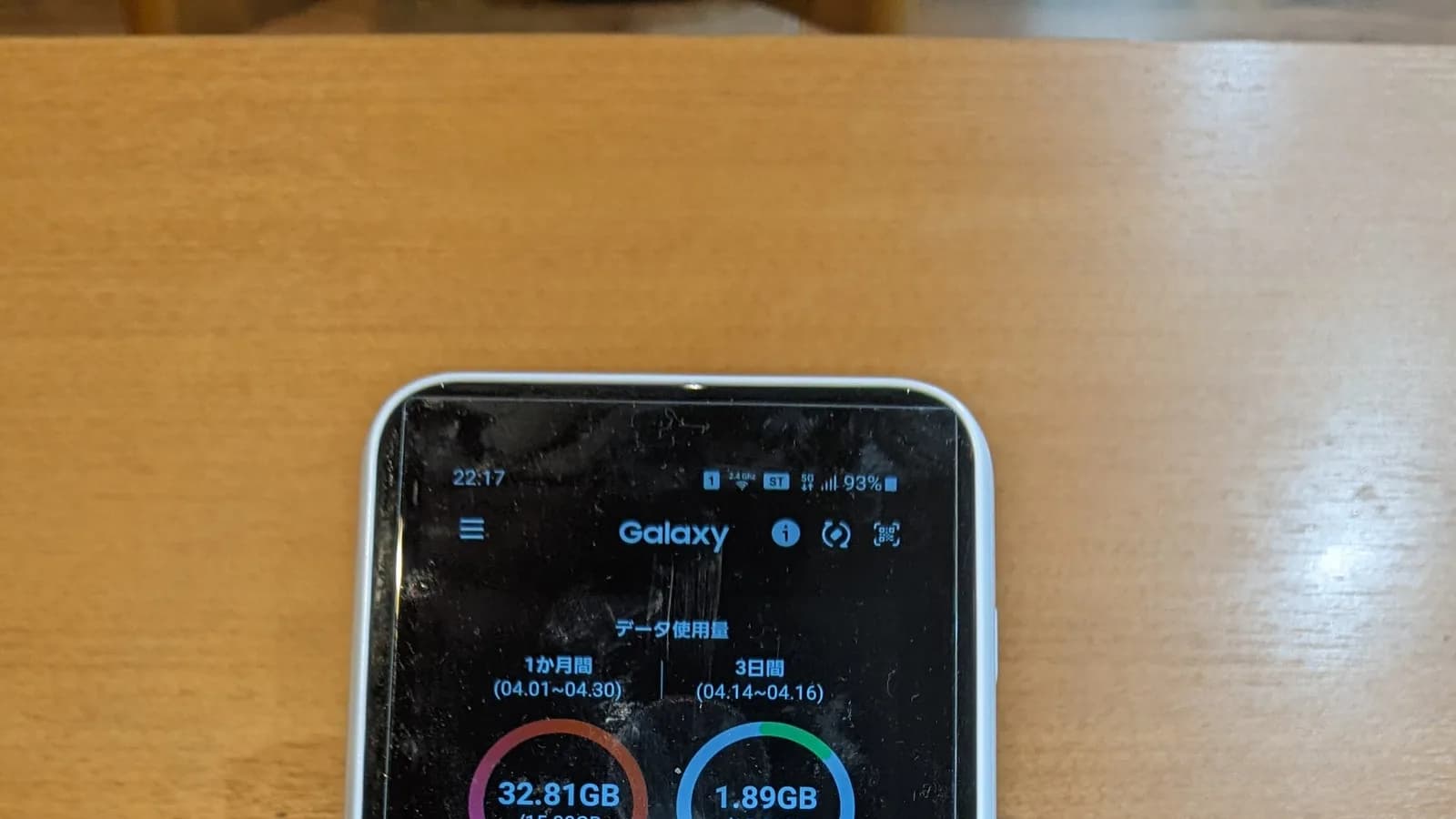
For a country whose biggest draw is its mountains, Nepal is surprisingly well connected — at least in the places most travellers spend their first and last nights. Walk into almost any cafe or guesthouse in Kathmandu or Pokhara and there'll be a WiFi password taped to the counter. Head uphill onto a trekking route, though, and the rules change completely.
This guide explains what to realistically expect from WiFi in Nepal: where it's free, where it's fast, where it quietly stops working, and how it fits alongside a local SIM. If you'd rather have data that follows you everywhere, our guides to the best SIM card for Nepal and eSIMs in Nepal cover the mobile side; this article is the WiFi half of the same question. Connectivity changes fast, so sources are linked at the end.
Key takeaways
- In Kathmandu and Pokhara, free WiFi is the norm in hotels, guesthouses, cafes and restaurants — quality varies, so keep a backup.
- The tourist hubs of Thamel and Lakeside generally have the most reliable connections.
- Free public WiFi is expanding — Nepal Telecom launched free WiFi at Tribhuvan International Airport in late 2025, and a government scheme has been adding hotspots at public sites in Kathmandu.
- On treks, WiFi is patchy — often slow, intermittent and sometimes charged per device, dropping out entirely at altitude.
- WiFi plus a local SIM beats either alone: WiFi for big downloads, mobile data for everywhere in between.
- Treat public WiFi as convenient, not private — avoid sensitive logins on open networks without a VPN.
WiFi in the cities: usually free, usually fine
In Kathmandu and Pokhara, getting online over WiFi is rarely a problem. Nearly every hotel, guesthouse, cafe and restaurant offers it free, and the density of cafes in the main tourist areas means you're seldom far from a connection. The tourist districts — Thamel in Kathmandu and Lakeside in Pokhara — tend to have the fastest and most reliable WiFi, partly because so many of the businesses there cater to visitors who expect it.
That said, "available" and "good" aren't the same thing. Signal quality, speed and stability differ noticeably between venues, and a busy cafe in the evening — when every other traveller is also online — can crawl. Some hotels in the main areas advertise genuinely quick connections, while a cheap guesthouse might give you just enough to load a map. The sensible approach is to assume nothing until you've tested it, and to keep a mobile-data backup for the moments WiFi lets you down.
Where city WiFi shines
City WiFi is at its best for the data-hungry tasks you don't want to burn mobile data on:
- Video calls home and longer catch-ups
- Uploading photos and backing up your phone
- Downloading offline maps, films or large files before heading to the hills
- Working remotely for a few hours from a cafe
For settling in, our guides to where to stay in Kathmandu and things to do in Pokhara point you toward the neighbourhoods where cafe-and-WiFi life is easiest.
Free public WiFi is growing
Beyond hotels and cafes, Nepal has been expanding genuinely free public WiFi. Two developments stand out for travellers.
First, Tribhuvan International Airport — the main gateway in Kathmandu — got a free WiFi service launched by Nepal Telecom in late October 2025, covering the arrival, departure and waiting areas, as part of a wider plan to roll out free airport WiFi across the country. That means you can, in principle, get online to message your accommodation or sort a ride the moment you land, before you've bought a SIM.
Second, a government-backed scheme has been deploying free public WiFi hotspots at key public locations in Kathmandu, delivered in partnership between Nepal Telecom and major internet providers, with stated ambitions to extend the service to more cities. It's early days, coverage is uneven, and public hotspots come with the usual caveats about security and reliability — but the direction of travel is clearly toward more free connectivity in public spaces.
| Where | WiFi situation | | --- | --- | | City hotels and guesthouses | Free, widely available, quality varies | | Cafes and restaurants (Thamel, Lakeside) | Free, usually the most reliable | | Tribhuvan International Airport | Free public WiFi (launched late 2025) | | Public hotspots in Kathmandu | Free, expanding, coverage uneven | | Trekking teahouses | Patchy, often slow, sometimes paid |
WiFi while trekking: manage your expectations
This is where many travellers get caught out. The mental image of being totally cut off in the mountains is outdated — but so is any assumption of smooth connectivity. Along well-travelled routes such as the Annapurna Circuit and the trail to Everest Base Camp, many lodges and teahouses do advertise WiFi. The catch is that it's frequently slow, intermittent and sometimes charged per device, and the higher and more remote you go, the less dependable it becomes — until at some point it stops being a realistic option.
A few practical realities to plan around:
- Expect to pay. Where WiFi exists on the trail, a per-use or per-device fee is common, on top of charging fees for your devices.
- Don't plan to work from the mountains. A connection good enough for a quick message is one thing; a stable video call is another.
- Download before you climb. Maps, reading and entertainment should be on your device before you leave the trailhead town.
- Have an offline plan. Many trekkers treat the trail as a deliberate digital detox and only check in from larger villages.
For what to actually carry — including how device charging works at altitude — see our honest Nepal trekking packing list.
A note on charging your devices
WiFi and power go hand in hand on a trek, and both get scarcer with altitude. Many teahouses charge a fee to top up phones and power banks, since electricity is limited and often solar. A power bank you've fully charged in the city is the single most useful thing for keeping a phone alive between paid charges — and means you're not reliant on a socket being free when you arrive.
WiFi vs mobile data: use both
WiFi and a local SIM aren't competitors so much as a pair. The smart setup for most travellers is:
- A local SIM or eSIM as the everyday connection — data that follows you on buses, between cafes and partway up the trail.
- WiFi for the heavy lifting — uploads, backups, big downloads and video calls when you've got a solid connection.
Mobile coverage in Nepal is strong in the cities and along main roads, and reaches surprisingly far up popular trekking routes, which is exactly where WiFi gives out. For choosing between the two main carriers and buying without the airport markup, see our best SIM card for Nepal guide; if you'd rather arrive already online, our eSIM in Nepal guide explains how a travel eSIM can have data ready the moment you land.
| | City WiFi | Local SIM / eSIM | | --- | --- | --- | | Cost | Usually free | Cheap, paid | | Coverage | Fixed spots only | Follows you everywhere there's signal | | Best for | Big downloads, video calls | Maps, messaging, on the move | | On the trail | Patchy, often paid | Often works further than WiFi does |
Staying safe on shared WiFi
Public and hotel WiFi in Nepal carries the same general risks as shared networks anywhere. For everyday browsing, messaging and maps, it's perfectly fine. But for anything sensitive — banking, payments, important account logins — it's wise to either use a VPN or switch to your own mobile data, which isn't shared with a roomful of strangers. This isn't a Nepal-specific warning so much as basic travel hygiene, but the abundance of open networks here makes it worth repeating. Being a little cautious online also dovetails with avoiding the more general tourist scams that target visitors.
Quick answers for trip planning
- Arriving: there's now free WiFi at Tribhuvan International Airport, but a SIM or eSIM is still the smoothest way to be reliably online from the kerb.
- In the cities: assume free WiFi almost everywhere you'll eat or sleep, with variable speed.
- Working remotely: base yourself in Thamel or Lakeside, test a cafe's connection before committing, and keep mobile data as a fallback.
- Trekking: plan to be mostly offline; download everything first and budget a little for paid WiFi and charging.
Sources
- Free WiFi in Nepal 2026: Where to Find It, How to Connect — Merokalam
- Mobile Internet & WiFi in Nepal 2026 — The Longest Way Home
- Nepal Telecom starts free WiFi at Tribhuvan International Airport — Nepali Telecom
- Nepal Telecom Launches Free Wi-Fi at All Airports, Starting With Tribhuvan — Tech Pana
- Free Wi-Fi Now Available at 19 Locations in Kathmandu — Tech Pana
- Stay Connected While Trekking in Nepal — Nepal Vision Treks
Frequently asked questions
- Is WiFi widely available in Nepal?
- In the cities, yes. Nearly every hotel, guesthouse, cafe and restaurant in Kathmandu and Pokhara offers free WiFi, and the tourist hubs of Thamel and Lakeside tend to have the best connections. Reliability and speed vary from place to place, so it is sensible to have mobile data as a backup. In rural areas and on treks, WiFi becomes patchy and is often slow or paid.
- Is the WiFi in Nepal free?
- Usually, in tourist accommodation and eateries. Free WiFi is the norm in city hotels, guesthouses, cafes and restaurants. Free public hotspots have also been expanding: Nepal Telecom launched free WiFi at Tribhuvan International Airport in late 2025 and a government-backed scheme has been rolling out free hotspots at public locations in Kathmandu. On treks, by contrast, WiFi often carries a per-use charge.
- Is there free WiFi at Kathmandu airport?
- Yes. Nepal Telecom officially launched a free WiFi service at Tribhuvan International Airport in late October 2025, covering arrival, departure and waiting areas, with plans to extend free WiFi to more airports across the country. As with any public WiFi, treat it as convenient rather than guaranteed, and avoid sensitive logins on it without protection.
- Can I rely on WiFi while trekking in Nepal?
- Not reliably. Many teahouses and lodges along popular routes such as the Annapurna Circuit and Everest Base Camp do offer WiFi, but connections are frequently slow, intermittent and sometimes charged per device. Above a certain altitude it can drop out altogether. Most trekkers treat WiFi as a bonus and rely on a local SIM, satellite messenger or simply going offline.
- Should I use WiFi or buy a SIM card in Nepal?
- Both, ideally. City WiFi is great for heavy use like video calls and uploads when it is working, but a cheap local SIM or eSIM gives you data that follows you between cafes, on buses and on the trail where WiFi runs out. For most travellers a local SIM as the everyday connection plus WiFi for big downloads is the comfortable combination.
- Is public WiFi in Nepal safe to use?
- Public and hotel WiFi in Nepal carries the same general risks as anywhere else, so avoid logging into banking or other sensitive accounts on open networks without a VPN. For everyday browsing, messaging and maps it is fine. If you handle anything sensitive, your own mobile data connection is generally a safer choice than an open shared network.
- How fast is WiFi in Nepal?
- It varies widely by location. Some hotels in the main tourist areas advertise fast connections, while budget guesthouses and busy cafes can be much slower, especially in the evening when everyone is online. City fibre connections have improved a lot in recent years, but speed and stability still differ from place to place, so do not assume a fast connection until you have tested it.
Spotted an error in this post? Tell us or suggest a correction.
Related posts
ABC Trek: A Plain-English Guide to Annapurna Base Camp
The ABC trek (Annapurna Base Camp) explained — the route, how many days it takes, difficulty, the best seasons, and what daily trail life is really like.
Read postAma Dablam Climb: 2026 Expedition Guide (6,812m)
An Ama Dablam climb and expedition guide for 2026 — height, the Southwest Ridge route, camps, fixed ropes, difficulty, permits, cost and the best seasons.
Read postAnnapurna vs Manaslu: Which Trek Should You Choose?
An Annapurna vs Manaslu decision guide for trekkers — compare permits, crowds, difficulty, infrastructure and cost to pick the right Himalayan route.
Read postAsan Bazaar Kathmandu: Old Town Market Guide
A visitor guide to Asan bazaar, Kathmandu's oldest market — its six-road square, Annapurna Temple, what to buy, when to go, and how to get there.
Read postAyurveda Nepal: A Traveller's Guide to Healing
Ayurveda Nepal explained for tourists — the history, the doshas, treatments like Panchakarma and Shirodhara, where to go and how to choose a centre safely.
Read postBest Restaurants Pokhara Lakeside: Where to Eat
The best restaurants in Pokhara Lakeside — lakeside trout, wood-fired pizza, Tibetan momos and healthy cafes, with what to order and rough 2026 prices.
Read post