Nepal Temples: A Tourist's Guide to the Best Ones
A tourist guide to Nepal temples: the must-visit Hindu and Buddhist sites, the architecture styles, entry rules and how to plan your visits.
In Nepal a temple is rarely just a building — it is a workshop of carved gods, still in daily use.
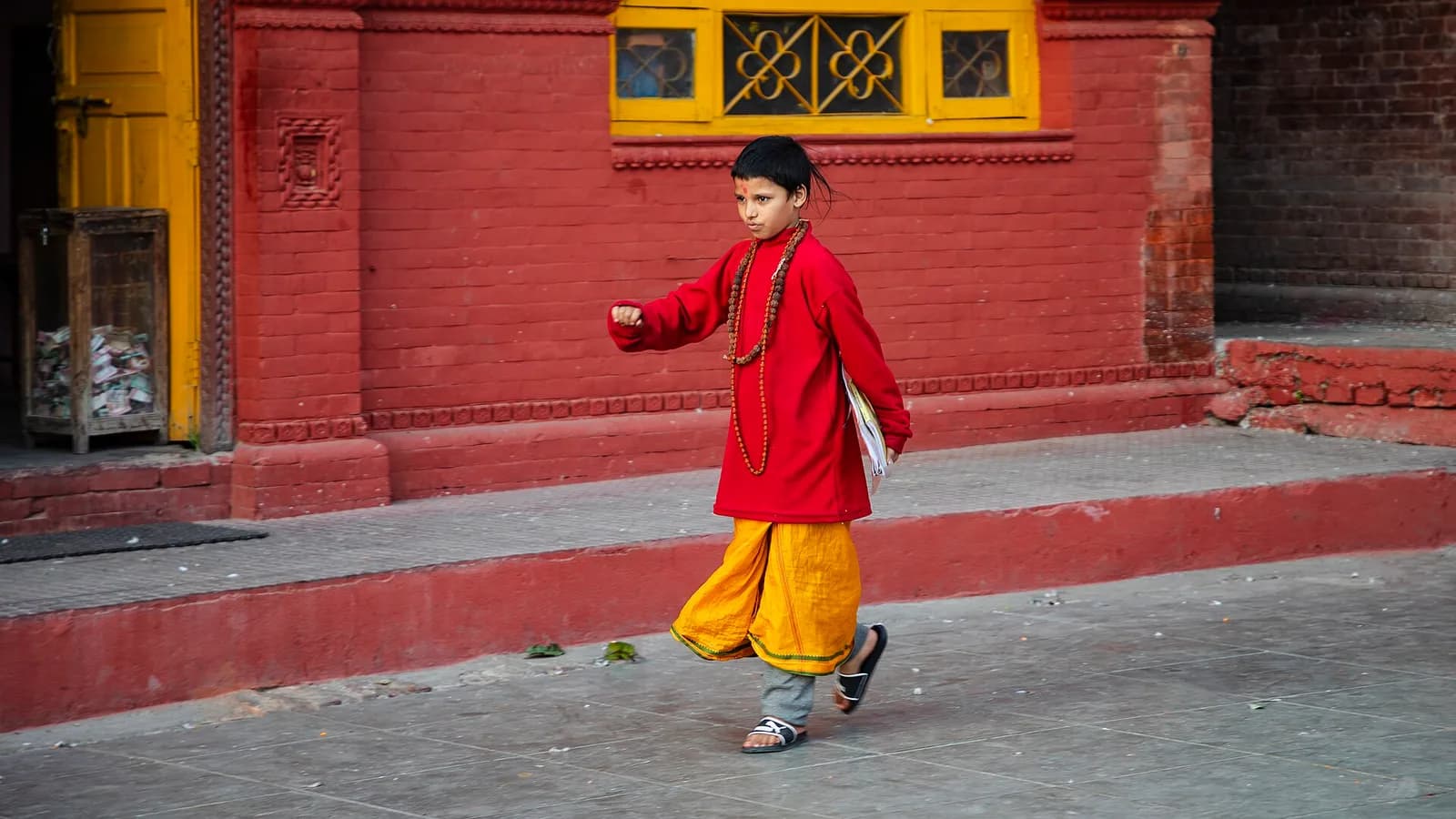
If there is one thing every visitor remembers about Nepal, it is the temples. They are everywhere — crowning hilltops, anchoring city squares, tucked into courtyards down narrow lanes — and unlike ruins elsewhere, Nepal temples are still living places of worship, thick with incense, marigolds and the clang of bells. For a tourist, they are the single best window into the country's culture.
This guide is your practical introduction to the temples of Nepal: which ones are worth your time, what makes their architecture so distinctive, the difference between Hindu and Buddhist sites (and why the line is often blurry), and the simple rules that let you visit without causing offense. Whether you have three days in Kathmandu or three weeks across the country, this is how to make the most of Nepal's sacred landmarks.
Key takeaways
- Nepal's temples come in three architectural styles: pagoda, shikhara and stupa.
- The Kathmandu Valley alone holds an extraordinary density of temples, seven of them UNESCO-listed.
- Sites are Hindu, Buddhist, or both — syncretism is the norm, not the exception.
- Some inner sanctums are restricted to Hindus; foreigners visit the courtyards.
- Most major temples charge foreigners an entry fee in rupees that changes over time — confirm on arrival.
- Beyond the valley, Muktinath, Manakamana and Janaki Mandir are standout pilgrimage temples.
Understanding Nepali temple architecture
Before you visit, it helps to know what you are looking at. Nepali sacred architecture falls into three broad families, and once you can tell them apart, every square starts to make sense.
The pagoda (tiered temple)
The image most associated with Nepal is the pagoda: a temple with a series of roofs stacked one above another, each smaller than the last, supported by elaborately carved wooden struts. These struts, called tundal, are works of art in their own right, depicting deities, guardians and sometimes startlingly explicit figures. The style flourished under the Malla dynasty (roughly 1200–1769) and reached its peak in the brick-and-timber temples of the three Durbar Squares. A young Nepali master craftsman, Araniko, is famously credited with carrying the pagoda form north into Tibet and China in the 13th century, influencing East Asian architecture.
The materials are humble and local — fired brick set in mud mortar, timber, and small overlapping terracotta roof tiles — often finished with gilded copper and brass at the pinnacle. The towering five-roofed Nyatapola in Bhaktapur is the textbook example.
The shikhara (tower temple)
Borrowed from north Indian tradition, the shikhara is a tall, curvilinear stone tower that tapers to a point, symbolizing a sacred mountain. These temples are usually built of carved stone rather than brick and wood, and they stand out sharply beside the pagodas. The elegant stone Krishna Mandir in Patan Durbar Square is the most admired shikhara in the country.
The stupa
The third form is Buddhist: the stupa, a solid hemispherical dome enshrining sacred relics, topped by a cube (the harmika) painted on all four sides with the watchful eyes of the Buddha. Stupas are the oldest religious structures in the valley. The two giants — Boudhanath and Swayambhunath — are explored in our Boudhanath stupa visitor guide and Swayambhunath guide.
| Style | Form | Material | Example | |---|---|---|---| | Pagoda | Stacked tiered roofs, carved struts | Brick, timber, terracotta | Nyatapola, Bhaktapur | | Shikhara | Curvilinear stone tower | Carved stone | Krishna Mandir, Patan | | Stupa | Domed mound with Buddha eyes | Brick, plaster, gilt | Boudhanath, Kathmandu |
The must-visit temples in and around Kathmandu
The Kathmandu Valley is the densest concentration of temples in the country, and most visitors start here. These are the ones to prioritize.
Pashupatinath
Nepal's holiest Hindu temple, dedicated to Shiva, sits on the banks of the sacred Bagmati River about 5 km from central Kathmandu. Built in pagoda style with a gilded roof, it is one of the most important Shiva shrines in the Hindu world and part of the Kathmandu Valley UNESCO listing. Note: only Hindus may enter the main temple — other visitors observe from across the river, where open-air cremations take place on the ghats. Read the Pashupatinath guide for foreigners before you go.
Boudhanath and Swayambhunath
The valley's two great stupas are essential. Boudhanath is the largest in Nepal and the heart of the Tibetan Buddhist community; Swayambhunath, the hilltop "Monkey Temple," is among the oldest sites in the valley and a perfect example of Hindu-Buddhist blending.
The Durbar Square temples
The old royal squares of Kathmandu, Patan and Bhaktapur are essentially open-air temple museums. Within a few minutes' walk you can see dozens of pagodas, the Krishna Mandir shikhara, and intricately carved palace courtyards. Explore them with our guides to Kathmandu Durbar Square, the Patan / Lalitpur guide, and a Bhaktapur day trip.
Changu Narayan
A short trip from Bhaktapur, Changu Narayan is widely regarded as the oldest temple in Nepal, dedicated to Vishnu and home to a stone inscription dating to the fifth century. It is quieter than the city temples and surrounded by a traditional Newar village — a rewarding half-day for anyone interested in early Nepali art.
Pilgrimage temples beyond the valley
Some of Nepal's most revered temples lie well outside Kathmandu and reward the journey.
Muktinath
High in the Mustang region at around 3,800 metres, near the Thorong La pass on the Annapurna circuit, Muktinath is one of the world's highest temples and sacred to both faiths. Hindus revere it as a self-manifested abode of Vishnu — the only one outside India — while Tibetan Buddhists know the area as Chumig Gyatsa, the "Hundred Springs," linked to Guru Padmasambhava. Pilgrims bathe under its famous 108 brass water spouts and visit the adjacent Jwala Mai shrine, where a natural gas flame burns beside flowing water. Our Muktinath temple guide covers how to reach it.
Manakamana
In Gorkha district, the Manakamana temple — dedicated to a wish-fulfilling goddess and revered since the 17th century — is famous for its access: a scenic cable car from Kurintar on the Kathmandu–Pokhara highway lifts you to a two-tiered pagoda in a hilltop courtyard. It is an easy and atmospheric detour; see the Manakamana cable car guide.
Janaki Mandir
In the southern Terai city of Janakpur, Janaki Mandir is a striking white, marble-and-stone temple dedicated to the goddess Sita, traditionally believed to be her birthplace. Built in a distinctive ornate style with around sixty rooms, it is one of the grandest temples in Nepal and the spiritual center of the Mithila region — a very different look from the brick pagodas of the hills.
Hindu, Buddhist, or both?
One of the most charming things about Nepal's temples is how often the question "is this Hindu or Buddhist?" has no clean answer. The two faiths have shared the valley for over a thousand years, and many sites and deities belong to both.
- Buddhist stupas like Swayambhunath contain Hindu shrines within their precincts.
- The compassionate bodhisattva Avalokiteshvara is identified by many Nepalis with a form linked to Vishnu.
- Muktinath is simultaneously a major Vishnu shrine and a sacred Buddhist site.
- Festivals frequently cross the line, celebrated by both communities.
For the deeper religious background, our Buddhism in Nepal guide explains the traditions you will encounter, and several of these temples form part of the broader UNESCO World Heritage Sites in Nepal.
Temple etiquette: the short version
Temples are working religious spaces, and a little courtesy goes a long way. The essentials:
- Remove your shoes at the threshold of shrines and where signs indicate.
- Dress modestly — shoulders and knees covered for everyone.
- Walk clockwise around stupas and shrines.
- Ask before photographing interiors, priests or worshippers; many inner sanctums forbid photos entirely.
- Use your right hand (or both hands) for offerings.
- Avoid leather items in some Hindu inner sanctums, where they are considered impure.
- Respect "Hindus only" signs — they are firmly enforced.
These overlap heavily with our full Nepal temple etiquette guide, which goes rule by rule. Learning a phrase or two also helps — our Nepali phrases every trekker should know includes greetings that land warmly with priests and caretakers.
Entry fees and practical planning
Most of the headline temples charge foreigners an entry fee, paid in Nepali rupees at the gate. These fees are revised from time to time, so treat any figure you read in advance as a rough guide and confirm the current amount on the day. Nepalis (and at some sites, Indians) often enter free or at reduced rates.
A few planning tips:
- Cluster your temple days by city — do the three Durbar Squares on separate days, since each deserves several hours.
- Hire a licensed guide at the Durbar Squares; the carving means far more with context.
- Go early for atmosphere and soft light, especially at Boudhanath and Pashupatinath.
- Carry small rupee notes for entry fees and modest donations to temple poor-boxes.
For budgeting the whole trip, our Nepal travel budget and Nepal trip cost guides fold temple fees into realistic daily spending, and the best time to visit Nepal guide helps you pick clear, comfortable months for sightseeing.
A suggested temple itinerary
If temples are your priority, here is a clean way to see the best of them.
| Day | Temples / squares | City | |---|---|---| | 1 | Pashupatinath and Boudhanath | Kathmandu | | 2 | Swayambhunath and Kathmandu Durbar Square | Kathmandu | | 3 | Patan Durbar Square (Krishna Mandir) | Patan | | 4 | Bhaktapur Durbar Square and Changu Narayan | Bhaktapur | | 5+ | Add Manakamana or Muktinath en route to Pokhara/Mustang | Beyond valley |
With this loop you will have seen all three architectural styles, both major religions, and several UNESCO monuments — a complete cross-section of Nepal's sacred heritage in under a week.
Sources
Frequently asked questions
- What are the most famous temples in Nepal for tourists?
- Pashupatinath, Boudhanath and Swayambhunath in Kathmandu, plus Muktinath, Changu Narayan, Manakamana and Janaki Mandir.
- Can foreigners enter Hindu temples in Nepal?
- Usually the courtyards, yes, but some inner sanctums are restricted. At Pashupatinath only Hindus may enter the main temple.
- What style are Nepali temples built in?
- Three main styles: tiered pagoda temples, towering shikhara stone temples, and domed Buddhist stupas with painted Buddha eyes.
- Which is the oldest temple in Nepal?
- Changu Narayan, a hilltop Vishnu temple above Bhaktapur, is widely regarded as the oldest, with a fifth-century inscription.
- Do I need to pay to enter temples in Nepal?
- Many major sites charge foreigners an entry fee in Nepali rupees at the gate; amounts change, so confirm on arrival.
- What should I wear to visit a temple in Nepal?
- Dress modestly with shoulders and knees covered, remove your shoes at the threshold, and avoid leather in some inner areas.
- Are Nepal's temples Hindu or Buddhist?
- Both, and often blended. Many sites are shared, and some deities are worshipped by Hindus and Buddhists alike.
Spotted an error in this post? Tell us or suggest a correction.
Related posts
ABC Trek: A Plain-English Guide to Annapurna Base Camp
The ABC trek (Annapurna Base Camp) explained — the route, how many days it takes, difficulty, the best seasons, and what daily trail life is really like.
Read postAma Dablam Climb: 2026 Expedition Guide (6,812m)
An Ama Dablam climb and expedition guide for 2026 — height, the Southwest Ridge route, camps, fixed ropes, difficulty, permits, cost and the best seasons.
Read postAnnapurna vs Manaslu: Which Trek Should You Choose?
An Annapurna vs Manaslu decision guide for trekkers — compare permits, crowds, difficulty, infrastructure and cost to pick the right Himalayan route.
Read postAsan Bazaar Kathmandu: Old Town Market Guide
A visitor guide to Asan bazaar, Kathmandu's oldest market — its six-road square, Annapurna Temple, what to buy, when to go, and how to get there.
Read postAyurveda Nepal: A Traveller's Guide to Healing
Ayurveda Nepal explained for tourists — the history, the doshas, treatments like Panchakarma and Shirodhara, where to go and how to choose a centre safely.
Read postBest Restaurants Pokhara Lakeside: Where to Eat
The best restaurants in Pokhara Lakeside — lakeside trout, wood-fired pizza, Tibetan momos and healthy cafes, with what to order and rough 2026 prices.
Read post