Nepal for Retirees: A Relaxed Guide for Senior Travellers
Nepal for retirees and senior travellers — low-altitude cities, gentle walks, wildlife and how to pace a comfortable trip in your 60s, 70s and beyond.
You do not need to climb anything to feel the Himalaya — most of Nepal's highlights sit at a gentle altitude, reached at a pace that suits a slower, richer way of travelling.
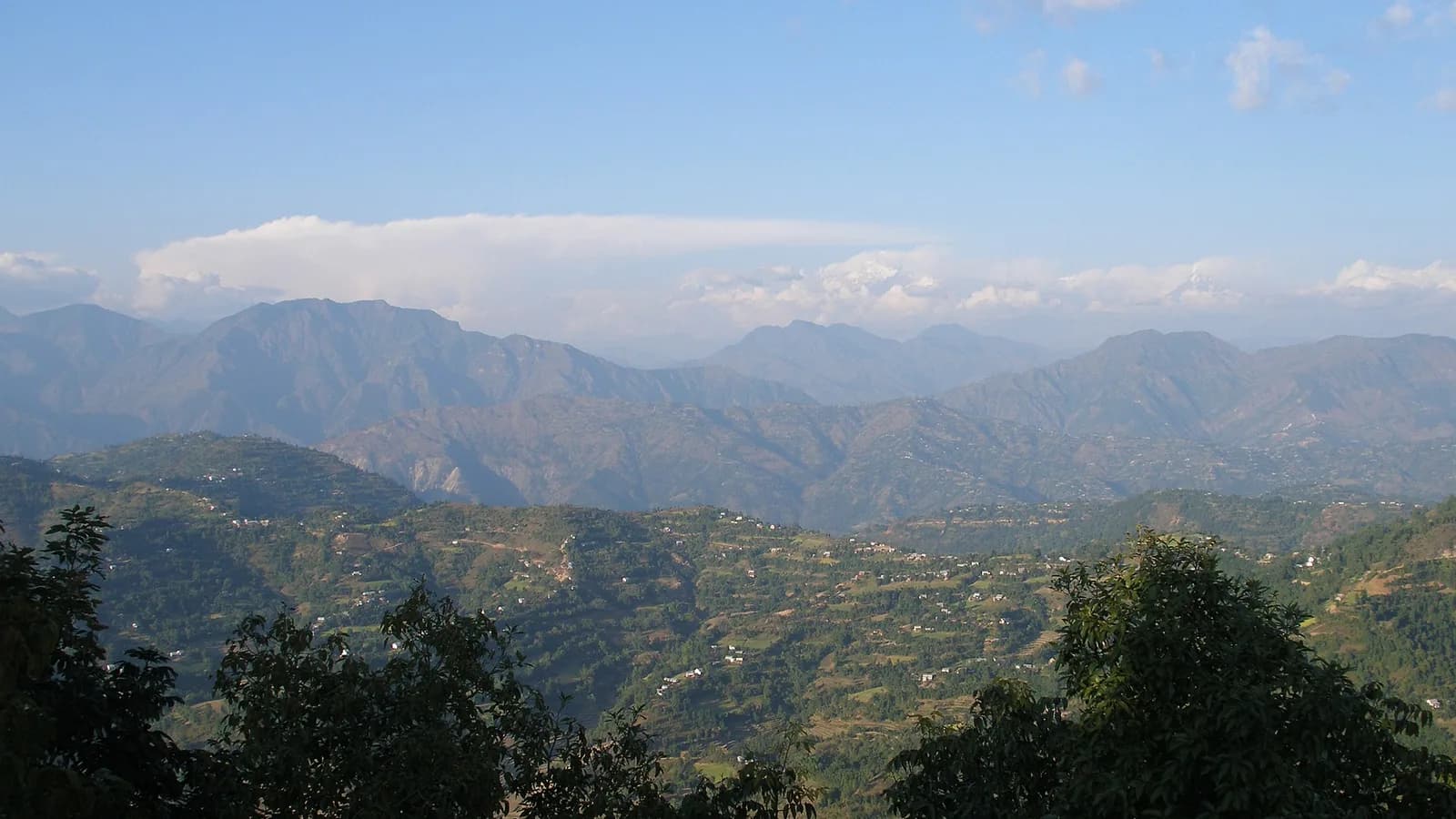
Travelling Nepal for retirees is one of the great surprises of later-life travel: a Himalayan country whose finest moments rarely ask you to climb anything. Most of the highlights — medieval city squares, a calm lake beneath snow peaks, a jungle full of rhinos — sit at a gentle altitude and can be enjoyed at exactly the pace you choose. For senior travellers who like culture, scenery and a little adventure but not a punishing schedule, Nepal delivers far more than its modest cost suggests.
This guide is written for visitors in their 60s, 70s and beyond who want comfort without missing the magic. It covers where to base yourself, when to come, how to see the mountains without trekking, and the health and safety basics that matter more as we get older. All practical details below come from recent travel and official health sources, linked at the end. None of it is medical advice — confirm health questions with a travel clinic before you go.
Key takeaways
- Most of Nepal is low and gentle: Kathmandu sits around 1,300 metres, Pokhara is lower, and Chitwan and Lumbini are near sea level, so altitude is rarely a concern.
- You do not need to trek to enjoy the Himalaya — viewpoints, scenic flights, cable cars and short walks deliver the views at a comfortable pace.
- Pokhara makes the easiest base: calmer and cleaner than the capital, with flat lakeside strolls and gentle boat trips.
- Chitwan is the standout wildlife experience for seniors, with jeep safaris and canoe trips you enjoy from a seat.
- Travel in autumn (late Sep–Nov) or spring (Mar–May), allow about 10–14 days, and build in rest days.
- Mind water, vaccinations and insurance, and use a private vehicle or guide to soften bumpy roads and uneven pavements.
Why Nepal suits senior travellers
The reason Nepal works so well later in life is that its scale is generous but its highlights are concentrated. The classic circuit of Kathmandu, Pokhara and Chitwan packs world-class culture, mountain scenery and wildlife into a relatively compact area, so you are not forever in transit. Just as importantly, the most memorable experiences are passive in the best sense — watching sunrise paint the peaks, drifting across a lake, spotting a rhino from a jeep — rather than physically demanding.
There is also the human side. Nepalis are famously warm and patient, and older guests are treated with genuine respect. Add some of the best value in long-haul travel, comfortable mid-range hotels in the main cities, and a culture where slowing down is normal, and you have a destination that rewards the unhurried traveller. The honest trade-off is infrastructure: pavements are uneven, traffic is busy, and roads can be slow and bumpy. The fix is simple — a steadier pace, a private vehicle, and a good guide.
Altitude, made simple
Worry about altitude is the single biggest thing that puts older travellers off Nepal, and for a standard cultural trip it is largely misplaced. Acute mountain sickness is uncommon below about 2,500 metres, and the core sights sit well under that line. Kathmandu Valley is around 1,300 metres, Pokhara is lower still, and Chitwan and Lumbini lie on the near-sea-level plains. You can spend a fortnight seeing the best of the country and never reach an altitude that troubles most people.
If you do add a higher viewpoint or a short hill walk, ascend gradually, give yourself time, and watch for headache, fatigue or nausea. Our altitude sickness Nepal trekking guide explains the warning signs and sensible limits, and is worth reading even for a gentle itinerary so you know where the comfortable ceiling lies.
Best places in Nepal for retirees
Pokhara — the most comfortable base
If you want one relaxed base, choose Pokhara. It is cleaner and calmer than Kathmandu, set against a dramatic wall of peaks, and built for slow days. The lakeside is flat and walkable, you can drift across Phewa Lake in a wooden boat, and the World Peace Pagoda gives a serene viewpoint reachable by a short boat-and-walk or by road. Sunrise from Sarangkot over the Annapurnas is a highlight you can reach by vehicle. Start with our guide to things to do in Pokhara for the gentlest options.
Kathmandu Valley — culture at a gentle pace
Kathmandu is loud, but its treasures are easy to enjoy in short, well-spaced visits. The valley's old royal cities — Patan and Bhaktapur — are largely traffic-free at their cores, so you can wander among temples and craft workshops on relatively level ground. The great stupa of Boudhanath offers a calm, flat circuit lined with cafés, ideal for a slow morning. Keep days short, broken up with tea and rest, and the capital becomes a pleasure rather than a trial.
Chitwan — wildlife from a seat
For many older visitors, Chitwan National Park is the trip's high point, and it asks very little of you physically. Jeep safaris and gentle dugout-canoe trips let you spot rhinos, deer, crocodiles and a wealth of birds while seated, and evening Tharu cultural shows round out the day. Our Chitwan safari guide explains how a visit is structured, and one-horned rhino Nepal gives you something to look forward to spotting. One honest note: some visitors raise animal-welfare concerns about certain elephant activities, so it is worth choosing operators thoughtfully.
Lumbini — calm and contemplative
The birthplace of the Buddha, Lumbini, is flat, peaceful and deeply atmospheric — a monastic garden dotted with temples from Buddhist nations around the world. It suits a slow, reflective pace and pairs naturally with Chitwan on the southern plains.
Seeing the Himalaya without trekking
You can stand the mountains up in front of you without a single night on a trail. The gentlest options include:
- Scenic mountain flights. A short Everest mountain flight brings you level with the highest peaks from a comfortable seat — no walking required.
- Cable cars. The Chandragiri Hills cable car near Kathmandu and the Manakamana cable car deliver big views with no climb.
- Sunrise viewpoints by road. Sarangkot above Pokhara and Nagarkot near Kathmandu are reached by vehicle for a dawn panorama.
- Short, flat walks. Easy strolls around lakeside Pokhara or the old-city lanes give a sense of place without strain.
If you find you want a gentle taste of the trail itself, our companion guide to senior trekking in Nepal covers the easiest low-altitude routes designed for older walkers.
Best time to visit Nepal as a senior
Season strongly affects how comfortable a trip feels, and for older travellers the shoulder seasons are the clear winners.
| Season | Months | What it means for retirees | |---|---|---| | Autumn | Late Sep–Nov | Mild, dry, the clearest skies; the most reliable and popular time | | Winter | Dec–Feb | Fine at low elevations but cold mornings; pack warm layers | | Spring | Mar–May | Warm and green, with blooming hillsides; views can haze later on | | Monsoon | Jun–Aug | Wet, humid and muddy; manageable in cities, harder elsewhere |
Autumn offers the most dependable weather and crisp mountain views, while spring is warm and colourful. The monsoon is best handled with a flexible, city-focused plan, and deep winter is comfortable at lakeside elevations but chilly for early starts. For the full picture, see our best time to visit Nepal and Nepal weather by month guides.
A relaxed two-week shape
With more time and a slower pace, fewer places beat a packed checklist. A comfortable trip runs about 10 to 14 days with rest days built in, for example:
- Days 1–3 — Kathmandu Valley. Short, well-spaced sightseeing in Patan, Bhaktapur and Boudhanath, with downtime to beat jet lag.
- Day 4 — Travel to Pokhara by scenic flight or a comfortable private vehicle.
- Days 5–8 — Pokhara. Lakeside strolls, a boat trip, the World Peace Pagoda, a Sarangkot sunrise and lazy afternoons.
- Days 9–11 — Chitwan. Jeep safari, canoe trip and a cultural show, all at a gentle pace.
- Days 12–14 — Return to Kathmandu, a buffer day, souvenir shopping and departure.
For a fuller framework you can adapt to your own energy, our two-week Nepal itinerary shows how the regions connect and what each travel day involves.
Health, safety and comfort
A few precautions keep a senior trip smooth. None of this is medical advice — confirm specifics with a travel clinic.
- Insurance. Comprehensive travel insurance with medical and helicopter-evacuation cover is essential, especially if you venture beyond the cities. Our guide to Nepal trekking insurance and helicopter evacuation explains what to look for, and the principle applies even on gentle trips.
- Vaccinations. No vaccine is legally required to enter Nepal, but several are commonly recommended. See a travel clinic ideally four to six weeks before departure, and use our Nepal vaccinations 2026 guide as a starting point.
- Water. Tap water is not safe to drink. Stick to bottled or properly treated water — see is the water safe to drink in Nepal.
- Air quality. Kathmandu's air can be poor, particularly in the dry winter months; our Kathmandu air quality guide helps you plan around it, which matters for anyone with respiratory issues.
- Getting around. Bumpy roads and uneven pavements are the real challenge, not danger. A private vehicle and an unhurried pace make a big difference — see Kathmandu to Pokhara transport and getting around Kathmandu. For mobility needs beyond a gentle pace, see our accessible travel Nepal guide.
- General safety. Nepal is broadly welcoming and low in violent crime; the usual care around traffic and petty theft applies. Our is Nepal safe guide has the detail.
Practical planning notes
A few logistics smooth the trip:
- Visa. Most visitors enter on a tourist visa on arrival; check the current process in our Nepal visa on arrival 2026 guide.
- Money. Nepal is largely a cash society once you leave big hotels; see Nepal currency and Nepal ATM withdrawal guide 2026.
- Connectivity. A local SIM or eSIM keeps maps and calls easy — see best SIM card in Nepal 2026.
- Budget. Nepal is gentle on the wallet; see real numbers in our Nepal travel budget and Nepal trip cost guides.
Nepal for retirees is proof that you can have a genuine Himalayan adventure without the hardship. Choose Pokhara and Chitwan as your anchors, travel in autumn or spring, lean on a private vehicle and a good guide, and keep the days unhurried — and you will come home with mountains, temples and wildlife in your memory, and energy to spare.
Sources
- Mosaic Adventure — Nepal Tours for Seniors: https://mosaicadventure.com/nepal-tours-for-seniors/
- iTour Nepal — Nepal tour and travel tips for seniors and over 50s: https://www.itournepal.com/blog/nepal-tour-senior.php
- Nepal Tourism Board — Tourist Visa: https://ntb.gov.np/plan-your-trip/before-you-come/tourist-visa
- Cleveland Clinic — Altitude Sickness: https://my.clevelandclinic.org/health/diseases/15111-altitude-sickness
- NaTHNaC (TravelHealthPro) — Nepal: https://travelhealthpro.org.uk/country/159/nepal
- CDC Travelers' Health — Nepal: https://wwwnc.cdc.gov/travel/destinations/traveler/none/nepal
Frequently asked questions
- Is Nepal a good destination for retirees and senior travellers?
- Yes, for active seniors who enjoy culture, scenery and wildlife rather than a beach resort. Most highlights sit at a comfortable altitude and can be seen at a gentle pace, with warm hospitality and very good value compared with most long-haul trips.
- How high is Kathmandu, and will altitude be a problem?
- Kathmandu Valley sits at roughly 1,300 metres, Pokhara is lower, and Chitwan and Lumbini are near sea level. Altitude sickness is uncommon below about 2,500 metres, so a city-and-plains trip rarely involves any altitude risk at all.
- What is the best time of year for older travellers to visit Nepal?
- Autumn from late September to November and spring from March to May offer mild temperatures and the clearest skies. These shoulder seasons avoid both the summer monsoon and the coldest winter mornings, which matters most when you want comfortable, predictable conditions.
- How many days do retirees need for a relaxed Nepal trip?
- Around 10 to 14 days lets you cover Kathmandu, Pokhara and Chitwan without rushing, with rest days built in. A slower pace and a private vehicle absorb Nepal's bumpy roads and slow connections far better than a packed itinerary.
- Do I need to trek to enjoy Nepal as a senior?
- No. You can see the mountains from viewpoints, scenic flights, cable cars and short walks without any multi-day trekking. If you do want a taste of the trail, gentle day hikes and easy low-altitude routes are widely available.
- Is Nepal safe and comfortable for older visitors?
- Nepal is broadly welcoming and low in violent crime, and locals tend to be patient and helpful with older guests. The main day-to-day challenges are uneven pavements, traffic and bumpy roads, all of which a steady pace and a good guide or driver smooth out.
- What should retirees know about health and altitude before visiting?
- Tap water is not safe to drink, vaccinations are worth discussing with a travel clinic, and good travel insurance with medical and evacuation cover is essential. None of this guide is medical advice — confirm your own situation with a doctor before you travel.
- Can I see wildlife in Nepal without strenuous activity?
- Yes. Chitwan National Park offers jeep safaris and gentle canoe trips where you can spot rhinos, deer, crocodiles and many birds from a seat, making it one of the easiest and most rewarding experiences for older travellers.
Related posts
Nepal Itinerary 7 Days: Kathmandu, Pokhara & Chitwan
A practical Nepal itinerary for 7 days covering Kathmandu, Pokhara, and Chitwan, with transport, costs, and the logistics that connect them.
Read postAccessible Travel Nepal: Wheelchair & Disability Guide
Accessible travel in Nepal for wheelchair users and travellers with disabilities: what works, what's hard, specialist operators and how to plan a trip.
Read postBest Hotels in Nepal: A Guide by Region and Budget
How to find the best hotels in Nepal: star ratings, heritage stays, jungle lodges, and what a room costs in Kathmandu, Pokhara, and on the trail.
Read post