Best Hotels in Nepal: A Guide by Region and Budget
How to find the best hotels in Nepal: star ratings, heritage stays, jungle lodges, and what a room costs in Kathmandu, Pokhara, and on the trail.
There is no single best hotel in Nepal — only the right base for where you are headed next, whether that is a heritage courtyard, a lakeside balcony, or a jungle bungalow.
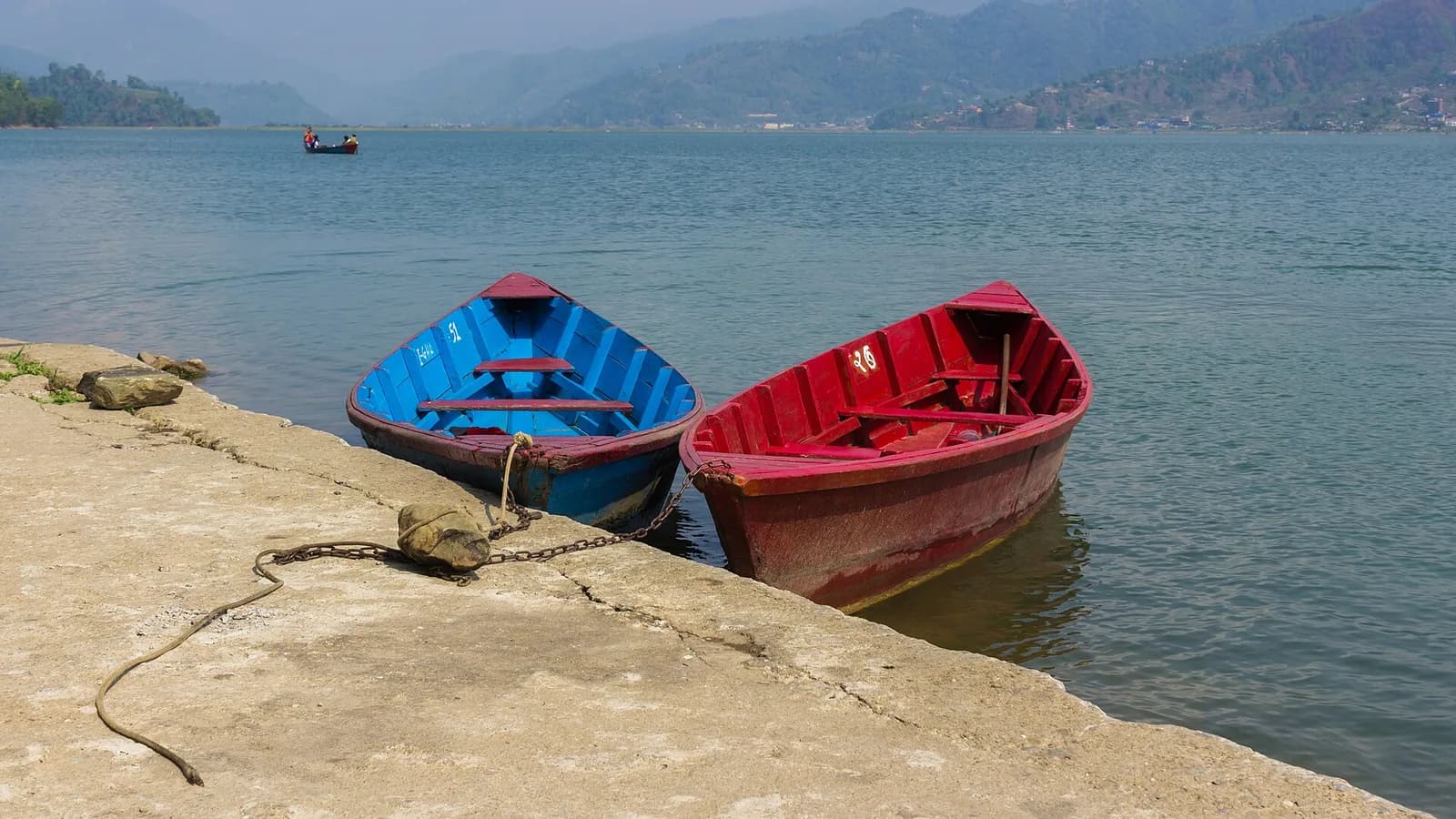
Ask which are the best hotels in Nepal and you will get a different answer depending on where you are standing. A traveller in Kathmandu wants a quiet courtyard within walking distance of the old city; someone in Pokhara wants a balcony facing Phewa Lake; a wildlife visitor in Chitwan wants a bungalow at the edge of the jungle. Nepal is a small country with a wide range of stays, from five-star heritage hotels to family-run guesthouses, and "best" almost always means "best for this leg of your trip."
This guide breaks down how hotels in Nepal are rated, what the main accommodation types are, and where to base yourself in the country's key regions — with honest notes on what a room actually costs and when prices climb.
Key takeaways
- There is no single best hotel in Nepal; the right base depends on your destination, budget, and what you are doing next.
- Nepal runs a voluntary star-rating scheme (one to five stars plus a tourist-standard category) through the Department of Tourism, so many good hotels carry no star at all.
- Heritage boutique hotels — built in traditional Newar style — are graded as standard, deluxe, or luxury, mapping to three, four, and five stars.
- Budget guesthouses commonly run roughly USD 5–35 per night, while luxury and heritage hotels cost well over USD 100 (as of June 2026).
- There is no accommodation inside Chitwan National Park; lodges cluster in Sauraha, just across the river.
- Book popular hotels a few days ahead in peak season (October–November and March–April); off-season you can often walk in and bargain.
How hotels in Nepal are rated
Nepal has a formal classification system, but it is worth understanding its limits before you trust a star count.
The grading is a voluntary scheme run by the Department of Tourism, under the Ministry of Culture, Tourism and Civil Aviation, in cooperation with the Nepal Tourism Board and the Hotel Association of Nepal. Hotels that apply are classified across five-star, four-star, three-star, two-star, one-star, and a separate tourist-standard or resort category. The framework sits under the country's tourism law dating back to the Tourism Act of 1978 and its later amendments.
Because the scheme is voluntary, plenty of excellent small hotels, guesthouses, and boutique stays never apply for a star at all — so the absence of a rating tells you little. Use stars as a rough floor for facilities at the top end (a five-star will reliably have the amenities you expect), but lean on recent guest reviews for everything in the middle and budget tiers.
Heritage hotels get their own labels
Nepal grades heritage properties on a parallel track. A standard heritage boutique hotel is granted three stars and may use the term "standard heritage"; a deluxe heritage boutique hotel gets four stars; and a luxury heritage boutique hotel gets five stars and may advertise itself as "luxury heritage." These are restored or purpose-built in traditional style — think carved windows, brick courtyards, and Newar architecture — rather than glass-tower luxury.
The main types of accommodation
Knowing the vocabulary helps you filter listings quickly.
| Type | What it is | Roughly who it suits | |---|---|---| | Hotel (star-rated) | Formal hotel, often with restaurant and services | Mid-range to luxury travellers | | Heritage boutique hotel | Traditional-style property, often Newar architecture | Travellers wanting character and culture | | Guesthouse | Family-run, private rooms, homely feel | Budget and mid-range travellers | | Hostel | Dorms and some private rooms, social atmosphere | Solo and budget travellers | | Teahouse | Basic trail lodging with communal meals | Trekkers | | Jungle lodge / resort | Bungalows or rooms near a national park | Wildlife and safari visitors |
In the cities, a guesthouse is usually a family-run building offering private rooms and a homey atmosphere, and is the most common form of accommodation. Dorm-bed hostels have multiplied in Thamel and Lakeside and are the budget option for solo travellers. A teahouse, by contrast, is specific to the trekking trails — simple rooms and shared meals along routes like Everest or Annapurna, covered in our teahouse trekking guide.
What it costs
Prices move with the city, the season, and how hard you bargain, so treat these as broad ranges (as of June 2026):
- Dorm beds in Thamel and Lakeside hostels: roughly USD 5–15.
- Guesthouse private rooms: commonly around USD 5–35 per night, lower outside high season; in areas like Bhaktapur or Boudhanath, often about USD 12–25.
- Luxury and heritage hotels: well over USD 100 per night.
Rates typically rise in the two peak windows — October to November and March to April — and soften in the monsoon. For a fuller breakdown of trip costs, see is Nepal expensive?.
Where to stay in Kathmandu
Kathmandu is where most trips begin and end, and where the spread of hotels is widest.
The default base is Thamel, the tourist hub: loud, walkable, and packed with hotels, restaurants, gear shops, and agencies. The sheer competition keeps prices down, and it has the highest concentration of hostels in the country. The trade-off is noise and crowds. For a calmer, more atmospheric stay, look to the heritage districts — near Boudhanath, in Patan (Lalitpur), or out in Bhaktapur — where restored Newar buildings and quieter lanes replace the bustle. Our where to stay in Kathmandu guide compares these neighbourhoods in detail.
At the luxury end, Kathmandu is known for heritage hotels that double as living museums — properties restored with traditional architecture in the heart of the valley — alongside international-brand hotels for travellers who want familiar amenities and a pool.
Where to stay in Pokhara
Pokhara is Nepal's lake city and the launchpad for the Annapurna treks, and here the decision is less about which hotel than about which part of town.
Nearly everyone stays in Lakeside, the strip along the eastern shore of Phewa Lake, lined with hotels, restaurants, and shops at every budget. The choice within Lakeside is between the lively, walkable central section and the quieter northern end (sometimes called Happy Village), which trades a 10-minute walk to the main strip for calmer nights and better-value rooms. True lake-view rooms are limited and cost extra, so confirm the view before you book. We cover all of this in our Pokhara Lakeside hotels guide.
Above the town, hilltop lodges and resorts around ridges like Sarangkot trade walkability for panoramic Annapurna and Machhapuchhre (Fishtail) views — a good split-stay if you want a few nights of quiet after the lake.
Where to stay in Chitwan
If you are heading to the lowlands for wildlife, the rules are different.
The single most important point: there is no accommodation inside Chitwan National Park itself. Lodges, resorts, and guesthouses cluster in the village of Sauraha, just beside the park across the Rapti River, and in nearby settlements. Many are jungle-style lodges built from local materials — bamboo, sustainable wood — designed to blend into the surroundings, with rooms set in individual bungalows. Activities are typically arranged through your lodge: jeep and boat safaris, birdwatching, village walks, and Tharu cultural shows. For the wider picture, see our Chitwan safari guide.
Stays here span the full range, from simple Sauraha guesthouses to higher-end lodges and internationally branded safari resorts on the park's fringes.
Hotels in the hills and on the trail
Two more categories are worth knowing for a typical Nepal itinerary.
Hill-station resorts
Short hops from Kathmandu, viewpoint towns such as Nagarkot, Dhulikhel, and the car-free hilltop town of Bandipur are built around sunrise-and-sunset Himalayan panoramas. Accommodation ranges from modest lodges to comfortable resorts, and these make easy one- or two-night escapes from the valley.
Teahouses on the trek
If your trip includes a trek, your "hotel" on the trail is the teahouse — basic, family-run lodging with shared dining, where the room is cheap and the kitchen is where the money is spent. Standards have risen on popular routes but stay modest; for what to expect on the food-and-room front, see our notes on Everest teahouse food and accommodation.
How to choose and book
A few practical rules cut through the noise:
- Match the stay to the leg of the trip. A heritage courtyard in Kathmandu, a lake balcony in Pokhara, a jungle bungalow in Chitwan — each region has a "right" style.
- Read recent reviews over star counts for anything below the luxury tier, since the rating scheme is voluntary and incomplete.
- Confirm the specifics — lake view, hot water, heating in winter, and exact location — directly with the hotel before booking, as listings can be optimistic.
- Time your booking to the season. In October–November and March–April, reserve popular hotels a few days ahead; in the monsoon and shoulder months you can usually walk in and negotiate a better rate.
Get those four right and the "best" hotel takes care of itself — it is simply the one that fits where you are and what you are doing next.
Sources
- Tripadvisor — Nepal luxury hotels
- Tripadvisor — Pokhara luxury hotels
- The Himalayan Times — Department of Tourism star rating for hotels, resorts and lodges
- NepInsights — list of 5-star hotels in Nepal
- Ghum Nepal — budget accommodation in Nepal
- The Common Wanderer — where to stay in Kathmandu
- Chitwan Jungle Lodge — Hotel Association of Nepal
- The Longest Way Home — Chitwan/Sauraha accommodation guide
Frequently asked questions
- What is the best hotel in Nepal?
- There is no single best hotel; the right choice depends on your destination and budget. Heritage hotels suit Kathmandu, lake-view resorts suit Pokhara, and jungle lodges suit Chitwan.
- How does Nepal's hotel star rating work?
- Nepal runs a voluntary star scheme through the Department of Tourism, classifying hotels from one to five stars plus a tourist-standard category, so not every good hotel carries a star.
- How much does a hotel room cost in Nepal?
- Budget guesthouses often run roughly USD 5 to 35 per night, while luxury and heritage hotels cost well over USD 100, varying by city and season (as of June 2026).
- What is a heritage hotel in Nepal?
- A heritage hotel is built or restored in traditional Newar style; Nepal grades them as standard, deluxe, or luxury heritage boutique, mapping to three, four, and five stars.
- Where should I stay in Kathmandu?
- Most visitors base in Thamel for its dense cluster of hotels and restaurants, while quieter heritage stays sit near Boudhanath, Patan, and Bhaktapur.
- Are there hotels inside Chitwan National Park?
- No, there is no accommodation inside the park itself; lodges and resorts cluster in Sauraha and nearby villages just across the Rapti River.
- Do I need to book hotels in Nepal in advance?
- In peak seasons of October to November and March to April, book popular hotels a few days ahead; off-season you can often walk in and negotiate.
- Are dorm beds available in Nepal?
- Yes, hostels in Thamel and Lakeside offer dorm beds for budget and solo travellers, typically in the range of USD 5 to 15 (as of June 2026).
Related posts
Luxury Hotels in Nepal: A Traveller's Guide
A guide to luxury hotels in Nepal, from Newari heritage palaces in Kathmandu to mountain lodges in Pokhara and jungle villas in Chitwan.
Read postHotels in Kathmandu: Areas, Prices and Booking Tips
A practical guide to hotels in Kathmandu — neighbourhoods, star ratings, typical prices, what is on the bill, and how to book a good room.
Read postNepal Itinerary 7 Days: Kathmandu, Pokhara & Chitwan
A practical Nepal itinerary for 7 days covering Kathmandu, Pokhara, and Chitwan, with transport, costs, and the logistics that connect them.
Read post