Hotels in Kathmandu: Areas, Prices and Booking Tips
A practical guide to hotels in Kathmandu — neighbourhoods, star ratings, typical prices, what is on the bill, and how to book a good room.
From a four-dollar guesthouse to a hundred-room five-star, Kathmandu rents you a room for almost any budget — the trick is picking the right street.
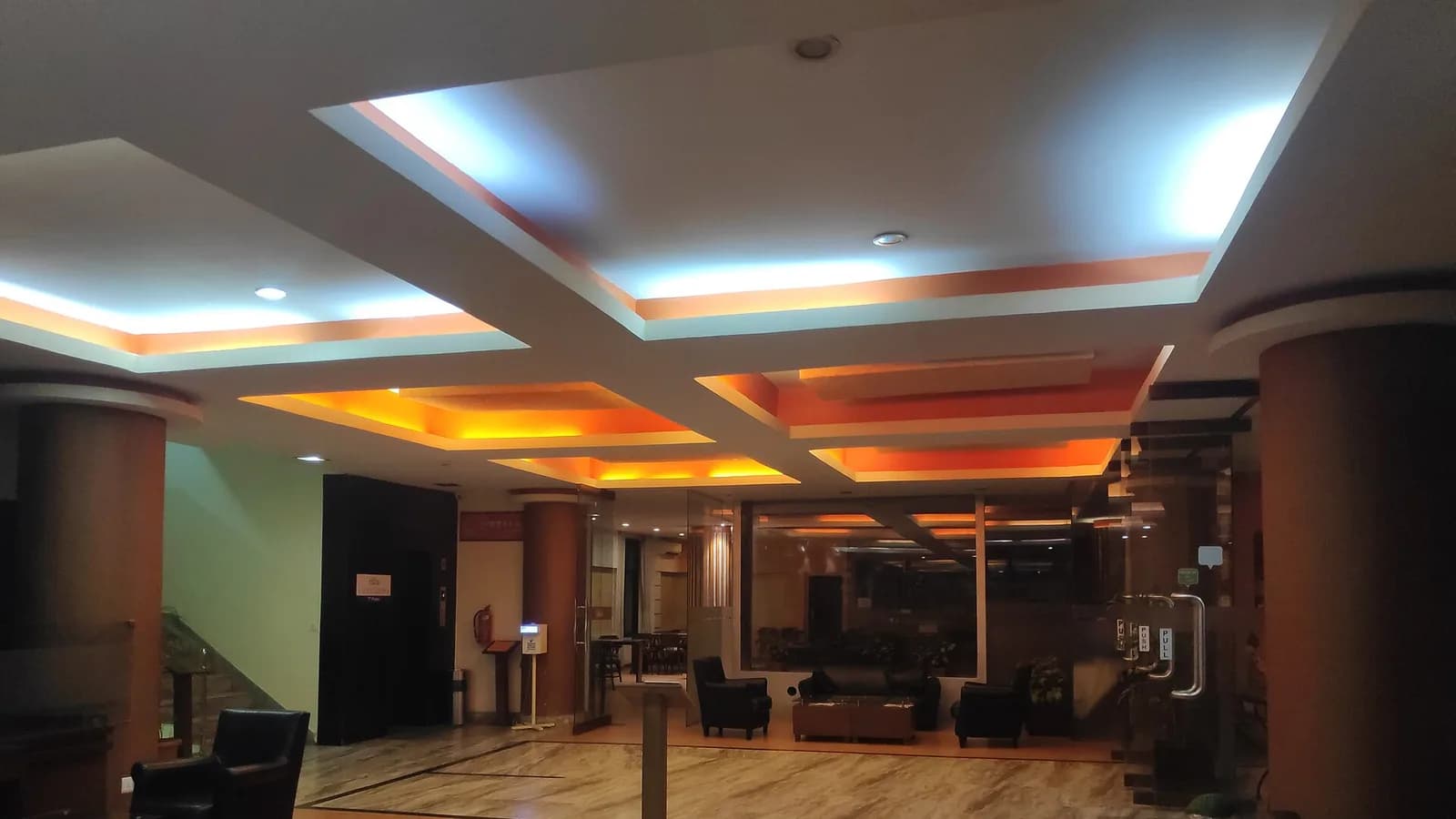
Kathmandu is where almost every Nepal trip starts and finishes, so finding the right room here shapes the whole journey. The good news is that hotels in Kathmandu span an enormous range, from rock-bottom guesthouses to glossy international-standard towers, often within a short taxi ride of one another. The harder part is knowing which neighbourhood fits your plans, what a fair price looks like, and what will actually appear on your bill. This guide walks through the areas, the star system, typical costs, and the practical booking details that save money and hassle.
Prices and the hotel line-up shift with the season and the wider economy, so treat every figure here as a guide and confirm the live rate when you book. Each number is stamped with currency and a date, and the sources are linked at the end.
Key takeaways
- Kathmandu has hotels for almost any budget; aggregated 2025 booking data put the average night around 27 US dollars, with high-season averages near 50 US dollars.
- Choose the neighbourhood first — Thamel for convenience, Lazimpat for a quieter upscale feel, Boudha for calm, Patan for heritage.
- Nepal runs a voluntary one-to-five-star classification scheme; as of early 2024 the country had roughly 22 five-star hotels, most in Kathmandu.
- Value added tax of 13 percent applies to hotel services; a service charge is no longer automatically mandatory after a 2022 court ruling.
- Book the first night or two ahead in the October-November and March-April trekking peaks; outside those, walk-ins and negotiation are easier.
Choosing the right neighbourhood
In Kathmandu the area matters more than the individual hotel. The districts genuinely differ in noise, atmosphere and how long you will spend stuck in traffic each day, so it is worth matching the location to your trip. For a deeper dive on the trade-offs, see our where to stay in Kathmandu breakdown, and for budget bunks specifically there is a dedicated guide to hostels in Kathmandu.
Thamel — the tourist hub
Thamel is the default for first-time visitors and sits roughly 20 minutes from the airport in normal traffic. Its lanes are dense with hotels at every price point, plus restaurants, gear shops, money changers and trekking agencies. The trade-off is noise and constant solicitation; central Thamel can stay lively into the evening. It suits short stays and anyone who wants everything tourist-related within a few minutes' walk. Once you are settled, our guide to things to do in Kathmandu covers what is nearby.
Lazimpat — quieter and a step upmarket
Just north of Thamel, Lazimpat is calmer and a little more polished, home to embassies, boutique properties and some larger hotels. It is a short taxi hop or a walk of around 15 minutes from Thamel, so you keep the convenience while losing much of the late-night noise. It tends to suit mid-range and higher budgets looking for a more restful base.
Boudha — calm around the great stupa
Boudha, centred on the UNESCO-listed Boudhanath Stupa, has a serene, spiritual feel, with monasteries, meditation centres and Tibetan eateries nearby. Hotels and guesthouses here range from simple to boutique. It is a longer ride from Thamel and the central sights, so it suits travellers who value atmosphere and quiet over being in the thick of the tourist action.
Patan and beyond — heritage and expat enclaves
Across the Bagmati river, Patan (Lalitpur) offers Newari architecture, temple-lined courtyards and a slower pace, with heritage hotels among the old streets. The nearby Jhamsikhel-Sanepa corridor is where much of the expat community concentrates, and it feels leafy and international. These areas reward repeat visitors and anyone prioritising character over convenience.
Understanding hotel categories and star ratings
Nepal operates a voluntary hotel classification scheme administered by the Department of Tourism under the Ministry of Culture, Tourism and Civil Aviation, with the Nepal Tourism Board involved in monitoring standards. Hotels can be graded from one to five stars, alongside a tourist-standard category, and the classification is designed to maintain consistent facilities and service for visitors. A rating is typically valid for a period of years before renewal, and higher-grade hotels are subject to inspection.
The top tier carries real requirements: a five-star hotel must meet thresholds for room numbers, suites, dining outlets and recreational facilities such as a spa, gym and pool. As of March 2024, Nepal counted around 22 five-star hotels, with the majority located in Kathmandu and several added that year.
Two practical points follow. First, plenty of excellent small hotels and guesthouses are not formally classified at all, so the absence of stars is not a red flag. Second, a star rating is a useful signal but not a guarantee of your experience on the night, so always read it alongside recent guest reviews.
| Category | Typical traveller | What to expect | | --- | --- | --- | | Guesthouse / budget | Backpackers, long stays | Simple rooms, shared or basic private bathrooms, variable hot water and wifi | | Mid-range (roughly 2-3 star) | Independent travellers, couples | Comfortable en-suite rooms, breakfast often included, reliable wifi | | Boutique / heritage | Those wanting character | Smaller properties, design or historic setting, personal service | | Four to five star | Comfort and business travellers | Full facilities, multiple restaurants, spa, pool, formal service |
What hotels actually cost
Kathmandu is an affordable hotel city by international standards, but the headline averages blend a very wide spread. Aggregated booking data from 2025 put the average night at roughly 27 US dollars, climbing to around 50 US dollars in high season, with a median that sits a little lower. Cheap rooms can be found from only a few dollars, while international-standard luxury runs well above the average.
As a rough planning guide as of mid 2026, the bands below are typical. Treat them as starting points, since rates move sharply between the quiet monsoon months and the autumn and spring peaks.
| Standard | Approx. price per night (mid 2026) | Notes | | --- | --- | --- | | Budget guesthouse | About 10-25 US dollars | Basic rooms; cheapest fan rooms can be lower | | Mid-range hotel | About 25-60 US dollars | En-suite, breakfast often included | | Upscale / boutique | About 60-120 US dollars | More comfort, better locations | | Luxury / five-star | About 120 US dollars and up | Full facilities and service |
Season is the single biggest swing factor. Expect to pay more and find less availability in October and November and again in March and April, when trekkers and tourists arrive in numbers. The monsoon months and deep winter are quieter and often cheaper. For the wider picture of trip costs, see how much does a trip to Nepal cost and the broader question of whether Nepal is expensive.
Reading your bill: taxes, service charges and fees
Hotel pricing in Nepal can be presented in different ways, so it pays to understand the components. Value added tax of 13 percent applies to hotel services. Historically, customers also faced a service charge on top of the menu or room rate, but a 2022 Supreme Court ruling meant a service charge is no longer automatically mandatory, and practice now varies between establishments. More recently, the 2025 finance bill introduced a 2 percent luxury fee on services provided by five-star and luxury properties.
Because of this, a quoted figure may or may not already include taxes. Online booking platforms often show a price with taxes folded in or itemised at checkout, while a walk-in quote might be stated before tax. The simplest protection is to ask one direct question before you commit: is this the final price including all taxes and charges. Getting a clear yes avoids surprises at check-out.
Separately, note that the Tourism Service Fee is a charge on outgoing foreign travellers rather than something added to your hotel bill, so it is not part of your room cost.
Booking smart: when and how
Whether to book ahead depends on timing. In the busy trekking seasons of roughly October to November and March to April, reserving the first night or two in advance is wise, because the best-rated places fill quickly. Outside those peaks you can often arrive and choose in person, which gives room to inspect the room and negotiate, especially for longer stays. Either way, booking your arrival night makes the journey from the airport far less stressful.
A few practical habits help:
- Compare a couple of options. Rates for the same standard vary, so it is worth checking more than one property or platform.
- Check recent reviews, not just the star count. Look for comments on noise, hot water, wifi and cleanliness from the last few months.
- Confirm what is included. Breakfast, airport pickup and taxes are sometimes bundled and sometimes not.
- Ask about the room itself. In busy areas, requesting a room away from the street reduces noise considerably.
If you are arranging a trek at the same time, be aware that some hotels and guesthouses run their own trekking desks or partner with an agency next door. Comparing that against booking direct with a reputable operator, as covered in our best trekking agency in Nepal guide, can work out better than accepting the first offer at reception.
Getting to and from your hotel
Most central hotels are a manageable distance from Tribhuvan International Airport, though traffic can stretch the journey. Many properties offer a paid or complimentary airport pickup, which is the smoothest option after a long flight. If you would rather arrange transport yourself, our guides to the Kathmandu airport to Thamel taxi and to getting around Kathmandu cover the realistic fares and options.
A handful of hotels sit close to the airport, which can suit a very early flight or a late-night landing. For sightseeing, however, staying in Thamel, Lazimpat, Boudha or Patan is generally more rewarding, since the airport surroundings offer little to do.
Picking a hotel that fits your trip
Pulling it together, the decision comes down to a short sequence. Start with the neighbourhood that matches your priorities, then set a nightly budget using the bands above, then shortlist a few properties and read their most recent reviews. Confirm the all-in price, ask whether airport pickup and breakfast are included, and for busy seasons lock in at least your first night. A little time spent on this turns a stressful arrival into an easy one and leaves more energy for the city itself.
Once you have a base, learning even a handful of phrases goes a long way with hotel staff and shopkeepers; our basic Nepali phrases guide is a friendly place to begin.
Sources
- Best Area to Stay in Kathmandu for Tourists — Hotel Anuttara
- Where to Stay in Kathmandu — Magical Nepal
- Hotels in Nepal: Classification of Star Hotels — Gundri
- Total number of 5-star hotels reaches 22 — Aarthik News (English)
- No more service charge anywhere, top court says — The Kathmandu Post
- Finance Bill 2025: Key Tax Changes in Nepal — Infinity
- Tourism Service Fee revised after 9 years — Nepal Tourism Board
- How Much Do Hotels Cost in Kathmandu — Budget Your Trip
Frequently asked questions
- How much does a hotel room in Kathmandu cost?
- Prices vary widely by area, season and standard. Aggregated booking data from 2025 put the average Kathmandu hotel night at roughly 27 US dollars, rising to around 50 US dollars in high season, though that blends everything from basic rooms to smarter properties. As a rough guide as of mid 2026, simple guesthouses often sit in the 10 to 25 US dollar range, comfortable mid-range hotels around 25 to 60 US dollars, and international-standard luxury from about 120 US dollars upward. Always confirm the live rate when you book.
- What does a star rating mean for a hotel in Nepal?
- Nepal runs a voluntary hotel classification scheme administered by the Department of Tourism under the Ministry of Culture, Tourism and Civil Aviation, with grades from one to five stars plus a tourist-standard category. A rating signals inspected facilities and service levels rather than a guarantee, and a hotel can be perfectly good without being formally classified. As of early 2024 Nepal had about 22 five-star hotels, most of them in Kathmandu. Treat stars as one signal alongside recent guest reviews.
- Is VAT or a service charge added to my Kathmandu hotel bill?
- Value added tax of 13 percent applies to hotel services in Nepal. A separate service charge is no longer automatically mandatory after a 2022 Supreme Court ruling, so it may or may not appear, and policies differ between properties. A 2 percent luxury fee was introduced in the 2025 finance bill on services at five-star and luxury establishments. Ask whether the quoted price already includes taxes, since online rates and walk-in quotes are not always presented the same way.
- Which area of Kathmandu should I book a hotel in?
- Thamel is the default tourist hub, packed with hotels, restaurants, gear shops and trekking agencies within walking distance, but it is also noisy and busy. Lazimpat just north is quieter and a little more upmarket while still close to the centre. Boudha, around the great stupa, suits travellers wanting a calm and spiritual base, and Patan across the river offers heritage atmosphere. Pick the area first, then the hotel.
- Do I need to book a Kathmandu hotel in advance?
- During the busy trekking seasons of roughly October to November and March to April, booking at least the first night or two ahead is sensible because the better-rated places fill up. Outside those peaks you can often arrive and choose in person, and longer stays leave room to negotiate. Booking your arrival night also makes life much easier after a long international flight and a tiring airport transfer.
- Are hotels near Kathmandu airport a good idea?
- A handful of hotels sit close to Tribhuvan International Airport, which can suit a very early departure or a late arrival. For sightseeing, though, most travellers prefer to stay in Thamel, Lazimpat, Boudha or Patan, since the airport area itself has little to do and traffic into the centre can be slow. If you only need a short layover bed, an airport-area room saves a stressful early-morning transfer.
- Will my Kathmandu hotel have reliable hot water, wifi and power?
- Most tourist hotels advertise hot water, wifi and backup power, but quality varies with price. Cheaper guesthouses may rely on solar or gas heaters that can run cold at peak times, and wifi is usually fine for messaging but slower for video. Many hotels run generators or batteries to cover grid cuts. If reliable internet or consistent hot water matters to you, check recent reviews and ask directly before booking.
Related posts
Thamel Hotels: Where to Stay in Kathmandu (2026)
A practical guide to Thamel hotels in Kathmandu — budget to luxury, what to expect on price, noise, the vehicle ban, and how to pick the right lane.
Read postBest Area to Stay in Kathmandu: Match Area to Trip
The best area to stay in Kathmandu depends on your trip length, budget and goals. A decision-led guide for tourists and trekkers.
Read postBest Hotels in Nepal: A Guide by Region and Budget
How to find the best hotels in Nepal: star ratings, heritage stays, jungle lodges, and what a room costs in Kathmandu, Pokhara, and on the trail.
Read post