Rara Lake: Nepal's Largest Lake Travel Guide
A guide to Rara Lake, Nepal's largest lake: where it is, how to reach it via Talcha airport, permits, the best season and the trek in Karnali.
A deep-blue lake ringed by blue-pine forest and snow peaks, two flights and a trek from anywhere — Rara is Nepal's most remote, and most rewarding, sheet of water.
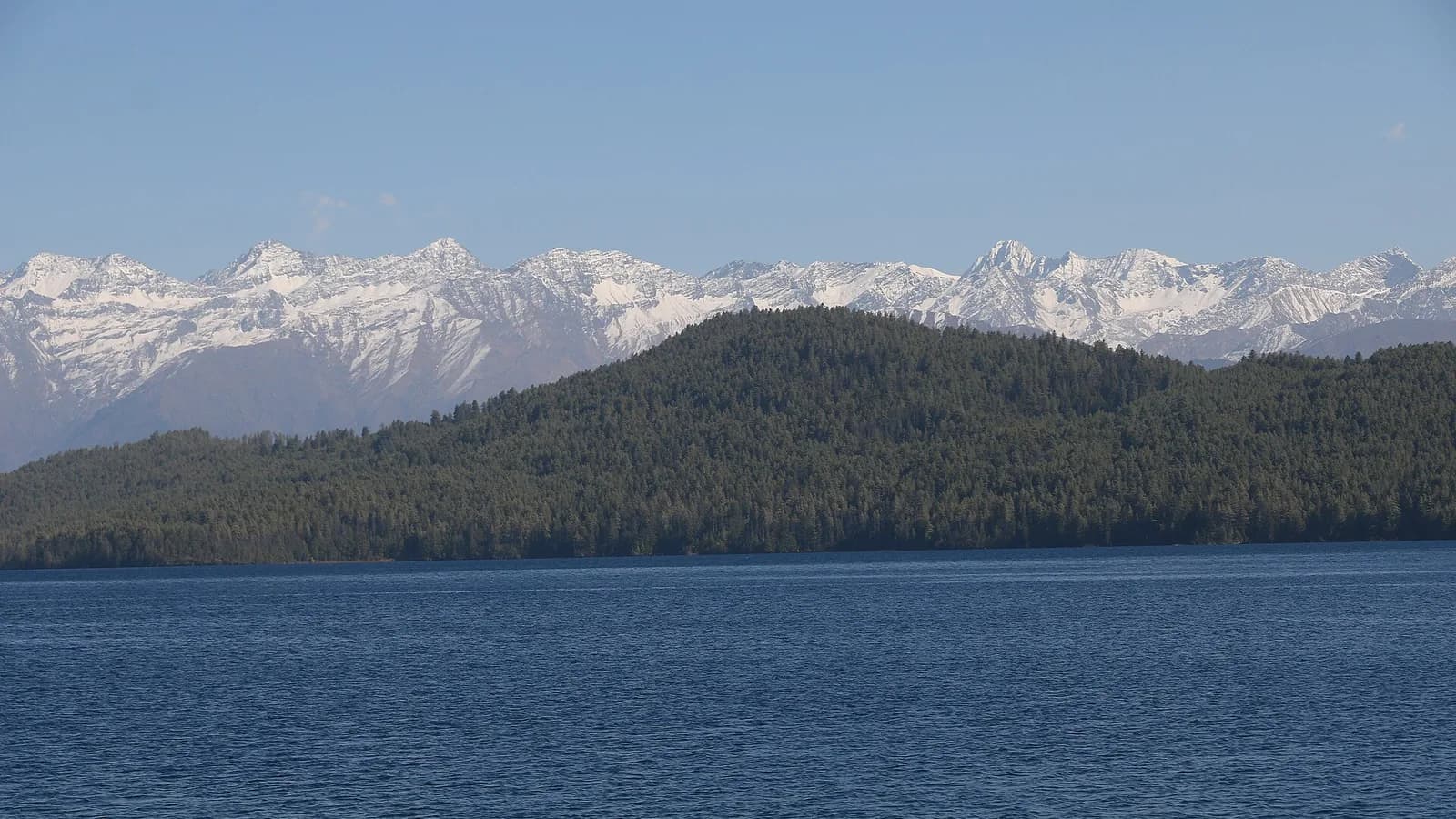
Far in the northwest of Nepal, beyond the reach of the highways and well off the trekking mainstream, a deep-blue lake sits cradled among pine forests and snow peaks. This is Rara Lake — the largest lake in the country, the jewel of Rara National Park, and for many travellers the most beautiful and least-visited place they reach in Nepal. Getting here takes effort: two flights and a trek, or a long expedition on foot from Jumla. But the payoff is a sheet of water so clear and remote that it is often called the queen of Nepal's lakes. This guide covers what Rara Lake is, how to reach it, the permits, the best season, and what to expect on the shore.
Rara belongs to the wild end of Nepal travel — the realm of remote national parks and serious logistics rather than easy day trips. If that is the kind of journey you are drawn to, it sits alongside the country's other great wild spaces covered in our overview of Nepal's national parks.
Key takeaways
- Rara Lake is the largest lake in Nepal and the largest freshwater lake in the Nepalese Himalayas, covering roughly 10.6 square kilometres at about 2,990 metres.
- It is strikingly deep — around 167 metres at its maximum — and famed for water that seems to change colour through the day.
- The lake is the centrepiece of Rara National Park, established in 1976, in the Mugu and Jumla districts of Karnali Province.
- There is no road to Rara; most visitors fly Kathmandu–Nepalgunj–Talcha, then walk or take a jeep a few hours to the shore.
- A national park permit is required, and a TIMS card may be too — carry both and check current rules.
- The best seasons are autumn (Sep–Nov) and spring (Apr–May); the lake freezes and the area gets heavy snow in winter.
What Rara Lake is
Rara Lake lies at an altitude of about 2,990 metres (9,810 feet) in the Mugu and Jumla districts of Karnali Province, the most remote and least-developed corner of Nepal. With a surface of roughly 10.6 square kilometres, it is the largest lake in Nepal and the largest freshwater lake in the Nepalese Himalayas. It stretches about 5.1 kilometres long and 2.7 kilometres wide, and plunges to a maximum depth of around 167 metres — extraordinarily deep for its size, which helps give the water its intense blue.
The lake drains via the Nijar River into the Mugu Karnali, and its ecological importance is internationally recognised: Rara was designated a Ramsar wetland of international importance in 2007. It is also said to change colour several times a day as the light and weather shift, a quality that has fed its reputation as one of the most photogenic places in the country. In the depths of winter, from roughly December to March, the surface can freeze and the surrounding hills disappear under heavy snow.
Rara National Park
The lake is the heart of Rara National Park, established in 1976 and covering about 106 square kilometres of the high Karnali hills. It is one of Nepal's smaller national parks by area, but among its most pristine, precisely because so few people make the journey. The park protects a band of montane forest — blue pine, rhododendron, spruce and juniper — that rings the lake and climbs the surrounding ridges.
The wildlife is part of the draw. The park is home to a substantial variety of mammals and a rich birdlife, including many migratory species that use the lake, plus a wealth of flowering plants across the seasons. Two creatures are found nowhere else on earth: the Rara snowtrout, a fish endemic to the lake, and the Rara Lake frog. For travellers, the appeal is less about ticking off big game and more about the sheer untouched quality of the landscape — forest, water and peaks with barely a building in sight.
How to reach Rara Lake
The single biggest fact to absorb is that Rara is not connected to the national road network. Reaching it is an expedition in itself, and there are two broad approaches.
Option 1: Fly in via Talcha airport (the fast way)
The most efficient route uses two flights:
- Kathmandu to Nepalgunj — a flight of under an hour to the lowland gateway city.
- Nepalgunj to Talcha — a short mountain flight to Talcha airport, the nearest airstrip to the lake, in the Mugu district.
- Talcha to the lakeshore — from the airstrip it is a few hours on foot, or a shorter jeep ride where the track allows, down to the western shore.
This is how time-pressed visitors do it, and an active traveller can stand on the shore the same day they leave the lowlands. Mountain flights in this part of Nepal are weather-dependent and can be delayed or cancelled, so build buffer days into any itinerary that relies on them — our guide to domestic flights in Nepal explains how this works and how to plan around disruption.
Option 2: Trek in from Jumla (the classic way)
The traditional approach is to fly to Nepalgunj and on to Jumla, then trek to Rara over two to three days, returning the same way or on a variant route. This turns the trip into a proper multi-day trek through Sinja Valley and remote Karnali villages, typically a ten-day-plus undertaking from Kathmandu. It is harder and slower, but it delivers the landscape and the village life that flying over simply skips.
| Approach | Rough time from Kathmandu | Best for | |---|---|---| | Fly via Talcha airport | Reach the lake in a day; 4–6 days total | Limited time, less walking | | Trek in from Jumla | Around 10+ days | Full wilderness trek, village culture |
Because facilities are basic and the region is remote, most travellers go with an organised arrangement or a guide. Either way, this is teahouse-and-camp country rather than comfortable lodge trekking — our guide to teahouse trekking in Nepal sets expectations for the simple food and accommodation you will find.
Permits and rules
Rara sits inside a national park, so an entry permit is required, and there may be a trekking card on top.
- Rara National Park entry permit. Foreign nationals pay NPR 3,000 per person (plus VAT), as of mid-2026, with lower rates for SAARC nationals and Nepali citizens. Rates are set by the park authority and can change, so treat this as a guide rather than a guarantee.
- TIMS card. A Trekkers' Information Management System card may also be requested depending on how and where you travel; requirements have shifted in recent years, so confirm the current position before you set out.
No restricted-area permit is needed for the lake itself, and you are generally free to travel solo or with a guide — though for a region this remote, a guide or organised trip is sensible. Always carry your permits, keep copies, and check the latest rules with a reputable operator or the Nepal Tourism Board close to your travel date.
Best time to visit
Rara has a short prime season, framed by snow on one side and rain on the other.
- Autumn (roughly September to November) is the headline window: clear skies, stable weather, crisp air and the sharpest mountain reflections on the water.
- Spring (roughly April to May) is the other sweet spot, when the snow has largely melted, wildflowers and rhododendrons colour the hills, and the days are mild.
- Winter (around December to March) brings heavy snow and a partly frozen lake — beautiful but cold and logistically tough, with flight disruption likely.
- Monsoon (around June to September) means rain, cloud-hidden peaks, leeches on the trails and unreliable flights.
For a fuller picture of how the seasons play out across the country, see our guide to the best time to visit Nepal. Because Rara sits at nearly 3,000 metres, also give a thought to acclimatisation if you are coming from low altitude and moving fast — our guide to altitude sickness in Nepal is worth a read.
On the shore: what to expect
Rara rewards those who simply slow down and take it in. The classic activities are gentle: walking the trails that ring part of the lake and climb to viewpoints like Murma Top for a panorama over the water and the snow peaks beyond; birdwatching along the shore; and, when conditions allow, a short trip out on a small boat or raft for a different perspective on the forest and mountains. The water is high and very cold, so swimming is a brief affair for the hardy only.
Facilities are minimal by design — this is a protected wilderness, not a resort. Expect basic lodges and homestays near the park, simple food, limited power and patchy connectivity. Pack accordingly: warm layers for cold mornings even in the trekking seasons, sun protection for the high-altitude light, and the essentials covered in our Nepal trekking packing list. Carry out everything you bring in; keeping Rara pristine is part of the deal.
Is Rara worth the effort?
For the right traveller, emphatically yes. Rara is not a casual add-on to a Kathmandu-and-Pokhara trip — it demands time, flexibility and a tolerance for basic conditions and possible flight delays. But in return it offers something increasingly rare: a vast, deep, brilliantly blue lake in a near-untouched landscape, far from the crowds that fill Nepal's better-known trails. It is the kind of place you reach precisely because most people do not.
If your Nepal plans run to the adventurous and you have a window of clear-weather days to spare, Rara is one of the country's great wild rewards. For the bigger picture of how a remote leg like this fits alongside the cities, the classic treks and the lowland parks, see our two-week Nepal itinerary — and then consider whether the queen of lakes deserves a journey all of its own.
Sources
Frequently asked questions
- Where is Rara Lake and how big is it?
- Rara Lake lies in the Mugu and Jumla districts of Karnali Province in far northwestern Nepal, at about 2,990 metres. Covering roughly 10.6 square kilometres, it is the largest lake in Nepal and the largest freshwater lake in the Nepalese Himalayas, reaching a remarkable maximum depth of about 167 metres.
- How do you get to Rara Lake?
- Rara is not on the national road network, so most visitors fly. The usual route is a flight from Kathmandu to Nepalgunj, then a short flight to Talcha airport near Mugu, followed by a few hours on foot or by jeep to the shore. A longer alternative is to fly to Jumla and trek in over two to three days.
- Do you need a permit to visit Rara Lake?
- Yes. Rara lies inside Rara National Park, so a national park entry permit is required, with separate rates for foreigners, SAARC nationals and Nepalis. A TIMS trekking card may also be requested depending on how you travel and current rules. Carry both and confirm the latest requirements before you go.
- What is the best time to visit Rara Lake?
- Autumn, around September to November, and spring, around April to May, are the prime seasons, with clear skies, mild days and the sharpest reflections. The lake freezes and the area sees heavy snow from roughly December to March, while the monsoon brings rain and leeches to the trails.
- How long does a Rara Lake trip take?
- Flying in via Talcha airport, an active traveller can reach the lake in a day and spend a night or two on the shore, so a well-organised trip runs about four to six days from Kathmandu. Trekking in from Jumla instead typically makes it a ten-day-plus expedition.
- Why is Rara Lake famous?
- Rara is Nepal's largest lake and one of its most pristine, sitting deep in remote Karnali far from the usual tourist trail. It is prized for its vivid blue water, its ring of blue-pine and rhododendron forest, its snow-peak backdrop and a unique wildlife including fish and a frog found nowhere else.
- Can you swim or boat on Rara Lake?
- The lake is high and very cold, so swimming is only for the hardy and brief. Small boats and rafts are sometimes available on the shore for short trips, and a paddle out gives a fine perspective on the surrounding forest and peaks. Always check conditions and dress for cold water and weather.
Spotted an error in this post? Tell us or suggest a correction.
Related posts
ABC Trek: A Plain-English Guide to Annapurna Base Camp
The ABC trek (Annapurna Base Camp) explained — the route, how many days it takes, difficulty, the best seasons, and what daily trail life is really like.
Read postAma Dablam Climb: 2026 Expedition Guide (6,812m)
An Ama Dablam climb and expedition guide for 2026 — height, the Southwest Ridge route, camps, fixed ropes, difficulty, permits, cost and the best seasons.
Read postAnnapurna vs Manaslu: Which Trek Should You Choose?
An Annapurna vs Manaslu decision guide for trekkers — compare permits, crowds, difficulty, infrastructure and cost to pick the right Himalayan route.
Read postAsan Bazaar Kathmandu: Old Town Market Guide
A visitor guide to Asan bazaar, Kathmandu's oldest market — its six-road square, Annapurna Temple, what to buy, when to go, and how to get there.
Read postAyurveda Nepal: A Traveller's Guide to Healing
Ayurveda Nepal explained for tourists — the history, the doshas, treatments like Panchakarma and Shirodhara, where to go and how to choose a centre safely.
Read postBest Restaurants Pokhara Lakeside: Where to Eat
The best restaurants in Pokhara Lakeside — lakeside trout, wood-fired pizza, Tibetan momos and healthy cafes, with what to order and rough 2026 prices.
Read post