Khopra Ridge Trek (Khopra Danda): Quiet Annapurna Balcony
A community-run, low-crowd alternative in the Annapurna region — ridge-top Dhaulagiri views, Khayer Lake, and village lodges that fund local schools.
A balcony seat for Dhaulagiri, without the Poon Hill crowds.
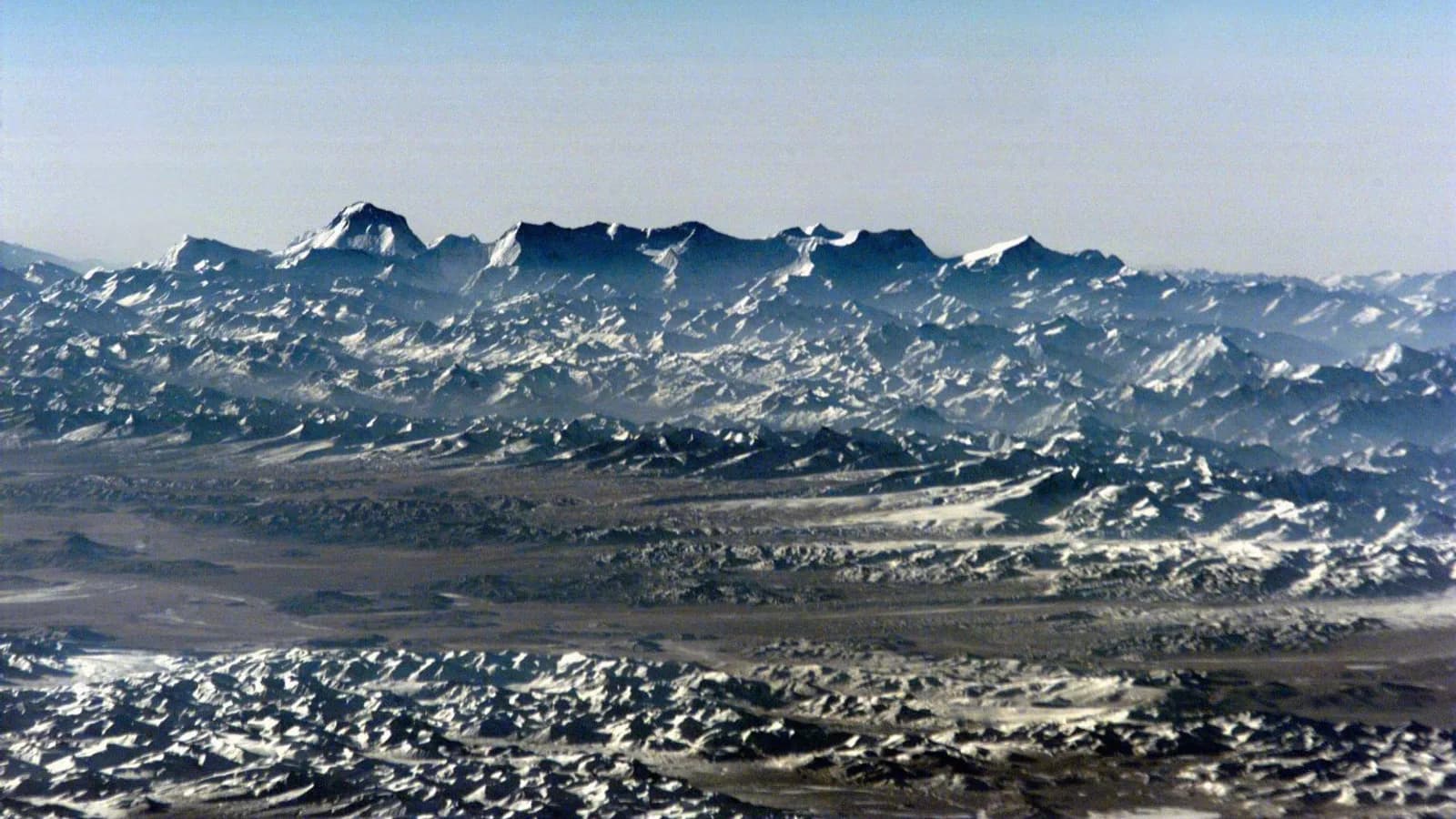
The Khopra Ridge trek — also written Khopra Danda or Kopra Danda — is the Annapurna region's answer to a simple question: what if you could get a Poon Hill sunrise without the Poon Hill crowds, and put your trekking money straight into a village school at the same time? It is a relatively new route that loops off the well-worn Ghorepani circuit and climbs to a grassy ridge staring directly at Dhaulagiri, the world's seventh-highest mountain. Add the sacred Khayer Lake high above and a string of community-run lodges, and you have one of the most rewarding short-to-medium treks in Nepal that most tourists have never heard of.
This guide covers the route, how hard it is, permits and costs, the community lodge story, and how Khopra Danda compares with the busier alternatives nearby.
Key takeaways
- Khopra Danda is a moderate 7 to 10 day trek from Pokhara, with shorter and longer variants depending on jeep transfers and side trips.
- The ridge sits at about 3,660m, with an optional side hike to Khayer Lake at roughly 4,500m as the high point.
- Most lodges are community-owned, set up by local women from 2014 onward, with profits funding education and health care.
- You only need the ACAP permit (NPR 3,000 for foreigners, as of June 2026); the TIMS card is no longer enforced for Annapurna.
- The headline reward is a head-on view of Dhaulagiri plus Annapurna South, Nilgiri and the Kali Gandaki valley, with a fraction of Poon Hill's foot traffic.
- Best in autumn (late Sept–Nov) or spring (Mar–May); the monsoon hides the views.
Where Khopra Danda sits
Khopra Danda is a ridge on the south-western edge of the Annapurna massif, between the popular Annapurna Base Camp trail and the Ghorepani–Poon Hill loop. Geographically it bridges the two: you walk through the same Gurung and Magar villages — Ghandruk, Tadapani, Ghorepani — that ABC and Poon Hill trekkers know, then peel off onto a much quieter spur that climbs above the treeline to the lodge at roughly 3,660m.
What you get for that detour is a different angle on the mountains. Most Annapurna viewpoints look at the Annapurna sanctuary; Khopra turns you toward Dhaulagiri (8,167m) across the deep Kali Gandaki gorge, with Annapurna South, Nilgiri, Tukuche Peak and Dhampus Peak filling out the skyline. Because the ridge is open and high, the panorama is unobstructed in a way that forested viewpoints lower down are not.
The route, day by day
There is no single "official" Khopra itinerary — operators stitch it together differently depending on where the road has reached and how much time you have. The 8-day outline in the HowTo above is a common, comfortable version. A few notes on the key stages:
| Stage | Approx. altitude | Why it matters | | --- | --- | --- | | Ghandruk | 1,940m | Large Gurung village, first big-mountain views | | Tadapani | 2,630m | Junction where Khopra peels off the Poon Hill circuit | | Chistibang | ~3,050m | Last stop before the ridge; basic, sometimes no electricity | | Khopra Danda (ridge) | ~3,660m | Community lodge, head-on Dhaulagiri view | | Khayer Lake | ~4,500m | Sacred lake, optional high-point day hike | | Swanta | 2,270m | Magar village with a community cheese factory | | Ghorepani / Poon Hill | 2,860m / 3,210m | Classic sunrise viewpoint on the way out |
Expect roughly 5 to 7 hours of walking on most days. The climb from Tadapani onto the Khopra spur and the Khayer Lake side trip are the hardest sections; the rest is steady up-and-down on good trails.
The Khayer Lake side trip
From the ridge, a long day hike climbs to Khayer Lake (Khayar Lake), a glacial lake at the foot of Annapurna South that Hindus and Buddhists both treat as sacred. Sources put it at about 4,500m, with some operators quoting closer to 4,660m — either way, it is the highest you will go on this trek, and the air is noticeably thin. The round trip from Khopra takes six to seven hours, so most people leave at dawn, carry a packed lunch, and spend a second night on the ridge. If you are feeling the altitude, skipping the lake and simply enjoying the ridge view is a perfectly good plan.
How hard is it?
Khopra Danda is moderate. There is no glacier travel, no high pass, and no scrambling — the difficulty comes from sustained uphill days and the altitude on the ridge and at the lake. If you can comfortably handle Poon Hill and have a few hill-walking days in your legs, you can handle Khopra with a sensible pace.
Because the ridge sits above 3,500m and the lake pushes to 4,500m, altitude is the main risk, not terrain. Build in time, drink plenty of water, and learn to recognise the early signs of mountain sickness. Our guide to altitude sickness on Nepal treks covers the warning signs and the golden rule of descending if symptoms get worse. For a sense of how Khopra stacks up against tougher routes, the Manaslu Circuit vs Annapurna difficulty comparison is a useful reference point — Khopra is firmly at the gentler end of that spectrum.
The community lodge story
The thing that genuinely sets Khopra Danda apart is who owns the beds you sleep in. From around 2014, villagers — led by local women's groups — began building and running community lodges along the route instead of leaving tourism income to outside operators. Profits are reinvested locally, supporting village schools and health posts. Staying on the ridge or in Swanta is, in a small but real way, a contribution to that.
The lodges are basic. Expect twin rooms with shared bathrooms, simple dal bhat, and limited or no electricity at the highest stops like Chistibang. Wi-Fi exists at some teahouses (usually for a fee) and the Khopra ridge lodge has been known to offer it, but treat connectivity as a bonus, not a given. Carry a power bank and cash, because there are no ATMs once you leave Pokhara.
Swanta, a Magar village at 2,270m, is a highlight on the way down: it runs a small community cheese factory where you can taste and buy local cheese, with proceeds again flowing back into the village.
Permits and costs
For Khopra Danda you need a single permit:
- Annapurna Conservation Area Permit (ACAP) — NPR 3,000 for foreign nationals, NPR 1,000 for SAARC nationals (as of June 2026). A 2.9% surcharge applies if you pay online.
The old TIMS card is widely listed on operator sites but, in practice, is no longer enforced at Annapurna checkpoints as of 2026 — staff verify the ACAP only. Buy the ACAP in Kathmandu or Pokhara before you start; it is not sold on the trail, and you should carry a printed copy because connectivity in the hills is poor.
Beyond permits, budget for lodging, food, a guide and/or porter, and transport. Lodge and meal prices climb with altitude, and you will pay extra for hot showers, charging and Wi-Fi at the higher stops. For planning the wider trip, see our Nepal travel budget breakdown.
Guides, porters and the 2023 rule
Since 2023, Nepal has required most foreign trekkers in national parks and conservation areas to trek with a licensed guide or as part of an organised group, rather than fully solo. Khopra Danda's quieter, less-marked spur is one where a guide genuinely earns their keep — junctions are easy to miss and high-stop beds are limited. Many trekkers hire a porter-guide who both carries a share of the load and navigates.
On rates, fair pay and the social etiquette of working with hill staff, our guide to tipping trekking guides and porters covers what to budget and how to handle it respectfully.
When to go
| Season | Conditions | Verdict | | --- | --- | --- | | Autumn (late Sept–Nov) | Clear skies, stable weather, cold nights up high | Best | | Spring (Mar–May) | Rhododendrons in bloom lower down, generally clear | Excellent | | Winter (Dec–Feb) | Very cold ridge, possible snow blocking Khayer Lake | For the prepared only | | Monsoon (Jun–Aug) | Cloud, rain, leeches in the forest | Avoid |
Autumn is the most popular window for a reason — the post-monsoon air is at its clearest and Dhaulagiri shows up crisp at dawn. Spring is a close second and brings the rhododendron forests to life. For a fuller view across all of Nepal, see the best time to visit Nepal.
What to pack
Khopra needs standard teahouse-trekking kit, with extra warmth for the exposed ridge:
- A down jacket and a sleeping bag rated to around -10°C — the ridge gets cold after dark even in peak season.
- Trekking poles for the long descents toward Swanta and Ulleri.
- A headlamp with spare batteries for the pre-dawn Khayer Lake start.
- A power bank and enough Nepali rupees in cash for the whole trek.
- Layers you can shed on the climbs and add at the top.
The full Nepal trekking packing list goes deeper on footwear, layering and the small extras that make teahouse life easier.
How it compares
If you are choosing between routes:
- vs Poon Hill: Khopra is higher, quieter, more physically demanding and gives a closer Dhaulagiri view. Poon Hill is shorter, busier and easier.
- vs Mardi Himal: Both are quiet "balcony" treks above Pokhara. Mardi Himal faces the Annapurna sanctuary and Machhapuchhre; Khopra faces Dhaulagiri and adds the community-lodge and Khayer Lake angles.
- vs Annapurna Base Camp: ABC takes you deep into the sanctuary amphitheatre; Khopra keeps you on a ridge looking across at it. See Annapurna Circuit vs Base Camp for the bigger-route picture.
Combining Khopra with Pokhara
Because Khopra starts and ends near Pokhara, it slots neatly into a wider lakeside trip. A day or two in Pokhara before or after — paragliding, a boat on Phewa Lake, or simply recovering by the water — rounds the trek out nicely. Our guide to things to do in Pokhara has the options.
A few practical phrases
A handful of Nepali words go a long way in community lodges where English is limited. Learning even the basic greetings and food phrases changes how you are received. The Nepali phrases every trekker should know post has the eight that matter most on the trail.
Sources
- Nepal Hiking Team — Annapurna Trek Permits 2026 (ACAP, TIMS, RAP)
- Nepal Hiking Team — Khopra Danda Trek Guide (distances, route map)
- The Nepal Trekking Company — Khopra Danda Community Trek 2026
- Full Time Explorer — Khopra Danda Trekking Itinerary (5–8 days)
- The Longest Way Home — Khopra Danda Trek Guide
- Glorious Himalaya — Khopra Danda Trek Cost and Itinerary
- Magical Nepal — Annapurna Trek Permits: Guide, Costs and Rules
Frequently asked questions
- How many days is the Khopra Ridge trek?
- Most itineraries run 7 to 10 days from Pokhara, depending on your start point and whether you add the Khayer Lake side trip. Shorter 5 to 6 day versions exist if you use jeep transfers at both ends, while routes that begin with Ghorepani and Poon Hill stretch to 10 days or more.
- How hard is the Khopra Danda trek?
- It is rated moderate. There is no technical climbing, but you face several long uphill days and the ridge sits at about 3,660m, so reasonable fitness and a sensible acclimatisation pace matter. The optional Khayer Lake day to roughly 4,500m is the toughest single push.
- Do I need a permit for Khopra Ridge?
- Yes. You need the Annapurna Conservation Area Permit (ACAP), which costs NPR 3,000 for foreign nationals (as of June 2026). Buy it in Kathmandu or Pokhara before you start, as it is not sold on the trail. The old TIMS card is no longer enforced at Annapurna checkpoints.
- What makes Khopra Danda different from Poon Hill?
- Khopra Danda is far quieter and sits higher and closer to Dhaulagiri, giving you a head-on ridge view rather than a distant panorama. Most lodges are community-run, so your money supports local schools and health posts. The trade-off is more basic facilities and fewer trekkers to share the trail with.
- How high is Khayer Lake?
- Khayer Lake (Khayar Lake) sits at roughly 4,500m at the foot of Annapurna South, though some operators quote up to around 4,660m. It is a sacred glacial lake and the highest point on the trek. The return hike from Khopra Danda takes about six to seven hours, so it is usually done as a long day trip.
- When is the best time to trek Khopra Ridge?
- Autumn (late September to November) and spring (March to May) give the clearest skies and most stable weather. Winter is doable but the ridge gets very cold and snow can block the Khayer Lake route. Avoid the June to August monsoon, when clouds hide the views and lower forest trails are leech-prone.
- Are there teahouses the whole way?
- Yes, but they thin out as you climb. Lower villages like Ghandruk and Swanta have established lodges, while higher stops such as Chistibang and the Khopra ridge itself have a small number of basic community lodges. In peak season, having a guide or booking ahead helps secure a bed near the top.
- Can beginners do the Khopra Danda trek?
- Fit beginners can, provided they accept long days and basic lodges. It is a good step up from Poon Hill for someone who wants a real ridge experience without the commitment of a two-week circuit. Building in an acclimatisation buffer and skipping Khayer Lake if you feel unwell keeps it manageable.
Spotted an error in this post? Tell us or suggest a correction.
Related posts
ABC Trek: A Plain-English Guide to Annapurna Base Camp
The ABC trek (Annapurna Base Camp) explained — the route, how many days it takes, difficulty, the best seasons, and what daily trail life is really like.
Read postAma Dablam Climb: 2026 Expedition Guide (6,812m)
An Ama Dablam climb and expedition guide for 2026 — height, the Southwest Ridge route, camps, fixed ropes, difficulty, permits, cost and the best seasons.
Read postAnnapurna vs Manaslu: Which Trek Should You Choose?
An Annapurna vs Manaslu decision guide for trekkers — compare permits, crowds, difficulty, infrastructure and cost to pick the right Himalayan route.
Read postAsan Bazaar Kathmandu: Old Town Market Guide
A visitor guide to Asan bazaar, Kathmandu's oldest market — its six-road square, Annapurna Temple, what to buy, when to go, and how to get there.
Read postAyurveda Nepal: A Traveller's Guide to Healing
Ayurveda Nepal explained for tourists — the history, the doshas, treatments like Panchakarma and Shirodhara, where to go and how to choose a centre safely.
Read postBest Restaurants Pokhara Lakeside: Where to Eat
The best restaurants in Pokhara Lakeside — lakeside trout, wood-fired pizza, Tibetan momos and healthy cafes, with what to order and rough 2026 prices.
Read post