How Much Does It Cost to Climb Mount Everest? (2026)
How much it costs to climb Mount Everest in 2026 — the US$15,000 permit, full-expedition price tiers, Sherpa and oxygen costs, and the hidden extras.
The permit alone costs more than the entire Base Camp trek. The summit is a different financial planet.
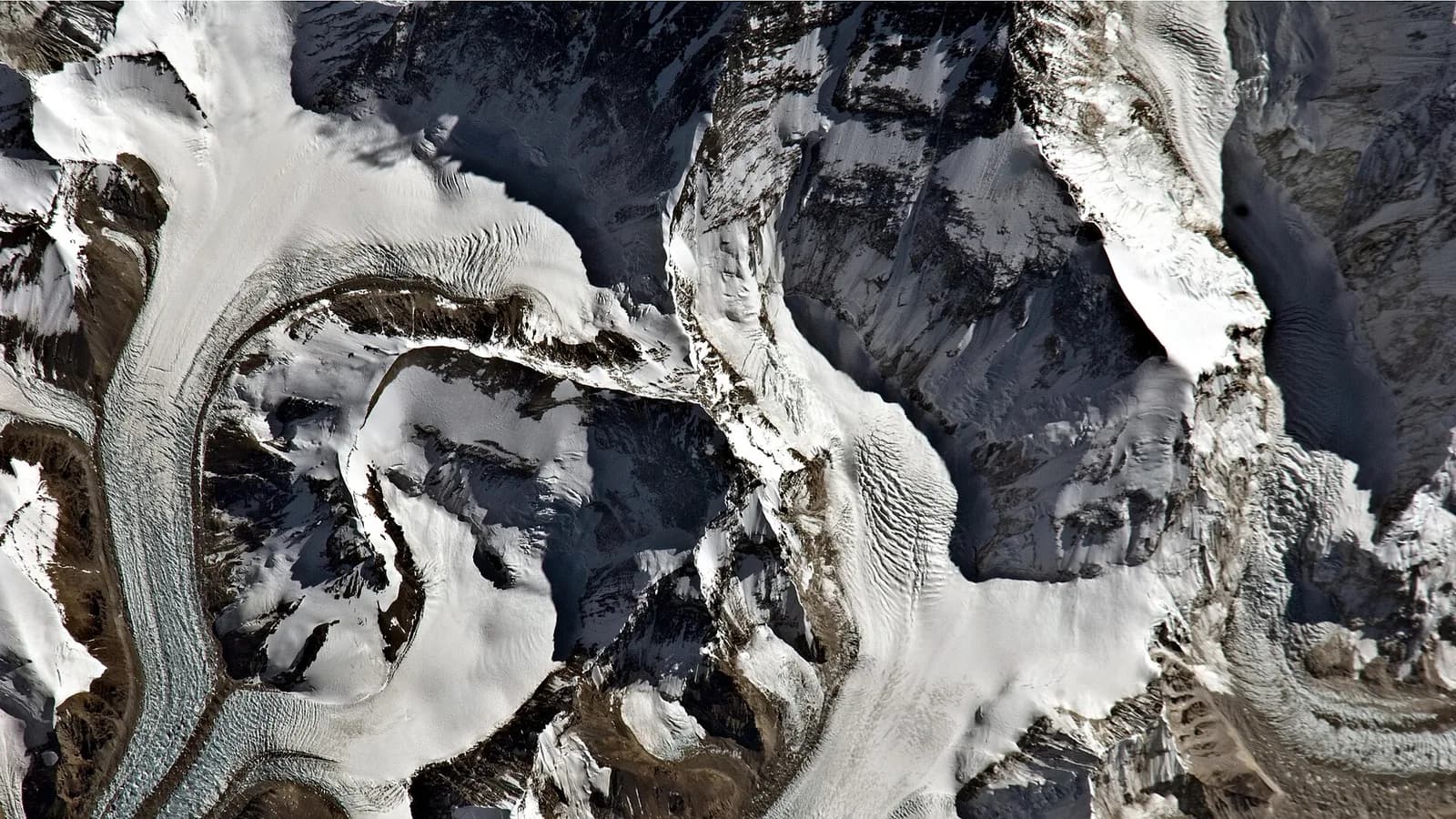
Asking how much it costs to climb Mount Everest is really asking three questions at once: what the Nepal government charges to let you on the mountain, what a guiding company charges to keep you alive on it, and what you will quietly spend on everything the brochure leaves out. In 2026 those three numbers add up to a figure most first-timers underestimate by tens of thousands of dollars.
This guide breaks the cost into the pieces that actually appear on an invoice — the permit, the expedition package, Sherpa support, oxygen, insurance and the long tail of extras — and stamps each with a date so you can sanity-check any quote you are given. To be clear from the start: this is about summiting Everest, not the far cheaper Everest Base Camp trek, which ends at 5,364 m and costs a tiny fraction of a summit bid. If walking to Base Camp is what you actually want, that other guide is the one to read.
Key takeaways
- A fully supported south-side (Nepal) expedition in 2026 commonly costs USD 40,000–80,000, with a published median near USD 54,000 for Sherpa-guided trips and around USD 76,000 for Western-guided ones (as of February 2026).
- Budget operators start around USD 30,000–45,000; ultra-luxury services can exceed USD 200,000.
- The Nepal foreigner climbing permit rose to USD 15,000 for the spring season on 1 September 2025, up from USD 11,000.
- The permit is only one line item — Sherpa wages, oxygen, logistics, insurance and tips together often cost more than the permit itself.
- Plan a contingency of several thousand US dollars for extra oxygen, summit bonuses, weather-delay hotels and gear.
The permit: US$15,000 and counting
The single most quotable number changed in 2025. On 1 September 2025, Nepal's Department of Tourism raised the foreigner royalty for climbing Everest by the standard spring route. Himal Gautam, a director at the department, confirmed the new fees took effect at the start of the autumn season.
The 2025 fee schedule
The increase was the first in a decade and applied across every season:
| Season | Old fee | New fee (from 1 Sep 2025) | |---|---|---| | Spring (Mar–May), south route | USD 11,000 | USD 15,000 | | Autumn (Sep–Nov) | USD 5,500 | USD 7,500 | | Winter & monsoon | USD 2,750 | USD 3,750 |
Nepali climbers were not spared: the spring royalty for citizens on the normal route doubled from NPR 75,000 to NPR 150,000.
What else changed with the permit
Two rule changes matter for budgeting and planning. First, the permit is now valid for 55 days instead of the previous 75, tightening the window you have to acclimatise and wait out weather. Second, Nepal formalised a guide requirement — broadly, one guide for every two climbers on peaks above 8,000 m — which removes the cheapest unsupported options from the table. The extra revenue is earmarked partly for waste management; cleanup teams hauled an estimated 85 tonnes of rubbish off the mountain in a single recent spring season.
The permit is non-trivial money, but notice what it is not: it is not the expedition. It is the entry ticket. Everything that keeps you breathing above Base Camp is extra.
The full expedition: what the package actually costs
Once you add guiding, logistics and oxygen to the permit, you reach the number people usually mean by "the cost of climbing Everest." For 2026, independent tracking and operator price lists converge on a familiar spread.
The realistic price tiers
| Tier | 2026 price range | What you get | |---|---|---| | Budget / local-led | USD 30,000–45,000 | Basic logistics, shared Sherpa support, limited oxygen, minimal extras | | Standard | USD 45,000–70,000 | Experienced guides, proper acclimatisation plan, reliable logistics | | Premium | USD 70,000–120,000+ | Personal Sherpa, upgraded base camp, extra oxygen, strong safety margin | | Ultra-luxury | USD 150,000–300,000+ | Private IFMGA guides, heated domes, near-unlimited oxygen, helicopter support |
Aggregated 2026 figures put the average expedition near USD 61,000 and the median around USD 55,000, which tells you most climbers land in the standard-to-premium band rather than at either extreme. Veteran Everest chronicler Alan Arnette's 2026 survey lists medians of roughly USD 45,000 for Nepalese operators, USD 54,000 for international operators using Sherpa guides on the Nepal side, and USD 76,000 for international operators using Western guides — a useful reality check against any single company's brochure.
Nepal versus Tibet
The Tibet (north) side is sometimes assumed to be cheaper, but for 2026 the published median for international operators on the Tibet side sits higher, near USD 90,000, reflecting tighter access and fewer operators. The Nepal south side remains the more common, more competitively priced route. If a quote for either side looks far below these ranges, ask hard questions about oxygen allowance, Sherpa ratios and rescue arrangements.
Where the money goes: a line-item breakdown
The headline package hides a stack of individual costs. Pulling them apart shows why the total is what it is and where a cheaper operator is really cutting. The figures below are representative per-climber or per-team amounts for the Nepal side in 2026 and will vary by company.
| Cost component | Typical amount | Notes | |---|---|---| | Climbing permit (spring) | USD 15,000 | Per climber; the fixed government floor | | Agency / logistics fee | ~USD 3,500 per team | Base-camp setup, staff, coordination | | Liaison officer | ~USD 5,000 per team | Government-mandated official | | Rubbish deposit | ~USD 4,000 per team | Refundable if waste is brought down | | Personal Sherpa | USD 5,000–10,000 | The single biggest variable in support level | | Supplemental oxygen | USD 3,000–6,000 | Roughly 5 bottles at ~USD 650 each, plus mask and regulator | | Mask & regulator | ~USD 1,100 | Often itemised separately from the gas | | Tips & summit bonuses | USD 1,000–5,000 | Real, expected, and easy to forget |
Sherpa support: the line that earns its money
A personal climbing Sherpa carries oxygen, fixes camps, breaks trail and is frequently the difference between a summit and a turnaround. That is why the spread between USD 5,000 and USD 10,000 per Sherpa maps so closely onto the difference between a budget and a premium expedition. Cutting here is the most consequential saving you can make, and rarely the wisest.
Oxygen: counting bottles, not just cylinders
A typical climber uses four to six bottles of supplemental oxygen on the summit push and the nights at the high camps. At around USD 650 a bottle plus the mask-and-regulator set, the oxygen line lands at USD 3,000–6,000. Premium packages bundle more bottles, which is part of what you are paying for — running low on oxygen high on the mountain is a safety problem, not a budgeting one.
The hidden costs nobody quotes upfront
Even an honest package leaves gaps you fund yourself. These are the items that turn a USD 55,000 expedition into a USD 65,000 trip:
- International flights and Nepal visa — rarely included; budget realistically for long-haul fares.
- Hotels and meals in Kathmandu — weather delays mean extra nights at both ends of the trip.
- Extra oxygen beyond the package allowance, if your push runs long.
- Personal climbing gear — boots, down suit, harness, crampons and more, easily a four-figure sum if you are starting from scratch.
- Specialist insurance — see below.
- Contingency — several thousand US dollars you hope not to spend.
Insurance you cannot skip
Standard travel insurance does not cover climbing above 6,000 m or helicopter rescue. You need a dedicated mountaineering policy that names high-altitude climbing and air evacuation. It commonly costs from a few hundred to over a thousand US dollars depending on duration and cover. The logic is the same one that applies even on the trek — read our explainer on trekking insurance and helicopter evacuation — except the stakes and altitudes are far higher.
How this compares to the Base Camp trek
It is worth putting the two side by side, because the gulf is enormous and the names get conflated constantly.
| | Base Camp trek | Everest summit | |---|---|---| | Highest point | ~5,364 m | 8,848.86 m | | Permits | ~NPR 5,000 (about USD 37) | USD 15,000 climbing royalty alone | | Typical total | ~USD 1,600–2,800 | USD 40,000–80,000+ | | Duration | ~12–14 days | ~6–9 weeks | | Oxygen / Sherpa | None | Essential |
If your real goal is to stand within sight of the mountain rather than on it, the Base Camp trek itinerary and the two simple Khumbu permits are all you need to plan, and a fraction of the spend. The trek and the climb share a trailhead and almost nothing else financially.
Ways to bring the cost down (sensibly)
You can shave the total without gambling with safety:
- Choose a reputable Sherpa-led operator over a Western-guided one — the median gap is real and the Sherpa teams are the people doing the high-altitude work regardless.
- Bring your own gear if you already own a tested down suit and boots, rather than renting or buying new.
- Climb in a standard rather than premium tier, accepting a personal-Sherpa share instead of a dedicated one if your experience supports it.
- Avoid cutting oxygen, Sherpa ratios or insurance — these are the three places where saving money costs lives.
Acclimatisation is non-negotiable at these altitudes; our altitude sickness guide explains why even strong climbers turn back, and learning a few trail phrases in Nepali helps you communicate with the team who will be looking after you.
The honest bottom line
Climbing Everest in 2026 is a USD 40,000–80,000 undertaking for most people, anchored by a USD 15,000 permit, built on Sherpa support and oxygen, and surrounded by a ring of extras that push the real outlay higher than the brochure number. Quotes far below the ranges here are usually cutting the support, oxygen or insurance that keep you alive. Stamp every figure with its date, ask your operator to itemise inclusions, and carry a contingency. The mountain rewards people who plan their money as carefully as their acclimatisation.
Sources
- Kathmandu Post — New Everest permit fee of $15,000 takes effect (2 Sep 2025): https://kathmandupost.com/money/2025/09/02/new-everest-permit-fee-of-15-000-takes-effect
- Alan Arnette — How Much Does It Cost To Climb Everest? 2026 Edition: https://www.alanarnette.com/blog/2026/02/03/how-much-does-it-cost-to-climb-everest-2026-edition/
- Climbing.com — How Much Does it Cost to Climb Everest in 2026?: https://www.climbing.com/travel/how-much-does-it-cost-to-climb-everest-in-2026/
- Climbing.com — Nepal Announces New Permits For Wealthy Everest Climbers: https://www.climbing.com/news/nepal-announces-new-permits-for-everest-climbers/
- Mnteverest.net — Mount Everest Costs 2026, Complete Price Breakdown: https://www.mnteverest.net/costs/
Frequently asked questions
- How much does it cost to climb Mount Everest in 2026?
- Most fully supported climbers spend between USD 40,000 and 80,000 for a south-side (Nepal) expedition in 2026, with a published median around USD 54,000 for a Sherpa-guided trip and roughly USD 76,000 for a Western-guided one. Budget operators start near USD 30,000 to 45,000, while ultra-luxury services can exceed USD 200,000. These are guide estimates, so confirm the current quote with your operator.
- How much is the Everest climbing permit?
- From 1 September 2025 the foreigner royalty for the standard spring season on the Nepal south route is USD 15,000 per climber, up from USD 11,000. Autumn is USD 7,500 and winter or monsoon is USD 3,750. The permit is now valid for 55 days rather than the previous 75 (as of June 2026).
- Why is climbing Everest so much more expensive than the Base Camp trek?
- The Base Camp trek ends at about 5,364 m and needs only two cheap local permits. A summit attempt adds the USD 15,000 climbing royalty, personal Sherpa wages, bottled oxygen, fixed ropes, weeks of base-camp logistics, a liaison officer, a refundable rubbish deposit and specialist high-altitude gear. Those line items, not the walking, are where the money goes.
- Is it cheaper to climb Everest from Tibet or Nepal?
- Historically the Tibet north side was sometimes cheaper, but for 2026 published medians for international operators run higher on the Tibet side, around USD 90,000, partly because of access controls and smaller operator numbers. The Nepal south side remains the more common and more competitively priced choice, though prices on both sides move year to year.
- What does an Everest expedition price usually include?
- A typical package covers the climbing permit, base-camp food and tents, group climbing equipment such as fixed ropes and ladders, a share of Sherpa support and a set number of oxygen bottles. It often excludes international flights, Nepal visa, travel and rescue insurance, personal climbing gear, extra oxygen, summit bonuses and tips, so always read the inclusions line by line.
- How much should I budget for tips and Sherpa bonuses?
- Tips and summit bonuses are a real cost, not an afterthought. Climbers commonly set aside USD 1,000 to 5,000 in total for their personal Sherpa, base-camp staff and cook, depending on the operator and whether a summit is reached. Ask your operator what is customary on their trips so you can carry enough cash.
- Do I need insurance to climb Everest, and what does it cost?
- Yes. You need mountaineering insurance that explicitly covers climbing above 6,000 m and helicopter rescue, which standard travel policies exclude. Specialist high-altitude cover commonly runs from a few hundred to over a thousand US dollars depending on duration and benefits. Without it, a helicopter evacuation from high camp can be financially ruinous.
- What hidden costs catch first-time Everest climbers out?
- The usual surprises are extra oxygen bottles beyond the package allowance, summit bonuses, the personal Sherpa upgrade, international flights, weeks of meals and hotels in Kathmandu around weather delays, and gear you discover you still need. Budget a contingency of several thousand US dollars on top of the headline package price.
Spotted an error in this post? Tell us or suggest a correction.
Related posts
ABC Trek: A Plain-English Guide to Annapurna Base Camp
The ABC trek (Annapurna Base Camp) explained — the route, how many days it takes, difficulty, the best seasons, and what daily trail life is really like.
Read postAma Dablam Climb: 2026 Expedition Guide (6,812m)
An Ama Dablam climb and expedition guide for 2026 — height, the Southwest Ridge route, camps, fixed ropes, difficulty, permits, cost and the best seasons.
Read postAnnapurna vs Manaslu: Which Trek Should You Choose?
An Annapurna vs Manaslu decision guide for trekkers — compare permits, crowds, difficulty, infrastructure and cost to pick the right Himalayan route.
Read postAsan Bazaar Kathmandu: Old Town Market Guide
A visitor guide to Asan bazaar, Kathmandu's oldest market — its six-road square, Annapurna Temple, what to buy, when to go, and how to get there.
Read postAyurveda Nepal: A Traveller's Guide to Healing
Ayurveda Nepal explained for tourists — the history, the doshas, treatments like Panchakarma and Shirodhara, where to go and how to choose a centre safely.
Read postBest Restaurants Pokhara Lakeside: Where to Eat
The best restaurants in Pokhara Lakeside — lakeside trout, wood-fired pizza, Tibetan momos and healthy cafes, with what to order and rough 2026 prices.
Read post