Tsum Valley Trek: Nepal's Hidden Sacred Valley on the Tibet Border
A practical Tsum Valley trek guide — the route to Mu and Rachen gompas, restricted-area permit and guide rules, difficulty, best season, and Tsumba culture.
A beyul — a hidden valley of refuge — where prayer flags outnumber trekkers and the Tibet border is a single ridgeline away.
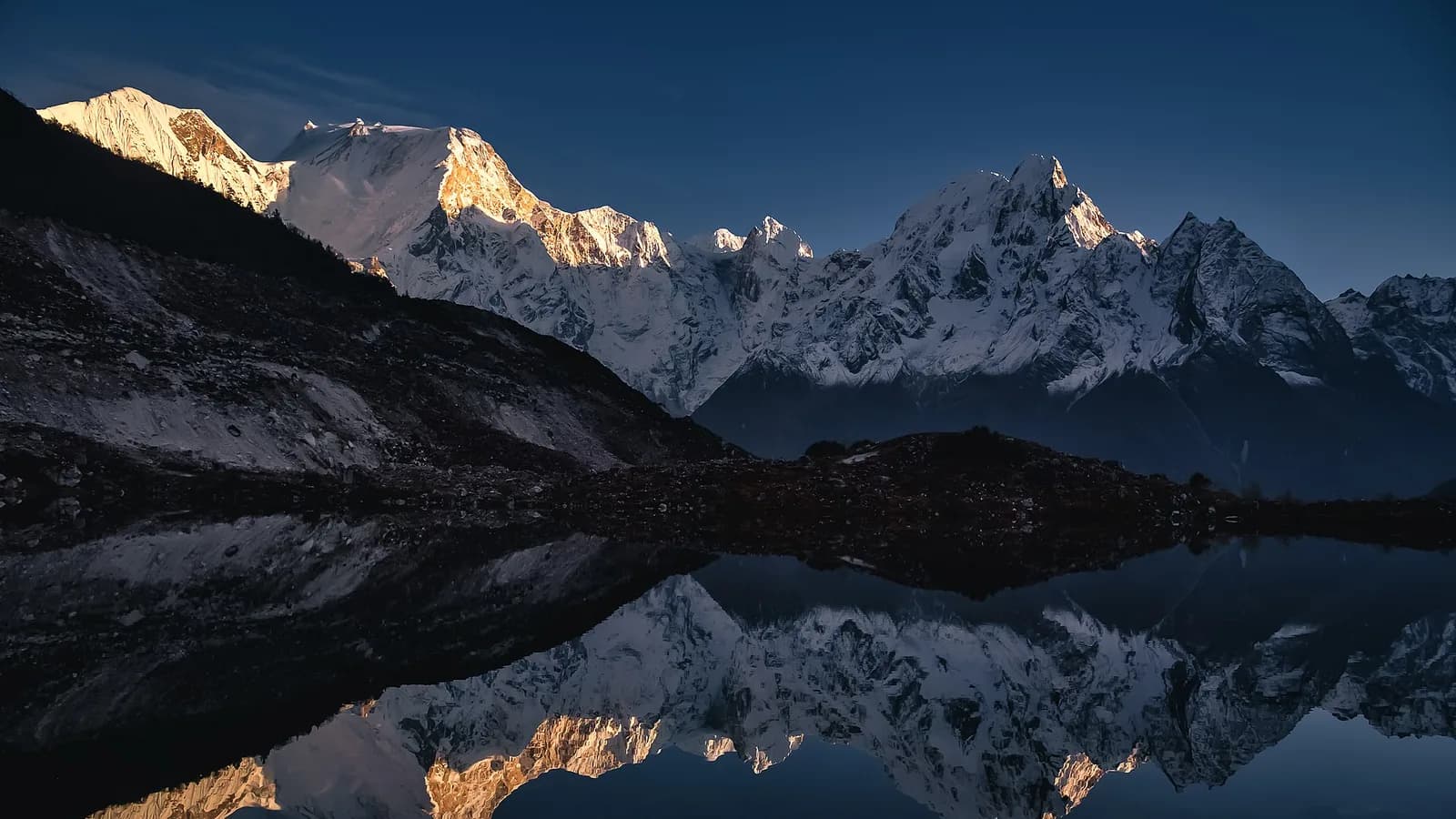
The Tsum Valley trek leads into one of the most secluded corners of the Nepal Himalaya — a remote, sacred pocket of the Manaslu region tucked against the Tibet border in Gorkha District. In Tibetan Buddhism this kind of place is a beyul: a hidden valley of refuge, set apart from the outside world. For centuries Tsum lived up to that idea, cut off by gorges and high ground, and it only opened to foreign trekkers in 2008. Today it remains one of the quietest serious treks in the country, walked by a fraction of the crowds you would meet on the Annapurna or Everest trails.
This is not a casual trip you can throw together at the trailhead. Tsum sits inside a government restricted area, which means real rules: a Restricted Area Permit, the Manaslu Conservation Area Permit, a licensed guide, and a minimum group — there is no genuine solo option here. This guide walks through the route, the permits and regulations, difficulty and fitness, the best season, the culture that makes Tsum unique, and how to actually arrange the trek. If you are still weighing your options across the country, our wider trekking overview and our roundup of the best treks in Nepal for beginners put Tsum in context — though Tsum itself is better suited to trekkers who already have some hill days behind them.
Key takeaways
- Tsum Valley is a restricted area near the Tibet border; you legally cannot trek it solo. The rules require a minimum group of two, a licensed guide, and a registered Nepali agency.
- You need a Restricted Area Permit (RAP) plus the Manaslu Conservation Area Permit (MCAP); an ACAP may apply if your route touches the Annapurna side. Confirm current fees with the Nepal Tourism Board or your agency.
- The trek is moderate to moderately strenuous, climbing from about 900m to roughly 3,700m at Mu Gompa, with no technical climbing on the Tsum side.
- The walking portion is commonly 11–14 days; the full trip from Kathmandu is usually 14–16 days. Many people pair Tsum with the wider Manaslu Circuit.
- The best seasons are spring (March–May) and autumn (September–November). Avoid the monsoon (June–August).
- Tsum is a beyul — a sacred hidden valley — with a living Tibetan Buddhist culture, the gompas of Mu and Rachen, and a long tradition of non-violence.
Where Tsum Valley is, and why it feels different
Tsum branches off the main Manaslu trail in the upper Budhi Gandaki river system, in northern Gorkha District. To the north lies Tibet; the surrounding peaks include Ganesh Himal, Sringi Himal, and Boudha Himal, with the Manaslu massif and the Larkya-area giants framing the wider region. Elevation in the inhabited valley runs from roughly 1,900m up past 3,700m at the highest gompas.
What sets Tsum apart is not a single dramatic viewpoint but the atmosphere of an enclosed, lived-in sacred landscape. Long stone-walled mani trails, chortens, and lines of carved prayer stones thread between villages. The people here — the Tsumba — are of Tibetan origin and speak a distinct dialect, and the valley's isolation kept their language, architecture, and Buddhist practice unusually intact. You are walking through a working cultural landscape, not a museum, and that is precisely the appeal.
The route and a typical itinerary
Most itineraries start with a long, bumpy drive from Kathmandu to Machha Khola (around 900m), the roadhead in the lower Budhi Gandaki. From there you walk north up the main Manaslu trail before branching east into Tsum proper. Treat the altitudes and day counts below as a representative plan, not a fixed schedule — agencies vary the stops and most build in time for the gompas.
- Machha Khola to Jagat — a warm, low-valley walk past waterfalls and suspension bridges, entering the restricted zone around Jagat where permits are checked.
- Jagat to Lokpa — the junction where the Tsum trail peels off from the main Manaslu route; the crowds thin almost immediately.
- Lokpa to Chumling — climbing into Tsum, with first proper views of Ganesh Himal and the change into Tibetan-style villages.
- Chumling to Chhokangparo — the trail eases into the broader upper valley; this open stretch is the cultural heart of Tsum.
- Chhokangparo to Nile/Chhule and Mu Gompa — the deepest point, reaching Mu Gompa at about 3,700m, the largest monastery in the valley, close to the Tibet border.
- Side visits to Rachen Gompa and Milarepa's cave — Rachen is a significant nunnery on the valley floor; the Piren Phu (Milarepa) cave is a key pilgrimage site.
- Return via Chhokangparo, Ripchet, and Philim back to Machha Khola, often with an optional detour to Gumba Lungdang for closer Ganesh Himal views.
Because Tsum is an out-and-back valley off the main Manaslu spine, it is frequently combined with the full Manaslu Circuit and the high Larkya La pass. That combination is a bigger, higher undertaking and adds roughly a week. If you are comparing the scale of Nepal's big loops before deciding, our Annapurna Circuit vs Base Camp piece is a useful frame for how out-and-back valleys differ from full circuits.
Difficulty and fitness
Tsum is best described as moderate to moderately strenuous. There is no climbing, no ropes, and no glacier travel on the Tsum side — the difficulty comes from three things: distance, remoteness, and altitude gain.
You will walk long days, often six to seven hours, on trails that are rougher and less maintained than the popular routes. Facilities are basic; the teahouses here are simpler and fewer than on the Annapurna or Everest trails, so comfort expectations should be modest. And while Tsum tops out around 3,700m rather than the 5,000m-plus of the Larkya pass, you still gain a lot of height from the 900m roadhead, and altitude sickness is a genuine risk above roughly 3,000m.
Build your itinerary with gradual ascent and a rest or acclimatisation day, and read our altitude sickness guide for Nepal trekking before you go. You do not need to be an athlete, but you should be comfortable with consecutive full days of hill walking. For a sense of how Tsum compares to better-known routes, our Everest vs Annapurna difficulty breakdown is a helpful yardstick — Tsum sits in similar moderate territory, with remoteness as the extra factor.
Best season
The two reliable windows are the same as for most Nepal Himalaya trekking:
- Autumn (September to November): crisp, stable air, dry trails, and the clearest mountain views. This is the prime window, and you may catch the Lhosar festival period or local ceremonies in some years.
- Spring (March to May): warm, settled weather with rhododendron blooms lower down. A close second to autumn.
Avoid the monsoon (June to August), when heavy rain brings leeches, slippery ground, cloud-covered peaks, and real landslide risk in the lower valley. Deep winter (December to February) is possible but cold, with snow and the chance of closed teahouses higher up. For a fuller country-wide breakdown, see our guide to the best season to trek in Nepal.
Permits and rules — read this carefully
Tsum Valley's restricted status is the single most important planning fact, and it is non-negotiable.
- Restricted Area Permit (RAP): Tsum lies in a government-designated restricted zone. The RAP cannot be issued to an individual trekking alone — it must be processed by a registered Nepali trekking agency on behalf of a group.
- Manaslu Conservation Area Permit (MCAP): required for the conservation area you pass through.
- Annapurna Conservation Area Permit (ACAP): required only if your route connects into or exits through the Annapurna region (relevant mainly when combining Tsum with the full Manaslu Circuit).
- Minimum group of two: a true solo trek is not allowed in the restricted area. Solo travellers typically join a small group or pair up through an agency to meet the rule.
- Licensed guide mandatory: you must trek with a licensed guide arranged through a registered company; freelance or unregistered guides are not accepted for the restricted zone.
On fees: restricted-area permit costs are seasonal and change over time, and different sources quote different figures, so we deliberately do not list a number here. Get the current fee from your agency or the Nepal Tourism Board before you book. For the wider picture on Nepal trekking paperwork, see our permits overview. And if you are weighing the guide question for Nepal generally, our explainer on whether you need a guide to trek in Nepal covers the rules — but for Tsum specifically, the answer is simply yes, by law.
Highlights — gompas, caves, and Larkya-edge scenery
Tsum's rewards are as much cultural as scenic:
- Mu Gompa (~3,700m): the valley's largest monastery, set high near the Tibet border with a stark, wind-blown setting and big views back down the valley. It has long served as a centre of meditation and learning.
- Rachen Gompa: a notable nunnery on the valley floor, calm and welcoming, and one of the most atmospheric stops in Tsum.
- Piren Phu (Milarepa's cave): the saint Milarepa is believed to have meditated in caves in the valley, and Tsum has been a pilgrimage destination for centuries because of it.
- Mani walls and chortens: some of the longest carved-stone mani walls you will see anywhere in Nepal line the trail between villages.
- Ganesh Himal and the wider Manaslu skyline: the Larkya-area giants and the Ganesh Himal range provide the backdrop, especially from upper Tsum and the Gumba Lungdang detour.
The valley is also known for its tradition of non-violence: the Tsumba community long ago committed the valley to a code of protecting life, and you will notice the absence of hunting and the strong Buddhist ethic that shapes daily life. Learning even a few words of greeting goes a long way — our trekking phrasebook helps you connect with the people you meet on the trail.
How to get there and arrange the trek
Because of the restricted-area rules, the practical path is straightforward: book through a registered Nepali trekking agency. The agency arranges the RAP, the MCAP (and ACAP if needed), provides the mandatory licensed guide, and ensures you meet the minimum-group requirement.
A typical sequence looks like this:
- Fly into Kathmandu and confirm your itinerary, dates, and group with the agency. Bring your passport and several passport-size photos for the paperwork.
- The agency processes the restricted-area permit — usually a day or two before departure — since this cannot be self-issued.
- Drive from Kathmandu to Machha Khola, a long road day on rough mountain roads, to reach the trailhead.
- Trek north and branch into Tsum, walking the valley to Mu Gompa and the cultural sites before returning to the roadhead and driving back to Kathmandu.
If you want a gentler introduction to Nepal trekking before tackling a remote restricted valley, lower-altitude classics like the Ghorepani Poon Hill trek and the Mardi Himal trek are excellent warm-ups, and the short, scenic Pikey Peak trek offers big Everest views without restricted-area complexity. Tsum rewards trekkers who arrive fit, acclimatisation-aware, and curious about a living Himalayan-Buddhist culture — go with respect, and the valley delivers one of the most authentic experiences left in Nepal.
Sources
Frequently asked questions
- Can I trek Tsum Valley solo?
- No. Tsum Valley sits inside a government restricted area, and the rules require a minimum group of two trekkers plus a licensed guide hired through a registered Nepali trekking agency. A true solo trek is not permitted here, and the restricted-area permit cannot be issued to an individual on their own.
- What permits do I need for the Tsum Valley trek?
- You need a Restricted Area Permit (RAP) for the Tsum/Manaslu zone and the Manaslu Conservation Area Permit (MCAP). If your route continues into or exits through the Annapurna region, you may also need the Annapurna Conservation Area Permit (ACAP). The RAP must be processed by a registered agency. Check current fees with the Nepal Tourism Board or your agency, as they change.
- How long is the Tsum Valley trek?
- The walking portion is commonly around 11 to 14 days from the Machha Khola roadhead and back, with the full Kathmandu-to-Kathmandu trip usually running about 14 to 16 days. Many trekkers combine Tsum Valley with the wider Manaslu Circuit, which adds roughly a week.
- How difficult is the Tsum Valley trek?
- It is rated moderate to moderately strenuous. There is no technical climbing on the Tsum side, but you walk long days on rough, remote trails and climb from around 900m to roughly 3,700m at Mu Gompa. The main challenges are sustained altitude gain, basic teahouse facilities, and the trail's remoteness.
- When is the best time to trek Tsum Valley?
- Spring (March to May) and autumn (September to November) are the prime windows, with stable weather and clear mountain views. Spring adds rhododendron blooms; autumn brings crisp, dry air. Avoid the June to August monsoon, when leeches, landslides, and slippery trails affect the lower valley.
- What is special about the culture of Tsum Valley?
- Tsum is a beyul, a sacred hidden valley in Tibetan Buddhism. The Tsumba people are of Tibetan origin and keep a living Buddhist culture centred on gompas such as Mu and Rachen. The valley is also known for a long tradition of non-violence, and the saint Milarepa is believed to have meditated in caves here.
- How high does the Tsum Valley trek go?
- The highest commonly visited point is Mu Gompa at about 3,700m, near the Tibet border. Side options such as the viewpoint above Mu or Gumba Lungdang push a little higher, but Tsum stays well below the 5,000m-plus passes of the full Manaslu Circuit.
Spotted an error in this post? Tell us or suggest a correction.
Related posts
Limi Valley Trek: Nepal's Last Tibetan Corner Beyond the Karnali
A practical guide to the Limi Valley trek in remote Humla — route, the Nyalu La pass (~4,990m), duration, difficulty, best season and restricted-area permits.
Read postManaslu Trek Permit Cost 2026: Fees & Rules
A clear 2026 breakdown of the Manaslu trek permit cost — RAP, MCAP, ACAP and local fees, the new solo rule, and how to budget per person.
Read postGanesh Himal Ruby Valley Trek: The Quiet Valley Between Langtang and Manaslu
A practical guide to the Ganesh Himal Ruby Valley trek: route, duration, difficulty, best season, community homestays and permits in Dhading and Rasuwa.
Read post