Street Food Kathmandu: A Tourist's Guide to What to Eat
A traveler's guide to street food in Kathmandu — momo, chatamari, sekuwa, sel roti and where to eat them safely in Asan, Indra Chowk and Thamel.
The real flavor of Kathmandu isn't in a restaurant — it's at a tin-roofed stall where the momos never stop steaming.
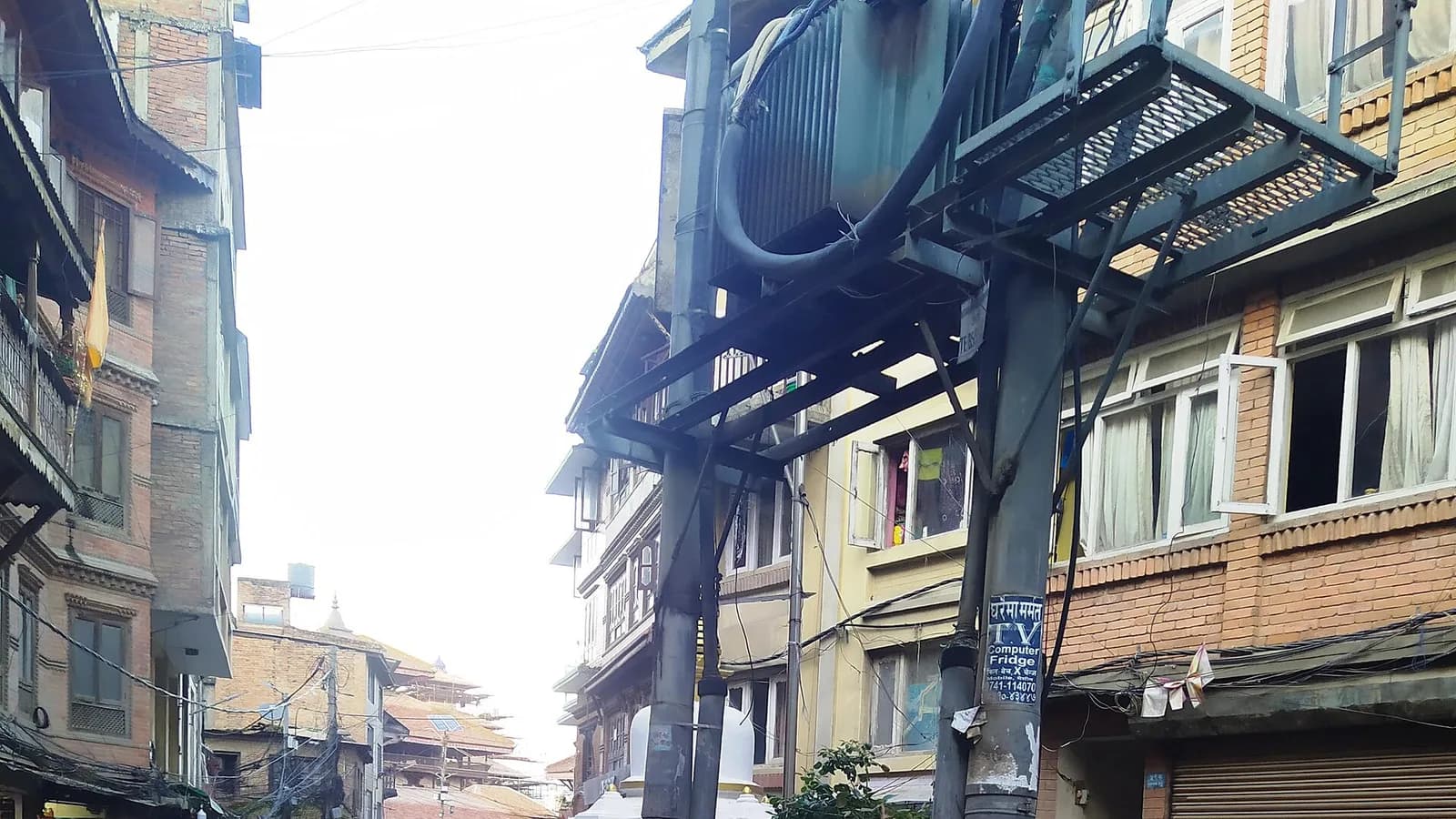
Kathmandu is a city you eat with your hands, standing up, in the middle of a crowd. Beyond the sit-down restaurants of Thamel lies a far older food culture lived out on tin-roofed stalls and temple steps, where street food in Kathmandu ranges from steaming dumplings to charcoal-grilled skewers to crepes cooked on cast-iron pans. For a traveler, learning to navigate it is the single best way to taste the real Kathmandu Valley.
This guide walks you through the snacks worth seeking out, the neighborhoods where the vendors cluster, roughly what to expect to pay, and — crucially — how to enjoy it all without spending your trip near a bathroom. Whether you have an afternoon in the old city or a week to graze your way around, here is how to eat Kathmandu like a local.
Key takeaways
- Momo is king — the steamed or fried dumpling is the city's defining street food, served everywhere with a tangy dipping achar.
- The old city markets of Asan and Indra Chowk are the historic heart of Newari street food and the densest place to find authentic vendors.
- Newari specialties like chatamari, bara, and choila are the Kathmandu Valley's distinctive contribution and worth prioritizing.
- Street food is cheap — usually a small fraction of a restaurant meal in Nepalese rupees (as of June 2026).
- Eat smart to stay well: choose busy stalls, insist on hot and freshly cooked food, and be careful with raw chutneys and pani puri water.
- Vegetarians are well served — momo, chatpate, pani puri, sel roti, and fried snacks all come in meat-free versions.
Momo: the dumpling that rules the streets
If Kathmandu had an official street food, it would be the momo. These bite-sized dumplings are wrapped in a thin wheat skin, stuffed with minced buffalo, chicken, or finely chopped vegetables, and either steamed in stacked aluminum baskets or pan-fried until golden. They arrive with a dipping sauce — usually a tomato-and-sesame achar that can range from mild to seriously spicy.
Part of the fun is the variations. Beyond the standard steamed version you will find:
- Jhol momo — dumplings swimming in a soupy, spiced sesame broth, eaten with a spoon.
- Fried momo (kothey) — pan-seared on one side for a crisp base.
- C momo (chilli momo) — tossed in a fiery sauce with onions and peppers.
- Steam-fried and tandoori versions in trendier spots.
Momo is so central to the city's eating habits that it gets its own dedicated guide — our traveler's guide to momos breaks down the fillings, the regional styles, and where to find the legendary plates.
Newari street snacks you should not miss
The Newars, the indigenous people of the Kathmandu Valley, have a food culture older and more elaborate than the generic Nepali-Indian menu most tourists encounter. Several of their dishes are sold as street snacks, and these are the ones that taste most distinctly of Kathmandu.
| Dish | What it is | |------|-----------| | Chatamari | A crisp rice-flour crepe, the "Newari pizza," topped with minced meat, egg, and vegetables | | Bara | A fried savory patty made from ground black-lentil batter, soft inside and crisp outside | | Choila | Spiced, often smoked, grilled buffalo or chicken tossed with mustard oil and chillies | | Samay baji | A ceremonial platter of beaten rice, choila, bara, egg, soybeans, and pickles | | Yomari | A steamed rice-flour dumpling filled with molasses (chaku) and sesame, most common in winter |
These dishes are easiest to find in the old city and in the neighboring cities of Patan and Bhaktapur. If the Newari table fascinates you — and it should — our deeper Newari food in Kathmandu guide explains samay baji, chatamari, and yomari in full.
Grilled, fried, and fast: the everyday snacks
Beyond dumplings and Newari plates, Kathmandu's streets run on a rotating cast of cheap, punchy snacks that locals eat between meals or on the way home from work.
Sekuwa
Sekuwa is Nepal's answer to the kebab: chunks of chicken, buffalo, lamb, or goat marinated in ginger, garlic, cumin, coriander, and mustard oil, then skewered and grilled over charcoal. The smoky aroma drifting from a roadside grill is one of the great street-food sirens of the city. It is usually served with beaten rice (chiura) and a slice of raw onion.
Sel roti
A ring of crisp, deep-fried sweetness, sel roti is made from a lightly fermented rice-flour batter poured in a circle into hot oil. The result is somewhere between a doughnut and a bagel — crunchy on the outside, chewy within. It is a festival staple during Tihar and Dashain but sold year-round at breakfast stalls. We have a whole post on sel roti if you want to understand the ritual behind it.
Pani puri and chatpate
For pure street theater, nothing beats pani puri (also called golgappa): hollow, crisp spheres cracked open, stuffed with spiced potato and chickpeas, and dunked in a tangy-spicy tamarind water just before you pop the whole thing in your mouth. Its cousin chatpate is a cold, crunchy mix of puffed rice, noodles, potato, onion, and lashings of lemon and chilli, served in a paper cone. Both are everywhere, both are cheap, and both are addictive.
Other quick bites
Keep an eye out for laphing (a chilled, slippery, intensely spicy Tibetan-origin noodle), gwaramari (deep-fried dough balls eaten at breakfast), thukpa (a warming noodle soup), and sukuti (chewy dried buffalo or goat meat tossed with spices as a snack).
Where to eat: the best street food neighborhoods
Kathmandu's street food is not spread evenly. A few areas concentrate the best of it.
- Asan — A historic six-way trading square in the old city and the beating heart of Newar food culture. The lanes are packed with vendors selling chatamari, bara, samosas, sweets, and seasonal specialties. Come mid-morning or around lunch when local shoppers stop to eat.
- Indra Chowk — A short walk from Asan, ringed by temples and shops, and excellent for Newari festival foods, juju dhau (the famous Bhaktapur curd), choila, and fried momo.
- Basantapur / Kathmandu Durbar Square — The plaza beside the old royal palace draws carts and stalls, and it is an atmospheric place to snack with a UNESCO backdrop. See our Kathmandu Durbar Square guide for the wider visit.
- Thamel — The tourist district is the gentlest on-ramp for nervous first-timers, with momo, sekuwa, and thukpa alongside more familiar comfort food. Our Thamel guide covers the lay of the land.
For sit-down options when you want a table and a menu, pair this with our best restaurants in Kathmandu roundup.
What it costs
Street food is the most affordable way to eat in the city. A small plate of momo, a round of pani puri, or a cone of chatpate each cost only a small fraction of a sit-down tourist meal in Nepalese rupees (as of June 2026). Because exact prices shift constantly by stall, season, and neighborhood — and because tourist-facing carts sometimes charge more — the simplest tactic is to glance at what locals around you are handing over, or ask the price before you order. Carry small denominations of cash; almost no street vendor takes cards.
If you are still finding your feet with currency and bargaining, our Nepali numbers and bargaining guide will help you read prices and pay with confidence.
How to eat street food without getting sick
Stomach trouble is the most common complaint among visitors to Nepal, and it is usually avoidable. Street food is not inherently dangerous — millions of locals eat it daily — but a tourist's gut needs a sensible approach.
- Give yourself a few days. Let your system adjust to local food before going all-in on raw and cold items. Start with hot, cooked dishes like momo and sekuwa.
- Follow the crowds. A stall mobbed with locals has high turnover, which means fresher food and faster-moving ingredients.
- Insist on hot. Food that is cooked to order and served steaming is far safer than anything sitting out lukewarm.
- Be wary of water-based items. The spiced water in pani puri, raw chutneys, salads, and ice are the higher-risk components. Enjoy them, but know that is where the gamble lies.
- Mind your hands. Carry hand sanitizer and use it before eating, since you will often eat without cutlery.
- Drink safe water. Stick to bottled, boiled, or filtered water. Our guide on whether the water is safe to drink in Nepal goes into detail.
A little caution buys you the freedom to eat adventurously. For the bigger picture on staying well, see our notes on safe eating in Nepal within the dal bhat guide.
A few phrases that help
You can point and smile your way through any stall, but a handful of words turns a transaction into a warm exchange:
- Mitho chha — "it's delicious"
- Piro — "spicy" (say kam piro for less spicy)
- Kati ho? — "how much is it?"
- Pugyo — "enough / I'm full"
Our ordering food in Nepali phrasebook has the full set, and if you want to compliment the cook properly, here is how to say delicious in Nepali.
Final word
Eating your way through Kathmandu's streets is not a side activity — it is one of the main reasons to come. Each stall is a small window onto the valley's history: the Newari crepe cooked the way it was centuries ago, the Tibetan-influenced noodles, the Indian-inflected snacks, the dumplings everyone agrees on. Eat what is hot, follow the locals, carry small change, and let your nose lead the way. Kathmandu rewards a hungry, curious traveler more than almost any city in the region.
Sources
Frequently asked questions
- What is the most popular street food in Kathmandu?
- Momo, the steamed or fried dumpling, is by far the most popular street food in Kathmandu. Stalls fill them with buffalo, chicken, or vegetables and serve them with a tomato-sesame dipping sauce called achar. Pani puri and chatpate are close runners-up for cheap, everyday snacking.
- Is street food in Kathmandu safe for tourists?
- It can be, if you choose carefully. Pick busy stalls with high turnover, eat food that is cooked fresh and served piping hot, and be cautious with raw chutneys, salads, and the spiced water in pani puri. Give your stomach a few days to adjust before diving in, and stick to bottled or treated water.
- Where is the best area for street food in Kathmandu?
- Asan and Indra Chowk in the old city are the historic heart of Newari food and have the densest cluster of authentic vendors. Basantapur near Kathmandu Durbar Square and the tourist hub of Thamel are also reliable, with Thamel offering the gentlest introduction for first-timers.
- What is chatamari?
- Chatamari is a thin, crispy rice-flour crepe often called Newari pizza. It is cooked on a flat pan and topped with minced buffalo or chicken, egg, and vegetables, then folded or eaten flat. It is a signature snack of the Newar community indigenous to the Kathmandu Valley.
- Can vegetarians eat street food in Kathmandu?
- Yes, easily. Vegetable momo, chatpate, pani puri, sel roti, aloo (potato) dishes, and many fried snacks are vegetarian. Just confirm the momo filling, since buffalo and chicken are common, and ask whether dishes were fried in the same oil as meat if that matters to you.
- How much does street food cost in Kathmandu?
- Street snacks are among the cheapest food in the city, with a small plate of momo or a round of pani puri typically costing only a fraction of a sit-down restaurant meal in Nepalese rupees (as of June 2026). Prices vary by stall and neighborhood, so glance at what locals are paying.
- What is sekuwa?
- Sekuwa is marinated meat — usually chicken, buffalo, lamb, or goat — skewered and grilled over charcoal or an open flame. The marinade blends ginger, garlic, cumin, coriander, and mustard oil, giving the meat a smoky, spicy flavor. You will smell sekuwa grills before you see them.
- What is sel roti?
- Sel roti is a sweet, ring-shaped bread made from a fermented rice-flour batter that is deep-fried into a crisp, doughnut-like loop. It is crunchy outside and soft inside, eaten at breakfast, during festivals like Tihar and Dashain, and as an any-time snack across Nepal.
Spotted an error in this post? Tell us or suggest a correction.
Related posts
ABC Trek: A Plain-English Guide to Annapurna Base Camp
The ABC trek (Annapurna Base Camp) explained — the route, how many days it takes, difficulty, the best seasons, and what daily trail life is really like.
Read postAma Dablam Climb: 2026 Expedition Guide (6,812m)
An Ama Dablam climb and expedition guide for 2026 — height, the Southwest Ridge route, camps, fixed ropes, difficulty, permits, cost and the best seasons.
Read postAnnapurna vs Manaslu: Which Trek Should You Choose?
An Annapurna vs Manaslu decision guide for trekkers — compare permits, crowds, difficulty, infrastructure and cost to pick the right Himalayan route.
Read postAsan Bazaar Kathmandu: Old Town Market Guide
A visitor guide to Asan bazaar, Kathmandu's oldest market — its six-road square, Annapurna Temple, what to buy, when to go, and how to get there.
Read postAyurveda Nepal: A Traveller's Guide to Healing
Ayurveda Nepal explained for tourists — the history, the doshas, treatments like Panchakarma and Shirodhara, where to go and how to choose a centre safely.
Read postBest Restaurants Pokhara Lakeside: Where to Eat
The best restaurants in Pokhara Lakeside — lakeside trout, wood-fired pizza, Tibetan momos and healthy cafes, with what to order and rough 2026 prices.
Read post