Nepalese Food: A Regional Guide for Travelers
A regional guide to Nepalese food — how dishes change across the Terai, hills and mountains, plus Newari, Thakali and Tharu cuisine and dining etiquette.
In Nepal, the map is a menu — every valley and ethnic group cooks the land a little differently.
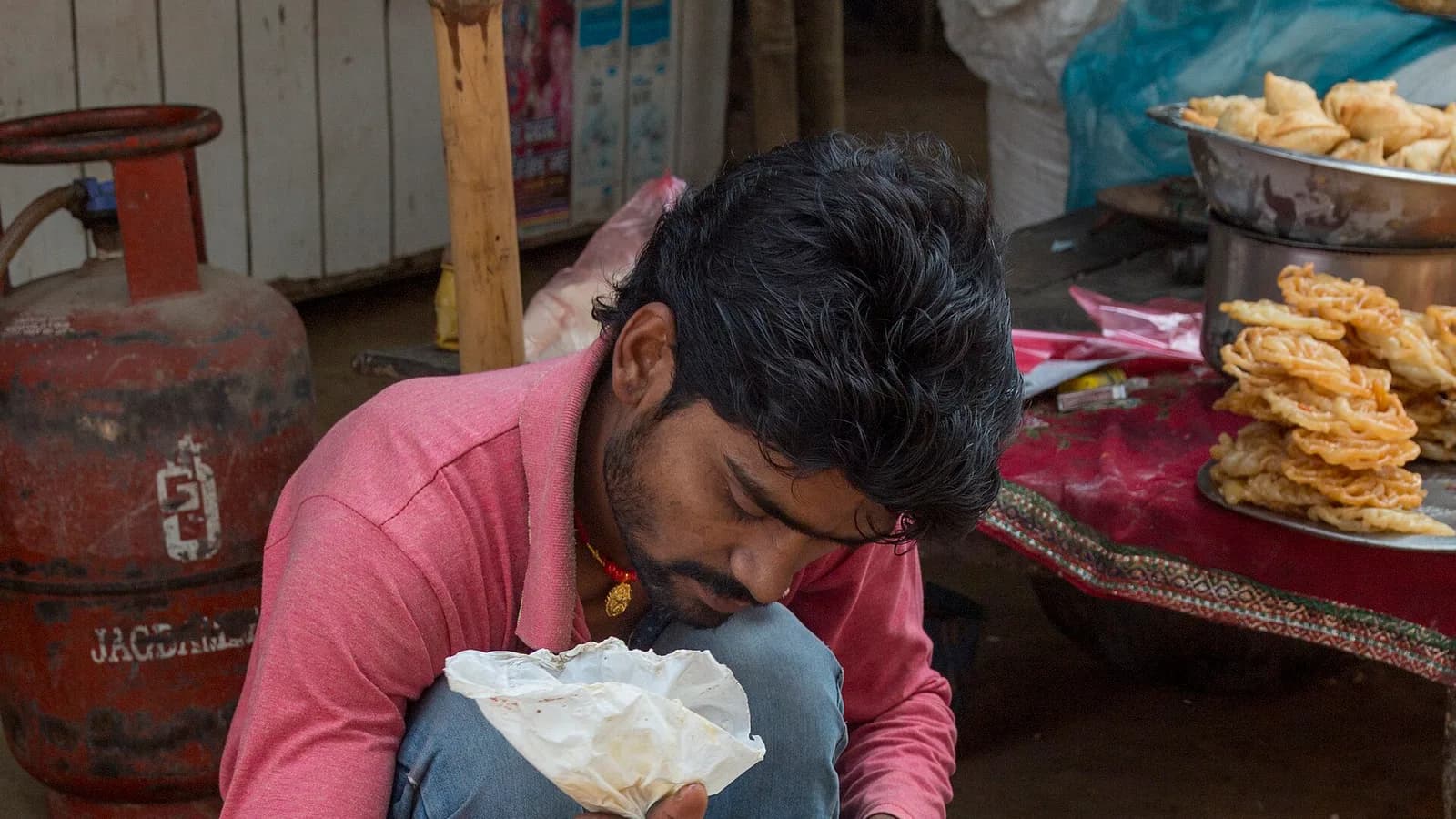
Ask ten Nepalis what their national dish is and you may get three answers — and all of them are right. Nepalese food is not one cuisine but a stack of them, layered up the country's dramatic gradient from steamy lowland jungle to high Himalayan pasture. The same plate of rice and lentils that fuels a Kathmandu office worker looks different in a Tharu village near the Indian border and different again in a Thakali inn on the Annapurna Circuit.
This is a companion to our broader what to eat in Nepal guide. Rather than ranking the must-try dishes, it looks at why the food changes as you travel — the geography, the ethnic communities, and the table manners that shape a meal. If you want the dish-by-dish checklist, start there; if you want to understand what is on your plate and the region behind it, read on.
Key takeaways
- Nepalese food splits roughly into three altitude zones — the Terai lowlands, the middle hills, and the high mountains — each with its own staples.
- Dal bhat is the national meal, but the hills add dhido (millet or buckwheat porridge) and fermented greens like gundruk as their own claim to the title.
- Three ethnic cuisines stand out for travelers: Newari (Kathmandu Valley feasts), Thakali (a balanced trekkers' thali), and Tharu (river-and-rice cooking of the Terai).
- Buffalo meat and fermented foods feature heavily in the hills; the mountains lean Tibetan, with thukpa, potatoes and barley.
- Mealtime customs matter: the concepts of jutho (ritual impurity) and right-hand eating are worth understanding before you sit down.
The three food zones of Nepal
Nepal climbs from under 100 metres in the south to the world's highest peaks within a span you could drive in a day. Because crops, climate and trade routes all change with that altitude, food does too. Geographers and cooks alike usually describe three broad belts.
| Zone | Climate & produce | Typical foods | | --- | --- | --- | | Terai (lowlands) | Warm and fertile; rice, mangoes, lychees, fish | Rice-heavy meals, fish curries, Tharu and Madhesi dishes | | Middle hills | Temperate; millet, maize, citrus, vegetables | Dal bhat, dhido, fermented greens, Newari cuisine | | High mountains | Cold; buckwheat, barley, potatoes, imported rice | Thukpa, tsampa, potatoes, butter tea, Tibetan-style food |
Terai: rice, rivers and tropical produce
The Terai is Nepal's bread basket — or rather its rice basket. This flat southern strip shares a climate and much of its cooking with the north Indian plains, so meals are rice-forward and often include freshwater fish, lentils and tropical fruit. The cuisines here are usually described as Madhesi in the centre and east and Tharu in the west, with regional cousins like Maithili and Bhojpuri cooking.
Middle hills: the fermenting heartland
The temperate middle hills, home to Kathmandu and Pokhara, are where Nepalese food gets most distinctive. Fermentation is a way of life: greens are dried and soured into gundruk and sinki to survive lean months. This belt is also the home of Newari cuisine and of the everyday dal-bhat-tarkari plate most visitors picture when they think of Nepal.
High mountains: a Tibetan accent
Up where rice will not grow, the kitchen turns to hardy grains — buckwheat, barley and millet — and to potatoes, which thrive at altitude. The cooking takes on a strong Tibetan character: warming noodle soups, dumplings, roasted barley flour (tsampa), and salty butter tea that delivers calories and fat where the body burns through them fast. Our note on teahouse food on the Everest Base Camp trek covers what to expect on the trail.
Dal bhat and dhido: the staples
You cannot talk about Nepalese food without dal bhat, the rice-and-lentil set served with a seasonal vegetable curry (tarkari) and a tangy pickle (achar). It is balanced, inexpensive and endlessly refillable in many eateries — hence the trekkers' mantra, "dal bhat power, 24 hour." Most Nepalis eat it at least once a day, and it carries strong overtones of hospitality.
The hills add a second staple that is often called a national dish in its own right: dhido, a thick porridge made by stirring millet, buckwheat or maize flour into hot water. It is gluten-free, filling and traditionally eaten with the hand, scooped and dipped into soup or gundruk. Pair dhido with fermented greens and you have a meal that has sustained mountain villages for generations.
A note on fermented foods
Fermentation is central to hill cooking. Gundruk (sun-dried, soured leafy greens) and sinki (fermented radish) add sourness and preserved nutrition to the plate, and gundruk-making is a communal autumn ritual in many Gurung, Limbu, Rai and Sherpa communities after the monsoon harvest. The flavour is sharp and a little funky — and unmistakably Nepali.
Newari cuisine: the Kathmandu Valley's feast
If you have time for only one deep dive, make it Newari food. The Newar people of the Kathmandu Valley refined an elaborate cuisine over centuries of trade between India and Tibet, built around festivals, fermentation and buffalo meat. Our Newari food guide for Kathmandu goes further, but here are the dishes to know.
| Dish | What it is | | --- | --- | | Samay baji | A ceremonial platter of beaten rice (chiura) with choila, beans, egg, ginger and more | | Choila | Spiced grilled buffalo meat, often smoky and chili-hot | | Bara | A savoury fried lentil-flour patty, sometimes topped with egg or meat | | Chatamari | A thin rice-flour crepe, nicknamed "Nepali pizza" | | Kwati | A hearty soup of nine sprouted beans, eaten at a late-summer festival | | Yomari | A steamed dumpling filled with molasses and sesame, made at Yomari Punhi |
Juju dhau, the king of yogurt
No Newari meal is complete without juju dhau, literally "king of yogurt" in Newari — a thick, mildly sweet buffalo-milk yogurt set in clay pots and most famous in Bhaktapur. The clay draws out moisture for a custard-like texture, and legend traces the name to a Malla-era yogurt contest the city won. It appears at weddings and festivals and is one of the easiest Newari specialties to try.
Thakali food: the trekker's thali
Along the old salt-trade route through the Kali Gandaki gorge, the Thakali people built a reputation for running clean, well-run inns — bhattis — and serving one of Nepal's most satisfying set meals. A Thakali thali is essentially dal bhat done meticulously: rice or dhido with lentils, a meat or vegetable curry, sautéed greens, beans, and a spread of pickles, often seasoned with the citrusy local pepper timur (Sichuan pepper). Because the food is balanced and reliably good, it has become a favourite well beyond its home region, and you will find Thakali kitchens in Pokhara and along the Annapurna trails. Our Thakali culture and food post has more.
Tharu and Terai cooking
In the southern lowlands, the Tharu people developed a cuisine shaped by rivers and paddy fields. Historically hunter-gatherers and farmers, many Tharu communities turned increasingly to fish, freshwater crab, snails and prawns as forests gave way to cropland. Distinctive items include bagiya or dhikri — steamed rice-flour dumplings — alongside rice, lentils and locally caught fish. If a Chitwan safari is on your itinerary, a Tharu homestay meal is a memorable way to taste this side of Nepalese food.
Momos, snacks and street food
No survey of Nepalese food skips momos, the steamed or fried dumplings that are arguably the nation's favourite snack. Fillings range from buffalo and chicken to vegetable and paneer, and the dipping sauce — tomato blended with sesame, garlic, chili and sometimes timur — is half the appeal. Look for jhol momo, served swimming in a spiced, soupy sauce, and kothey momo, pan-fried on one side.
Beyond momos, the cities serve a lively snack culture: spicy puffed-rice salads, samosas, sel roti and chatpate. Our guides to street food in Kathmandu and sel roti, the ring-shaped festival rice bread, cover the highlights. As anywhere, choose busy stalls with high turnover, eat food that is cooked fresh and served hot, and stick to bottled or treated water.
How to eat: etiquette and drinks
A few customs will help you eat respectfully. The most important is jutho — the idea that anything touched by your mouth becomes ritually impure for others. In practice that means you do not bite from a shared plate, sip someone else's drink, or offer food you have already tasted. Many people pour water straight into the mouth without letting their lips touch the bottle for exactly this reason.
When eating with your hands, as many Nepalis do with dal bhat, use only the right hand to touch food; the left is traditionally considered unclean. In tourist restaurants, cutlery is always on hand if you prefer. For a few useful table phrases, see ordering food in Nepali and how to say delicious in Nepali.
To drink, the default is chiya — milk tea, often spiced into masala chiya — served sweet and strong. In hill and mountain communities you may be offered home-brewed alcohol: raksi, a clear distilled spirit; jaand or chhyang, a cloudy rice beer; or tongba, warm millet beer sipped through a bamboo straw. More on the everyday cup in our Nepali tea guide. Vegetarians, meanwhile, will eat very well here — see vegetarian food in Nepal for the details.
Sources
Frequently asked questions
- What is the most common Nepalese food?
- Dal bhat — steamed rice with lentil soup, a vegetable curry and pickle — is the everyday meal across most of the country, often eaten twice a day. In the hills you will also see dhido, a thick porridge of millet or buckwheat flour, served as a rice alternative.
- How does Nepalese food change by region?
- Roughly by altitude: the warm Terai lowlands lean on rice, fish and tropical produce, the middle hills are famous for fermented foods and Newari feasts, and the cold mountains rely on buckwheat, barley, potatoes and Tibetan-style dishes like thukpa and tsampa.
- What is Newari food?
- Newari food is the cuisine of the Newar people of the Kathmandu Valley, known for elaborate festival platters, heavy use of buffalo meat, and many fermented preparations. Signature dishes include samay baji, choila, bara, chatamari and the rich buffalo-milk yogurt juju dhau from Bhaktapur.
- What is a Thakali meal?
- A Thakali set is a tidy, well-balanced thali from the Thak Khola region of the Annapurna area, traditionally served in trailside inns called bhattis. It typically pairs rice or dhido with lentils, a meat or vegetable curry, greens, beans and pickles, and is a favourite of trekkers.
- Is Nepalese food good for vegetarians?
- Yes. The staple dal bhat is naturally vegetarian and often vegan, and fermented greens like gundruk, bean dishes, paneer and vegetable momos are easy to find. Many Hindu households cook vegetarian on certain days, so meat-free options are common everywhere.
- What is jutho and why does it matter at meals?
- Jutho is the Nepali idea of ritual impurity through saliva — once food or a cup has touched your lips, it is considered jutho and is not shared with others. That is why people often pour water into the mouth without touching the bottle and avoid eating off each other's plates.
- Should I eat with my hands in Nepal?
- Many Nepalis eat dal bhat with the right hand, and you are welcome to as well. Use only the right hand to touch food, since the left is traditionally regarded as unclean. Cutlery is also widely available in tourist restaurants if you prefer it.
- What drinks go with Nepalese food?
- Milk tea (chiya), often spiced as masala chiya, is the everyday drink. In hill and mountain communities you may also be offered local brews such as raksi (a distilled spirit), jaand or chhyang (rice beer) and tongba (warm millet beer sipped through a straw).
Related posts
Dal Bhat — Nepal's National Meal Explained for Travelers
What dal bhat is, what's on the plate, why trekkers live on it, and how to order Nepal's national meal like a local. A practical traveler's guide.
Read postDhido — Nepal's Hill-Country Porridge, Explained
What dhido is, the millet and buckwheat it is made from, how to eat the dhido thali by hand, and why this gluten-free Nepali staple is back in style.
Read postGundruk and Dhido — Nepal's Fermented Greens and Porridge
What gundruk (fermented leafy greens) and dhido are, how they are made and eaten, their health benefits, and why this hill-country pair is a national dish.
Read post