Vegetarian Food in Nepal: A Traveler's Guide
A practical guide to vegetarian food in Nepal — dal bhat, veg momo, gundruk and more, plus how to order vegetarian or vegan and stay fed while trekking.
Nepal may be the easiest country in the Himalaya to eat well without meat — the national plate is already vegetarian.
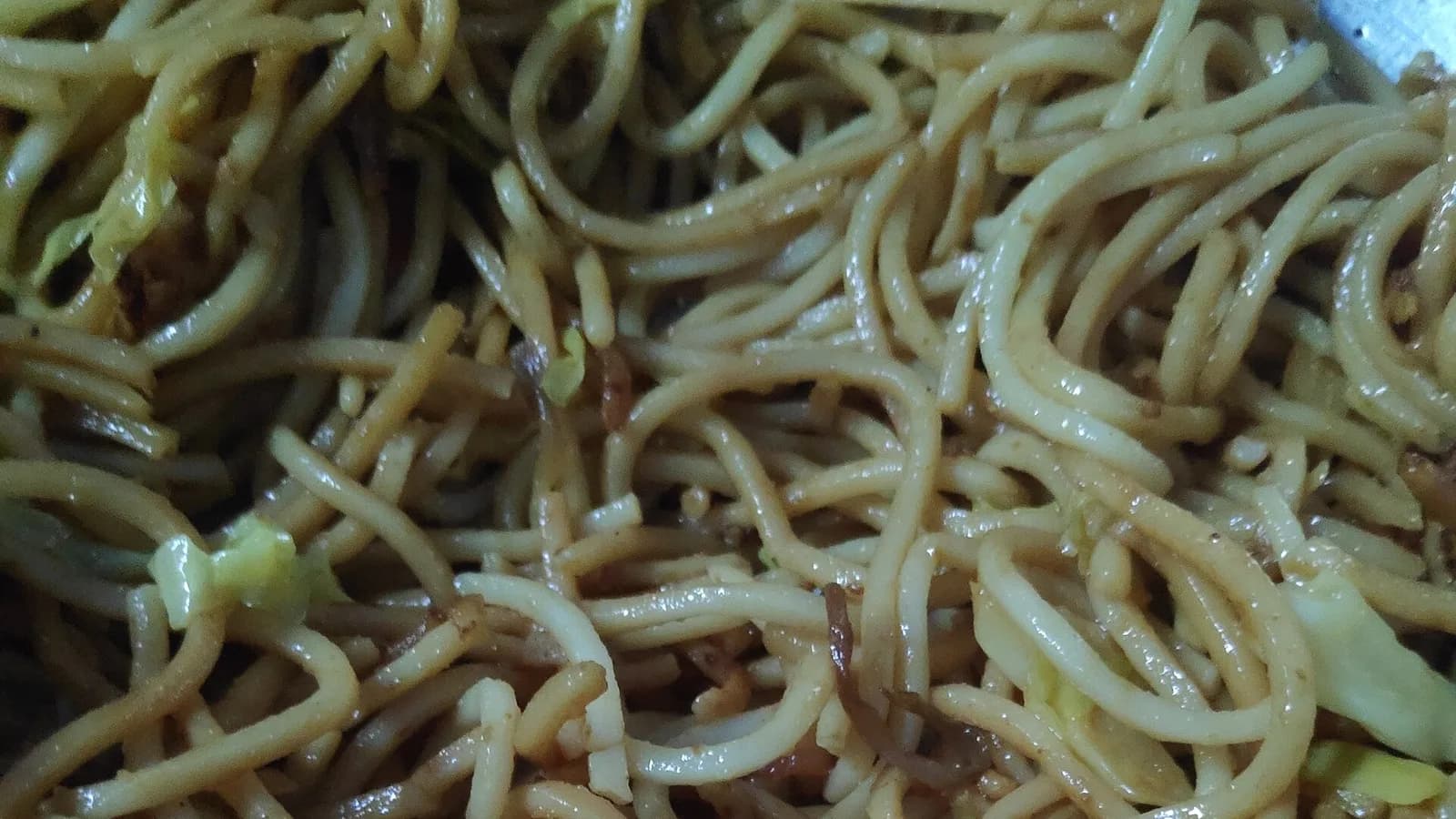
Nepal is one of the most comfortable countries in the Himalaya to travel as a vegetarian — and often as a vegan too. The reasons run deep: the national plate is already meat-free, religious traditions encourage plant-based eating, and the fertile hills produce a steady supply of lentils, greens, and vegetables. For travelers, this means vegetarian food in Nepal is not a compromise or an afterthought; it is the everyday default for millions of people.
This guide explains why Nepal is so vegetarian-friendly, the dishes to seek out, how to order meat-free (and dairy-free) without confusion, and how to stay well fed on the trekking trail. Whether you are a lifelong vegetarian, a curious vegan, or simply eating lighter on the road, here is how to do it well.
Key takeaways
- Dal bhat, the national meal, is naturally vegetarian and frequently vegan — the easiest reliable meal in the country.
- Religion supports it: Hindu reverence for the cow and the Buddhist principle of ahimsa (nonviolence) make meat-free eating mainstream.
- Beef is off the menu — cow slaughter is banned — but buffalo is widely eaten, so vegetarians simply avoid all meat.
- The Nepali word for vegetarian is shakahari; learning a few terms makes ordering far smoother.
- Vegans should watch for ghee, dairy (yogurt, paneer), and eggs hidden in fried rice and noodles.
- Trekking is easy: teahouse menus are full of vegetarian options, and high-altitude Buddhist areas serve little meat anyway.
Why Nepal is so vegetarian friendly
Vegetarianism in Nepal is not a modern wellness trend — it is woven into the culture through religion and agriculture.
On the religious side, two great traditions shape the table. In Hinduism, the cow is sacred, and many Hindus avoid beef entirely while a significant number follow a fully vegetarian diet, particularly on certain days, during fasts, and within certain communities. In Buddhism, the principle of ahimsa — nonviolence toward all living beings — leads many to prefer vegetarian food. Together these traditions mean that meat-free meals are completely normal and never strange to a Nepali cook.
On the practical side, Nepal's fertile hills and valleys produce an abundance of lentils, leafy greens, root vegetables, and grains. A plant-rich diet is, for many families, simply what the land provides most cheaply. The upshot for travelers is a cuisine where vegetarian dishes are central rather than a special request.
One point of clarity on meat: because cows are sacred and cow slaughter is illegal in Nepal, beef from cows is absent from local menus. Buffalo meat, however, is widely eaten and turns up in momo and Newari dishes — so a vegetarian avoids buffalo, chicken, goat, and the rest, while enjoying the very large meat-free remainder.
The vegetarian dishes to seek out
Nepal's vegetarian repertoire is broad. These are the staples worth knowing.
Dal bhat — your reliable everyday meal
The cornerstone of vegetarian eating in Nepal is dal bhat: steamed rice with lentil soup, a vegetable curry (tarkari), and pickle (achar), often with greens on the side. It is naturally vegetarian, usually vegan, filling, balanced, and — in most teahouses and local eateries — comes with free refills. The rice-and-lentil pairing forms a complete protein, which is exactly why it sustains hard physical work. It is the single most dependable meal you can order anywhere in the country. Our full dal bhat guide explains the plate in depth.
Vegetable momo
Nepal's beloved dumpling comes in a vegetable version filled with finely chopped cabbage, potato, onion, and spices, wrapped in a simple flour-and-water dough and steamed or fried. Veg momo is available on practically every corner in Kathmandu, Patan, and Bhaktapur. Confirm the filling when you order, since buffalo and chicken are the defaults; our momos guide covers the styles.
Other vegetarian staples
| Dish | What it is | |------|-----------| | Dhindo | A thick, traditional porridge of buckwheat or millet flour, eaten with curry and pickle | | Gundruk | Fermented, dried leafy greens, used in tangy soups and pickles | | Sinki | Fermented dried radish, another prized sour ferment | | Saag | Sauteed spinach or mustard greens | | Sel roti | A sweet, ring-shaped fried rice-flour bread (check it is cooked in fresh oil) | | Aloo dishes | Endless potato preparations — boiled, fried, mashed, curried, or as spicy aloo achar | | Chatpate / pani puri | Cheap, tangy street snacks that are typically vegetarian |
The fermented greens deserve special mention: gundruk and sinki are clever traditional ways of preserving nutrition through lean seasons, and their sour, savory depth is a distinctive taste of Nepal. For the indigenous Kathmandu Valley table — much of which can be eaten vegetarian — see our Newari food in Kathmandu guide.
How to order vegetarian (and vegan) in Nepal
Ordering meat-free is straightforward once you know a few words. The key term is shakahari, meaning vegetarian. Telling a server you are shakahari, or that you do not eat masu (meat), gets the message across clearly.
Useful phrases:
- Ma shakahari hu — "I am vegetarian"
- Masu khaadina — "I don't eat meat"
- Anda khaadina — "I don't eat egg"
- Dudh / paneer chaaina — "no milk / no cheese"
For vegans, a little more vigilance pays off, because dairy and eggs hide in unexpected places:
- Eggs are often added to fried rice and noodles unless you ask them to leave them out.
- Ghee or butter may be used in cooking; ask for oil instead if you want strictly plant-based.
- Dal bhat is sometimes served with yogurt (dahi) or a mayonnaise-style salad dressing, so specify "no curd, no dressing."
A neat trick used by many traveling vegans is to carry a written note in Nepali stating that you do not eat meat, egg, milk, butter, or cheese, and to show it when ordering. Our ordering food in Nepali phrasebook has the full vocabulary, and how to say "I am full" in Nepali will help when the refills keep coming.
Eating vegetarian while trekking
Good news for plant-based trekkers: the teahouse trail is one of the easiest places in Nepal to eat vegetarian. Lodge menus are often surprisingly long — frequently twenty to thirty items — and lean heavily on vegetarian staples because that is what is practical to carry and cook at altitude.
Typical teahouse vegetarian options include:
- Dal bhat with unlimited refills of rice, lentils, vegetable curry, greens, and pickle.
- Vegetable fried rice and noodles — quick, hot, and filling.
- Potatoes in every form, plus vegetable momo, soups, and bread.
- On the popular Annapurna routes, famous apple products around Marpha, including apple pie.
There is a cultural bonus at altitude: in high Buddhist-influenced areas — for example above Namche Bazaar on the Everest route — fresh meat often is not served at all, because local custom discourages animal slaughter and transporting meat up the mountain is impractical. The higher you go, the more the menu defaults to rice, lentils, potatoes, vegetables, noodles, and bread — which is to say, the more naturally vegetarian it becomes. Simple, plant-based meals are also generally easier to digest at high elevation. For the wider picture on mountain meals, see our Everest teahouse food and accommodation and teahouse trekking in Nepal guides.
Is vegetarian food in Nepal healthy and safe?
For most travelers, vegetarian Nepali food is both nutritious and among the safer things to eat. Dal bhat in particular delivers carbohydrates for energy, plant protein from lentils, and a spread of vitamins and minerals from vegetables and pickle — all in one freshly cooked, hot plate.
The usual traveler food-safety rules still apply, and they favor vegetarians:
- Choose busy eateries with high turnover.
- Make sure cooked food arrives steaming hot.
- Be a little cautious with raw salads, garnishes, and pickles, and with unpeeled raw fruit.
- Stick to bottled, boiled, or treated water — see is the water safe to drink in Nepal.
Because the vegetarian core of Nepali cooking is built on thoroughly cooked lentils, rice, and vegetables served hot, it tends to be a reassuring choice for sensitive stomachs.
Where to eat
In the cities, you will find everything from humble local bhojanalaya (eateries) serving honest dal bhat to dedicated vegetarian and even fully vegan restaurants, several of which have opened in Kathmandu and Pokhara in recent years. Pure-vegetarian Hindu eateries are common and reliably meat-free by design. For the broader city scene, our best restaurants in Kathmandu roundup is a good starting point, and curious cooks can learn meat-free classics at a cooking class in Kathmandu.
Final word
Nepal makes vegetarian travel genuinely easy. The national meal is already plant-based, the religious culture supports it, the produce is abundant, and the trekking trails are full of options — with the mountains turning vegetarian almost by default. Learn the word shakahari, watch for sneaky eggs and dairy if you are vegan, eat where it is hot and busy, and you will eat extremely well from the Kathmandu Valley to Everest Base Camp.
Sources
Frequently asked questions
- Is Nepal good for vegetarians?
- Yes, Nepal is one of the easier countries in the region for vegetarians. The national dish, dal bhat, is naturally vegetarian and often vegan, religious traditions support meat-free eating, and vegetable versions of momo, fried rice, noodles, and curries are available almost everywhere from cities to mountain teahouses.
- What is the Nepali word for vegetarian?
- The Nepali word for vegetarian is shakahari, meaning someone who eats only plant foods and avoids meat and eggs. Saying you are shakahari, or that you do not eat masu (meat), helps servers understand your needs. For no egg, add anda khaadina, meaning I do not eat egg.
- Is dal bhat vegetarian?
- The standard dal bhat plate is naturally vegetarian and frequently vegan, built around rice, lentil soup, vegetable curry, and pickle. Some places serve it with yogurt or a creamy salad dressing, so vegans should ask. Meat is an optional add-on rather than part of the basic set.
- Can you be vegan in Nepal?
- Yes. Many staples like dal bhat, vegetable momo, dhindo, chapati, and fried rice can be made vegan. The main things to watch are ghee or butter in cooking, dairy such as yogurt and paneer, and eggs hidden in fried rice or noodles. State clearly that you want no milk, ghee, cheese, or egg.
- What vegetarian food can you eat while trekking in Nepal?
- Teahouse menus are very vegetarian friendly, with dal bhat, vegetable fried rice and noodles, potato dishes, vegetable momo, soups, and bread widely available. Above high villages, Buddhist customs mean fresh meat often is not served anyway, so vegetarian eating becomes the easy default at altitude.
- Why is Nepal so vegetarian friendly?
- Religion and agriculture both play a role. Hindu reverence for the cow and the Buddhist principle of ahimsa, or nonviolence toward living beings, mean many Nepalis eat little or no meat, while fertile land yields abundant lentils, greens, and vegetables. The result is a cuisine where plant-based meals are normal, not niche.
- Is beef available in Nepal?
- Cows are sacred in Hinduism and cow slaughter is banned in Nepal, so beef from cows is not part of the local diet or menus. Buffalo meat, by contrast, is widely eaten and common in momo and Newari dishes. Vegetarians simply avoid all of these and stick to the plentiful plant-based options.
- What is gundruk?
- Gundruk is a traditional Nepali fermented leafy green, made by fermenting and then drying mustard, radish, or other greens. It is used in soups and pickles, has a distinctive sour, tangy flavor, and is a prized vegetarian source of nutrition, especially in seasons when fresh vegetables are scarce.
Spotted an error in this post? Tell us or suggest a correction.
Related posts
ABC Trek: A Plain-English Guide to Annapurna Base Camp
The ABC trek (Annapurna Base Camp) explained — the route, how many days it takes, difficulty, the best seasons, and what daily trail life is really like.
Read postAma Dablam Climb: 2026 Expedition Guide (6,812m)
An Ama Dablam climb and expedition guide for 2026 — height, the Southwest Ridge route, camps, fixed ropes, difficulty, permits, cost and the best seasons.
Read postAnnapurna vs Manaslu: Which Trek Should You Choose?
An Annapurna vs Manaslu decision guide for trekkers — compare permits, crowds, difficulty, infrastructure and cost to pick the right Himalayan route.
Read postAsan Bazaar Kathmandu: Old Town Market Guide
A visitor guide to Asan bazaar, Kathmandu's oldest market — its six-road square, Annapurna Temple, what to buy, when to go, and how to get there.
Read postAyurveda Nepal: A Traveller's Guide to Healing
Ayurveda Nepal explained for tourists — the history, the doshas, treatments like Panchakarma and Shirodhara, where to go and how to choose a centre safely.
Read postBest Restaurants Pokhara Lakeside: Where to Eat
The best restaurants in Pokhara Lakeside — lakeside trout, wood-fired pizza, Tibetan momos and healthy cafes, with what to order and rough 2026 prices.
Read post