Dhido — Nepal's Hill-Country Porridge, Explained
What dhido is, the millet and buckwheat it is made from, how to eat the dhido thali by hand, and why this gluten-free Nepali staple is back in style.
No rice, no bread — just grain, water, and your right hand. That is dhido.
Most travelers meet Nepal's food through rice plates and dumplings. But ask in the middle hills and high valleys and you will find an older everyday staple that uses neither rice nor bread: dhido. Dhido (also spelled dhindo) is a thick, smooth porridge of millet, buckwheat, or corn flour, stirred into boiling water and eaten by hand. It is humble, filling, gluten-free, and — after decades of being dismissed as "poor people's food" — increasingly celebrated on smart restaurant menus.
This is a focused traveler's guide to dhido itself: the grains behind it, how a dhido thali is built, the right way to eat it with your fingers, and where to find it. For the full story of the classic gundruk dhido pairing and the fermented greens that go with it, see our companion guide, Gundruk and Dhido.
Key takeaways
- Dhido is a stiff porridge of millet, buckwheat, or corn flour stirred into boiling salted water — no rice, no baking, almost no seasoning in the dhido itself.
- The traditional grains — millet (kodo) and buckwheat (phapar) — are naturally gluten-free and grow in highlands where rice will not.
- It is eaten by hand, in small dipped balls, steaming hot, because it firms up as it cools.
- A dhido thali surrounds the porridge with gundruk soup, vegetable curry, dal, pickle, and sometimes meat or ghee.
- Once seen as low-status, dhido is now prized for its nutrition and appears proudly on urban menus.
- Travelers can find it in trekking lodges, hill homestays, and traditional Nepali restaurants in Kathmandu and Pokhara.
What is dhido?
Dhido is one of Nepal's most distinctive everyday dishes — and one of its simplest. It is made by stirring flour into boiling, lightly salted water until the mixture thickens and pulls together into a stiff, glossy, dough-like mass. There is no yeast, no rising, no oven, and barely any seasoning in the porridge itself. The whole craft is in the stirring.
Cooks combine water and flour at roughly a three-to-one ratio, adding the flour gradually to fast-boiling water and beating it hard with a wooden spatula or a sturdy stick to keep it lump-free until it firms up and pulls away from the sides of the pot. The result is a smooth, mound-shaped porridge — closer to a soft dough than to a runny gruel — that holds its shape on the plate.
Dhido is common across much of Nepal's hills and mountains and is also eaten in the Nepali-speaking communities of Sikkim and Darjeeling in India. Because the porridge is so plain, it is never really eaten alone: it is a vehicle for the soups, curries, and pickles served alongside it.
The grains: millet, buckwheat and corn
What makes dhido genuinely interesting is the grain. The traditional flours are not wheat or rice but the hardy crops of Nepal's highlands.
Kodo ko dhido (millet)
Millet flour (kodo ko pitho) makes the most iconic dhido — darker in color, earthy, and slightly nutty. Finger millet in particular is a staple of the eastern and central hills, where it thrives on terraced slopes. Millet is rich in minerals such as magnesium, potassium, and iron, which is part of why kodo ko dhido has such a strong nutritional reputation.
Phapar ko dhido (buckwheat)
Buckwheat flour (phapar ko pitho) yields a softer, paler dhido and is associated with higher and drier regions — including the buckwheat country around Mustang. Despite its name, buckwheat is not wheat at all and contains no gluten; it is a good source of protein, fiber, and B vitamins, plus antioxidant plant compounds.
Makai ko dhido (corn)
Stone-ground cornmeal (makai ko pitho) makes a milder, slightly sweeter dhido and is widely eaten in many hill districts. It is the version many home cooks reach for, and a common choice when introducing the dish to newcomers.
Many cooks blend grains — a little millet for character, some corn or buckwheat for body — so no two pots are quite the same. The table below sketches the broad differences.
| Grain (Nepali) | Typical color | Flavor | Gluten-free | Often found in | | --- | --- | --- | --- | --- | | Millet / kodo | Dark brown | Earthy, nutty | Yes | Eastern and central hills | | Buckwheat / phapar | Pale grey | Mild, soft | Yes | High, dry regions like Mustang | | Corn / makai | Pale yellow | Mild, slightly sweet | Yes | Many hill districts |
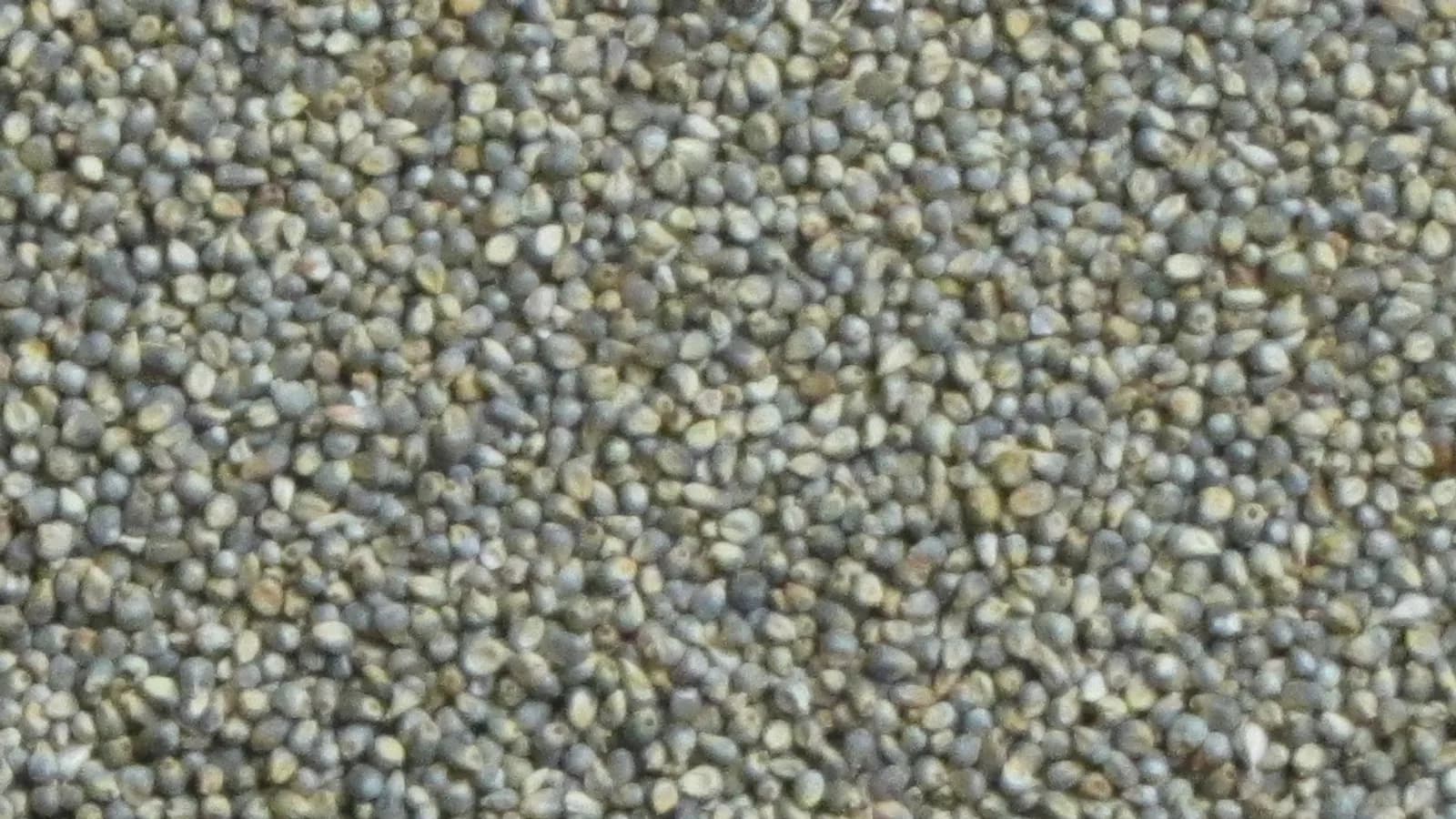
A note on the hero image above: it shows pearl millet grain, one of the cereal grains in the millet family ground into the flour that gives dhido its body.
How to eat dhido (the right-hand way)
Dhido is eaten by hand, and there is a simple etiquette worth learning before you try it.
- Wash your hands. It is Nepali custom to always wash your hands before and after a meal — especially important when you eat directly with your fingers.
- Use your right hand. As across South Asian dining, the right hand is used for eating. Pinch or tear off a small, bite-sized piece of dhido from the mound.
- Dip, do not scoop messily. Roll or dip that piece into the soup, dal, curry, gundruk, or a little ghee so it picks up flavor.
- Swallow without much chewing. Traditionally dhido is not chewed so much as swallowed in soft, sauced bites — that is the intended rhythm of the meal.
The one rule everyone repeats: eat it steaming hot, right after it is cooked. Dhido firms up and turns sticky as it cools, so it is served immediately and eaten without lingering. If you are nervous about eating by hand, that is fine — but using your fingers is genuinely the best way to enjoy it, and your hosts will be pleased to see you try.
If you want the words to go with the meal, our guides to ordering food in Nepali and how to say delicious in Nepali will help — a warm mitho chha after a plate of homemade dhido goes a long way.
The dhido thali: what is on the plate
On a plate, dhido is the centerpiece of a thali (a set meal of one main and several small sides). It is common to see a generous mound of dhido in the middle of the thaal, ringed by little portions of accompaniments. A typical spread might include:
- Gundruk ko jhol — a thin, tangy soup of fermented leafy greens, the classic partner to dhido.
- Jhol tarkari — a soupy seasonal vegetable curry.
- Dal — lentil soup, for dipping.
- Saag — sauteed leafy greens.
- Achar — pickle, sharp and spicy, to cut the mildness of the porridge.
- Ghee or homemade butter (nauni, gheu) — a dab melted into the hot dhido.
- Sometimes a meat curry, plus buttermilk or yogurt on the side.
The pleasure of the meal is in the contrast: the plain, hearty porridge against sharp, sour, spicy, and savory sides. The dhido carries no strong flavor of its own, so every bite tastes like whatever you just dipped it in. For the wider logic of how Nepalis combine a plate by hand, our dal bhat guide covers the same dip-and-mix approach, and the Thakali guide shows how one community refined the set meal into an art.
Is dhido healthy?
Dhido has enjoyed a real revival, and the nutrition is a big reason why. It is whole-grain, naturally oil-free (it is just grain and water), and high in fiber, which makes it a source of slow-burning, long-lasting energy. The grains do the heavy lifting: millet contributes minerals like magnesium and iron, while buckwheat adds protein, B vitamins, and antioxidant plant compounds that research links to benefits for blood sugar and heart health.
Dhido made from millet or buckwheat is naturally gluten-free, an appealing trait for anyone with celiac disease or gluten sensitivity — though, because recipes vary and some cooks use wheat or mixed flours, it is always worth confirming the grain before you eat.
The dish has even drawn scientific interest. A study published in a peer-reviewed journal examined dhindo as a lower-glycemic, potentially diabetic-friendly food, measuring its carbohydrate, protein, and dietary-fiber content (see Sources). As always, treat any single figure with caution: exact nutrition depends on which grain is used and how a particular cook prepares the meal. But the broad picture — whole-grain, high-fiber, gluten-free, steady energy — is well supported and is exactly why Nepal's indigenous grains have been re-valued in recent years.
From "poor food" to proud food
Dhido carries a lot of history. Before rice became widespread, it was the everyday staple across much of Nepal's hills and mountains, especially in highland communities where millet and buckwheat flourish but rice simply will not grow. For a long stretch it was even regarded as a humble, lower-status dish compared with rice — something eaten out of necessity rather than choice.
That perception has flipped. As people have come to appreciate the nutritional value of Nepal's indigenous grains, dhido has gone from a marker of rural hardship to a dish of genuine prestige. Its arrival on urban restaurant menus has tracked this rising status, and ordering a dhido set today is, for many, a way of reconnecting with heritage and eating well at the same time. It is a small, satisfying story of a country re-valuing its own roots.
Where to try dhido as a traveler
Dhido lives first in village kitchens and trekking lodges, and the most memorable versions are eaten in the hills, often in farming communities where it is simply everyday food.
- On the trail. Teahouses and homestays in the hills will frequently cook dhido on request, especially in millet- and buckwheat-growing regions. If you are walking the Annapurna Base Camp trek or staying in a homestay in Nepal, ask — you may be served some without even asking.
- In the cities. You do not have to trek to find it. Many traditional, ethnic, and organic Nepali restaurants in Kathmandu and Pokhara now serve a dhido thali — dhido with gundruk, vegetables, dal, and pickle — as a showcase of indigenous food. Our best restaurants in Kathmandu guide is a good place to start, and the Newari food guide covers more of the valley's traditional plates.
A few tips for first-timers:
- Ask for it by name — say dhido or dhido thali; it is not always on the printed menu.
- Eat it hot and use your hand; that is the intended way.
- Pair it with gundruk soup for the most authentic flavor, and do not be put off by the porridge's plainness — the sides are where the meal comes alive.
Eat your dhido steaming hot, scooped by hand and dipped in tangy gundruk, and you will have tasted one of the most genuinely Nepali meals there is — the food of Nepal before rice and roads reached every valley.
Sources
- Dhindo — Wikipedia
- Nepali Dhindo (Cornmeal Porridge) — Taste of Nepal
- Dhido Thali: A Complete Look at Nepal's Classic Dish — Jimbu Thakali
- Evaluating the Determination of Carbohydrate, Protein and Dietary Fiber in Nepali Food Dhindo — Novel Food for Diabetic (PMC / NCBI)
- Dhido: A Staple Dish in Eastern Nepal — GazzabKoo
- Traditional Nepali Dhido Recipe by Chef Ram Bahadur Budhathoki — Outlook Traveller
- Decoding the Traditional Nepalese Dining Etiquette — New Everest Cuisine
Frequently asked questions
- What is dhido?
- Dhido, also spelled dhindo, is a thick Nepali porridge made by stirring millet, buckwheat, or corn flour into boiling salted water until it pulls together into a stiff, smooth, dough-like mass. It is eaten by hand and is naturally gluten-free when made from millet or buckwheat.
- What grain is dhido made from?
- Traditionally dhido is made from millet flour (kodo ko pitho), buckwheat flour (phapar ko pitho), or stone-ground cornmeal (makai ko pitho). Highland communities favored these hardy crops because they grow where rice will not, and many cooks today blend grains to taste.
- How do you eat dhido?
- Eat dhido with your right hand: pinch off a small bite-sized piece, dip or roll it in soup, curry, dal, gundruk, or a little ghee, then swallow it without much chewing. Wash your hands before and after, and eat it while it is steaming hot.
- Why must dhido be eaten hot?
- Dhido is at its soft, pliable best straight off the stove. As it cools it firms up and becomes sticky and hard to manage by hand, so Nepalis serve it immediately and eat it fast while it is still steaming.
- Is dhido gluten free?
- Dhido made from millet or buckwheat flour is naturally gluten-free, which is one reason it is valued today. Recipes vary, though, and some versions use wheat or mixed flours, so anyone with celiac disease should confirm exactly which flour the cook used.
- Is dhido healthy?
- Dhido is largely whole-grain, oil-free, and high in fiber, providing slow-burning energy. Millet brings minerals like magnesium and iron and buckwheat adds protein and B vitamins. Researchers have even studied dhido as a lower-glycemic food, though exact nutrition depends on the grain and recipe.
- What is dhido served with?
- A dhido thali centers a mound of dhido ringed by small sides: gundruk soup, jhol tarkari (vegetable curry), dal, pickle, leafy greens, and sometimes a meat curry, ghee, buttermilk, or yogurt. The plain porridge carries flavor from whatever you dip it in.
- Where can tourists try dhido in Nepal?
- Dhido lives in village and trekking-lodge kitchens, but many traditional and organic Nepali restaurants in Kathmandu and Pokhara now serve a dhido set. Ask for dhido or a dhido thali by name, and homestays in the hills will often cook it on request.
Related posts
Dal Bhat — Nepal's National Meal Explained for Travelers
What dal bhat is, what's on the plate, why trekkers live on it, and how to order Nepal's national meal like a local. A practical traveler's guide.
Read postGundruk and Dhido — Nepal's Fermented Greens and Porridge
What gundruk (fermented leafy greens) and dhido are, how they are made and eaten, their health benefits, and why this hill-country pair is a national dish.
Read postIs Nepali Food Spicy? A Traveler's Honest Guide
Is Nepali food spicy? Mostly no — the dal is mild, the heat hides in the pickle. Here is what to expect and how to order milder food in Nepal.
Read post