Nepal Population: Latest Census Figures Explained
Nepal's population is 29,164,578 per the 2021 census. See the latest figures, growth rate, density, urban share, and which districts hold the most people.
Nepal's 2021 census counted 29,164,578 people — growing slowly, ageing gently, and crowding ever more into the Kathmandu Valley.
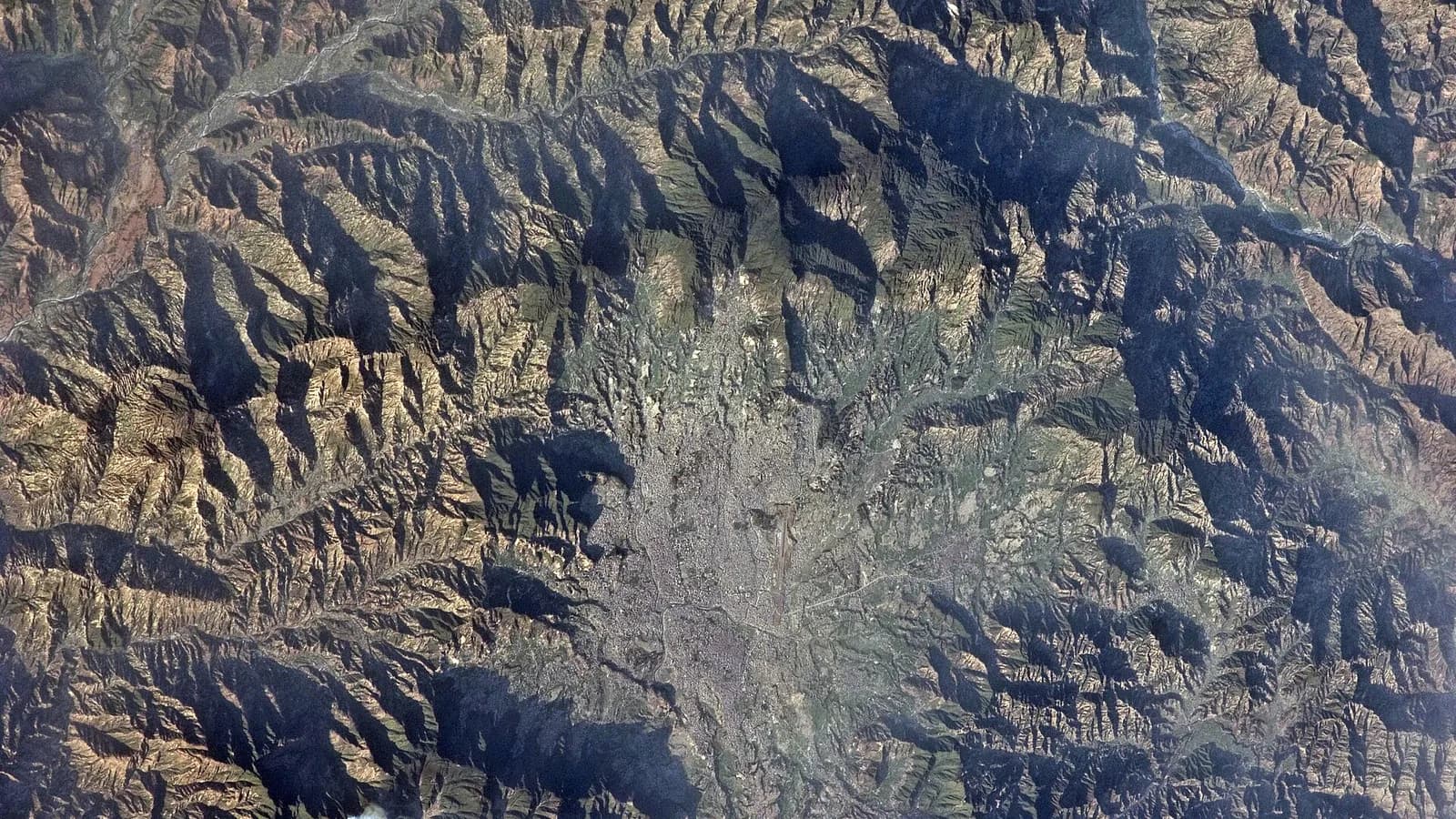
As of the latest census, Nepal's population is 29,164,578 — the figure recorded by the 2021 National Population and Housing Census, the country's most recent official count. That makes Nepal a mid-sized nation by population, sitting between its vastly larger neighbours, India and China. But the headline number is only part of the story: Nepal's population is growing slowly, shifting fast toward the cities, and shaped heavily by the millions of Nepalis who work abroad. This guide lays out the latest figures and what they mean.
Key takeaways
- Nepal's population is 29,164,578 per the 2021 census (final results released March 2023).
- The population grew at just 0.92% a year over the previous decade — historically low.
- Average density is about 198 people per sq km, but far higher in the southern Terai.
- Women outnumber men (51.0% to 49.0%), partly because many men work overseas.
- About 66% of people now live in urban municipalities.
- Kathmandu is the most populous district and the largest city; Manang is the least populous district.
Nepal's latest population figure
The authoritative number comes from Nepal's National Statistics Office (formerly the Central Bureau of Statistics), which ran the 12th National Population and Housing Census in November 2021 and published final results in March 2023.
- Total population: 29,164,578
- Men: 14,253,551 (48.98%)
- Women: 14,911,027 (51.02%)
That total is the official, census-based figure and the one to cite. Mid-decade projections from various agencies put Nepal a little above 30 million by the mid-2020s, but those are estimates; the 2021 census remains the latest hard count. For context on how that many people fit into the country, see our piece on Nepal's area and size — the population is squeezed into about 147,516 sq km of very mountainous land.
A slowing growth rate
One of the most striking findings of the 2021 census was how slowly Nepal's population is now growing. The average annual growth rate over the decade to 2021 was just 0.92% — among the lowest in the country's recorded history.
Several forces are behind this:
- Foreign labour migration. Millions of working-age Nepalis live and work abroad — in the Gulf states, Malaysia, India and beyond — and many were absent on census night. This is also the main reason women outnumber men at home.
- Falling fertility. Family sizes have shrunk markedly over a generation as education, urbanisation and access to family planning have spread.
- Urban pull. People are leaving farming districts for the cities and for overseas work, hollowing out some rural areas.
The result is a population that is still rising, but gently, and beginning to age — a very different picture from the rapid growth of earlier decades.
How crowded is Nepal? Population density
Spread evenly, Nepal's 198 people per square kilometre (up from 180 in 2011) would sound moderate. But Nepal is anything but even. The land rises from subtropical plains to the highest mountains on Earth, and people cluster where life is easiest.
| Region | Approx. density (people/sq km) | Character | |---|---|---| | Terai (southern plains) | ~460 | Flat, fertile, crowded | | Hills (middle belt) | moderate | Valleys densely settled, ridges sparse | | Mountains (high Himalaya) | ~34 | Cold, steep, thinly peopled |
So the Terai plains along the Indian border are densely packed, while the high mountains are nearly empty. This mirrors Nepal's three-belt geography, which we explain in where Nepal is located. The mountains may be the country's icon, but very few Nepalis actually live up among the peaks — the high Himalaya is the realm of treks like the Everest region, not of large towns.
Where the people are: districts and cities
Population is concentrated dramatically in a handful of places.
The most and least populous districts
- Kathmandu district is the most populous, with about 2,041,587 people in 2021 — and by far the highest density, over 5,000 people per sq km.
- Manang district, high in the mountains, is the least populous, with only about 5,658 residents.
After Kathmandu, the next most populous districts include Morang, Rupandehi, Jhapa and Sunsari — most of them in the fertile Terai, underlining how the lowlands carry the bulk of the population.
The largest cities
- Kathmandu Metropolitan City is the largest city, with about 845,767 residents in 2021 and the highest population density in the nation.
- Other major urban centres include Pokhara, the lakeside city in the central hills, and fast-growing Terai hubs like Bharatpur and Butwal.
The Kathmandu Valley as a whole — taking in Kathmandu, Lalitpur and Bhaktapur — is the country's dense urban heart, which is why visitors feel the crowds there so acutely. Our best places to visit in Nepal guide spans both this busy core and the emptier highlands.
A rapidly urbanising country
The 2021 census recorded a major shift: about 66% of Nepal's population now lives in urban municipalities, up from roughly 63% in 2011. On paper, Nepal has become a majority-urban country in a single generation.
A caveat matters here. Nepal expanded its definition of "urban" by reclassifying many municipalities, so a share of that 66% lives in areas that still look and feel semi-rural. The underlying trend is real, though — people and economic life are concentrating in towns and the Kathmandu Valley, while remote hill districts lose residents. Fast-growing areas in the 2021 count included Bhaktapur, Rupandehi and Chitwan.
Nepal's population in global context
Where does 29 million put Nepal on the world stage? It makes Nepal one of the more populous countries on Earth — comfortably in the top 50 by population — even though it is modest in land area. Pack roughly 29 million people into a country the size of Iowa (see Nepal's area and size) and you get a nation that punches above its physical footprint.
The contrast with its neighbours is still stark, though:
| Country | Approx. population | |---|---| | India | ~1.43 billion | | China | ~1.41 billion | | Bangladesh | ~170 million | | Nepal | ~29–30 million | | Bhutan | ~0.8 million |
So Nepal has a fraction of the population of India or China, yet it dwarfs tiny Bhutan next door. Among South Asian states it is mid-sized — far smaller than India, Pakistan or Bangladesh, but far larger than Bhutan or the Maldives.
How Nepal's population has grown over time
Nepal's censuses tell a clear story of a population that grew rapidly in the late 20th century and is now levelling off.
| Census year | Population (approx.) | |---|---| | 1991 | 18.5 million | | 2001 | 23.2 million | | 2011 | 26.5 million | | 2021 | 29.2 million |
The pattern is unmistakable: each decade still adds millions, but the rate of increase has slowed sharply, from well over 2% a year in the 1990s to under 1% by 2021. Lower fertility and heavy emigration for work are the main reasons, and they point toward a future in which Nepal's population growth keeps easing. The census is run roughly every ten years, so the next national count is due around 2031, when these trends will come into sharper focus.
Why Nepal's population matters for visitors
Demographics are not just trivia — they shape what a trip to Nepal feels like.
- The crowds are concentrated. Kathmandu and the Terai are busy and dense; step into the hills or mountains and the country empties out quickly. That contrast defines the two-week Nepal itinerary.
- Migration is everywhere in conversation. With so many families having a member working abroad, remittances and overseas work are a constant theme of Nepali life.
- Diversity is the norm. Nepal's roughly 29 million people span dozens of ethnic groups and languages, layered across those plains, hills and mountains — part of what makes the country so culturally rich, as our is Nepal worth visiting guide explores.
So, what is Nepal's population? 29,164,578 at the 2021 census, and likely a touch over 30 million today by estimate — a slowly growing, rapidly urbanising people, crowded into the plains and the Kathmandu Valley, with the high mountains left almost to themselves. And as a reminder that this is very much its own nation counting its own citizens, see our quick explainer on whether Nepal is a country.
Sources
- National Population and Housing Census 2021 Results — National Statistics Office, Nepal
- Nepal makes public final data of 12th national census — The Kathmandu Post
- 2021 Nepal census — Wikipedia
- Key highlights from the Census Report 2021 — Nepal Economic Forum
- Kathmandu has the Highest Population Density in Nepal: National Census — New Business Age
Frequently asked questions
- What is the population of Nepal?
- Nepal's population is 29,164,578 according to the 2021 National Population and Housing Census, the most recent official count. Mid-decade estimates put the figure a little above 30 million.
- When was Nepal's last census?
- Nepal's most recent census was the 12th National Population and Housing Census, conducted in November 2021. Final results were published by the National Statistics Office in March 2023.
- How fast is Nepal's population growing?
- Slowly. Nepal's population grew at an average annual rate of about 0.92 percent over the decade to 2021, one of its lowest growth rates on record, partly due to migration abroad.
- What is the population density of Nepal?
- Nepal's average population density is about 198 people per square kilometre based on the 2021 census, up from 180 in 2011. Density is far higher in the southern Terai plains.
- Which is the most populous district in Nepal?
- Kathmandu is the most populous district, with about 2,041,587 people in 2021. Manang, in the high mountains, is the least populous, with only around 5,658 residents.
- How many men and women are there in Nepal?
- The 2021 census recorded about 14,253,551 men (48.98 percent) and 14,911,027 women (51.02 percent), meaning women outnumber men, partly because many working-age men live abroad.
- Is most of Nepal's population urban or rural?
- Nepal is now majority urban on paper. The 2021 census put about 66 percent of people in urban municipalities, though many of these areas remain semi-rural in character.
- What is the largest city in Nepal?
- Kathmandu is Nepal's largest city and capital. Kathmandu Metropolitan City alone had about 845,767 residents in 2021 and the highest population density in the country.
Spotted an error in this post? Tell us or suggest a correction.
Related posts
ABC Trek: A Plain-English Guide to Annapurna Base Camp
The ABC trek (Annapurna Base Camp) explained — the route, how many days it takes, difficulty, the best seasons, and what daily trail life is really like.
Read postAma Dablam Climb: 2026 Expedition Guide (6,812m)
An Ama Dablam climb and expedition guide for 2026 — height, the Southwest Ridge route, camps, fixed ropes, difficulty, permits, cost and the best seasons.
Read postAnnapurna vs Manaslu: Which Trek Should You Choose?
An Annapurna vs Manaslu decision guide for trekkers — compare permits, crowds, difficulty, infrastructure and cost to pick the right Himalayan route.
Read postAsan Bazaar Kathmandu: Old Town Market Guide
A visitor guide to Asan bazaar, Kathmandu's oldest market — its six-road square, Annapurna Temple, what to buy, when to go, and how to get there.
Read postAyurveda Nepal: A Traveller's Guide to Healing
Ayurveda Nepal explained for tourists — the history, the doshas, treatments like Panchakarma and Shirodhara, where to go and how to choose a centre safely.
Read postBest Restaurants Pokhara Lakeside: Where to Eat
The best restaurants in Pokhara Lakeside — lakeside trout, wood-fired pizza, Tibetan momos and healthy cafes, with what to order and rough 2026 prices.
Read post