Mountain Flight Cost in Nepal: Prices by Airline 2026
What does a mountain flight cost in Nepal? Foreigner vs Nepali fares, Buddha Air pricing, Kathmandu vs Pokhara, and how to book without overpaying.
An hour in the air buys a view that costs other travellers two weeks on foot — here is what that hour actually costs.
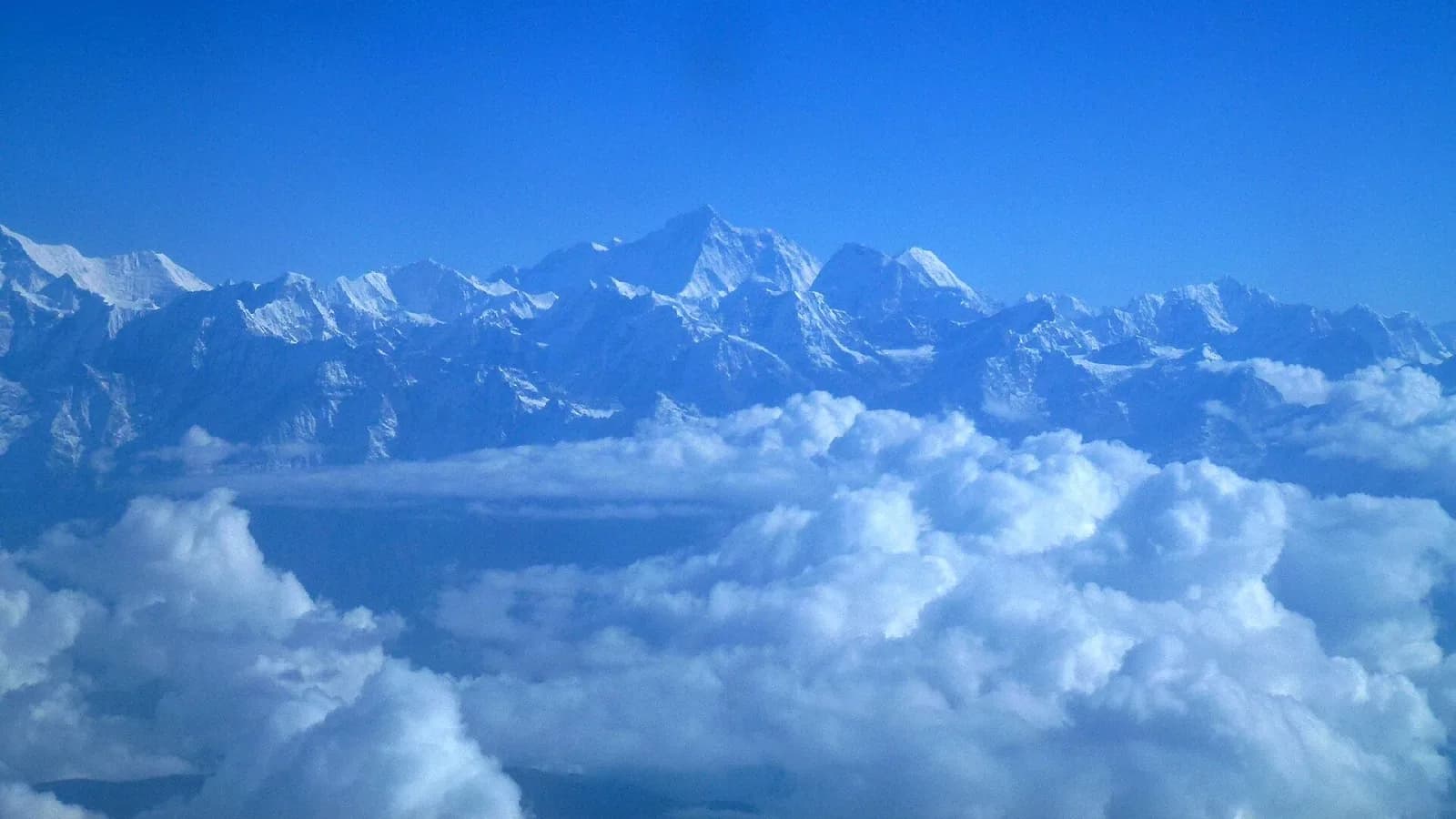
If you want to see Mount Everest without spending two weeks on the trail, a scenic Himalayan flight is the shortcut — but the first question most travellers ask is blunt: what is the mountain flight cost in Nepal, and why do the numbers quoted online vary so much? The honest answer is that the price depends on your nationality, the airline, the season, the city you fly from, and whether you book direct or through an agent. This guide breaks down each of those factors with real, sourced figures so you can budget accurately and avoid overpaying for what is, on a clear morning, one of the best hours you can buy in Nepal.
Key takeaways
- For foreign tourists, an Everest mountain flight from Kathmandu typically runs about USD 185 to USD 250 per person (as of mid-2026), depending on airline, season and booking channel.
- Nepali and Indian citizens pay a much lower rupee fare — commonly around NPR 13,000 to NPR 14,000 — under Nepal's standard two-tier pricing.
- The Pokhara Annapurna Experience is a shorter (~30-minute) flight and is generally priced a little lower than the hour-long Kathmandu Everest tour.
- A mountain flight is far cheaper than an Everest helicopter tour but does not land in the mountains.
- Prices change often — confirm the current fare directly with the airline or a reputable Nepali agency before paying.
- Book early in your stay so a weather cancellation still leaves spare days to fly.
What you are actually paying for
A mountain flight is a dedicated sightseeing flight that takes off from Kathmandu (or Pokhara), cruises along the Himalaya so the peaks pass at roughly eye level, and returns — with no landing in the mountains. The whole point is the aerial panorama, and the cabin is arranged around it: airlines such as Buddha Air sell the aircraft only half full so every passenger gets a guaranteed window seat, and the plane turns on the return leg so both sides get their turn at the view.
For a full walkthrough of the experience itself — the route, the peaks, the dawn departure and the window-seat policy — see our companion guide to the Everest mountain flight. This article focuses narrowly on the money: what it costs, why, and how to pay less.
Mountain flight cost for foreign tourists
Across Nepali airlines and tour resellers, the foreigner fare for the classic Kathmandu Everest mountain flight clusters in a fairly tight band. Quoted figures (as of mid-2026) range from roughly USD 185 at the low end to around USD 250 at the upper end, with many operators advertising prices in the USD 200 to USD 240 zone per person. The variation comes down to which airline you fly, the season, and whether the price is a bare airline fare or a packaged tour that bundles in extras.
| Booking type | Typical foreigner price (as of mid-2026) | What it usually includes | |---|---|---| | Airline fare, booked direct | ~USD 185–230 | Flight, guaranteed window seat, certificate | | Agency / reseller package | ~USD 200–250 | Flight plus hotel transfer, booking handled for you | | Pokhara Annapurna Experience | Generally lower than the Kathmandu tour | Shorter ~30-minute flight, window seat |
Treat these as planning ranges, not a fixed price list. Because fares shift with season and promotions, the single most reliable number is the one the airline quotes you on the day — so always confirm before you pay.
Why Nepalis and Indians pay less
If you see a low rupee price online and a higher dollar price elsewhere, you are not being misled — Nepal runs a two-tier fare system on many domestic flights and attractions. Nepali and Indian citizens are quoted in rupees, while other nationalities pay a higher fare in US dollars. For mountain flights specifically, Nepali and Indian fares commonly sit around NPR 13,000 to NPR 14,000 (as of mid-2026).
Buddha Air's own fare rules make the logic explicit: the residential discount and senior/elderly discounts do not apply to mountain flights, and the lower fare categories are not available to foreign passengers. So a foreigner pays the standard dollar fare rather than the rupee rate. This mirrors the pricing you will meet across Nepali tourism — the same pattern shows up in our guides to domestic flights in Nepal and the Kathmandu to Pokhara flight cost. It is a local convention, applied openly, not a surprise surcharge.
Kathmandu vs Pokhara: two different flights
Travellers often assume there is one "mountain flight" and shop purely on price, but the Kathmandu and Pokhara versions are genuinely different products.
The Kathmandu Everest flight
This is the headline tour: a roughly one-hour flight east from Tribhuvan International Airport, past a parade of giants from Langtang Lirung to Cho Oyu, Everest and Lhotse. It is the longer flight and the one most people mean by "mountain flight," and it carries the upper end of the price range.
The Pokhara Annapurna Experience
From Pokhara, Buddha Air runs the Annapurna Experience, a shorter scenic flight of around 30 minutes over Annapurna, Machhapuchhre (the "fishtail") and Dhaulagiri. Because it is shorter, it is generally priced a little lower per person than the hour-long Everest tour. If you are already in Pokhara — perhaps before a paragliding session or a lakeside stay — it is a tidy, cheaper way to get an aerial Himalayan fix without backtracking to Kathmandu.
The takeaway: compare duration and route, not just the sticker price. A cheaper flight that is half as long is not automatically better value.
How the mountain flight compares to other ways to see Everest
Putting the price in context helps you decide whether the flight is the right spend for you. Here is roughly where it sits among the aerial and on-foot options.
| Way to see Everest | Relative cost | Time needed | Lands in the mountains? | |---|---|---|---| | Fixed-wing mountain flight | Lowest aerial option | ~1 hour | No | | Everest helicopter tour | Much higher per person | Half a day | Yes, near Base Camp / Kala Patthar | | Everest Base Camp trek | Higher overall, spread over days | ~12–14 days | You walk there | | Everest View trek | Moderate | ~5–7 days | You walk to a viewpoint |
The mountain flight wins on cost-per-hour and convenience: it is the cheapest way to get Everest in your camera, and the only one that asks nothing of your fitness or your schedule beyond a single early start. The helicopter tour costs many times more but actually sets you down at altitude; the treks cost more in total and in days but reward you with immersion. For a fuller money comparison of the ground options, our how much does Everest Base Camp trek cost guide goes deep.
What is — and is not — in the price
Two flights at the same headline price can differ once you read the fine print. Before booking, check what the fare actually covers:
- Usually included: the scenic flight, a guaranteed window seat, cabin-crew commentary pointing out the peaks, and often a printed certificate afterwards.
- Sometimes extra: airport transfers / hotel pickup, airport taxes or service fees, and any agency booking fee. Reseller packages frequently fold a hotel transfer into a slightly higher price, which can be worth it for the dawn start.
- Worth confirming: child and infant fares, which are not always discounted on mountain flights because every paying passenger takes a guaranteed window seat. Ask the operator for child pricing and age limits directly.
When you compare quotes, line up like with like — a bare airline fare against a packaged tour is not a fair fight until you add the transfer cost back in.
How to pay less without cutting corners
You can shave the cost down with a few sensible moves, none of which require gambling on a dubious operator:
- Book direct with the airline where you can, to avoid an extra layer of reseller mark-up.
- Ask about early-booking and group rates — some operators offer them, and a small group can bring the per-head price down.
- Watch for promotions. Operators occasionally run buy-one-get-one or seasonal deals; these come and go, so it pays to check current offers.
- Consider the Pokhara Annapurna flight if you are near Pokhara and happy with a shorter flight for a lower price.
- Fly in clear-sky season (autumn or spring) so you actually get the view you paid for — a cheap flight on a cloudy morning is poor value. See best time to visit Nepal for the seasonal rhythm.
Crucially, weigh any saving against the operator's safety record and weather-refund policy. The cheapest fare is a false economy if the flight is cancelled and you cannot get your money back, or if the operator cuts corners you cannot see.
Budgeting tips and the weather factor
Two practical points protect both your view and your wallet:
Schedule the flight early in your Kathmandu or Pokhara stay. Mountain flights only run in clear conditions, so weather cancellations are routine — frequent in the monsoon (June to August) and possible year-round. If you book your flight for the first clear morning of your trip rather than your last, a cancellation simply means rescheduling, not losing the experience entirely.
Confirm the refund policy in writing. Reputable airlines and agencies reschedule or refund flights they cancel for poor visibility. Get that policy clear before you pay, so a weather scrub does not turn into a fare dispute.
Account for the dollar-rate quirk. Because the foreigner fare is set in US dollars, the rupee equivalent you see can wobble with the exchange rate; if you are paying by card in rupees, the final charge may differ slightly from a USD quote. Our Nepalese rupee exchange rate guide explains how that works.
For most travellers who cannot trek but long to see Everest, the mountain flight is money well spent — the cheapest aerial seat to the world's highest mountains, and an hour you will not forget. Budget toward the upper end of the range to be safe, book a clear-season morning early in your stay, and you will have spent wisely.
Sources
- Buddha Air — Mountain flights overview
- Buddha Air — Annapurna Experience (Pokhara mountain flight)
- Buddha Air — International fare information
- Buddha Air — Flight fare rules and regulations
- Buddha Air — Kathmandu to Mount Everest flight
- Himalayan Recreation — Everest mountain flight (price and details)
Frequently asked questions
- How much does a mountain flight cost in Nepal?
- For foreign tourists, an Everest mountain flight from Kathmandu typically costs in the region of USD 185 to USD 250 per person (as of mid-2026), depending on the airline, the season and where you book. Nepali and Indian citizens pay a much lower rupee fare, commonly around NPR 13,000 to NPR 14,000. Prices change, so confirm the current fare directly with the airline before you pay.
- Why do foreigners pay more than Nepalis for a mountain flight?
- Nepal uses a two-tier pricing system on many domestic flights and attractions, with one fare in rupees for Nepali and Indian citizens and a higher fare in US dollars for other nationalities. Buddha Air states that residential and senior discounts do not apply to mountain flights, so foreign passengers pay the standard dollar fare. It is a long-standing local convention rather than a hidden surcharge.
- Is the Kathmandu or the Pokhara mountain flight cheaper?
- The two are different products. The Kathmandu Everest flight is the classic roughly one-hour tour past Everest. From Pokhara, Buddha Air runs a shorter Annapurna Experience of around thirty minutes over Annapurna, Machhapuchhre and Dhaulagiri, which is generally priced a little lower per person because it is shorter. Compare duration as well as price rather than just picking the cheaper sticker.
- Is a mountain flight cheaper than an Everest helicopter tour?
- Yes, comfortably. A fixed-wing mountain flight is one of the cheaper ways to see Everest from the air, while a helicopter tour that lands near Base Camp or Kala Patthar costs many times more per person. The trade-off is that the mountain flight only flies past the peaks and does not land, whereas the helicopter puts you on the ground at altitude.
- What is included in the mountain flight price?
- Typically the fare covers the scenic flight itself with a guaranteed window seat, the cabin-crew commentary, and often a printed certificate afterwards. Airport transfers, airport taxes or service fees and any agency booking fee may or may not be included depending on how you book, so check the breakdown. Tour resellers often bundle a hotel pickup into a slightly higher package price.
- Do children pay the full mountain flight fare?
- Child and infant pricing varies by airline and is not always discounted on mountain flights, since every paying passenger occupies a guaranteed window seat. If you are travelling with kids, ask the operator directly for the child fare and any age limits before booking rather than assuming a standard reduction applies.
- Can I get a refund if the mountain flight is cancelled for weather?
- Mountain flights only operate in clear conditions, so weather cancellations are common, especially in the monsoon. Reputable airlines and agencies generally let you reschedule to another morning or offer a refund when they cancel for poor visibility. Schedule the flight early in your stay so a cancelled flight still leaves you spare days to try again.
- How can I pay less for a mountain flight?
- Watch for early-booking and group rates, book directly with the airline to avoid extra reseller mark-up, and consider the shorter Pokhara Annapurna flight if you are near Pokhara. Some operators occasionally run buy-one-get-one promotions. Always weigh a cheaper fare against the operator's safety record and weather-refund policy rather than chasing the lowest price alone.
Related posts
Everest Mountain Flight: Buddha Air Scenic Tour Guide
The Everest mountain flight by Buddha Air — a 1-hour scenic sightseeing flight from Kathmandu. Window-seat guarantee, best season, peaks seen, and tips.
Read postEverest Sightseeing Flight: Plane Tour Compared (2026)
An Everest sightseeing flight by plane from Kathmandu — compare Buddha, Yeti and Shree, weigh plane vs helicopter, and book the clearest morning.
Read postCan You See Everest From Kathmandu? Honest Answer
Can you see Everest from Kathmandu? Not from the city itself, but yes from nearby hills like Nagarkot and Chandragiri on a clear morning. Here's how.
Read post