Kathmandu to Pokhara Flight Cost: 2026 Fare Guide
What the Kathmandu to Pokhara flight cost really is in 2026 — foreigner vs Nepali fares, hidden charges, baggage fees, and how to pay less.
The headline ticket price is only half the story — what you actually pay depends on your passport, your timing, and the fine print at the counter.
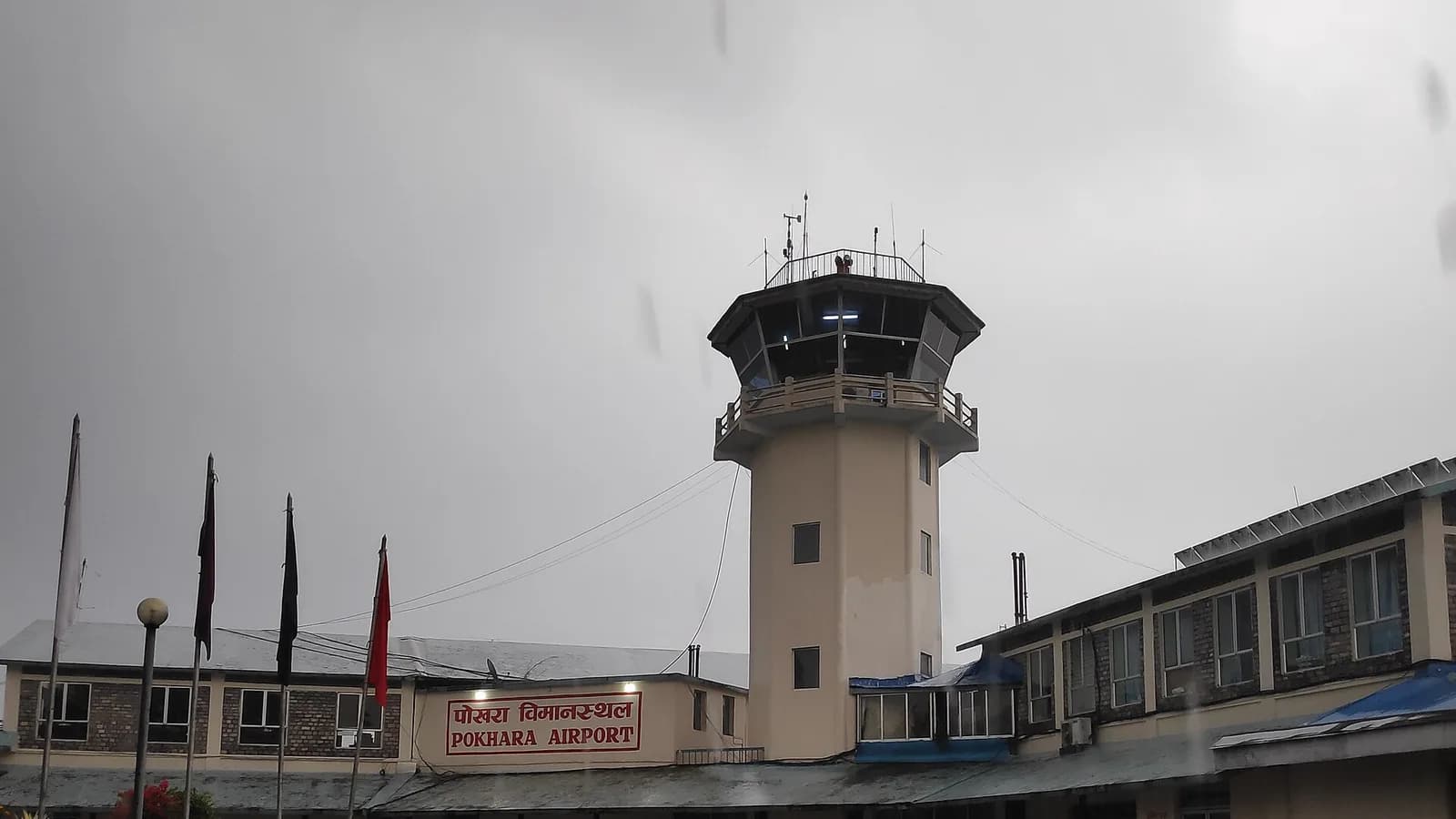
If you are pricing a trip to Nepal, the Kathmandu to Pokhara flight cost is one of the line items that surprises people most — not because it is huge, but because the number you see online is rarely the number a foreign tourist actually pays. Nepal sets fares by nationality, bundles in a couple of charges, and lets prices swing with the trekking seasons. This guide breaks down exactly what the flight costs in 2026, who pays what, where the hidden fees hide, and the handful of habits that genuinely save money.
For the full picture of flight times, airlines, baggage rules, and the fly-versus-bus decision, see our main guide to the Kathmandu to Pokhara flight. This piece zooms in on one thing only: the money.
A quick honesty note on numbers. Air fares in Nepal move constantly with demand, fuel, and how early you book, so every figure below is indicative and stamped with the date it applied. Treat them as a guide for budgeting, then confirm the live fare on the airline site before you commit.
Key takeaways
- Foreign tourists typically pay roughly USD 110 to 145 one way; Nepali citizens pay about NPR 5,000 to 6,500 (as of early 2025).
- Nepal uses a nationality-based fare system, with a higher dollar fare for foreigners, a middle band for SAARC nationals, and a subsidised rupee fare for locals.
- Expect small add-ons: a NPR 400 passenger service charge at Pokhara and a usually refundable fuel surcharge baked into the fare.
- Excess baggage runs about USD 1 to 2 per kg at the counter, so weigh a heavy trekking bag before you fly.
- The flight is not the budget option — the tourist bus costs a fraction; many people fly one way and bus the other.
- Booking ahead and avoiding the October to November and March to April peaks is the single biggest lever on price.
What the flight actually costs in 2026
Here is the part most price comparisons get wrong. Nepal does not have one fare for this route — it has three, sorted by passport. The airline checks your nationality at check-in, so the fare you should plan around is the foreign-tourist band, not the cheap rupee figure you might glimpse on a local-facing page.
| Passenger type | Typical one-way fare | Notes | |---|---|---| | Foreign tourist | ~USD 110-145 | Varies by airline, season, demand | | SAARC / Indian national | ~USD 70-90 (middle band) | Roughly 30-40% above the local fare | | Nepali citizen | ~NPR 5,000-6,500 | Government-influenced domestic fare |
All figures are indicative and were reported around early 2025; treat them as a budgeting guide, not a quote. Reporting from the Kathmandu Post and Nepal travel operators places the foreign fare in the USD 110-145 zone across Buddha Air, Yeti Airlines, and Shree Airlines, with Shree often a touch cheaper and Buddha sometimes at the top of the band. The spread inside that range is mostly down to timing, not airline prestige — the in-flight experience on a 25-minute ATR hop is much the same whoever you fly.
How the three airlines compare on price
The three carriers on this sector price within a narrow window of each other, so the live fare on your dates usually matters more than the brand:
- Shree Airlines frequently posts the lowest foreign-tourist fare on the route.
- Yeti Airlines sits in the middle and runs around ten daily flights.
- Buddha Air is the largest operator with the most departures, and sometimes the highest headline fare.
Because they shadow each other, the practical move is to compare all three for your exact date rather than assuming any one is always cheapest.
Why foreigners pay more: the two-tier fare explained
If the dollar fare feels steep next to the local rupee price, here is the background. Nepal's nationality-based pricing dates to the early 1990s, when the then Royal Nepal Airlines Corporation began quoting fares in US dollars for foreign tourists. Officials have long defended the system on purchasing-power grounds — the argument being that average incomes in Nepal are a fraction of those in the wealthy countries most tourists come from.
The system is not without controversy. In early 2025 the Supreme Court issued a show-cause order to the tourism ministry after a tourism entrepreneur filed a writ arguing the dollar fare lacked a clear legal basis and was holding back Nepali tourism. As of this writing the nationality-based structure remained in place, but it is worth knowing the policy is contested and could change. For a wider explainer on how this works across every domestic sector, our guide to domestic flights in Nepal goes deeper.
The bottom line for budgeting: plan around the foreign-tourist fare, and do not expect to access the local price. The passport check at the counter is routine, and booking the wrong category just means paying the difference in cash before you board.
The charges hiding behind the headline fare
The ticket price is not quite the whole bill. A few extra items can nudge your real spend above the number you booked.
Passenger service charge
Pokhara airport levies a passenger service charge of NPR 400 on each departing passenger (as reported in 2022). On the Kathmandu-to-Pokhara leg this lands on your return journey rather than the outbound, but it is part of the round-trip math. It is a modest sum, but it is real and usually collected separately from the base fare.
Fuel surcharge
Most Nepali domestic fares bundle in a fuel surcharge that rises and falls with fuel prices. The good news is that this component is typically refundable if you cancel, unlike some other fare elements. You will not usually see it itemised dramatically, but it is one reason the same route can cost more one month than the next even with no change in demand.
Excess baggage
This is the add-on most likely to sting trekkers. Carriers generally include around 20 to 25 kg of checked baggage plus about 5 kg of hand-carry, then charge overweight at roughly USD 1 to 2 per kilogram at the counter (as of 2025), subject to space on the aircraft. A heavy duffel full of trekking gear can quietly tip over the limit, so weigh it before you leave your hotel — redistributing into a daypack is free, paying at the desk is not. Our what to pack for a Nepal trek guide can help you trim weight before it costs you.
Flight cost versus the bus: the real budget question
The honest answer to "should I fly to save money?" is no — flying never beats the bus on price. The value of the flight is time, not cost.
| Factor | Flight | Tourist bus | |---|---|---| | Foreign fare | ~USD 110-145 one way | A small fraction of the flight | | Time | ~25-30 min in air; ~half-day door to door | ~8-10 hours, sometimes more | | Hidden fees | Service charge, possible excess baggage | Minimal | | Best for | Tight schedules, trek starts | Stretching a budget |
If money is the priority, the Kathmandu to Pokhara tourist bus wins outright, and the wider Kathmandu to Pokhara transport comparison weighs every option from local buses to private cars. The most popular compromise among travellers is to fly one way and bus the other — you bank the time saving on the leg that matters most and spend less on the leg where you do not mind the hours.
How to pay less for the flight
You cannot dodge the nationality-based fare, but you can shave real money off the price within it. A few habits do most of the work.
Book ahead, and avoid the peaks
Fares climb hardest during the autumn (October to November) and spring (March to April) trekking seasons, when seats fill fastest and walk-up prices are unforgiving. Booking several days to a few weeks ahead generally beats turning up at the counter, and travelling in the shoulder or off-peak months softens the fare further. If your dates are flexible, midweek departures are often a little cheaper than weekend ones.
Compare all three airlines for your exact date
Because Buddha Air, Yeti, and Shree price so close together, the cheapest carrier changes by date. Check all three rather than defaulting to the biggest name. The cleanest foreign-tourist fare is often on the airline's own website; international aggregators are handy for comparing schedules, but always cross-check the final price against the airline before you pay.
Watch the exchange rate and your baggage
Since the fare is set in US dollars for foreigners, the rupee equivalent you actually hand over shifts with the exchange rate — our Nepalese rupee exchange rate guide is worth a glance before you travel. And the easiest saving of all is simply not paying for excess baggage: stay under the allowance and that whole line item disappears.
Booking checklist
Before you confirm a Kathmandu-to-Pokhara ticket, run through this:
- Confirm the live fare on the airline site — do not rely on any headline figure, including the ranges here.
- Book the correct foreign-tourist category so the passport check at check-in is painless.
- Compare all three airlines for your specific date and time.
- Check the baggage allowance against your real load, especially if you are trekking.
- Leave a buffer before any onward international flight, since weather can delay or cancel domestic services.
Once you land, our guide to things to do in Pokhara covers how to spend the half-day the flight just bought you, from a paddle on Phewa Lake to an early-morning Sarangkot sunrise.
The verdict
The Kathmandu to Pokhara flight cost is best understood as a time purchase, not a bargain. A foreign tourist should budget around USD 110-145 one way plus a small service charge and any excess-baggage fee, knowing the bus would cost a fraction of that. If the half-day saved is worth it to you — and for trekkers on a tight schedule it usually is — book early, compare the three carriers, keep your bag under the limit, and you will pay the fair end of the range rather than the painful one.
Sources
- Kathmandu Post — Nepal's two-tier airfares: Are they fair?
- Buddha Air — Flights from Kathmandu to Pokhara
- Yeti Airlines — Kathmandu to Pokhara flight
- Pride Nepal Travel — Nepal domestic flight price guide 2026
- TripTurbo — Domestic airlines in Nepal: fares, baggage and refunds (2025)
- Kathmandu Post — High taxes make Nepal's airports among the most expensive
- Skyscanner — Kathmandu (KTM) to Pokhara (PKR) flights
Frequently asked questions
- How much does a Kathmandu to Pokhara flight cost for foreigners in 2026?
- Foreign tourists generally pay in the region of USD 110 to 145 one way, depending on airline, season, and how early they book. SAARC nationals usually pay a middle band and Nepali citizens pay a domestic rupee fare around NPR 5,000 to 6,500 (as of early 2025). Fares move with demand, so confirm the live price before booking.
- Why do foreigners pay more than locals on this flight?
- Nepal runs a nationality-based fare system that dates to the early 1990s, with a higher US-dollar fare for foreign tourists, a middle band for SAARC nationals, and a subsidised rupee fare for Nepali citizens. Officials defend it on purchasing-power grounds, though the legal basis was challenged at the Supreme Court in early 2025.
- Are there extra charges on top of the ticket price?
- Yes. Pokhara airport levies a passenger service charge of NPR 400 per departing passenger (as of 2022 reporting), and a refundable fuel surcharge is usually bundled into the fare. Excess baggage is charged separately at the counter, so the all-in cost can run a little above the headline ticket price.
- How much is excess baggage on the Kathmandu to Pokhara flight?
- Most carriers include roughly 20 to 25 kg of checked baggage plus about 5 kg of hand-carry, then charge overweight at roughly USD 1 to 2 per kilogram at the counter (as of 2025), subject to space. If you have a heavy trekking duffel, weigh it first so you are not caught out by an on-the-spot fee.
- Is the flight cheaper than the tourist bus?
- No. A tourist bus costs only a small fraction of the foreign-tourist air fare, so the bus wins on pure price every time. The flight buys back most of a day, which is why many travellers fly one way and take the bus the other to balance time against money.
- When are Kathmandu to Pokhara fares most expensive?
- Fares climb during the autumn (October to November) and spring (March to April) trekking peaks, when seats fill fastest. Off-peak and shoulder months are softer, and booking several days to a few weeks ahead generally beats walking up to the counter on the day.
- Can foreigners book the cheaper Nepali fare?
- No. The airline checks your passport at check-in, and if you somehow booked the wrong fare category you will be asked to pay the difference in cash before boarding. Always book on the correct foreign-tourist fare so the counter check is smooth.
- Does the flight cost include the transfer into Pokhara?
- No. The fare covers the flight only. Pokhara International Airport sits a few kilometres from Lakeside, so budget a little extra for a short taxi into town on arrival.
Related posts
Kathmandu to Pokhara Flight: Cost, Time & Airlines 2026
The Kathmandu to Pokhara flight in 2026 — real flight time, fares for foreigners vs locals, which airlines fly it, baggage rules, and bus vs flight.
Read postKathmandu to Pokhara Tourist Bus Cost (2026 Fares)
Kathmandu to Pokhara tourist bus cost in 2026 — fare tiers in NPR and USD, foreigner pricing, hidden extras, how to save, and why cheap night buses cost more.
Read postKathmandu to Pokhara Tourist Bus Ticket Price (2026)
A clear price breakdown for the Kathmandu to Pokhara tourist bus ticket — deluxe vs VIP fares, where to book cheapest, fees, and the foreigner surcharge.
Read post