Nepalese Rupee Exchange Rate: A Traveller's Guide
How the Nepalese rupee exchange rate works for tourists — the Indian rupee peg, the floating USD rate, where to find it, and what changers really cost.
Two rates rule your wallet in Nepal: one is fixed to India for life, the other floats against the dollar every single day.
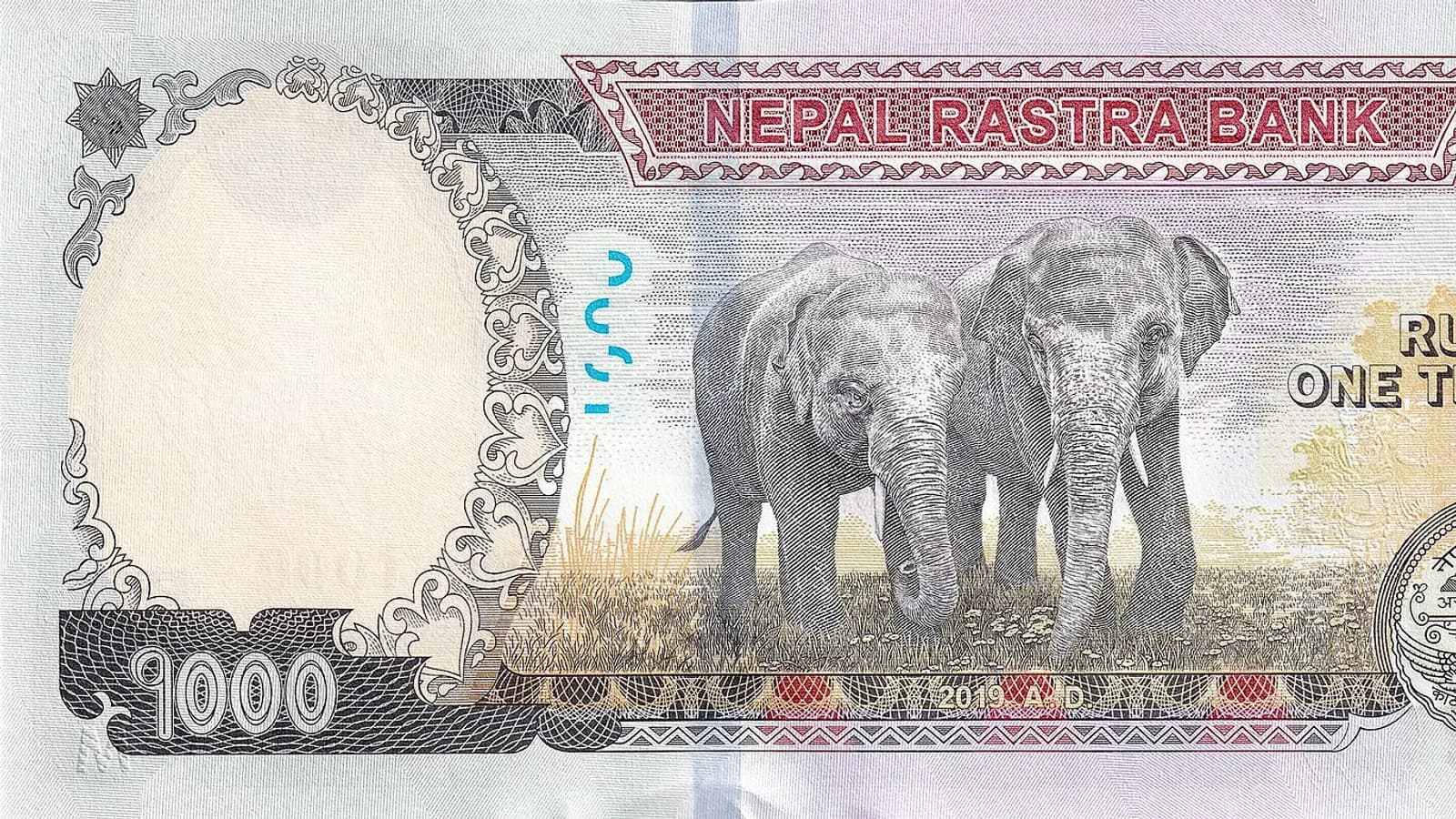
The Nepalese rupee exchange rate is one of the first practical things worth understanding before a trip to Nepal — not because the maths is hard, but because the rupee behaves in two very different ways at once. Against the Indian rupee it is locked to a fixed peg that has not moved in decades. Against the US dollar, euro and pound it floats, drifting a little every day. Knowing which rate applies, where to find the official number, and how much a money changer's spread really costs will help you budget accurately and avoid overpaying when you swap cash. This guide explains all of it in plain terms for tourists and trekkers.
Key takeaways
- The rupee runs on two systems at once: a fixed peg to the Indian rupee (1 INR = 1.6 NPR) and a floating rate against the US dollar, euro, pound and other major currencies.
- In early June 2026, the Nepal Rastra Bank reference rate was around 152 NPR per US dollar; a working figure of roughly 150 per USD is fine for budgeting (as of June 2026).
- The central bank's published reference rate is the fairest benchmark; changers and banks take a small spread on top.
- Expect licensed Thamel money changers to be the most competitive, banks middling, and airport counters the weakest.
- ATMs convert near the interbank rate but add a per-withdrawal fee; cash exchange avoids that fee but gives a slightly weaker rate.
- Getting rupees before you arrive is rarely worthwhile — bring major currency or a card and exchange after landing.
The two rates that govern the rupee
Most currencies have a single exchange rate that moves freely. The Nepalese rupee is unusual because it effectively has two regimes operating side by side, and the Nepal Rastra Bank (the central bank) publishes them in two separate columns.
The fixed peg to the Indian rupee
The rupee is pegged to the Indian rupee at a fixed rate of 1 INR = 1.6 NPR — equivalently, 100 Indian rupees buys 160 Nepalese rupees. This is a hard peg: it does not drift with markets, and on the central bank board the Indian rupee appears under a heading literally labelled as fixed. The arrangement has been in place since the mid-twentieth century, with the modern 1.6 ratio settling into use decades ago, and it underpins the close trade relationship between the two countries.
For a traveller, the takeaway is simple: if you are arriving overland from India or carrying Indian currency, your conversion is predictable. There is no daily fluctuation to time and no clever moment to exchange — 100 becomes 160, give or take a tiny handling spread.
The floating rate against the dollar, euro and pound
Everything else — the US dollar, euro, British pound, Australian dollar, Swiss franc and so on — sits in the open-market column and moves with international markets. Because the rupee is anchored to the Indian rupee, and the Indian rupee floats against the dollar, the NPR/USD rate effectively rides along with India's currency. That is why the dollar figure you see ticks up and down by small amounts week to week.
What the rate is worth right now
Treat any single number as a snapshot. In early June 2026, the central bank's reference rate for the US dollar was around 152 rupees per dollar, and a rounded mental anchor of about 150 NPR per USD is close enough for planning a budget (as of June 2026). For the euro and pound, expect a higher number of rupees per unit, since both are worth more than the dollar — but the exact figures shift constantly and are best checked on the day.
| Currency | Roughly how it sits (as of June 2026) | Rate type | |---|---|---| | Indian rupee (INR) | 100 INR = 160 NPR, fixed | Pegged | | US dollar (USD) | About 150 NPR per USD | Floating | | Euro (EUR) | More NPR per unit than the USD | Floating | | British pound (GBP) | More NPR per unit than the EUR | Floating |
The rupee being a soft currency is good news for visitors: prices in Nepal are low by Western standards, and a modest amount of foreign cash converts into a comfortable daily budget. For a fuller picture of what the notes look like and the rules around Indian banknotes, see our Nepal currency guide.
Where to find the official rate
The single most reliable source is Nepal Rastra Bank, which publishes daily buying and selling reference rates for major currencies on its website, dated for each working day. Banks and licensed money changers across the country base their boards on these figures and then apply their own small spread.
A couple of practical points:
- Buying vs selling. The central bank lists two numbers per currency. The buying rate is what an institution pays for your foreign cash; the selling rate is what it charges to give you foreign cash. The gap between them is narrow at the central bank and wider at retail outlets.
- Currency apps are fine for a sanity check, but they show the mid-market rate, which no changer will actually give you. Use them to spot a bad offer, not to expect that exact figure.
Knowing the reference number before you walk up to a counter is the best protection against a poor deal. If a changer is quoting far below the central bank's buying rate for the day, walk on.
How much the spread really costs
The reference rate is a benchmark, not a retail offer. Here is the chain in practice, from best to worst rate you are likely to be offered:
Licensed money changers (usually best)
Registered money changers, concentrated in tourist districts like Thamel in Kathmandu and Lakeside in Pokhara, tend to offer the most competitive rates — often within roughly one to a few percent of the reference figure for major currencies. Many advertise "no commission," in which case the spread is baked into the displayed rate, so always compare the actual number rather than the commission claim. Check the board, confirm the rate verbally, count the cash before you leave, and ask for a receipt.
Banks (middling)
Bank counters convert at fair rates but can be slower, may require paperwork, and sometimes add a commission that erodes the headline figure. They are a solid, trustworthy option, especially for larger amounts, but rarely beat a good Thamel changer on convenience or rate.
Airport counters (weakest)
The exchange desks in the Tribhuvan International Airport arrivals hall are reliably the least generous, because they have a captive audience. The sensible move is to change only a small amount there — enough for a taxi and a meal — and do the bulk of your exchange in town the next day. Our airport vs Thamel money exchange guide breaks down that gap in detail.
Cash exchange versus ATM withdrawals
Beyond changing cash, most travellers also draw rupees from ATMs, and the two routes price differently.
- ATMs convert at a rate close to the interbank figure — often slightly better than a changer's rate on the conversion itself — but Nepali machines charge a fixed fee per withdrawal, and your home bank may add its own foreign-transaction charge. Because the fee is fixed, small withdrawals are poor value; larger ones spread the cost.
- Cash exchange carries no per-withdrawal fee, but the rate is a touch weaker than the interbank figure.
The maths favours a mix: carry some clean foreign banknotes as a backup and to exchange at city changers, and use ATMs in Kathmandu and Pokhara for top-ups, withdrawing larger amounts less often to dilute the fee. For the specifics on machine limits and charges, see our Nepal ATM withdrawal guide.
A note for trekkers
ATMs and money changers are reliable in the cities but thin on the ground on trekking trails. Where they do exist at higher altitude, rates are poorer and fees higher because cash has to be carried in. The rule is straightforward: sort your rupees in Kathmandu or Pokhara before you head into the mountains, and budget extra for tea-house meals and tips along the way.
Reading prices and doing the maths in your head
Once you are spending, a little fluency with the numbers goes a long way. At roughly 150 rupees to the dollar, a quick shortcut is to drop two zeros and add a half: a 300-rupee taxi is about two dollars, a 1,000-rupee meal around six to seven. Prices are usually written as Rs or NPR, and locals say rupaiya.
Bargaining in markets is normal for souvenirs and taxis, and being comfortable with the figures helps you judge a fair counter-offer. If you want to handle prices and haggling in the local language, our guide to Nepali numbers and bargaining is a useful primer. And to fold the exchange rate into your overall trip planning, see our Nepal travel budget guide.
Practical rate tips before you go
- Don't chase rupees abroad. The currency is barely traded outside the region and exporting it is restricted, so buying rupees at home usually means a bad rate. Bring major currency or a card instead.
- Carry clean, newer foreign notes. Torn or heavily worn US dollars are sometimes refused or discounted by changers; crisp notes get the full rate.
- Keep some Indian 100-rupee notes if arriving from India — they are widely accepted at the fixed peg, but confirm current rules on higher Indian denominations before relying on them.
- Spend or convert leftover rupees before you fly home. Taking Nepalese rupees out of the country is restricted, and you will get a poor rate trying to offload them elsewhere.
- Check the central bank figure on exchange day. The floating rate moves, so a thirty-second look at the reference rate keeps your expectations accurate.
Sources
Frequently asked questions
- What is the Nepalese rupee exchange rate to the US dollar?
- In early June 2026 the Nepal Rastra Bank reference rate sat near 152 rupees per US dollar, so a mental anchor of about 150 NPR per USD is fine for budgeting (as of June 2026). This rate floats and moves a little every day, so check the central bank or a currency app on the day you exchange.
- Is the Nepalese rupee pegged to any currency?
- Yes. The Nepalese rupee is pegged to the Indian rupee at a fixed rate of 1 INR = 1.6 NPR, equivalently 100 Indian rupees to 160 Nepalese rupees. This hard peg has been in place for decades and does not change day to day, even though the rupee floats against the dollar, euro and pound.
- Where can I find the official Nepalese rupee exchange rate?
- Nepal Rastra Bank, the central bank, publishes daily buying and selling reference rates for major currencies on its website. Money changers and banks base their offers on these figures, then take a small spread, so the central bank rate is the fairest yardstick for judging any quote.
- Why is the central bank rate better than what a money changer gives me?
- The published reference rate is a mid-point benchmark, not a retail offer. Changers and banks buy your foreign cash a little below it and sell foreign cash a little above it, and that gap is how they earn. Expect a licensed Thamel changer to land within roughly one to a few percent of the reference rate.
- Does the exchange rate change between the airport, banks and Thamel?
- The underlying market rate is the same everywhere, but the offer you receive differs. Airport counters give the weakest rates, banks are middling and may add a commission, and licensed Thamel changers are usually the most competitive. The gap matters most on larger sums.
- Should I exchange US dollars or use a Nepalese ATM for the best rate?
- ATMs convert at a rate close to the interbank figure but add a fixed per-withdrawal fee and possibly your home bank's foreign charge. Exchanging clean foreign cash avoids per-withdrawal fees but gives a slightly weaker rate. Most travellers use a sensible mix of both.
- Can I get Nepalese rupees before I arrive in Nepal?
- It is difficult and rarely worth it. The Nepalese rupee is not widely traded abroad and taking rupees out of Nepal is restricted, so banks outside the region seldom stock it at a fair rate. Bring major foreign currency or a card and exchange after you land.
- Is it better to carry US dollars, euros or pounds to Nepal?
- All three are easy to exchange and quoted on the central bank board. The US dollar is the most universally accepted for things like visa fees and trekking agencies, so it is the safest single choice, but euros and pounds change just as readily at city money changers.
Related posts
Nepal Currency Guide — The Nepalese Rupee for Tourists
What the Nepalese rupee looks like, how it compares to USD, the Indian rupee rules, and how to carry money in Nepal without getting caught out.
Read postNepalese Rupee to USD: Approximate Rate & Money Tips
How the Nepalese rupee to USD rate works, an approximate figure for mid-2026, why it moves, and how to exchange dollars for rupees without overpaying.
Read postThe Nepalese Rupee: History, Notes and How to Read It
A traveller's guide to the Nepalese rupee — its history, the NPR symbol and code, what is on the banknotes, and how to spot a genuine note.
Read post