Mountain Biking Nepal: Trails, Seasons & Guide
Mountain biking Nepal — the best trails from the Kathmandu Valley rim to Mustang, bikes and rentals, seasons, permits and safety for visiting riders.
Drop off the Nagarkot ridge into thick forest singletrack and the Kathmandu Valley unspools beneath your wheels — this is why riders fly in with their own pedals.
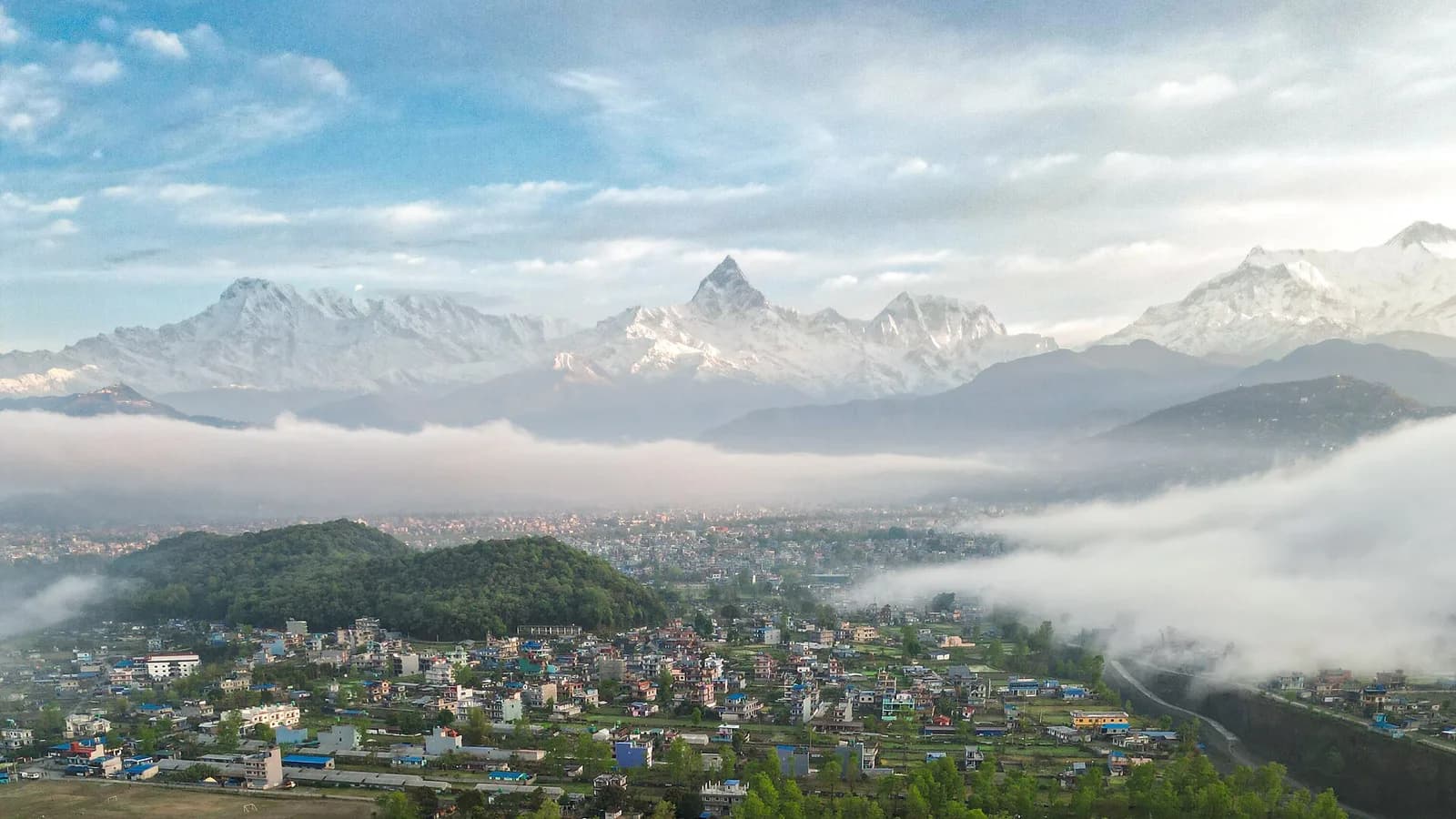
A mountain biking Nepal trip can mean a relaxed afternoon spinning along dirt roads past temples and rice terraces, or a brutal multi-day haul across a 5,000-metre Himalayan pass. Few countries compress so many kinds of riding into such a small space: the Kathmandu Valley rim alone has world-known singletrack, while the high routes toward Annapurna and Mustang are bucket-list expeditions. The same hills that draw trekkers turn out to be laced with trails that ride beautifully on two wheels.
This guide covers what visiting riders actually need: the best trails, the bikes and rentals, the seasons, the permits, and the safety realities of riding in the Himalaya. Trail conditions, prices and permit rules shift, so treat the figures here as a current guide and confirm them when you book — every price is stamped with currency and date, and the sources are linked at the end.
Key takeaways
- The Kathmandu Valley rim is the heartland of Nepali mountain biking — the Nagarkot ridge and the forested Scar Road through Shivapuri are the signature rides.
- Pokhara offers gentler lake-and-ridge riding, and the high routes across the Annapurna Circuit and Mustang are serious multi-day expeditions.
- Autumn (September–November) and spring (March–May) are the prime seasons; avoid the monsoon's mud and the snowed-in passes of deep winter.
- You can rent mountain bikes in Thamel and Pokhara or join a guided tour with a bike supplied; committed riders often bring their own.
- Permits scale with the route: valley rides usually need none, but national-park entry, ACAP and restricted-area permits apply on bigger trips.
- This is a real adventure — wear protective gear, carry insurance that covers mountain biking and evacuation, and match the route to your fitness and skill.
Why ride Nepal
Nepal's appeal on a mountain bike is the same variety that makes it a trekking capital. Within a short ride of the capital you can be on dirt trails that, in the words of the Nepal Tourism Board, climb "up and down hills, along riverbanks, around temples, past stray cattle, across suspension bridges" with snowcapped mountains and terraced hillsides filling the view. Push further out and the terrain stretches from subtropical forest to high desert.
It sits naturally alongside Nepal's other adrenaline pursuits. Riders often build a trip around a mix of activities — a few days of singletrack, then paragliding in Pokhara, a bungee jump, or a white-water rafting trip on the way between cities. If you would rather a motor did the climbing, our Nepal motorcycle tour guide covers the same mountain roads on a Royal Enfield.
The Kathmandu Valley: Nepal's riding heartland
Most mountain biking in Nepal starts in the Kathmandu Valley, where a ring of hills gives short, punchy rides straight from the city. The Nepal Tourism Board groups the popular routes by compass point: Nagarjun, Kakani and Shivapuri to the north; Nagarkot and Dhulikhel to the east; Phulchowki and Lakuri Bhanjyang to the south; and Chandragiri, Chitlang and Pharping to the west. Other well-known trails run to Budhanilkantha, Sankhu, Dakshinkali, Godavari and Thankot, plus longer loops along the valley rim.
The Nagarkot ridge
The classic valley descent drops off the Nagarkot ridge east of Kathmandu. The route covers roughly 35 km with a long descent of around 1,200 m back into the valley — a sustained, flowing downhill that has made it perhaps the best-known ride around Kathmandu. Nagarkot is better known to most visitors as a sunrise viewpoint; our Nagarkot sunrise guide covers the village itself, and nearby Dhulikhel makes another good ride base on the valley's eastern rim.
The Scar Road through Shivapuri
The other legendary Kathmandu route is the Scar Road, a forested trail through Shivapuri-Nagarjun National Park north of the city. Descriptions put the full loop — typically Kathmandu to Kakani, into the national park, and back via Budhanilkantha — at roughly 50 to 70 km, mixing steep climbs with fast, technical descents. The pay-off is the long set of downhill switchbacks weaving through thick forest, with a remote feel and waterfalls along the way. It is a big day out, less frequented than the Nagarkot run, and best ridden with someone who knows the turns.
| Route | Rough distance | Character | Best for | | --- | --- | --- | --- | | Nagarkot ridge | ~35 km | Long flowing descent (~1,200 m) | Riders wanting a classic downhill | | Scar Road (Shivapuri) | ~50–70 km loop | Climbs plus technical forest singletrack | Fit riders after a big, remote day | | Chandragiri / Chitlang | Varies | Forest and ridge trails west of the city | Mixed climbing and views | | Valley-rim dirt roads | Varies | Easier riding past villages and temples | Beginners and warm-up rides |
Distances and route details vary between operators and trail logs — confirm the exact line and current conditions locally before riding.
Beyond the valley: Pokhara, Annapurna and Mustang
Pokhara
Pokhara, Nepal's lakeside adventure hub, offers a softer introduction than the Kathmandu rim. Rides around Phewa Lake and out toward the Sarangkot ridge trade big technical descents for rolling terrain and mountain views, making the area a friendly base for newer off-road riders. It is also the gateway to the higher Annapurna routes. For what else fills a Pokhara itinerary, see our guide to things to do in Pokhara.
The Annapurna Circuit
For experienced riders, the Annapurna Circuit is the headline expedition: a multi-day, high-altitude ride that crosses the Thorong La pass at 5,416 m and links subtropical forest, Gurung villages and snow-capped giants. Riders typically allow somewhere in the region of one to two weeks, and the route demands strong fitness, solid off-road handling and proper acclimatisation. It is also a celebrated trek — our Annapurna Circuit trek guide covers the same trail on foot.
Mustang's high desert
North of the main Annapurna range, the Mustang trails ride through dramatic, arid, Tibetan-influenced country in the rain shadow of the Himalaya, past ancient monasteries and walled villages. Lower Mustang routes are reachable on standard Annapurna paperwork, but Upper Mustang is a restricted area requiring a special permit and a licensed guide. It is remote, demanding and unforgettable — see our Upper Mustang permit guide for the rules in detail.
Bikes, gear and rentals
You do not have to fly in with your own bike. Rental shops in Thamel in Kathmandu and around Lakeside in Pokhara hire out mountain bikes by the day or longer, and most guided tours include a bike. That said, committed riders chasing technical singletrack often bring their own trail or enduro machine for a fit and suspension setup they trust.
Choosing the right bike
- Easy valley dirt roads and gentle loops: a hardtail is perfectly adequate.
- Rocky, technical singletrack and steep rim descents: a full-suspension trail or enduro bike is far more comfortable and controlled.
- High mountain routes: prioritise reliable brakes, tough tyres and low gearing for sustained climbs.
Always inspect a rental before you commit — check the brakes, tyres, drivetrain and that nothing is loose — and tell the shop exactly where you plan to ride so they can match the bike.
What to pack
A sensible day kit includes a helmet (full-face for serious downhill), gloves, plenty of water, snacks, sun protection, and basic repair gear: a multi-tool, spare tube, tyre levers and a pump. Add a light waterproof layer for the hills and an offline map or GPS, since trail signage is sparse and routes branch. For multi-day high routes, layered clothing for cold mornings at altitude is essential.
Seasons: when to ride
The riding calendar mirrors Nepal's trekking seasons. The two prime windows are autumn (roughly September to November), with the clearest post-monsoon skies and firm, dry trails, and spring (roughly March to May), which is warmer and greener with rhododendron in bloom.
| Season | Months | Conditions for riding | | --- | --- | --- | | Autumn | Sep–Nov | Peak season; clear skies, dry firm trails, best mountain views | | Spring | Mar–May | Warm and green, rhododendron blooms; second-best window | | Winter | Dec–Feb | Quiet and crisp lower down, but cold and snow on high passes | | Monsoon | Jun–Aug | Best avoided; mud, leeches and landslide risk on trails |
For the bigger picture on timing a trip, see our guides to the best season to trek in Nepal and the best time to visit Nepal.
Permits and rules
Permit requirements scale with where you ride:
- Kathmandu Valley day rides: most need no special permit, but some northern routes enter Shivapuri-Nagarjun National Park, which charges an entry fee at its checkposts.
- Annapurna region (including Pokhara's higher routes, the Circuit and Mustang): you need an Annapurna Conservation Area Permit (ACAP), which costs NPR 3,000 for foreign nationals (as of 2026), issued by the National Trust for Nature Conservation.
- Upper Mustang and other restricted areas: you need a Restricted Area Permit plus a licensed guide. For Upper Mustang, a 2025 reform replaced the old flat USD 500 fee with a system of USD 50 per person per day (as of late 2025), so you pay only for the days inside the zone.
Restricted-area rules and fees change regularly and are awkward to arrange independently, which is one reason many riders tackle the high routes as part of an organised tour. Confirm current requirements before you go.
Safety and altitude
Mountain biking in Nepal is a well-established adventure, but the margins are real. Trails can be steep, loose and exposed; some sections share busy highways with trucks and buses; and the high routes add altitude on top of the physical demands. A few principles keep it sensible:
- Wear protection — a helmet always, plus gloves and pads on technical descents.
- Ride within your limits, and scout or take a guide on unfamiliar steep descents rather than charging blind.
- Carry water, snacks and basic spares, and keep something warm and waterproof for the hills.
- Respect altitude on high routes: ascend gradually, watch for headache, nausea and breathlessness, and descend if symptoms worsen. Our altitude sickness guide explains the warning signs.
- Get the right insurance — make sure your policy explicitly covers mountain biking and helicopter evacuation in remote areas.
A guided trip is worth strong consideration for anything beyond easy valley rides: local guides know which descents are rideable, handle permits and logistics, and add a crucial safety margin in the backcountry. A few Nepali phrases for trekkers also go a long way in the villages you pass through.
Sources
- Nepal Tourism Board — Mountain Biking in Kathmandu
- Explore Himalaya — The Complete Guide to Mountain Biking in Nepal
- 10Adventures — Kakani Scar Mountain Biking Trail from Kathmandu
- 10Adventures — Mountain Biking in Nepal
- Annapurna Biking — Best Mountain Biking Routes in Nepal
- Discovery World Trekking — The Annapurna Conservation Area Permit
- Nepal Guide Trekking — Upper Mustang Permit Update 2025: USD 50/day
Frequently asked questions
- Is Nepal good for mountain biking?
- Yes. Nepal packs an unusual amount of riding into a small country, from gentle dirt roads around the Kathmandu Valley to high-altitude bikepacking across the Annapurna Circuit and the desert trails of Mustang. The Kathmandu Valley rim alone has famous routes like the Nagarkot ridge and the Scar Road through Shivapuri forest. Terrain runs from easy out-and-back rides to technical singletrack and multi-day expeditions, so there is something for most ability levels.
- When is the best time for mountain biking in Nepal?
- Autumn, roughly September to November, and spring, roughly March to May, are the two prime windows. Autumn brings the clearest post-monsoon skies and dry, firm trails, while spring is warm and green with rhododendron in bloom. The summer monsoon makes trails muddy, leech-prone and prone to landslides, and high passes hold snow in deep winter, so most riders aim for the two dry shoulder seasons.
- Do I need to bring my own mountain bike to Nepal?
- Not necessarily. Bike rental shops in Thamel in Kathmandu and around Lakeside in Pokhara hire out mountain bikes by the day or longer, and many guided-tour operators include a bike in the package. Serious riders chasing technical singletrack often bring their own trail or enduro bike for the fit and suspension they trust, but for valley dirt-road rides and most guided tours a quality rental or supplied bike is enough. Always check the bike's condition before you ride.
- What kind of bike do I need for Nepal's trails?
- It depends on the route. Easy valley dirt roads and gentle out-and-back rides are fine on a hardtail, while rocky, technical singletrack and steep descents are far more comfortable on a full-suspension trail or enduro bike. For high mountain routes you also want reliable brakes, tough tyres and gearing low enough for long climbs. Match the bike to the terrain you plan to ride and tell the rental shop or operator exactly where you are heading.
- Do I need a permit to mountain bike in Nepal?
- Many Kathmandu Valley day rides need no special permit, though some routes pass through Shivapuri-Nagarjun National Park, which charges an entry fee. Bigger trips do need paperwork: the Annapurna region requires an ACAP permit, and restricted areas such as Upper Mustang require a Restricted Area Permit plus a licensed guide. Permit rules and fees change, so confirm what your specific route needs before you set off, ideally through a reputable local operator.
- How fit do I need to be to mountain bike in Nepal?
- It varies hugely by route. Short, easy valley rides suit anyone with basic fitness and a little bike handling, while the Kathmandu rim loops involve serious climbing rewarded by long descents and need a decent baseline of fitness. Multi-day high-altitude routes like the Annapurna Circuit or Mustang demand strong fitness, off-road handling skill and the ability to spend many hours in the saddle for days on end. Be honest about your level and pick a route to match.
- Is mountain biking in Nepal safe?
- Ridden sensibly it is a well-established adventure, but it carries real risk. Trails can be steep, rocky and exposed, some sections share busy highways with trucks and buses, and high routes add altitude to the challenge. Reduce the risk by wearing a helmet and protective gear, riding within your ability, carrying spares and water, never riding unfamiliar descents at speed, and arranging insurance that covers mountain biking and helicopter evacuation. For harder routes a guided trip greatly improves your safety margin.
- Can beginners go mountain biking in Nepal?
- Yes, but choose the route carefully. Gentle dirt-road rides around the Kathmandu Valley and easy loops near Pokhara are well within reach of newer riders, especially with a guide who knows the trails. The famous rim descents and any multi-day mountain route are far more demanding and are not the place to learn off-road skills. Start with an easy guided day ride, see how you feel on Nepal's surfaces, and build up from there.
Related posts
Bhote Koshi Rafting: Nepal's Steepest White Water
Bhote Koshi rafting — the steepest commercial river in Nepal. Grades, the put-in near Lamosangu, seasons, safety and how to plan a day or two on the water.
Read postNepal Motorcycle Tour: Royal Enfield Routes & Costs
Plan a Nepal motorcycle tour on a Royal Enfield — the best routes, what it costs, licence and permit rules, riding seasons and Himalayan safety.
Read postRoyal Enfield Nepal: Models, Prices & Riding Guide
A traveller's guide to Royal Enfield in Nepal — the locally assembled lineup, current NPR prices, where to buy or rent, and what it's like to ride.
Read post