Pollution Mask for Kathmandu: What to Wear and When
Choosing a pollution mask for Kathmandu: N95 vs KN95, fit and seal, valves, when you actually need one, and where to buy in the city.
The best pollution mask is not the most expensive one — it is the one that actually seals to your face on the days the air turns bad.
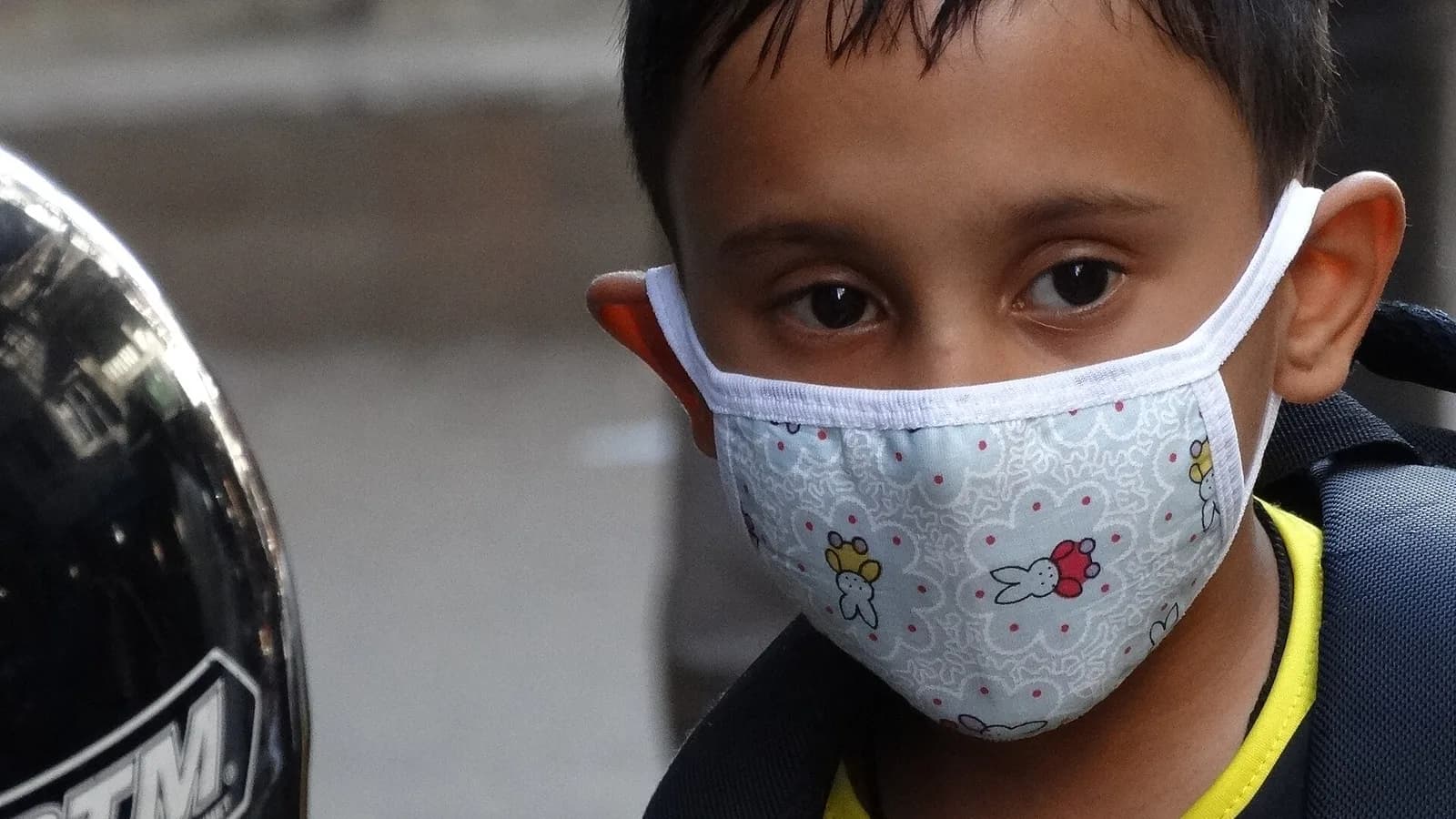
If you are wondering what pollution mask for Kathmandu to pack, the honest answer has two parts: get a properly rated respirator, and — more importantly — get one that actually seals to your face. A high-end mask worn loosely protects you less than a cheap one worn snugly. This guide cuts through the marketing: which rating to choose, N95 versus KN95, the truth about valves and fit, when you actually need to mask up, and where to buy one in the city. For the context on why you might need it, start with our Kathmandu air quality guide.
Key takeaways
- Choose a particulate respirator — N95, KN95 or FFP2 — which filters at least 95% of fine particles. Surgical and plain cloth masks do far less against PM2.5.
- Fit beats brand. A snug seal around the nose and chin matters more than the logo; a leaking mask undoes its own rating.
- N95 (head straps, tight seal) generally protects better than KN95 (ear loops, convenient); both filter to 95%.
- You only need a mask on poor-air days — mostly the dry season (Nov–May) and especially red/purple AQI readings. Check a live index each morning.
- Valved masks are fine for protecting yourself but do not shield others; facial hair breaks the seal of any respirator.
- Masks are easy to buy in Kathmandu — use a reputable pharmacy or established shop and check the packaging for a recognised standard.
First, do you even need one?
Before buying anything, calibrate expectations. You will not need a mask for most of a Nepal trip. The pollution that makes one worthwhile is concentrated in the Kathmandu Valley and clustered in the dry season, from roughly November through May, when winter inversions and pre-monsoon fires push readings into the unhealthy range. During the monsoon, and out in the hills, mountains and Pokhara, the air is usually clean enough that a mask is pointless.
So the right approach for a short visit is simple: carry a couple of masks, check a live AQI each morning, and wear one only when the reading is poor. Indices such as IQAir, AQI.in and aqicn.org report Kathmandu's PM2.5 in real time; as a rule of thumb, mask up when the US AQI is in the red band (151+) and consider it through the orange band if you are sensitive. The seasonal logic behind this is laid out in best month for clean air in Nepal.
Choosing the right rating
Not all masks are built to stop fine particulates, and the difference is huge.
What actually filters PM2.5
The pollutant that matters is PM2.5 — particles 2.5 microns and smaller. To stop them you need a rated particulate respirator:
- N95 — the US NIOSH standard; filters ≥95% of airborne particles down to 0.3 microns.
- KN95 — the Chinese GB2626 standard; the same ≥95% filtration target.
- FFP2 — the European equivalent, roughly comparable.
A surgical mask blocks droplets but seals poorly and is not designed for fine dust. A plain cloth mask with no rated filter does very little against PM2.5, however nice it looks. If pollution is your concern, one of the three ratings above is the floor.
N95 vs KN95: the real difference
People agonise over this, but the distinction is mostly about fit, not filtration:
| | N95 | KN95 | |---|---|---| | Standard | US NIOSH | China GB2626 | | Filtration | ≥95% to 0.3 µm | ≥95% to 0.3 µm | | Straps | Around the head | Ear loops | | Seal | Designed for a tight seal | Convenient, often looser | | Best for | Maximum protection, sensitive users | Everyday comfort on bad days |
A genuine N95's head straps pull it tight, which is why it generally delivers better real-world protection. A KN95's ear loops are more comfortable and quicker to put on but tend to seal less perfectly. For a typical traveller wanting comfort on the occasional bad day, a well-fitting KN95 is perfectly reasonable; if you are asthmatic or staying through the worst months, lean toward a true N95.
One caution worth knowing: mask quality on the open market is inconsistent. US health authorities found that a large share of KN95s they tested — reportedly around 60% — fell short of their claimed standard. The practical lesson is to buy from reputable sources and treat suspiciously cheap, unbranded masks with scepticism.
Fit is everything
Here is the point most buyers miss: a respirator only works if it seals. Air, like water, takes the path of least resistance — if there is a gap at the nose or cheeks, polluted air flows straight through the gap instead of the filter, and the 95% rating becomes meaningless.
To get a good seal:
- Mould the nose wire firmly over the bridge of your nose so there is no gap (and so your glasses do not fog, a handy tell that air is leaking upward).
- Cover nose and chin fully, with the edges flat against your skin all the way round.
- Do a quick seal check — cover the mask and breathe in sharply; it should pull slightly inward, with no air whistling around the edges.
- Pick a size and shape that matches your face; a mask that fits a colleague may not fit you.
Facial hair is a dealbreaker
There is no polite way around this: beards and stubble break the seal. Respiratory-protection guidance is consistent that facial hair at the sealing surface lets air leak around the edge, badly undercutting protection. If you have a beard and want reliable defence on bad-air days, you will get a far better seal clean-shaven. The only true workaround — a loose-fitting powered respirator — is impractical for a holiday.
Valves, comfort and reusables
A few features come up repeatedly when choosing.
Exhalation valves
Many pollution masks have a one-way exhalation valve that makes breathing out easier and the mask less sweaty — genuinely pleasant in Kathmandu's traffic. The trade-off is that the valve releases your unfiltered breath, so a valved mask protects you but not the people around you. If you are masking purely against pollution, a valve is fine. If you also want to avoid spreading a cold, choose a valveless N95 or KN95.
Reusable masks with filters
Reusable fabric masks that take a replaceable rated filter (and often an activated-carbon layer for odours) are a sustainable, comfortable option for a longer stay — they are widely sold in Kathmandu. The key is that the protection comes entirely from the filter cartridge, so insist on one that uses a genuine N95/FFP2-grade filter and that seals well. A reusable shell with a flimsy filter is just a cloth mask.
Disposables: when to swap
Disposable N95/KN95 masks lose effectiveness once they get dirty, damp or bent out of shape, so do not wear a single one for weeks. For a dry-season trip, pack a handful of disposables plus perhaps one reusable, and rotate them.
Where to buy a mask in Kathmandu
You do not have to bring a suitcase of masks — the city is well stocked.
- Pharmacies are the most reliable: staffed, established, and more likely to carry genuine product. Buy here if you can.
- Supermarkets and department stores in areas like Thamel and the larger malls carry KN95s and reusables.
- Online retailers in Nepal stock a wide range of N95, KN95 and filtered reusable masks, handy if you are settled in one place.
A practical buying note (as of mid-2026): disposable KN95s are inexpensive, while a quality reusable mask with spare filters costs more but lasts. Whatever the source, check the packaging for a recognised standard (N95/NIOSH, GB2626 KN95, or FFP2) and skip anonymous street-stall masks, which are the least likely to perform. If you would rather pack your own, any reputable N95 from home works fine — see how it fits the wider kit in our Nepal trekking packing list and the broader power adapter and essentials rundown.
Putting it together: a simple plan
For most visitors, this is all you need to do:
- Pack a few rated masks — a handful of N95 or KN95 disposables, optionally one filtered reusable.
- Check a live AQI each morning in Kathmandu (IQAir, AQI.in, aqicn.org).
- Mask up on poor-air days — red AQI for everyone, orange if you are sensitive — and skip it when the air is clean.
- Seal it properly — nose wire moulded, chin covered, quick seal check; clean-shaven for the best fit.
- Spend the rest of your trip elsewhere, where the air rarely needs a mask at all.
That is genuinely it. A mask is a small, cheap insurance policy for the handful of bad days you might meet in the valley. For the full picture of when those days fall and how the air behaves, read Kathmandu air quality and the country-wide Nepal air pollution guide; if you are still deciding when to come, best time to visit Nepal ties it all together.
Sources
- N95? KF94? Which mask is best at protecting against Covid-19 — The Kathmandu Post
- A Mask Q&A: common questions about KN95, N95 masks and more — West Virginia University School of Public Health
- N95 respirator — Wikipedia (NIOSH standard, fit, valves)
- Kathmandu Air Quality Index (AQI) and Nepal Air Pollution — IQAir
- Kathmandu Air Pollution: Real-time Air Quality Index — aqicn.org
Frequently asked questions
- What kind of mask should I wear in Kathmandu?
- For air pollution you want a particulate respirator rated N95, KN95 or FFP2 — these filter at least 95 percent of fine particles when worn correctly. A surgical or cloth mask does far less against PM2.5. The most important factor is fit: a mask that seals snugly around your nose and chin protects you, while a loose one leaks polluted air around the edges regardless of its rating.
- Is N95 or KN95 better for Kathmandu pollution?
- Both filter to the same 95 percent standard, but they differ in fit. An N95 uses head straps and is designed for a tight seal, which generally gives better real-world protection, while a KN95 uses ear loops and is more convenient but often seals less tightly. For most travellers a well-fitting KN95 is a fine, comfortable choice; if you are sensitive or staying through the bad season, a genuine N95 edges ahead.
- Do I need a mask the whole time in Kathmandu?
- No. You only really need one on poor-air days, which cluster in the dry season from roughly November to May, and especially on red or purple AQI readings. During the monsoon and on clean days a mask is usually unnecessary. Checking a live air-quality index each morning tells you whether to put one on.
- Should I avoid masks with an exhalation valve?
- For protecting yourself from pollution a valved mask is fine and can feel cooler to breathe through. The catch is that a valve lets your unfiltered breath out, so it does not protect people around you — a consideration if you are also masking for illness. If in doubt, a valveless N95 or KN95 covers both purposes.
- Can I buy a pollution mask in Kathmandu?
- Yes, easily. Pharmacies, supermarkets and online retailers across the city stock KN95 and N95 masks, and reusable masks with replaceable carbon filters are also available. Quality varies, so buy from a reputable pharmacy or established shop rather than a street stall, and check the packaging for a recognised standard.
- Does facial hair affect how well a mask works?
- Yes, significantly. Beard or even stubble at the sealing edge breaks the seal of an N95 or KN95, letting polluted air leak in around it. If you have a beard and want reliable protection on bad-air days, you will get a better seal clean-shaven, or you would need a loose-fitting powered respirator, which is impractical for travel.
- How many masks should I pack for Nepal?
- For a short dry-season trip, a handful of disposable N95 or KN95 masks plus one comfortable reusable option is plenty, since you will only wear them on the worse days. Disposables lose effectiveness once they get dirty, damp or misshapen, so plan to swap them out rather than wear a single one for weeks.
- Do children need pollution masks in Kathmandu?
- Child-sized respirators exist but getting a reliable seal on a small face is hard, so masks are an imperfect solution for young children. For families visiting in the dry season, it is usually more effective to limit time outdoors on the worst days, stay in cleaner areas, and rely less on masking the youngest travellers.
Spotted an error in this post? Tell us or suggest a correction.
Related posts
ABC Trek: A Plain-English Guide to Annapurna Base Camp
The ABC trek (Annapurna Base Camp) explained — the route, how many days it takes, difficulty, the best seasons, and what daily trail life is really like.
Read postAma Dablam Climb: 2026 Expedition Guide (6,812m)
An Ama Dablam climb and expedition guide for 2026 — height, the Southwest Ridge route, camps, fixed ropes, difficulty, permits, cost and the best seasons.
Read postAnnapurna vs Manaslu: Which Trek Should You Choose?
An Annapurna vs Manaslu decision guide for trekkers — compare permits, crowds, difficulty, infrastructure and cost to pick the right Himalayan route.
Read postAsan Bazaar Kathmandu: Old Town Market Guide
A visitor guide to Asan bazaar, Kathmandu's oldest market — its six-road square, Annapurna Temple, what to buy, when to go, and how to get there.
Read postAyurveda Nepal: A Traveller's Guide to Healing
Ayurveda Nepal explained for tourists — the history, the doshas, treatments like Panchakarma and Shirodhara, where to go and how to choose a centre safely.
Read postBest Restaurants Pokhara Lakeside: Where to Eat
The best restaurants in Pokhara Lakeside — lakeside trout, wood-fired pizza, Tibetan momos and healthy cafes, with what to order and rough 2026 prices.
Read post