Best Month for Clean Air in Nepal (and the Trade-Off)
The best month for clean air in Nepal is the monsoon, but that hides a real trade-off with mountain views. How the air-quality calendar works.
The month with Nepal's cleanest air and the month with its clearest mountain views are not the same month — and that tension is the whole story.
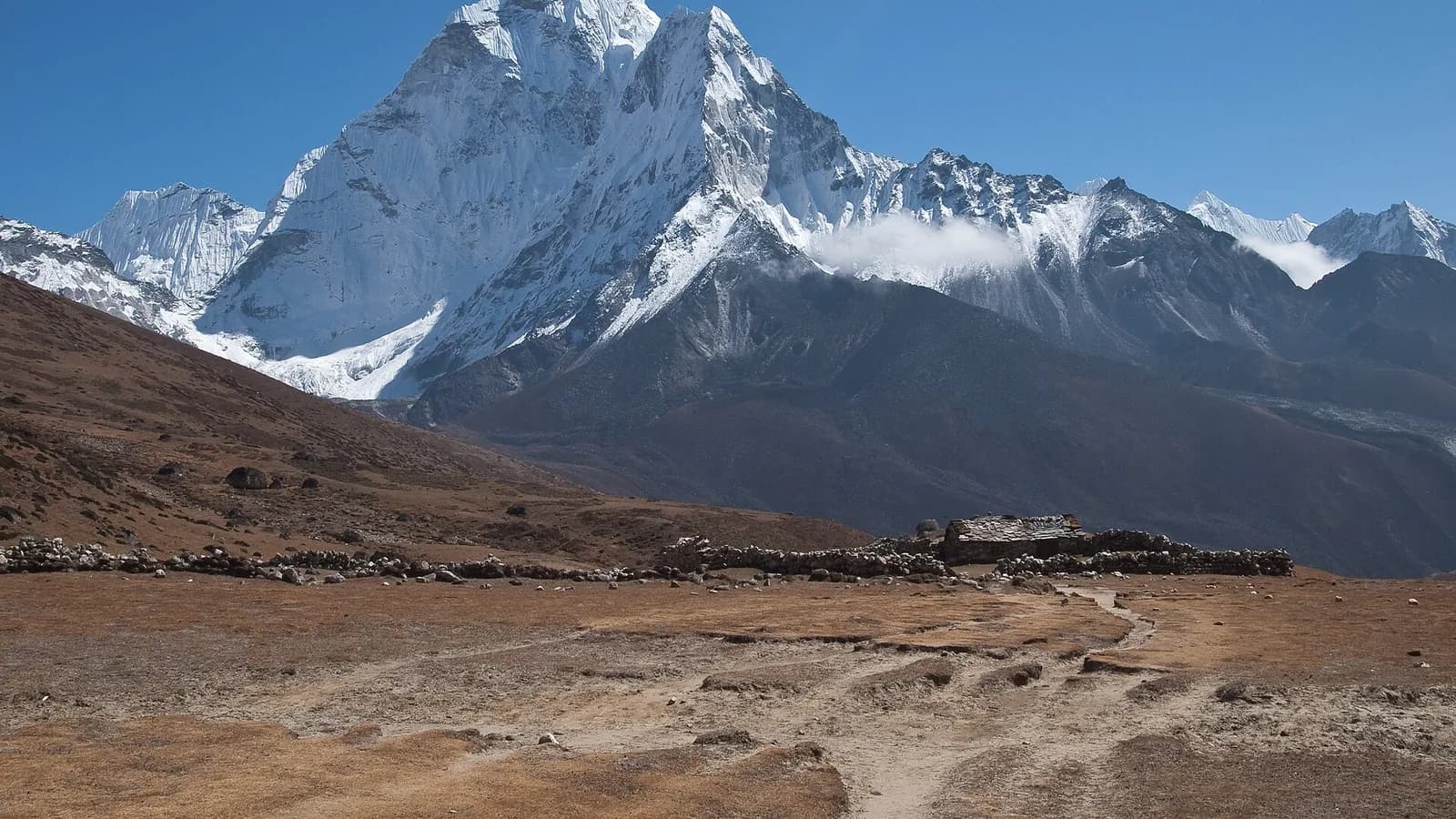
If you are hunting for the best month for clean air in Nepal, you are about to hit a frustrating paradox: the cleanest air and the clearest mountain views belong to different months. The honest, data-backed answer is that the monsoon gives the purest air but hides the Himalaya, while autumn gives the best views with air that is merely good. This guide explains exactly how Nepal's air-quality calendar works, month by month, so you can pick the window that fits your priorities. For the bigger picture of what you are breathing, pair this with Nepal air pollution and the city-level Kathmandu air quality guides.
Key takeaways
- Cleanest air: the monsoon months July–September, with August historically the single cleanest (IQAir). Rain scrubs the air — but cloud hides the mountains.
- Worst air: the dry season, peaking in December–January; January is historically the dirtiest month, and February–May brings wildfire smoke.
- The sweet spot: October into early November, when air is freshly washed and the views are at their sharpest.
- Clearest views ≠ cleanest air: October–November for visibility; July–September for the lowest pollution.
- Altitude can trump the calendar: the high mountains stay clean year-round because pollution pools in the valleys.
- Choose your month by priority — pure air, clear peaks, or the brief overlap of both.
The paradox, stated plainly
Two facts sit in tension, and understanding them solves the whole question.
- The air is cleanest when it rains — during the June-to-September monsoon, when downpours wash particulates out of the sky.
- The views are clearest when it is dry but freshly washed — in October and November, just after the rains stop but before smog rebuilds.
Because rain is the very thing that both cleans the air and blocks the mountains, you cannot maximise both at once for long. So "the best month for clean air" depends on whether you are chasing lungfuls of pure air or a sharp Himalayan skyline. The good news is there is a short window — October — where the two nearly meet.
The air-quality calendar, month by month
Here is the cycle in order, with the reasoning behind each phase. The monthly figures below are drawn from IQAir's Kathmandu data as a representative proxy for the central valley; treat them as a pattern, not a promise, since any given year varies with weather and fire activity.
| Period | Air quality | What's happening | |---|---|---| | Jan | Worst of the year | Deep winter inversion traps emissions; historically the dirtiest month. | | Feb–Mar | Poor, often worsening | Dry, stagnant air; forest-fire season begins. | | Apr–May | Frequently severe | Peak pre-monsoon fires add heavy smoke. | | Jun | Improving | First rains begin to clear the air. | | Jul–Sep | Cleanest | Monsoon rain and wind scrub the atmosphere; August historically best. | | Oct | Excellent, rising | Crisp, clean air with the sharpest views before smog returns. | | Nov–Dec | Deteriorating to worst | Smog rebuilds; December heads back toward the January low. |
Winter (December–February): the low point
This is when Nepal's air is at its worst. Cold, still air settles into the Kathmandu Valley under a temperature inversion that acts like a lid, trapping traffic, brick-kiln and burning emissions near the ground for days. In IQAir's Kathmandu record, January is the dirtiest month — around 102.7 µg/m³ of PM2.5 in 2019, deep in the unhealthy range — with December close behind at around 75.6 µg/m³. The air is dry and the skies are often blue-ish, but a brown haze sits over the valley.
Pre-monsoon spring (March–May): smoke season
Counter-intuitively, spring can be worse than midwinter in bad years, because forest and crop fires add smoke to the already stagnant air. The spring of 2025 was a brutal example: ICIMOD and the Kathmandu Post reported unhealthy air on 75 of 90 days early in the year, amid more than 1,800 wildfires and a severe precipitation deficit, with the valley briefly ranking the world's most polluted city on 1 April.
Monsoon (June–September): the cleanest air
Then the rains transform everything. Frequent, heavy downpours wash particulates out of the atmosphere, and the air clears dramatically. In IQAir's monthly breakdown, August is historically Kathmandu's cleanest month — around 11.8 µg/m³ in 2019, a "good" reading — with July and September not far behind (September around 13.1 µg/m³). If pure air is your single priority, this is your window. The cost is obvious: persistent cloud, humidity, leech-prone trails, and the high peaks hidden most days. The broader pros and cons of travelling then are covered in Nepal weather by month.
Post-monsoon (October–November): the sweet spot
For most travellers, October is the answer to a better question — "when is the air clean and the mountains visible?" The monsoon has just scrubbed the sky, so the air starts the month crisp and clean, while the dry-season smog has not yet built up. The result is the sharpest Himalayan views of the entire year, which is exactly why October is Nepal's peak tourist month. Pollution does begin creeping back up as November progresses and the dry season sets in, but early-to-mid autumn is the genuine overlap of clean air and clear views. This is the heart of our best time to visit Nepal recommendation.
Cleanest air vs clearest views: pick your lane
Because the two goals diverge, decide which one you are optimising for.
If you want the cleanest possible air
Go in July, August or September. You will breathe Nepal's purest air of the year and enjoy a lush, green, uncrowded country. Accept that mountain views will be unreliable, rain will interrupt plans, and some flights and roads may be disrupted. This suits travellers focused on culture, cities, lower-altitude experiences, or simply minimising pollution exposure — and it pairs naturally with the rain-shadow north (Upper Mustang, Dolpo), which stays dry behind the main Himalaya.
If you want the clearest mountain views
Go in October or November. The air is clean enough and the visibility is unbeatable, but you are trading away the absolute lowest pollution readings and accepting peak-season crowds and prices. This is the right call for trekkers and anyone whose trip is built around seeing the peaks.
If you want both — and will accept a compromise
Target October into early November, the narrow overlap. It is the most popular window precisely because it threads the needle, so book early and expect company on the trails.
When the calendar matters less: altitude
One liberating nuance: for much of a Nepal trip, where you are can matter more than when you go. The pollution is concentrated in the Kathmandu Valley and the Terai lowlands; the high mountains stay clean year-round because smog simply does not pool at altitude. So if your itinerary is mostly high trekking, you will be breathing clean air in most months regardless of the valley's readings — the calendar mainly governs your arrival days in Kathmandu and your views, not the air on the trail. The mechanics of this are explained in Nepal air pollution, and the altitude itself brings its own considerations in our altitude sickness guide.
Pokhara deserves a mention too: sitting in more open terrain beside a large lake rather than a sealed bowl, it generally enjoys fresher air than Kathmandu on a comparable day, while still following the same seasonal cycle.
A simple decision guide
To turn all of this into a choice:
- Purest air, don't mind cloud: July–September (monsoon). Best for culture, lowlands, rain-shadow treks, minimal pollution.
- Best views, clean enough air: October–November. Best for trekking and the mountain skyline; busiest and priciest.
- The overlap of both: early-to-mid October. Book ahead.
- Avoid if air is your concern: December–May, when the valley is smoggiest — and if you do come then, plan to spend most of your time at altitude and carry a mask (see pollution mask Kathmandu).
The bottom line
There is no single "best month for clean air in Nepal" that wins on everything, because the rain that cleans the air is the same rain that hides the mountains. If you want the lowest pollution, come in the monsoon and accept the cloud. If you want the clearest peaks with air that is still good, come in October or November. And if you want a taste of both, aim for early October and book early. Whichever you choose, remember that the worst of Nepal's air is a valley and dry-season phenomenon — gain a little altitude and you are usually breathing clean mountain air whatever the calendar says. For the full context, continue to Kathmandu air quality and Nepal air pollution, and to lock in your dates see best time to visit Nepal.
Sources
- Nepal Air Quality Index (AQI) and Air Pollution information — IQAir
- Kathmandu Air Quality Index (AQI) and Nepal Air Pollution — IQAir
- Kathmandu choked on polluted air for 75 of the last 90 days — ICIMOD
- Raging wildfires drive pollution surge in Kathmandu — The Kathmandu Post
- Kathmandu Air Pollution: Real-time Air Quality Index — aqicn.org
Frequently asked questions
- What is the best month for clean air in Nepal?
- Purely by air quality, the monsoon months of July, August and September are cleanest, because frequent rain washes particulates out of the air. In IQAir's monthly data for Kathmandu, August has historically been the single cleanest month. The catch is that these are also the cloudiest, wettest months, so the cleanest air rarely comes with clear mountain views.
- Why is the air cleaner during the monsoon in Nepal?
- Rain physically scrubs fine particulates and dust out of the atmosphere, and the accompanying winds disperse what remains rather than letting it pool in the valleys. With far fewer dry, stagnant days, pollution cannot build up, so monsoon readings drop sharply compared with the smoggy dry season.
- Which month has the worst air quality in Nepal?
- The dry winter months are worst, with pollution typically peaking in December and January. In IQAir's Kathmandu data, January has historically been the dirtiest month. The pre-monsoon period from February to May is also frequently severe because of forest and crop fires adding smoke to already stagnant air.
- Is October a good month for air quality in Nepal?
- October is the sweet spot for most travellers. The monsoon has just cleared the air, so it starts crisp and clean, while the heavy dry-season smog has not yet built up. It also delivers the sharpest Himalayan views of the year, which is why October is Nepal's peak travel month — though pollution begins creeping back up as the month ends.
- When are the clearest mountain views in Nepal?
- October and November offer the clearest, sharpest mountain views, when the air is both dry and freshly washed by the departed monsoon. This is different from the cleanest-air months of July to September, when the peaks are usually hidden behind monsoon cloud despite the low pollution.
- Can I get clean air and clear views at the same time in Nepal?
- Yes, briefly — October into early November is the window where both line up, with low pollution and excellent visibility. It is the most popular time to visit for exactly this reason, so expect crowds and book accommodation early.
- Does altitude matter more than the month for clean air?
- Often, yes. Nepal's pollution is concentrated in the Kathmandu Valley and the Terai lowlands, so gaining altitude on a trek usually puts you in clean air whatever the month. For a trip spent mostly in the high hills and mountains, your destination's elevation can matter as much as the calendar.
- Is the air clean in Pokhara compared with Kathmandu?
- Generally Pokhara enjoys better air than Kathmandu, because it is not boxed into the same smog-trapping bowl and sits beside a large lake in more open terrain. It still follows the same seasonal cycle — cleaner in the monsoon, hazier in the dry season — but tends to feel fresher than the capital on a comparable day.
Spotted an error in this post? Tell us or suggest a correction.
Related posts
ABC Trek: A Plain-English Guide to Annapurna Base Camp
The ABC trek (Annapurna Base Camp) explained — the route, how many days it takes, difficulty, the best seasons, and what daily trail life is really like.
Read postAma Dablam Climb: 2026 Expedition Guide (6,812m)
An Ama Dablam climb and expedition guide for 2026 — height, the Southwest Ridge route, camps, fixed ropes, difficulty, permits, cost and the best seasons.
Read postAnnapurna vs Manaslu: Which Trek Should You Choose?
An Annapurna vs Manaslu decision guide for trekkers — compare permits, crowds, difficulty, infrastructure and cost to pick the right Himalayan route.
Read postAsan Bazaar Kathmandu: Old Town Market Guide
A visitor guide to Asan bazaar, Kathmandu's oldest market — its six-road square, Annapurna Temple, what to buy, when to go, and how to get there.
Read postAyurveda Nepal: A Traveller's Guide to Healing
Ayurveda Nepal explained for tourists — the history, the doshas, treatments like Panchakarma and Shirodhara, where to go and how to choose a centre safely.
Read postBest Restaurants Pokhara Lakeside: Where to Eat
The best restaurants in Pokhara Lakeside — lakeside trout, wood-fired pizza, Tibetan momos and healthy cafes, with what to order and rough 2026 prices.
Read post