The Nepal Hippie Trail: Freak Street Then and Now
How the Nepal hippie trail ended at Kathmandu's Freak Street (Jhochhen) — the history, why it faded, and what to see on the street today.
For a decade or so, the overland road from Europe ran out of tarmac here — a quiet lane beside the old royal palace where the world's wanderers finally stopped walking.
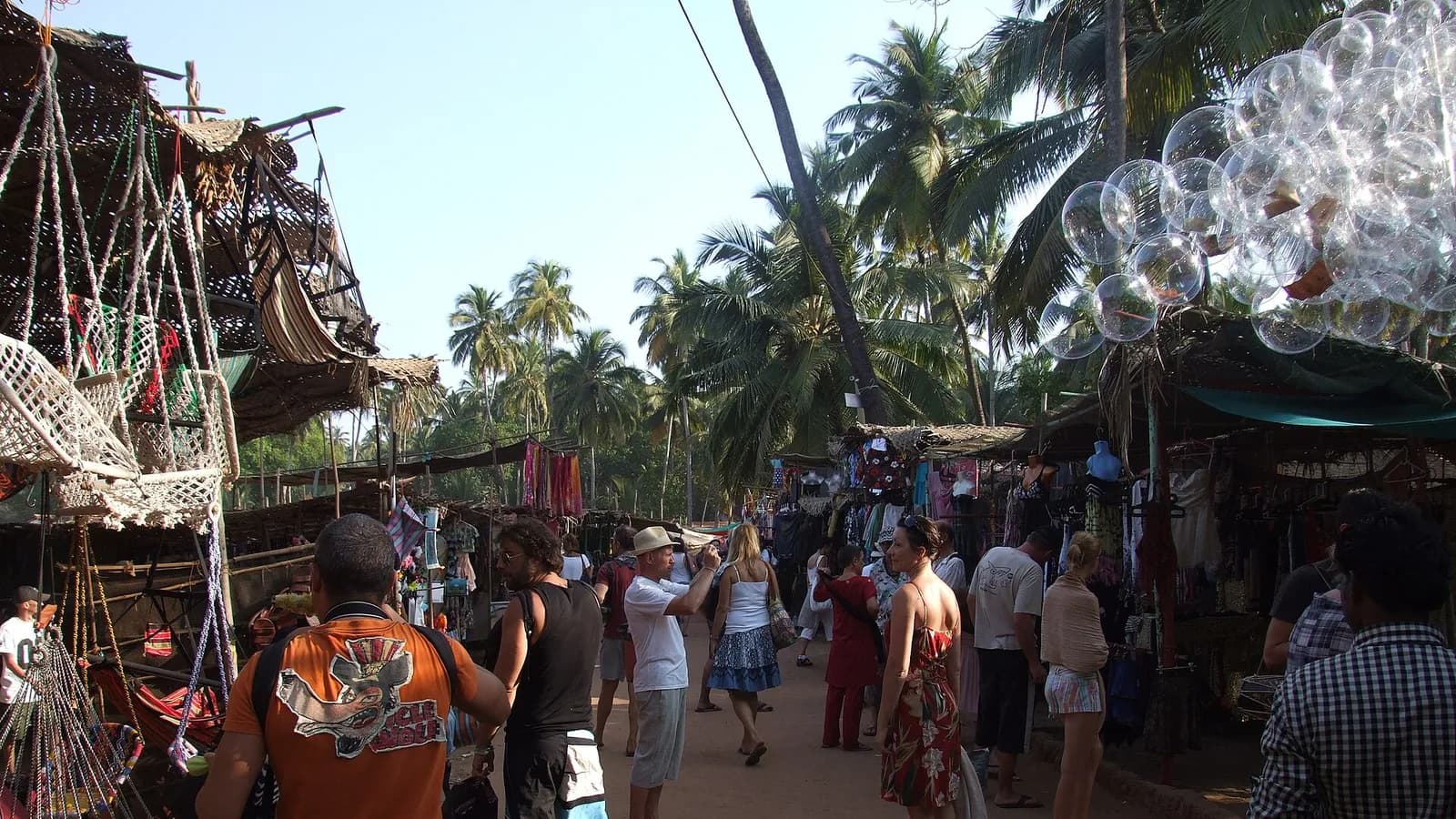
The Nepal hippie trail was the far eastern end of one of the twentieth century's great travel phenomena: an overland road that carried tens of thousands of young Westerners from Europe across Asia, often finishing in Kathmandu. The romantic shorthand for it all is a single short lane beside the old royal palace — Jhochhen Tole, better known as Freak Street. For roughly a decade and a half it was the place where the long bus-and-hitchhike journey simply ran out of road.
This guide explains what the hippie trail actually was, how Kathmandu became its symbolic terminus, why the whole thing faded in the late 1970s, and — most usefully for a traveller today — what is genuinely worth your time on Freak Street now. It is a history piece with a practical tail, written for visitors who want context for what they are looking at rather than a nostalgia trip.
Key takeaways
- The hippie trail was an overland route from Europe through the Middle East and South Asia, busiest from the mid-1960s to the late 1970s, with Kathmandu as a famous final stop.
- Freak Street is the nickname for Jhochhen Tole, a lane running south off Kathmandu Durbar Square in the old city.
- For a time, government-licensed shops there sold cannabis openly; Nepal cancelled the licences in 1973 and banned cannabis in 1976. It is illegal now.
- The trail ended for global reasons too: the 1979 Iranian Revolution and Soviet invasion of Afghanistan closed safe overland passage.
- Today Freak Street is quiet and low-key — cafes, bookshops and craft stores — and makes a calm contrast to busy Thamel.
- You cannot legally or safely retrace the full overland route today; Nepal is reached by air, and on-street drug offers should be ignored.
What the hippie trail actually was
The hippie trail was an informal overland journey, not an organised tour. From roughly the mid-1950s and peaking through the 1960s and 1970s, travellers — many but not all part of the hippie subculture — made their way east from Europe by bus, van, motorbike and thumb. The usual starting points were cities such as London, Amsterdam, Paris and Copenhagen.
The classic land route threaded through Turkey and Iran into Afghanistan, then through Pakistan and into India, with onward branches reaching Nepal, Sri Lanka and Southeast Asia. Towns like Istanbul, Tehran, Herat, Kabul, Peshawar and Lahore were waypoints; Goa, Bangkok and Kathmandu were among the celebrated destinations at the far end.
It was cheap, slow and improvised, sustained by word of mouth and by the early guidebooks that the scene helped inspire. Crucially, it depended on a string of countries being calm enough to cross — a condition that would not last.
Why Kathmandu became the end of the road
Kathmandu held an outsized place in the imagination of the era. It was remote, mountainous, visibly spiritual, and — for a window of years — somewhere cannabis was sold openly and legally. For many travellers it was the literal and emotional terminus, the point where the journey stopped. The valley's reputation as a kind of Himalayan Shangri-La did the rest.
That mythology still echoes in pop culture; among the better-known traces is the wistful song "Katmandu" recorded by Cat Stevens, who spent time in the city during the period. You do not need to take the legend at face value to see why the place stuck in so many memories.
Freak Street: the lane at the centre of it
Freak Street is not a district; it is a single modest street. Its real name is Jhochhen Tole, and it runs south from the edge of Kathmandu Durbar Square in the heart of the old city. The nickname came from the term "freaks", which Western counterculture travellers used for themselves and which locals applied to the conspicuous, long-haired crowd that gathered there.
In its heyday the street was lined with cheap lodges, traveller cafes and, for a time, the licensed shops that drew so much of the attention. It functioned as an information exchange and a place to rest, eat familiar food, and meet others doing the same long trip.
The cannabis chapter, briefly and factually
For part of the 1960s and early 1970s, hashish and cannabis were sold from government-licensed outlets on and around Freak Street. This was a genuine, documented draw for many visitors of the time.
It did not last. Under sustained international pressure, Nepal cancelled the cannabis shop, dealer and farming licences in 1973. The country then enacted the Narcotic Drugs (Control) Act in 1976, formally prohibiting the cultivation, sale, trafficking and consumption of cannabis. The practical point for travellers today is simple: cannabis is illegal in Nepal, street offers are best ignored, and drug-related offers are one of the standard nuisances flagged in any honest Nepal scam guide.
Why the trail faded
It is tempting to pin the end of the hippie trail on one cause, but it was really a stack of them arriving together.
| Factor | What changed | Rough timing | | --- | --- | --- | | Nepal cannabis policy | Licensed shops cancelled, then cannabis banned | 1973-1976 | | Domestic clean-up | Tightening around major state occasions in the mid-1970s | Mid-1970s | | Iranian Revolution | Overland passage through Iran disrupted | 1979 | | Afghanistan conflict | Soviet invasion closed safe transit | 1979 |
The regional ruptures of 1979 were decisive for the route as a whole. With Iran in upheaval and Afghanistan at war, the continuous overland corridor that made the journey possible effectively closed for ordinary Western travellers. Even as Kathmandu remained a destination, the road that defined the "trail" was gone. Tourism to Nepal did not stop, of course — it simply arrived by plane and increasingly came for trekking, which is the story told in our trekking in Nepal overview.
Where the travellers went: the rise of Thamel
As the original scene wound down and tourism matured into the trekking era, Kathmandu's centre of gravity shifted north to Thamel, which had more room to grow into hotels, agencies and gear shops. Freak Street quietened; Thamel became the loud, commercial hub it remains today. If you are weighing where to base yourself, our guide to the best area to stay in Kathmandu lays out the trade-offs.
Freak Street today: what to actually see
Set expectations correctly and Freak Street is a pleasant hour. It is small, calm and historically intact — a quiet counterpoint to the intensity a few minutes' walk away. You will find an unflashy mix of cafes and restaurants, a couple of second-hand bookshops, and small stores selling masks, carpets, pashmina and local clothes. There is no spectacle here; the appeal is atmosphere and history.
Among the survivors, the long-running Snowman Cafe is the street's most famous holdover from the early-1970s traveller days and is still a fixture for an apple pie and a coffee. It is the kind of place people return to precisely because so little around it has changed.
A simple half-day plan
Freak Street sits right beside the old city's grandest sight, so the obvious move is to combine them.
- Start at Kathmandu Durbar Square (Basantapur) and explore the palace complex and temples. See our Kathmandu Durbar Square guide for what is there.
- Turn south off the square and walk the short distance into Freak Street (Jhochhen Tole).
- Browse the bookshops and craft stores, then stop at a cafe.
- Continue exploring the surrounding old-city lanes on foot toward Indra Chowk or Asan if you have energy.
Practical notes for visiting
- Getting there: it is in the old city centre, easy to reach on foot from much of central Kathmandu, or a short taxi or ride-hail trip. Agree fares in advance — see our Kathmandu taxi fare notes.
- Durbar Square ticket: entering the Durbar Square area carries a separate foreigner entry fee; Freak Street itself is just a public street.
- Best time: mornings are calmest and best for photos in the old city.
- Respect the neighbourhood: this is a living residential and commercial lane, not a theme park. Dress modestly near temples and ask before photographing people, in line with general Nepal etiquette.
Should you go?
If your interest is history, faded countercultural mythology, or simply a quieter corner of old Kathmandu, Freak Street rewards a short visit — especially bolted onto Durbar Square. If you are mainly after shopping, nightlife and the full tourist machine, you will spend more of your time in Thamel and may find Freak Street underwhelming. Either way, knowing what happened on this small lane changes how you see the whole valley: Kathmandu was, for a strange and specific moment, the place where a generation's road finally ended.
Sources
- Hippie trail — Wikipedia
- Old Freak Street — Wikipedia
- Cannabis in Nepal — Wikipedia
- Hippie Trail nostalgia in Kathmandu — Nepali Times
- The Hippie Trail: an interactive history — CNN
- The Lost Hippie Trail: Retracing the Iconic Route from London to Kathmandu — Outlook Traveller
- Freak Street Kathmandu (Jhochhen Tole) — The Longest Way Home
Frequently asked questions
- What was the Nepal hippie trail?
- It was the eastern end of the overland 'hippie trail', an informal route that ran from Europe through Turkey, Iran, Afghanistan, Pakistan and India to South and Southeast Asia from roughly the mid-1950s to the late 1970s. Kathmandu was one of its best-known final stops, and travellers gathered on a lane now nicknamed Freak Street.
- Where is Freak Street in Kathmandu?
- Freak Street is the nickname for Jhochhen Tole, a short street running south off Kathmandu Durbar Square (Basantapur) in the old city. From the main palace plaza you simply turn south and walk a short distance to reach it.
- Why is it called Freak Street?
- Locals called the long-haired Western travellers who congregated there 'freaks', a self-applied counterculture label of the era rather than an insult, and the name stuck to the street. Its official Newari name remains Jhochhen Tole.
- Why did the Nepal hippie trail end?
- Several things converged. Nepal cancelled its licensed cannabis shops in 1973 and passed a narcotics control law in 1976 under international pressure, removing a major draw. The wider overland route was then cut off in 1979 by the Iranian Revolution and the Soviet invasion of Afghanistan, which closed safe passage through the region.
- Was cannabis really sold legally on Freak Street?
- Yes. For part of the 1960s and early 1970s, government-licensed shops on and around Freak Street openly sold hashish and cannabis. Nepal cancelled those licences in 1973 and formally prohibited cannabis under the Narcotic Drugs (Control) Act in 1976. It is illegal today and tourists should not buy it.
- Is Freak Street worth visiting today?
- If you enjoy history and a quieter atmosphere, yes. It is a calm, low-key lane of cafes, second-hand bookshops and small craft stores beside Durbar Square, with much less hustle than Thamel. Travellers chasing nightlife and shopping will still prefer Thamel.
- What is the difference between Freak Street and Thamel?
- Freak Street was the original 1960s-70s travellers' hub near Durbar Square and is now small and sleepy. Thamel, a maze of lanes further north, took over as Kathmandu's main tourist district in the later 1970s and is far busier, with most of the hotels, gear shops, agencies and bars.
- Can you still travel the old overland hippie trail to Nepal?
- Not as a continuous overland journey the way it existed in the 1970s. Sections through countries such as Afghanistan are not safely passable for most travellers today, and visa and security conditions have changed. People do still retrace parts of the route, but Nepal is now reached mainly by air.
Related posts
Freak Street Kathmandu: Hippie-Trail Guide (Jhochhen Tole)
A traveller's guide to Freak Street Kathmandu (Jhochhen Tole) - its 1960s-70s hippie-trail history, what to see today, and how to find it.
Read postGurkha Knife: The Story Behind Nepal's Kukri
The Gurkha knife (khukuri) explained — its origins, the cho notch, the Kami smiths who forge it, and why it became the emblem of the Gurkhas.
Read postThe 2001 Nepal Royal Massacre: A Factual Account
A respectful, well-documented account of the 2001 Nepal royal massacre at Narayanhiti Palace — what happened, the official inquiry, and the aftermath.
Read post