Moving to Nepal: Visas, Shipping & Setup Guide
A practical guide to moving to Nepal - visa options, shipping your belongings through customs, banking, housing and the setup steps to settle in.
Moving here is less about paperwork than patience - get the visa right, ship light, and let the rest fall into place once you arrive.
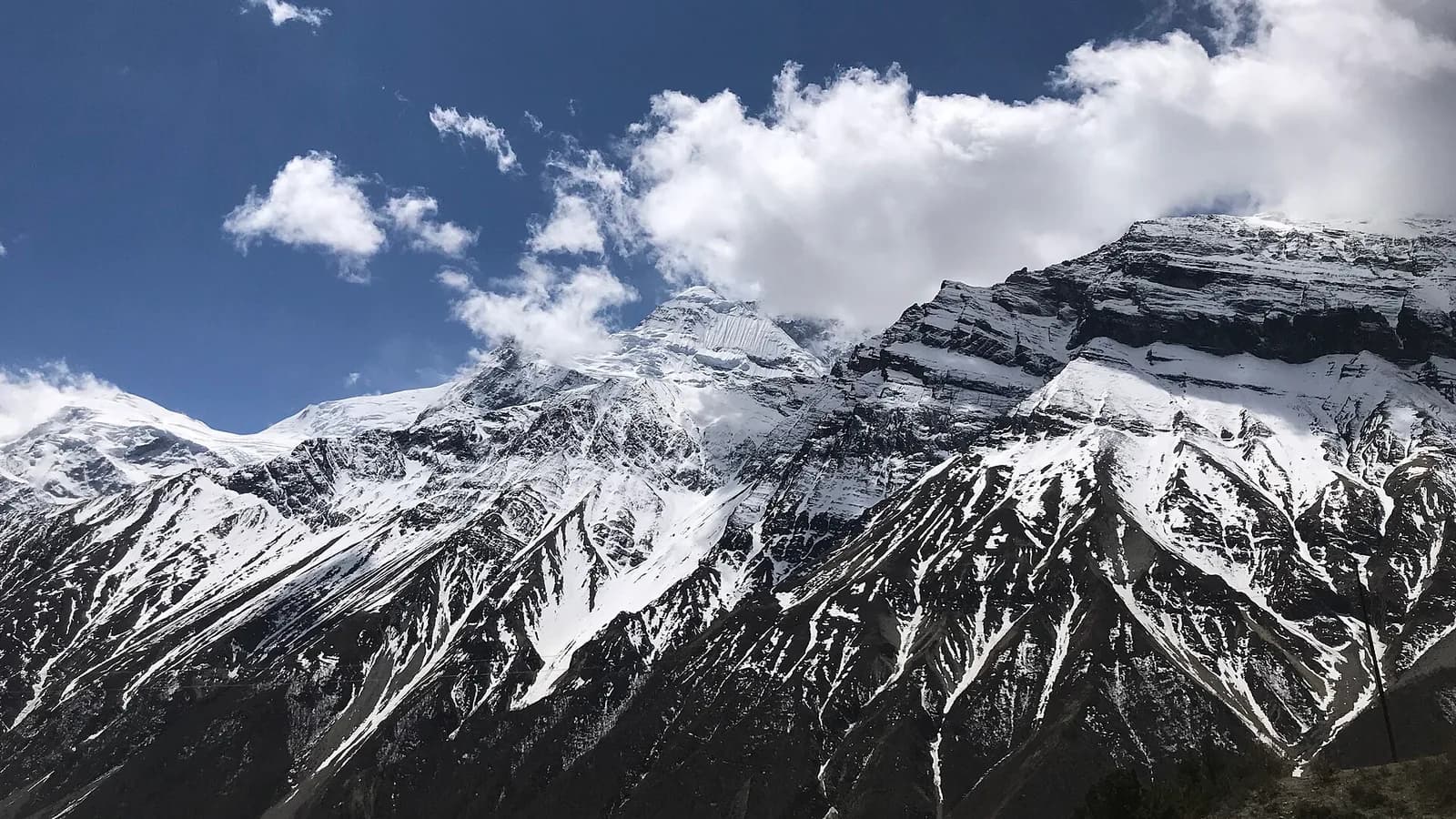
Moving to Nepal is more straightforward than the Himalayan setting might suggest, but it rewards planning. The visa system is workable once you know which category fits you, shipping belongings hinges on customs rules that favour travelling light, and the practical setup - banking, housing, a local SIM - falls into place quickly after you land. This guide walks through the relocation process step by step, from choosing the right visa to clearing customs and settling in, so you arrive knowing what to expect rather than improvising at the airport.
Key takeaways
- Almost everyone enters on a tourist visa first, then converts to a non-tourist, work, business, marriage or residential visa depending on circumstances.
- A residential visa is the long-stay route, open to investors (from 100,000 US dollars) and people of recognised standing, among others.
- Duty-free shipping of household goods is mostly reserved for diplomats and aid staff; other movers pay duty plus 13 percent VAT, so many ship light and buy locally.
- Allow roughly four to six weeks for customs permits and clearance, and travel with your essentials.
- Setting up a bank account, SIM card and rental is fast once you have the right visa in hand.
Step 1: Choose the right visa
Nepal does not have a single "relocation visa." Instead you pick the category that matches your reason for moving, and most people start on a tourist visa on arrival before switching once their situation is settled.
- Non-tourist / work visa - the standard route for those employed by a Nepal-registered organisation, NGO or company; it is tied to your employer and renewed periodically.
- Business visa - for foreign investors with a stake in a Nepali company; changing to or from this status requires recommendations from the Department of Industry and tax clearance.
- Marriage visa - issued to the foreign spouse of a Nepali citizen. It is granted for up to six months initially and then extendable for up to a year at a time, and your spouse must be present at each renewal.
- Residential visa - the long-term option, for people who intend to reside permanently. It covers those of international reputation, those making an extraordinary contribution to Nepali society, and foreigners who invest at least 100,000 US dollars in a Nepali industrial enterprise.
- Non-Resident Nepali (NRN) visa - for those of Nepali origin who hold foreign citizenship. Following 2025 reforms, NRNs can be granted a free multi-entry residential visa, with NRN status valid for an extended period.
Whatever the category, expect recurring visits to the Department of Immigration. Our guide to visa extensions explains the renewal mechanics, and the broader visa requirements overview is worth reading before you commit to a plan.
A note on doing it in order
Trying to arrange the perfect long-term visa from abroad is usually slower than arriving on a tourist visa and converting once you have a job offer, a registered business or a marriage certificate in hand. Give yourself a buffer of tourist-visa validity to handle the paperwork.
Step 2: Decide what to ship - and what to leave
Here the rules shape the decision. Duty-free import of used household goods and personal effects is generally limited to people with diplomatic status or those working for a registered aid organisation. If you qualify, typically one sea shipment and one air shipment are allowed duty free, and additional household effects may be brought in within six months of arrival with permission from the Ministry of Foreign Affairs.
Everyone else should assume they will pay duty. Customs is assessed on the CIF value (cost, insurance and freight), with the relevant duty rate applied and then 13 percent VAT added on top of the CIF-plus-duty total. On bulky furniture and appliances, that can quickly exceed the cost of simply buying the same items in Kathmandu.
Practical shipping advice
- Ship light. Bring what is irreplaceable - documents, a few personal items, specialist equipment - and plan to buy furniture, white goods and kitchenware locally.
- Mind the timeline. Allow around four to six weeks for permit processing and customs documentation, and travel with the essentials you cannot do without.
- Prepare your paperwork. Customs clearance commonly requires your passport, a detailed inventory, the bill of lading or air waybill, a packing list, and supporting letters such as proof of employment with an aid organisation.
- Know what is restricted. Narcotics, weapons and pornography are prohibited outright, while items like precious stones, wildlife products and agricultural seeds need special permits. Note that a khukuri can be tricky to fly with - the same care applies to anything blade-like in your shipment.
Step 3: Sort housing
You rarely need permanent housing locked in before arrival. Many newcomers book a short-term rental or guesthouse for the first few weeks, then find a long-term flat once they know which neighbourhood suits them. In Kathmandu, expats gravitate to the northern belt (Lazimpat, Baluwatar, Maharajgunj) or the calmer southern side around Patan, Sanepa and Jhamsikhel; Pokhara is the relaxed lakeside alternative.
One-bedroom flats in central Kathmandu commonly run around 200 to 500 US dollars a month, with deposits and several months' rent often expected up front. Our expat life in Nepal guide goes deeper on neighbourhoods and what daily living costs, and the best area to stay in Kathmandu breakdown helps you match a location to your needs.
Most rentals are found through word of mouth, local agents and community noticeboards rather than slick listing sites, so the first weeks on the ground double as your house-hunt. Many flats come unfurnished or only partly furnished, which is one more reason to buy furniture locally rather than ship it. Read leases carefully, clarify what the deposit covers, and confirm practicalities such as water supply, a backup inverter and parking before you commit - the things that quietly shape daily comfort once you move in.
Step 4: Money and banking
Bring some US dollars in cash for the early days and lean on ATMs in Nepal for rupees, remembering that machines cap withdrawals and charge per-transaction fees. Once you hold a valid non-tourist visa, you can generally open a local bank account - take your passport, visa and the documents your chosen bank specifies, as requirements differ between banks.
For everyday spending, Nepal remains largely a cash economy outside larger hotels and supermarkets, though digital wallets and card acceptance are growing in the cities. Understanding the Nepalese rupee and current exchange rates early will save you money on transfers.
Step 5: Connectivity and the small essentials
Getting connected is quick and cheap. Pick up a SIM card from Ncell or Nepal Telecom (NTC) on arrival - you will need your passport and a photo - or arrange an eSIM before you fly. Coverage and home wifi in Nepal are reliable in the cities, less so in remote areas. A power adapter for Nepal's plug types and an inverter or backup for occasional outages round out the basics.
Step 6: Families, schools and healthcare
If you are moving with children, Kathmandu has several established international schools - Lincoln School (North American curriculum), The British School in Sanepa, and the Kathmandu International Study Centre among them - drawing students from dozens of nationalities. They cluster on the southern side of the valley near the aid community.
On health, arrange international insurance with medical evacuation cover before you arrive; private hospitals in Kathmandu such as CIWEC, Norvic and Grande handle routine care well, but serious cases mean evacuation to Bangkok, Singapore or Delhi. Our expat life guide covers the healthcare picture in more depth. It is also worth checking which vaccinations for Nepal your doctor recommends before departure.
A pre-departure checklist
A little preparation before you fly removes most of the early stress. Before leaving home, it pays to:
- Scan and back up key documents - passport, visa paperwork, qualifications, marriage or birth certificates and medical records - to the cloud and to print.
- Bring some US dollars in cash for your first days, alongside a couple of cards that work internationally, since Nepal stays largely a cash economy outside the cities.
- Sort insurance with evacuation cover and carry the policy details and emergency numbers with you.
- Pack for the seasons - Kathmandu is cool in winter and warm in summer, and quality outdoor gear is cheap to buy locally anyway. Our note on what to pack for Nepal is a useful starting point even for non-trekkers.
- Decide your first-month base - a short-term rental or guesthouse - rather than committing to a long lease sight unseen.
With those boxes ticked, the on-the-ground steps - SIM, bank account, flat-hunting - tend to slot together within your first few weeks.
Settling in
The final, intangible step is mindset. Nepal runs on relationships and a slower clock, and the move goes most smoothly for people who arrive flexible, ship light and treat the first month as a settling-in period rather than a race to recreate home. Learning a little of the language accelerates everything - start free with our learn Nepali hub and phrasebook, and read up on Nepali etiquette so you arrive ready to connect.
Sources
- Marriage Visa - Department of Immigration, Nepal
- FAQ - Department of Immigration, Nepal
- Rights of Non-Resident Nepali (NRN) in Nepal - NRN Law
- Navigating Nepal Customs: A Guide for Household Goods Import - Orient Relocations
- Moving to Nepal: Customs Regulations - Rainier Overseas Movers
- Nepal - Import Tariffs - International Trade Administration
Frequently asked questions
- What visa do I need to move to Nepal?
- Most people arrive on a tourist visa, then switch to a non-tourist or work visa tied to an employer, a business visa, a marriage visa if married to a Nepali citizen, or a residential visa for long-term residents and investors.
- Can foreigners get permanent residency in Nepal?
- Nepal offers a residential visa rather than conventional permanent residency, available to long-term residents, people of international standing and those investing at least 100,000 US dollars in a Nepali enterprise.
- Can I ship my household goods to Nepal duty free?
- Duty-free import of used household goods is generally limited to diplomats and staff of registered aid organisations; other movers usually pay customs duty plus 13 percent VAT on the assessed value.
- How long does customs clearance take in Nepal?
- Movers typically advise allowing around four to six weeks for import permits and customs documentation, so it is wise to ship early and travel with essentials.
- Can a foreigner open a bank account in Nepal?
- Yes, foreigners with a valid non-tourist visa can usually open an account, though requirements vary by bank and you will need your passport, visa and supporting documents.
- Is it cheaper to buy furniture in Nepal than ship it?
- For most people yes - given shipping costs and customs duties, buying furniture and appliances locally is often cheaper and simpler than shipping bulky items from abroad.
Spotted an error in this post? Tell us or suggest a correction.
Related posts
ABC Trek: A Plain-English Guide to Annapurna Base Camp
The ABC trek (Annapurna Base Camp) explained — the route, how many days it takes, difficulty, the best seasons, and what daily trail life is really like.
Read postAma Dablam Climb: 2026 Expedition Guide (6,812m)
An Ama Dablam climb and expedition guide for 2026 — height, the Southwest Ridge route, camps, fixed ropes, difficulty, permits, cost and the best seasons.
Read postAnnapurna vs Manaslu: Which Trek Should You Choose?
An Annapurna vs Manaslu decision guide for trekkers — compare permits, crowds, difficulty, infrastructure and cost to pick the right Himalayan route.
Read postAsan Bazaar Kathmandu: Old Town Market Guide
A visitor guide to Asan bazaar, Kathmandu's oldest market — its six-road square, Annapurna Temple, what to buy, when to go, and how to get there.
Read postAyurveda Nepal: A Traveller's Guide to Healing
Ayurveda Nepal explained for tourists — the history, the doshas, treatments like Panchakarma and Shirodhara, where to go and how to choose a centre safely.
Read postBest Restaurants Pokhara Lakeside: Where to Eat
The best restaurants in Pokhara Lakeside — lakeside trout, wood-fired pizza, Tibetan momos and healthy cafes, with what to order and rough 2026 prices.
Read post