Nepal ATMs in 2026 — Withdrawal Limits, Fees, and Which Cards Work
Per-transaction limits, per-day limits, foreign card fees, and where to find ATMs that actually work — in Kathmandu, Pokhara, and on the trail.
Withdraw twice the cash you think you need, in the first city you reach. Above 3,000m, ATMs become legend.
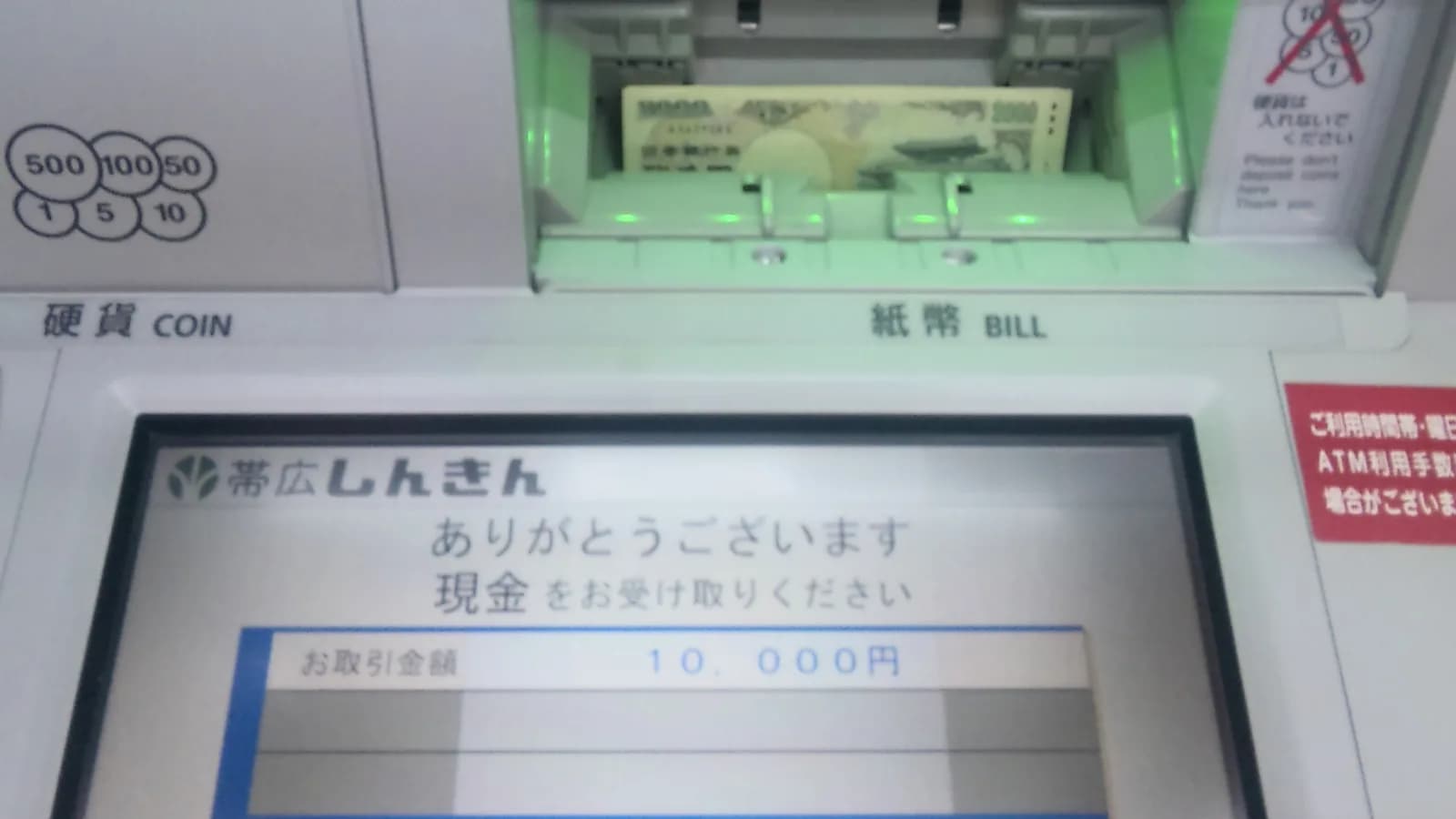
Nepal's ATM network is reliable in Kathmandu and Pokhara, patchy in smaller cities, and effectively absent on most trekking trails above Namche or above the lower Annapurna sections. Withdrawal limits are tight by international standards, foreign card fees are universal, and a few specific banks work better than others for international cards.
Here's the operational guide for 2026.
The withdrawal limit you'll actually hit
Most Nepali ATMs cap foreign-card withdrawals at:
- NPR 35,000 per transaction (~$255)
- NPR 100,000 per day (~$730) — though many cards/banks have their own lower daily limit
- NPR 500 fee per transaction (~$3.65) — charged by the Nepali bank, on top of any foreign-transaction fee from your home bank
This means: if you need NPR 100,000 cash for a long trek, you're paying NPR 1,500 in ATM fees (3 transactions) plus your home bank's foreign transaction fees. Plan for it.
The cap was lower (NPR 25,000) at most banks until 2024 — the NPR 35,000 limit is recent. Some smaller bank ATMs still impose the older NPR 25,000 limit.
Which Nepali banks' ATMs work best for foreign cards
In rough order of reliability for international cards:
- Standard Chartered Bank — works with virtually every foreign Visa/Mastercard, NPR 35,000 limit, the most reliable
- Himalayan Bank — also broadly compatible, NPR 35,000 limit
- Nabil Bank — usually works, occasional issues with specific cards
- Nepal Investment Mega Bank — works with most cards
- Everest Bank — partner of India's Punjab National Bank, works for most international cards
- Other smaller banks — variable; some refuse foreign cards entirely
Standard Chartered branches in Kathmandu (Thamel, Durbar Marg, Jhamsikhel) and Pokhara (Lakeside) are the most reliable single source for international card withdrawals.
Where to find ATMs
Kathmandu: dozens in Thamel alone. Most Thamel ATMs are inside a small bank office with a security guard at the door. The bank office hours are 10:00–17:00 but the ATM itself is accessible 24/7.
Pokhara: Lakeside has several. Standard Chartered has a branch near the main intersection.
Other cities (Lumbini, Chitwan/Sauraha, Bhaktapur): usually 1-3 ATMs, sometimes out of cash, sometimes broken. Don't rely on them.
Trekking trails:
- EBC: Lukla and Namche Bazaar both have working ATMs (Standard Chartered or Himalayan Bank). Above Namche, no ATMs at all.
- Annapurna Circuit: ATMs in Besisahar (start) and Jomsom (end). On the trek itself: none reliable.
- Annapurna Base Camp: nothing on the trail; cash up in Pokhara before starting.
- Langtang: Syabrubesi has an ATM that works sporadically. Nothing on the valley trail.
Always assume the trekking-region ATMs might be broken. Withdraw in Kathmandu or Pokhara before flying out to the trek.
How much cash to bring
For typical trips:
| Trip type | Cash to withdraw at start | |---|---| | 1 week Kathmandu + Pokhara only | NPR 30,000 (~$220) | | 10-day cultural tour | NPR 50,000 (~$365) | | 12-day EBC trek | NPR 50–60,000 (~$365–440) on top of permit cash | | 18-day Annapurna Circuit | NPR 60–70,000 (~$440–510) | | 14-day Manaslu Circuit (group) | NPR 50,000 plus agency-handled costs | | Upper Mustang trek | Most paid by agency in USD; carry NPR 25,000 for daily extras |
Add 20% buffer. Cash in hand never gets used up because you're forced to spend it; cash insufficient means a long walk down to find an ATM.
Cards that work in Nepal
Visa and Mastercard: universal at ATMs and most upscale hotels. International debit and credit cards both work.
American Express: works at very few ATMs (some Standard Chartered branches, occasionally Himalayan Bank). Not widely accepted at hotels either. Not the card to rely on.
Discover: doesn't work at most Nepal ATMs.
Chinese UnionPay: works at Standard Chartered and some banks specifically catering to Chinese tourists.
Apple Pay / Google Pay: not widely deployed in Nepal. Don't plan on it.
For accepting cards (hotels, restaurants, agencies): most upscale Thamel hotels and bigger restaurants accept Visa/MC with a 2-4% surcharge added to the bill. Smaller restaurants, lodges, and shops are cash-only.
Foreign transaction fees from your home bank
In addition to the NPR 500 ATM fee, your home bank typically charges:
- 1-3% foreign transaction fee on the withdrawn amount
- Foreign ATM fee ($3-5 per transaction)
- Currency conversion margin (often 1-2% built into the exchange rate)
Total cost of a single NPR 35,000 withdrawal can be 4-7% of the amount. On 3 withdrawals for a long trek, you're paying 4-7% on roughly $1,000 in cash = $40-70 in fees.
Cards that minimize this:
- Charles Schwab Investor Checking (US): refunds all ATM fees worldwide, no foreign transaction fee. Industry standard for international travelers.
- Wise debit card (multi-country): real exchange rate, low fees, works at most Nepal ATMs.
- Revolut (UK/EU): similar to Wise, good Nepal rates.
If you travel internationally regularly, a fee-free travel card pays for itself on a single Nepal trip.
Money exchange vs ATM
ATM is typically better for getting NPR from your home currency. The mid-market exchange rate plus 4-7% fees usually beats the rates at money changers, which often add a 3-5% spread on top of the displayed rate.
The exception: if you've brought USD cash from home and want to exchange it, money changers in Thamel offer competitive rates (close to mid-market). See the money exchange guide for which changers to use and which to avoid.
What to do if your card gets eaten
ATMs in Nepal occasionally retain cards (technical issues, suspected fraud, expired card). The protocol:
- Note the bank name and ATM location — you'll need it.
- Wait until the bank opens (10:00 weekdays).
- Go in with passport and explain. They'll usually retrieve the card within 24-48 hours.
- In the meantime, use a backup card. Always bring two cards from different networks (one Visa, one Mastercard) on different bank accounts.
Pre-trip checklist
- Two cards from different networks (Visa + Mastercard)
- Tell your home bank you're traveling to Nepal (else they may flag and freeze your card)
- Note your home bank's foreign-transaction fee
- Cash out 30k-60k NPR at a Standard Chartered ATM in Kathmandu before flying anywhere else
- Take photos of the front and back of both cards as backup
- Save your home bank's international fraud line in your phone
- The scam-defence phrases for short-changing incidents
ATM logistics are the most reliably annoying part of Nepal travel. Plan for it once, and the rest of the trip flows.
Spotted an error in this post? Tell us or suggest a correction.
Related posts
ABC Trek: A Plain-English Guide to Annapurna Base Camp
The ABC trek (Annapurna Base Camp) explained — the route, how many days it takes, difficulty, the best seasons, and what daily trail life is really like.
Read postAma Dablam Climb: 2026 Expedition Guide (6,812m)
An Ama Dablam climb and expedition guide for 2026 — height, the Southwest Ridge route, camps, fixed ropes, difficulty, permits, cost and the best seasons.
Read postAnnapurna vs Manaslu: Which Trek Should You Choose?
An Annapurna vs Manaslu decision guide for trekkers — compare permits, crowds, difficulty, infrastructure and cost to pick the right Himalayan route.
Read postAsan Bazaar Kathmandu: Old Town Market Guide
A visitor guide to Asan bazaar, Kathmandu's oldest market — its six-road square, Annapurna Temple, what to buy, when to go, and how to get there.
Read postAyurveda Nepal: A Traveller's Guide to Healing
Ayurveda Nepal explained for tourists — the history, the doshas, treatments like Panchakarma and Shirodhara, where to go and how to choose a centre safely.
Read postBest Restaurants Pokhara Lakeside: Where to Eat
The best restaurants in Pokhara Lakeside — lakeside trout, wood-fired pizza, Tibetan momos and healthy cafes, with what to order and rough 2026 prices.
Read post