Can I Use Credit Cards in Nepal? A Tourist's Guide
Can I use credit cards in Nepal? Where Visa and Mastercard work, the 3-4% surcharge, ATM fees, and why you still need cash on the trail.
Cards open doors in the cities. Cash keeps you moving everywhere else.
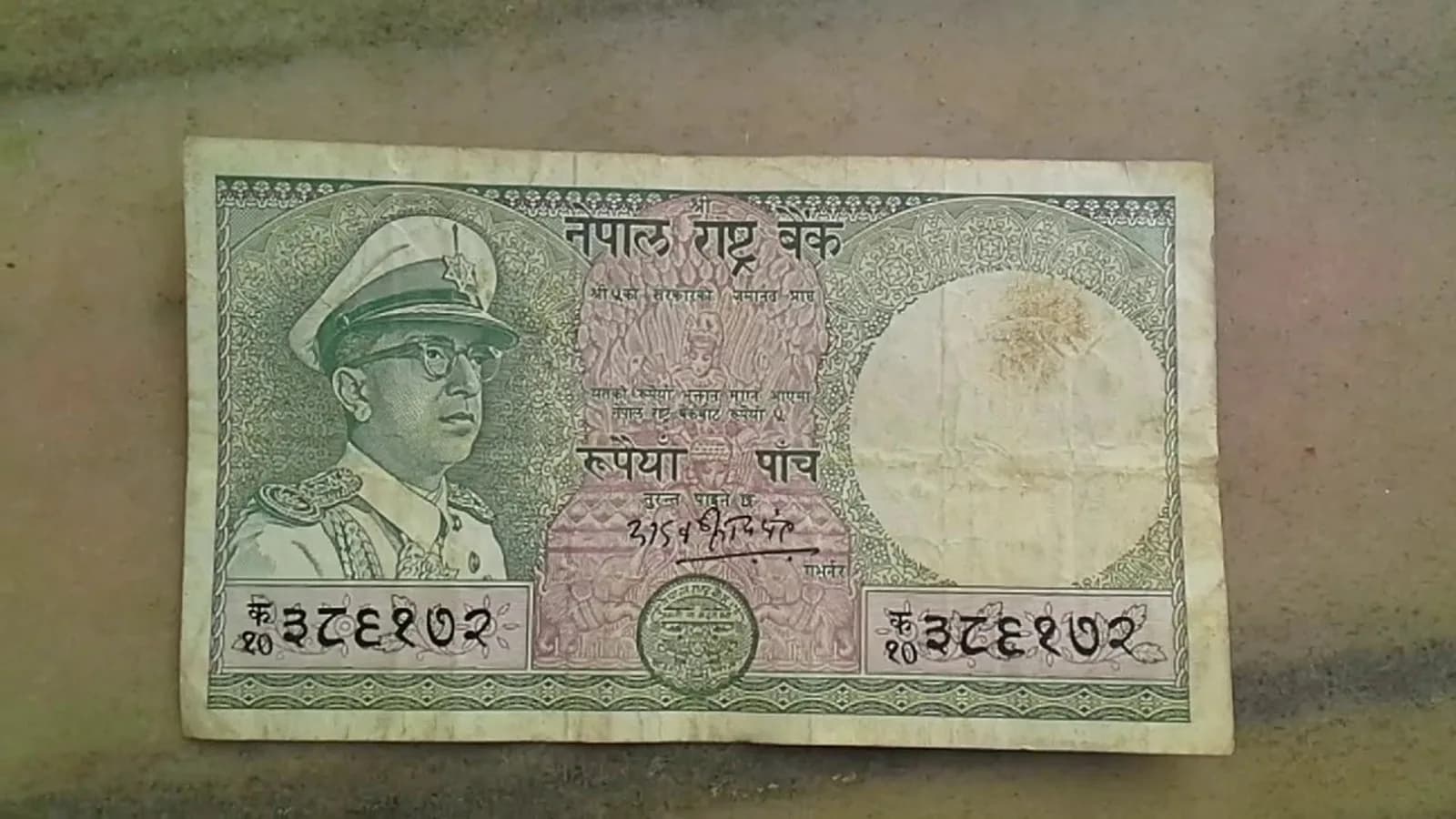
"Can I use credit cards in Nepal?" is one of the most common money questions tourists ask before a trip, and the honest answer is yes, but only some of the time, and never on its own. Cards work smoothly in the parts of Kathmandu and Pokhara built for tourists, yet Nepal remains a largely cash economy the moment you step outside those zones. This guide explains exactly where your Visa or Mastercard will be accepted, the surcharges and fees to expect, how to dodge the bad exchange rate trap, and why every visitor still needs a pocket of Nepalese rupees.
Key takeaways
- Visa and Mastercard are accepted at most mid-range and upscale hotels, tourist restaurants, larger shops and reputable trekking agencies in the cities; American Express is rarely taken.
- Many merchants add a surcharge of about 3-4% (as of June 2026) to card payments and pass it straight to you, so always ask first.
- Always choose to be charged in Nepalese rupees (NPR), never your home currency, to avoid a poor dynamic-currency-conversion rate.
- Your home bank usually adds a foreign transaction fee of around 1-3% (as of June 2026) on top, unless you carry a no-FX-fee or travel card.
- Cards stop working on the trail and in rural areas — withdraw or exchange enough cash before you trek.
- Carry two cards from different networks plus cash, and set a travel notice with your bank before you arrive.
Where credit cards actually work in Nepal
Card acceptance in Nepal follows the tourist trail closely. In practice, you can expect to pay by Visa or Mastercard at:
- Mid-range and upscale hotels (roughly three-star and above), especially in Thamel, Durbar Marg, Lakeside Pokhara and around the main tourist districts.
- Tourist-facing restaurants and cafes in Kathmandu and Pokhara, particularly the larger or more established ones.
- Bigger shops and showrooms selling pashmina, gear, jewellery, art and souvenirs.
- Reputable trekking and tour agencies, which often let you settle a package by card (frequently with the surcharge added).
- Airline offices and some travel desks for domestic flights and tours.
For a sense of where these clusters sit, see our guides to Thamel, Kathmandu and Lakeside Pokhara — these are the two areas where a card is most useful.
Where cards are not accepted
The list of cash-only situations is longer, and it covers most of daily life in Nepal:
- Taxis and local buses, including the prepaid airport taxi.
- Small guesthouses, homestays and budget hotels.
- Street food, tea stalls, momo shops and small local eateries.
- Markets, kirana (corner) shops and souvenir stalls that bargain.
- Tea houses, lodges, porters and village shops on every trek.
- Most of Nepal outside Kathmandu and Pokhara, including smaller towns and rural areas.
The simple rule: the smaller, cheaper or more rural a place is, the more likely it is to want Nepalese rupees in cash. Card acceptance is a city-and-tourism convenience, not a country-wide given.
Which cards are accepted: Visa, Mastercard and Amex
Not all networks are equal in Nepal.
| Card network | Acceptance in Nepal | Notes | | --- | --- | --- | | Visa | Widest | Works at most card-taking merchants and ATMs; bring one if you bring only one card. | | Mastercard | Widely accepted | Almost as common as Visa at terminals and ATMs. | | American Express | Limited | Taken at some large hotels and airline offices; far fewer everyday merchants and ATMs. | | Maestro / others | Patchy | Accepted only at select banks and machines; do not rely on it. |
The practical takeaway is to carry one Visa and one Mastercard if you can. If one card is blocked, demagnetised or lost, you still have a working backup on a different network. Treat an Amex as a bonus card, not your primary one.
This applies to both credit and debit cards — the network logo on the front (Visa or Mastercard) matters more for acceptance than whether it is technically a credit or debit product.
The surcharge: why card payments cost extra
Here is the detail that surprises many first-time visitors. In much of the West, the shop quietly absorbs the card-processing fee. In Nepal, it is standard practice for the merchant to add that fee to your bill.
Across recent 2024-2026 traveller guides, the typical credit card surcharge sits at about 3-4% of the transaction (as of June 2026), charged at hotels, restaurants and trekking agencies. On a USD 600 trekking package, a 3.5% surcharge is roughly USD 21 extra; on a multi-night hotel bill it adds up quickly.
A few habits keep this under control:
- Ask before you pay. A simple "Do you charge a card fee?" at reception or the till tells you the cost up front.
- Pay larger, pre-booked items by card (where the convenience or a paper trail is worth it) and small daily spending in cash.
- Use cash to avoid the surcharge entirely when the rate is the same either way. Many small purchases are cheaper paid in rupees.
The surcharge is separate from your bank's own fees, which we cover next. For how rupee cash itself works, our Nepal currency guide breaks down notes, rough USD values and Indian-rupee rules.
Fees stacking up: surcharge, FX fee and DCC
Three different charges can hit a single card payment in Nepal. Knowing them helps you minimise the total.
1. The local merchant surcharge
The roughly 3-4% added by the Nepali merchant, described above. You can avoid it by paying cash.
2. Your home bank's foreign transaction fee
Many cards add a foreign transaction fee of about 1-3% (as of June 2026) on any overseas spending. This is set by your issuer, not by Nepal. A travel card or a card advertised with no foreign transaction fees removes this layer — worth arranging before you fly.
3. Dynamic currency conversion (the avoidable trap)
When you pay, the terminal may ask whether to charge you in Nepalese rupees or in your home currency. Choosing your home currency triggers dynamic currency conversion (DCC), where the local provider sets the exchange rate — and that rate is consistently poor, sometimes far worse than your card network's.
Always choose to be charged in Nepalese rupees (NPR). Your own card network then handles the conversion at a rate that is usually close to the interbank figure. This single choice can save several percent on every card payment, and the same rule applies at ATMs.
Put together: pay in NPR, prefer a no-FX-fee card, and reserve card payments for situations where the surcharge is worth the convenience.
Using ATMs and cards for cash in Nepal
Because so much of Nepal is cash-only, most travellers spend more time at ATMs than at card terminals.
- Use a debit card, not a credit card, for withdrawals. A credit card cash advance typically starts charging interest immediately with no grace period, plus a cash-advance fee.
- Choose NPR at the ATM screen for the same DCC reason as above.
- Expect a local Nepali bank fee per withdrawal on top of your home bank's charges — commonly cited around NPR 500 or more (as of June 2026) at many machines.
- Withdrawal limits are tight by international standards, so you may need several withdrawals to gather enough cash for a long trek, each carrying its own fee.
Standard Chartered and Himalayan Bank ATMs tend to be the most reliable for foreign cards in the cities. For the full picture on limits, fees and which machines work best, see our dedicated Nepal ATM withdrawal guide. To compare changing cash instead, our piece on money exchange: airport vs Thamel shows where the rates are best.
Contactless, QR and digital payments
Nepal has a thriving domestic digital-payment scene. QR systems — Fonepay being the dominant one, used by well over a million merchants — let locals pay for almost anything by scanning a code. It is genuinely everywhere among Nepalis.
For short-stay foreign tourists, though, the picture is different:
- Local QR wallets are tied to Nepali bank accounts, so a visiting tourist generally cannot sign up and use them on a normal trip.
- Indian travellers can increasingly scan and pay using UPI through Fonepay in some tourist areas, a cross-border feature rolled out recently.
- Tap-to-pay (contactless) on a foreign Visa or Mastercard works only at a small number of high-end city venues. Outside those, do not assume your phone or contactless card will be accepted.
So while you will see a lot of digital payment happening around you, the reliable options for a foreign visitor remain a chip-and-PIN card at the right venues, plus cash everywhere else.
On the trail: why cash still wins
Trekking is where the "card alone" plan falls apart completely. Above the road heads — beyond Namche Bazaar on the Everest side, or past the lower sections of the Annapurna trails — working ATMs and card machines effectively vanish.
In the mountains you will be paying tea houses, lodge owners, porters, guides and tiny shops, and they deal in cash only. Prices also rise with altitude as everything is carried up by porter or mule, so daily costs are higher than in the city.
The fix is straightforward: withdraw or exchange all the rupees you expect to need before you start walking, with a sensible buffer for extra nights, charging fees, hot showers, snacks and tips. Our guide on tipping guides and porters in Nepal helps you budget that cash, and the trip cost guide gives realistic daily figures. You can sanity-check conversions with our free currency calculator and rough tip amounts with the tipping tool before you leave a signal zone.
A simple plan for cards and cash in Nepal
Putting it all together, here is a low-stress setup that works for almost every visitor:
- Bring two cards from different networks (ideally one Visa, one Mastercard), kept in separate places, and choose ones with low or no foreign transaction fees if you can.
- Set a travel notice with your bank or in its app before arrival, and save the bank's overseas helpline number offline.
- Carry some clean foreign cash (USD or EUR) as an emergency backup to exchange.
- Use a debit card at reliable city ATMs, always choosing NPR, to stock up on rupees.
- Use a credit card for larger pre-booked items — hotels, packages — after asking about the surcharge, and pay smaller things in cash.
- Front-load your cash before any trek so you never depend on a card or ATM in the mountains.
- Always pick Nepalese rupees on every card machine and ATM screen.
Do this, and the answer to "can I use credit cards in Nepal?" becomes a confident "yes, where it helps — and I am covered everywhere it does not."
Sources
- Best Heritage Tour — Credit Card Payment in Nepal: A Complete Traveler's Guide
- Best Heritage Tour — Can I Use My Credit Card in Nepal? Complete Travel Payment Guide
- Finder (UK) — Using a credit card in Nepal
- Pride Nepal Travel & Tours — Nepal Cash vs Card 2026 Payment Guide
- The Longest Way Home — Dealing with money in Nepal: cash, ATM, credit card and changers
- Fonepay — Rise of Tap and Pay in Nepal
- Fonepay — UPI in Nepal: Seamless Cross-Border Payments
- Kathmandu Post — Nepalis can scan and pay in India beginning next year
Frequently asked questions
- Can I use credit cards in Nepal as a tourist?
- Yes, but only in certain places. Visa and Mastercard work at most mid-range and upscale hotels, tourist restaurants, larger shops and reputable trekking agencies in Kathmandu and Pokhara. Taxis, small guesthouses, market stalls and tea houses on the trail are cash only, so a card alone is never enough in Nepal.
- Are Visa and Mastercard accepted in Nepal?
- Visa and Mastercard are the two networks accepted most widely in Nepal, for both credit and debit cards. American Express is taken at far fewer places, mainly some big hotels and airline offices. If you only carry one network, make it Visa or Mastercard, and ideally bring one of each as a backup.
- Is there a surcharge for paying by card in Nepal?
- Usually yes. Many Nepali merchants add a surcharge of roughly 3 to 4 percent to credit card payments to cover the fee their bank charges them (as of June 2026). Unlike in many Western countries, this cost is passed to you, so always ask about the surcharge before you tap or swipe, and pay in cash if you want to avoid it.
- Should I pay in Nepalese rupees or my home currency on the card machine?
- Always choose Nepalese rupees (NPR). If the terminal offers to charge you in your home currency, that is dynamic currency conversion and it uses a poor exchange rate set by the local provider. Picking NPR lets your own card network convert at a fairer rate that is usually much closer to the interbank figure.
- What fees will my card charge for spending in Nepal?
- On top of any local surcharge, your home bank typically adds a foreign transaction fee of around 1 to 3 percent on overseas card spending (as of June 2026). A travel card or a card with no foreign transaction fee avoids this. Credit card cash advances at ATMs also start charging interest immediately, so use a debit card for withdrawals.
- Can I rely on my card on a trek in Nepal?
- No. Once you leave Kathmandu, Pokhara and the main road towns, card machines and working ATMs largely disappear, especially above places like Namche Bazaar or the higher Annapurna trail. Tea houses, porters and village shops want cash, so withdraw or exchange all the rupees you expect to need before you start walking.
- Do shops in Nepal accept contactless or QR payments from tourists?
- Locals pay everywhere with QR systems such as Fonepay, but these are linked to Nepali bank accounts and are not generally usable by short-stay foreign tourists. Indian visitors can increasingly scan and pay using UPI in some tourist areas. Tap-to-pay on a foreign card works only at a handful of high-end city venues, so do not count on it.
- Should I tell my bank before using my card in Nepal?
- Yes. Set a travel notice with your bank or card app so a payment from Nepal is not flagged as fraud and blocked. Check your daily limits, carry the bank's overseas phone number, and bring a second card from a different network kept separately, so one frozen or lost card does not leave you stranded.
Spotted an error in this post? Tell us or suggest a correction.
Related posts
ABC Trek: A Plain-English Guide to Annapurna Base Camp
The ABC trek (Annapurna Base Camp) explained — the route, how many days it takes, difficulty, the best seasons, and what daily trail life is really like.
Read postAma Dablam Climb: 2026 Expedition Guide (6,812m)
An Ama Dablam climb and expedition guide for 2026 — height, the Southwest Ridge route, camps, fixed ropes, difficulty, permits, cost and the best seasons.
Read postAnnapurna vs Manaslu: Which Trek Should You Choose?
An Annapurna vs Manaslu decision guide for trekkers — compare permits, crowds, difficulty, infrastructure and cost to pick the right Himalayan route.
Read postAsan Bazaar Kathmandu: Old Town Market Guide
A visitor guide to Asan bazaar, Kathmandu's oldest market — its six-road square, Annapurna Temple, what to buy, when to go, and how to get there.
Read postAyurveda Nepal: A Traveller's Guide to Healing
Ayurveda Nepal explained for tourists — the history, the doshas, treatments like Panchakarma and Shirodhara, where to go and how to choose a centre safely.
Read postBest Restaurants Pokhara Lakeside: Where to Eat
The best restaurants in Pokhara Lakeside — lakeside trout, wood-fired pizza, Tibetan momos and healthy cafes, with what to order and rough 2026 prices.
Read post