Manaslu Trek: A Practical Planning Companion
A practical Manaslu trek companion — getting there, the Tsum Valley extension, wildlife, day-by-day feel and how to decide if it suits you.
Wild, Tibetan and gloriously quiet — the long way around an 8,000-metre giant.
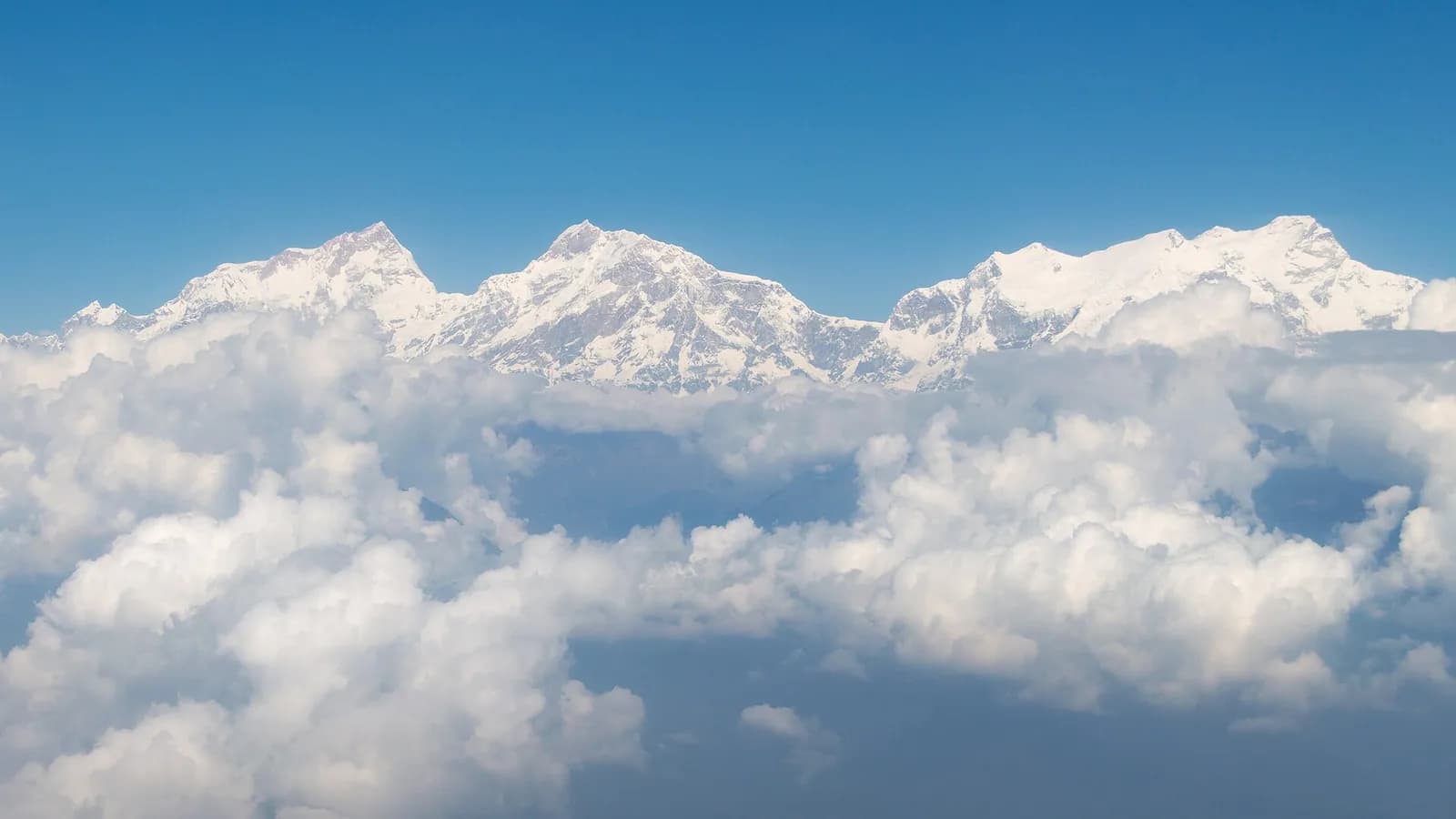
The Manaslu trek is Nepal's classic "next step" circuit — a remote, high-pass loop around Mount Manaslu (8,163m), the world's eighth-highest mountain, in the Gorkha district north-west of Kathmandu. When trekkers say "the Manaslu trek," they almost always mean the Manaslu Circuit, and we already have a full stage-by-stage route guide for that. This article is a deliberately practical companion: how you actually get there, whether to bolt on the Tsum Valley, what wildlife and culture you pass through, and how to decide if this trek is the right one for you right now.
For the detailed itinerary, the Larkya La crossing and the permit breakdown, see our main Manaslu Circuit trek guide. Here we focus on the decisions and logistics around it.
Key takeaways
- The "Manaslu trek" almost always means the Manaslu Circuit, a roughly 12 to 16 day loop around an 8,000m peak.
- Getting to the trailhead means an 8 to 10 hour jeep ride from Kathmandu to Machha Khola, where the road now ends.
- The Tsum Valley is a worthwhile but separate add-on that turns the trek into an 18 to 22 day trip and needs its own permit.
- It is a restricted area: a licensed guide via a registered agency is mandatory, even with 2026's individual-permit change.
- The trail runs through the Manaslu Conservation Area, home to snow leopard, tahr and 110-plus bird species.
- Carry enough cash in Nepali rupees — there are no ATMs, and connectivity is sparse the higher you climb.
Manaslu trek vs Manaslu Circuit: clearing up the name
There is no separate, easier "Manaslu trek" hiding behind the Circuit. The two terms are used interchangeably for the same loop, which climbs the Budhi Gandaki river valley, crosses the Larkya La pass (about 5,106m), and drops down to Dharapani on the Annapurna Circuit trail. A few operators sell shorter "Manaslu region" samplers that turn around before the pass, but these are the exception; the standard trip is the full circuit.
If you are weighing it against Nepal's other big loop, our Annapurna vs Manaslu comparison and the Manaslu Circuit vs Annapurna difficulty breakdown both dig into the trade-offs. The short version: Manaslu is quieter, wilder and more strongly Tibetan, but tougher underfoot and a little pricier.
Getting to the trailhead
Half the planning effort for Manaslu is just reaching the start, because it begins with a long overland drive rather than a flight.
The drive from Kathmandu
The journey runs along the Prithvi Highway through Naubise and Malekhu to Dhading Besi, then onto rougher roads through Arughat and finally to the road head at Machha Khola. Expect roughly 8 to 10 hours by private jeep, longer by public bus. The first stretch is sealed highway; the last few hours from Arughat are bumpy, dusty and slow.
Where the road now ends
Road construction has pushed the drivable track all the way to Machha Khola (and in good conditions a little beyond). That has shortened the trek compared with older itineraries that started walking at Soti Khola, since the Soti Khola to Machha Khola section is now mostly a jeep road. It is worth confirming the current road head with your agency when you book, as conditions shift with the seasons and monsoon damage.
| Option | Approx. time from Kathmandu | Comfort | Notes | | --- | --- | --- | --- | | Private jeep | 8–10 hours | Most comfortable | Door to door, flexible stops | | Shared jeep | 9–11 hours | Moderate | Cheaper, departs when full | | Local bus | 10+ hours | Basic | Cheapest, slowest, crowded |
For the wider picture of moving around the country, see our overview of domestic flights and overland transport in Nepal.
The Tsum Valley extension
One of the best decisions you can make on this trek is whether to add the Tsum Valley, a hidden side valley that branches north off the main trail near Lokpa.
What it adds
Tsum is one of Nepal's most intact Tibetan Buddhist enclaves, with ancient monasteries such as Mu Gompa and Rachen Gompa, sacred caves linked to Milarepa, and a strong tradition of non-violence toward wildlife. It sees a fraction of the foot traffic of the main circuit. Adding it typically turns the trip into a roughly 18 to 22 day itinerary, depending on how many acclimatisation and exploration days you keep.
What it costs in time and permits
Tsum Valley has its own restricted-area permit, separate from the Manaslu Restricted Area Permit, and the same rule applies — a registered guide and the usual restricted-area framework. Because exact permit fees vary by season and have shifted between recent years, we keep the current numbers in one place: see our Manaslu trek permit cost guide for the up-to-date breakdown. As a rule of thumb, budget extra for the additional permit and the extra days of guide, food and lodging.
If you have the holiday days, Tsum is the single most rewarding upgrade on the route; if you are tight on time, the standard circuit already delivers the headline experience.
Wildlife and the conservation area
The entire trek sits inside the Manaslu Conservation Area, established in 1998 and managed by Nepal's National Trust for Nature Conservation (NTNC). It covers about 1,663 km² of the Mansiri Himal, ranging from around 1,400m in the valleys to the 8,163m summit of Manaslu itself.
What lives here
This is genuine snow-leopard country — the area forms part of Nepal's core snow-leopard landscape, monitored with camera traps and collaring by NTNC and partners. You are very unlikely to see one, but you share the trail with them. More visible residents include:
- Himalayan tahr and musk deer on the steep slopes.
- Over 110 bird species, from lammergeiers to colourful pheasants.
- A rich flora of rhododendron, juniper and alpine plants higher up.
Your conservation-area permit fee feeds directly into protecting this wildlife and supporting local communities, which is part of why the restricted-area system exists. If wildlife is a major draw for your Nepal trip, our Nepal national parks overview rounds up the other big options.
A realistic day-by-day feel
Numbers on a map do not convey what the days are actually like. Here is the rhythm most trekkers settle into:
- Lower valley (first few days): subtropical river gorge, hot and humid, with waterfalls, suspension bridges and terraced farms. Trail underfoot is rough and, in places, exposed to rockfall.
- Middle section: the valley opens, the air cools, and you cross into Tibetan Buddhist villages with monasteries, prayer wheels and your first close views of Manaslu.
- High country (Sama Gaun, Samdo): big mountain scenery, an essential acclimatisation day at Sama Gaun (about 3,520m), and short side hikes to Manaslu Base Camp or Birendra Lake.
- The pass day: a pre-dawn start from Dharamsala for the 8 to 10 hour crossing of Larkya La, the physical and emotional crux of the trek, then a long descent to Bimthang.
- Descent and exit: forest and farmland down to Dharapani on the Annapurna Circuit trail, then the drive back toward Kathmandu.
Plan on 5 to 7 hours of walking on a typical day, with the pass day the clear exception.
How hard is it, really?
Independent difficulty assessments consistently rate the Manaslu Circuit moderate-to-hard, often around 7 or 8 out of 10. The challenge is not technical — there is no climbing — but it stacks up from several directions:
- Altitude: multiple days above 4,000m and a 5,106m pass.
- Long pass day: 8 to 10 hours in cold, thin air with an early start.
- Rough terrain: the lower gorge is steep and uneven.
- Remoteness: facilities are basic and evacuation is slower than on busier trails.
The single biggest safety lever is acclimatisation discipline — keep the rest day at Sama Gaun, climb high and sleep low, and know the early signs of altitude sickness. Our altitude sickness trekking guide covers the warning signs and the golden rule of descending if symptoms worsen. Because of the isolation, insurance that explicitly covers high-altitude trekking and helicopter evacuation is essential; see our trekking insurance and helicopter evacuation guide for what to check before you book.
Best time to go
| Season | Conditions | Verdict | | --- | --- | --- | | Autumn (Oct–Nov) | Dry, stable, clear pass conditions | Best | | Spring (late Mar–May) | Rhododendrons, generally clear, warming | Excellent | | Winter (Dec–Feb) | Very cold, Larkya La often snowbound | Experienced only | | Monsoon (Jun–Sep) | Landslide risk in the lower gorge | Avoid |
Autumn is the prime window for the clearest, safest pass crossing, though early snowfall can still dust Larkya La. Spring is the strong second choice. For how the seasons play out across the country, see the best time to visit Nepal.
Practical money and connectivity notes
Two practicalities trip up first-timers on Manaslu:
- There are no ATMs anywhere on the route. Withdraw and carry enough Nepali rupees in cash in Kathmandu for the entire trek, plus a buffer for extras and tips.
- Connectivity is patchy and gets worse with altitude. Some lodges sell wifi and charging, but it is slow, costs extra and is unreliable high up. Treat the trek as a largely offline stretch and tell people at home in advance.
For budgeting the whole trip end to end, our Nepal travel budget guide is the place to start, and tipping trekking guides and porters covers the etiquette of looking after your crew.
Is the Manaslu trek right for you?
Choose Manaslu if you want a quiet, wild, strongly Tibetan high-pass circuit with an 8,000m peak in your face for days, and you can accept basic lodges, a long overland approach and a genuinely demanding pass. If you would rather have more infrastructure, more landscape variety and lower costs, the Annapurna Circuit is the friendlier loop. And if you are chasing the famous name above all, the Everest Base Camp trek is the busier, more iconic alternative.
For most people, the Manaslu trek lands best as the second or third big Himalayan trek — once you know you handle altitude and multi-day effort, it rewards you with some of Nepal's emptiest, most atmospheric high country. Start with the full Manaslu Circuit trek guide for the itinerary, then use this companion to nail the logistics.
Sources
- Manaslu Conservation Area — Wikipedia
- Tiger Encounter — Manaslu Conservation Area (Protected Areas of Nepal)
- NTNC Online e-permit — ACAP / MCAP
- Himalayan Recreation — How to Obtain Manaslu Circuit Trek Permits and Fees in 2026
- Bikat Adventures — Manaslu Circuit Trek 2026 Itinerary
- Outfitter Himalaya — Manaslu Tsum Valley Trek 22 Days Itinerary and Cost 2026
- Mosaic Adventure — Manaslu Circuit Trek Difficulty, Altitude, Training and Safety
- Best Heritage Tour — Manaslu Circuit Trek Permits, Cost & Solo Rules: The 2026 Guide
Frequently asked questions
- Is the Manaslu trek and the Manaslu Circuit the same thing?
- Mostly yes. When people say the Manaslu trek they almost always mean the Manaslu Circuit, the loop around Mount Manaslu that crosses the Larkya La pass. Our dedicated route guide covers that itinerary stage by stage; this article is a practical companion on logistics and decisions.
- How do you get to the start of the Manaslu trek?
- You drive from Kathmandu through Dhading Besi and Arughat to the road head at Machha Khola, which now takes roughly 8 to 10 hours by jeep on a mix of highway and rough mountain track. A private jeep is the most comfortable option and local buses are cheaper but slower.
- What is the Tsum Valley and is it worth adding?
- Tsum Valley is a remote, deeply Tibetan Buddhist side valley branching off the Manaslu trail near Lokpa. Adding it turns the trek into roughly a 18 to 22 day trip and rewards you with ancient monasteries like Mu Gompa and far fewer trekkers, but it needs its own restricted-area permit.
- Do I need a guide for the Manaslu trek?
- Yes. The whole region is a restricted area, so a licensed guide hired through a registered Nepali trekking agency is mandatory throughout. Under 2026 rules a single trekker can now obtain the permits, but fully independent walking without a guide is still not allowed.
- How fit do I need to be for the Manaslu trek?
- Reasonably fit and ideally with prior multi-day trekking behind you. Most days involve 5 to 7 hours of walking, the pass day is 8 to 10 hours, and you spend several days above 4,000m, so cardio training and a sensible acclimatisation plan matter more than raw speed.
- What wildlife might I see on the Manaslu trek?
- The trail runs through the Manaslu Conservation Area, home to snow leopard, Himalayan tahr, musk deer and well over 100 bird species. Snow leopards are elusive and rarely seen, but tahr and birdlife are common, and the conservation-area permit fee helps fund this protection.
- Are there ATMs or reliable wifi on the Manaslu trek?
- No. There are no ATMs on the route, so carry enough Nepali rupees in cash for the whole trek. Wifi, charging and hot showers exist in some lodges but cost extra, get pricier and patchier as you climb, so plan to be largely offline.
- Can you combine the Manaslu trek with the Annapurna Circuit?
- To an extent, yes. The Manaslu Circuit descends to Dharapani, which sits on the Annapurna Circuit trail, so some trekkers continue onto part of Annapurna from there. It adds days and more permit considerations, so most people treat them as separate trips.
Related posts
Manaslu Circuit Trek: Route, Permits & Larkya La Guide
A complete Manaslu Circuit trek guide — the route around the world's 8th-highest peak, Larkya La pass, 2026 restricted-area permits, costs and best season.
Read postManaslu Trek Permit Cost 2026: Fees & Rules
A clear 2026 breakdown of the Manaslu trek permit cost — RAP, MCAP, ACAP and local fees, the new solo rule, and how to budget per person.
Read postManaslu Expedition: Climbing the 8,163m Eighth-Highest Peak
A Manaslu expedition guide for the 8,163m peak — 2026 permit royalty, costs, the route and camps, best season, the true-summit debate and safety.
Read post