Luxury Trekking Nepal: Comfort in the Himalaya (2026)
A practical guide to luxury trekking in Nepal — heated lodges, en-suite rooms and helicopter shortcuts on the Everest and Annapurna trails.
The mountains stay wild; only the bed at the end of the day gets soft.
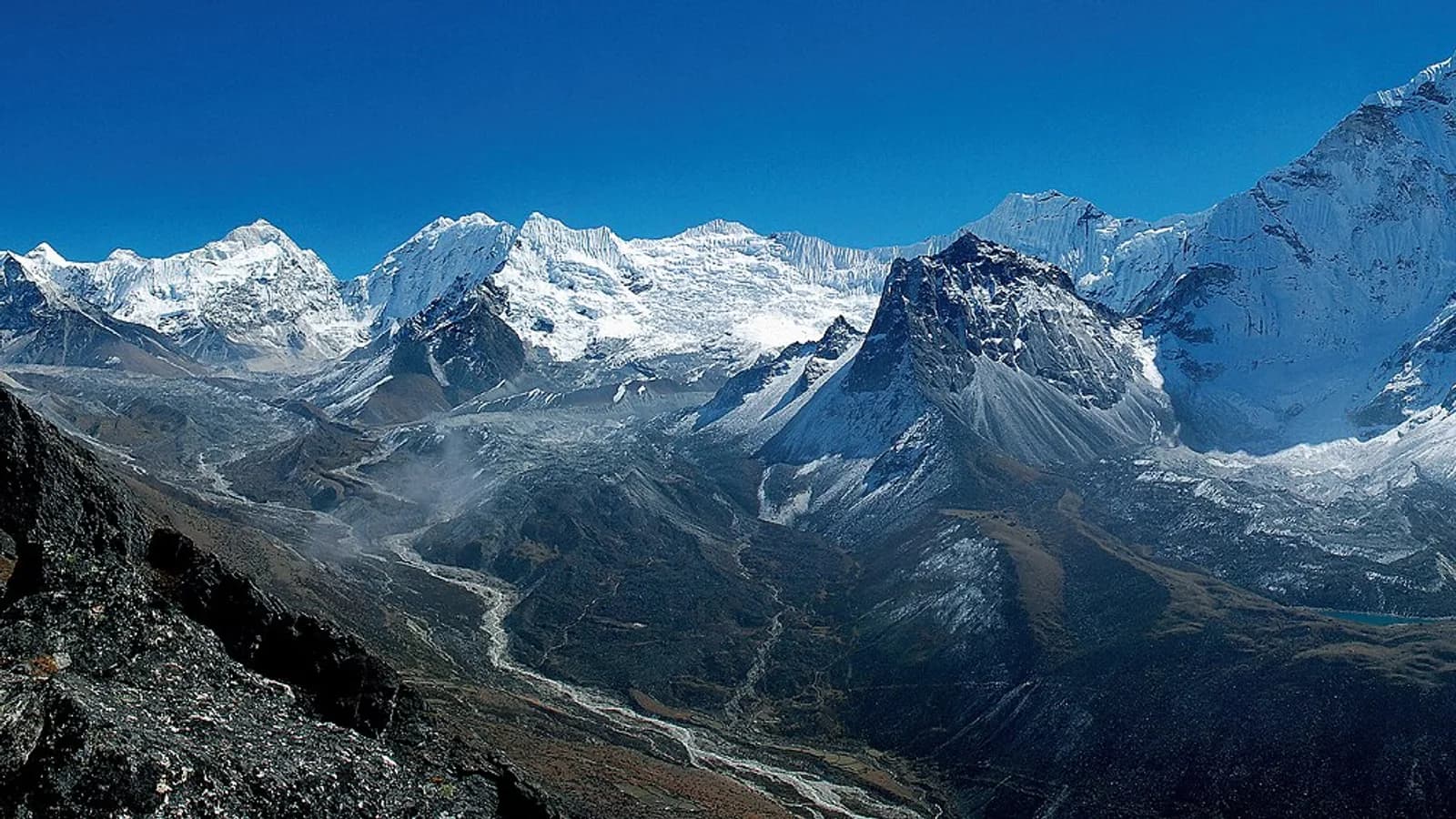
For most of its history, trekking in Nepal meant a thin foam mattress, a shared squat toilet down a freezing corridor, and a dinner of dal bhat eaten in a candlelit dining room. That version still exists and is still wonderful. But there is now a parallel way to walk the same trails, and luxury trekking in Nepal has quietly become one of the country's fastest-growing travel niches: the same passes, the same sunrises over Everest and Annapurna, but with a heated room, an en-suite bathroom and a cooked-to-order meal waiting at the end of each day.
This guide explains what luxury trekking actually delivers, where it works best, how the helicopter shortcuts fit in, and how to decide whether the upgrade is worth it for your trip.
Key takeaways
- Luxury trekking keeps the walking real but upgrades the nights — heated rooms, en-suite bathrooms, better beds and richer food.
- The Everest (Khumbu) and Annapurna regions have Nepal's only well-developed premium lodge networks; most other trails stay basic.
- A signature luxury format is to trek up and fly back by helicopter, trimming repeat descent days — but flights are weather dependent.
- Comfort supports rest and acclimatisation, yet altitude sickness ignores your budget, so the usual ascent rules and evacuation insurance still apply.
- Expect to pay several times the cost of a basic teahouse trek; always check exactly what is bundled before comparing quotes.
- Best seasons are autumn (Oct–Nov) and spring (Mar–May) for clear views and reliable flying weather.
What "luxury" actually means on the trail
It helps to be precise, because "luxury" is a marketing word that operators stretch in every direction. On a Nepal trek it usually means a specific, concrete set of upgrades to the standard teahouse experience.
The lodge
The single biggest difference is where you sleep. Premium lodge chains in the Everest and Annapurna regions advertise heated rooms, en-suite bathrooms with hot running water, proper beds with sheets and duvets rather than a bring-your-own sleeping bag, and dining rooms with large windows angled at the peaks. The well-known operators in this space include established lodge networks such as Mountain Lodges of Nepal, Yeti Mountain Home and the Ker & Downey lodge circuit, alongside the famous Hotel Everest View above Namche.
Compare that to a standard teahouse trek, where rooms are unheated plywood boxes and the only warm space is the communal dining room around the stove. The contrast is sharpest at night and at altitude, where an unheated room can drop below freezing.
The food
Standard teahouse menus revolve around dal bhat, noodles, fried rice and a long laminated list of approximations of Western dishes. Luxury lodges run smaller, fresher kitchens with multi-course set menus, more reliable hygiene standards and better coffee. The dal bhat is still there — and still excellent — but it is one option among many rather than the safe default.
The pace and the people
Luxury trips are almost always private rather than group departures. You get a dedicated licensed guide, often a porter for every one or two trekkers, and an itinerary built around a gentler daily pace with built-in acclimatisation and rest. That slower rhythm is not just indulgence; it genuinely helps your body adjust to altitude.
Where luxury trekking works in Nepal
The honest answer is that premium infrastructure exists in only a few places. Outside these regions, "luxury trek" usually means a better tent and a bigger support crew rather than upgraded lodges.
The Everest region (Khumbu)
This is the heartland of luxury lodge trekking. A chain of upmarket lodges runs from Lukla up through Phakding, Namche, Tengboche, Dingboche and beyond, which makes it possible to do a comfortable lodge-to-lodge version of the classic Everest Base Camp route. The crown jewel is the Hotel Everest View, perched on the Syangboche ridge at 3,880 m roughly 2 km above Namche; it holds a Guinness World Record as one of the highest-placed hotels on the planet and opened back in 1971 (source: Hotel Everest View).
Many travellers who do not want the full two-week base-camp expedition instead do a shorter Everest View style trek built around a night or two at the higher lodges, then fly out. It delivers the headline Khumbu panorama — Everest, Lhotse, Ama Dablam — without the deepest, coldest days of the full route.
The Annapurna region
The Annapurna foothills hold Nepal's other established luxury lodge circuit. The classic premium route threads through Gurung villages, terraced hillsides and rhododendron forest at a maximum altitude well below the Everest trails, which makes it gentler on the body and reachable on a shorter schedule. It is an easier introduction to the country than the high Khumbu, and it pairs naturally with time in Pokhara at the start or end.
Everywhere else
On routes like Manaslu, Kanchenjunga or Upper Dolpo, there are simply no luxury lodges. The "premium" version of those treks is a fully supported camping expedition with a large crew, dining tent and cook — comfortable in its own way, but a different model entirely.
The helicopter factor
The defining feature of modern luxury trekking in Nepal is the helicopter, and it shows up in three distinct ways.
Trek up, fly down
The most popular format is to walk the ascent at a sensible acclimatisation pace, reach your high point, then take a helicopter back to Kathmandu or Lukla instead of retracing your steps. This removes several repeat descent days, which are often the least interesting part of an out-and-back trek, and it gets tired legs off the trail.
The scenic flightseeing leg
Some itineraries fold in a sightseeing loop — a dawn aerial circuit of the high peaks, or a landing at a viewpoint for breakfast with the mountains. This is pure spectacle rather than transport.
Emergency evacuation
The third role is the serious one. Helicopters are the backbone of high-altitude rescue in Nepal. This is exactly why comprehensive trekking insurance with helicopter evacuation cover is non-negotiable on any trek, luxury or not — a single evacuation can be extraordinarily expensive to pay for out of pocket.
A blunt caveat on all helicopter plans: mountain flying is entirely weather dependent. Cloud, wind or fresh snow can ground a helicopter for hours or days, so build buffer time into any trip that depends on a flight.
What it costs (and what to check)
Pricing is where you need a clear head, so we will describe it qualitatively rather than quote a single figure, because what gets bundled varies enormously between operators.
A luxury trek costs several times the price of a basic teahouse trek. The premium goes into upgraded lodges, private guiding, a higher porter-to-trekker ratio, better food, and — if included — one or more helicopter legs, which are a large line item on their own.
Published 2026 figures from Nepal operators illustrate the range rather than fix it. Some local agencies advertise luxury Everest treks with a helicopter return in the region of roughly US$2,000–2,200 per person, with international agencies often quoting noticeably higher for comparable trips (source: Green Valley Nepal Treks, as of 2026). Standalone Everest Base Camp helicopter sightseeing tours are commonly advertised around US$1,200–1,300 per person on a shared basis, with private charters quoted far higher per helicopter (source: nepaltrekkingroutes.com, as of 2026). Treat all of these as moving targets and confirm current pricing directly.
Questions to ask before you book
- Exactly which lodges am I staying in each night, and are they heated and en-suite?
- Is the helicopter leg guaranteed and prepaid, or an optional extra you pay for on the day?
- What is the porter-to-trekker ratio, and are porters insured and weight-limited? (See our note on ethical porter practice.)
- What happens, and who pays, if a flight is grounded by weather?
- Are park fees, permits and domestic flights included or added later?
A quick comparison
| Element | Standard teahouse trek | Luxury trek | | --- | --- | --- | | Room | Unheated, shared bathroom | Heated, usually en-suite | | Bedding | Bring your own sleeping bag | Beds, sheets, duvets | | Food | Dal bhat, noodles, basics | Multi-course set menus | | Group | Mixed group departures | Private, dedicated guide | | Descent | Walk back out | Often a helicopter return | | Cost | Budget | Several times higher |
Who should choose a luxury trek
Luxury trekking suits a few clear profiles. It is a strong fit for travellers who want the Himalaya but have a limited number of days and want to compress the trip without rushing the acclimatisation. It works well for those who find the cold, unheated nights of standard teahouses genuinely off-putting, for honeymooners wanting comfort with their adventure, and for older trekkers or anyone who simply rests far better in a warm room with a proper bed.
It is less essential for budget travellers, for people who actively enjoy the rough-and-ready social texture of teahouse life, or for anyone whose goal is a long, immersive expedition on a remote trail where no luxury lodges exist anyway.
Whichever way you lean, the mountains do not change. Sunrise on Ama Dablam looks identical whether you watched it from a heated suite or a plywood box. Luxury trekking simply softens the edges of the experience — and for the right traveller, that is exactly the point.
Sources
- Hotel Everest View — official site: https://hoteleverestview.com/
- Mountain Lodges of Nepal: https://mountainlodgesofnepal.com/
- Ker & Downey Nepal: https://www.keranddowneynepal.com/
- The Mountain Company — "What is luxury lodge trekking in Nepal?": https://www.themountaincompany.co.uk/blog/what-is-luxury-lodge-trekking-in-nepal
- Green Valley Nepal Treks — Luxury Everest Heli Trek cost (2026): https://www.greenvalleynepaltreks.com/luxury-everest-heli-trek
- Nepal Trekking Routes — Helicopter tour price in Nepal: https://nepaltrekkingroutes.com/blog/helicopter-tour-price-in-nepal
Frequently asked questions
- What is luxury trekking in Nepal?
- It is lodge-to-lodge trekking where you walk the same Himalayan trails as everyone else but sleep in upgraded lodges with heated rooms, en-suite bathrooms, proper beds and richer menus, often with a private guide, a lighter daily pace and a helicopter on standby for one leg.
- How much more does a luxury trek cost than a standard one?
- Luxury packages typically run several times the price of a basic teahouse trek because of premium lodges, private guiding, better food and sometimes a helicopter segment, so confirm exactly what is bundled before you compare quoted figures.
- Do luxury treks still involve real walking?
- Yes, you walk the standard distances and altitude gains each day, so a reasonable level of fitness is still required, though the gentler pace, lighter pack and comfortable nights make the effort easier to sustain.
- Which regions have the best luxury lodges?
- The Everest (Khumbu) and Annapurna regions have Nepal's most developed premium lodge networks, including well-known chains and the famous high-altitude Hotel Everest View, while most other trails remain basic.
- Can a helicopter replace part of the trek?
- Yes, a common luxury format is to trek up at a healthy acclimatisation pace and fly back by helicopter, which removes repeat descent days, though mountain flights are entirely weather dependent and can be delayed.
- Is luxury trekking safer at altitude?
- Warm rooms, good food and a slower schedule support acclimatisation and rest, but altitude sickness can still affect anyone regardless of comfort, so the usual ascent rules and travel insurance with helicopter evacuation cover remain essential.
- Do I still need a guide and permits for a luxury trek?
- Yes, luxury operators include licensed guides as standard, and the same national-park entry fees and trekking permits apply to premium trips exactly as they do to budget ones.
- When is the best time for a luxury trek?
- The clear, stable autumn months around October and November and the spring window of March to May give the best mountain views and the most reliable flying weather for any helicopter legs.
Related posts
Customized Trekking Tours Annapurna: Plan It Right
How to plan customized trekking tours in the Annapurna region — routes, permits, the guide rule, seasons and what makes a private itinerary worth it.
Read postEasy Treks in Nepal: 6 Beginner Routes for 2026
The best easy treks in Nepal for beginners — Poon Hill, Everest View, Langtang and more, with altitudes, days, permits and the 2023 guide rule.
Read postEco Trekking Nepal: Sustainable Himalaya Travel (2026)
A practical guide to eco trekking in Nepal — cutting plastic, fair porter treatment, community lodges and leave-no-trace habits for the trails.
Read post