Gurkha Soldiers: Service, Regiments and Valour
Gurkha soldiers from Nepal explained — their service in the British, Indian and Nepalese armies, the khukuri knife and a reputation for valour.
If a man says he is not afraid of dying, he is either lying or he is a Gurkha.
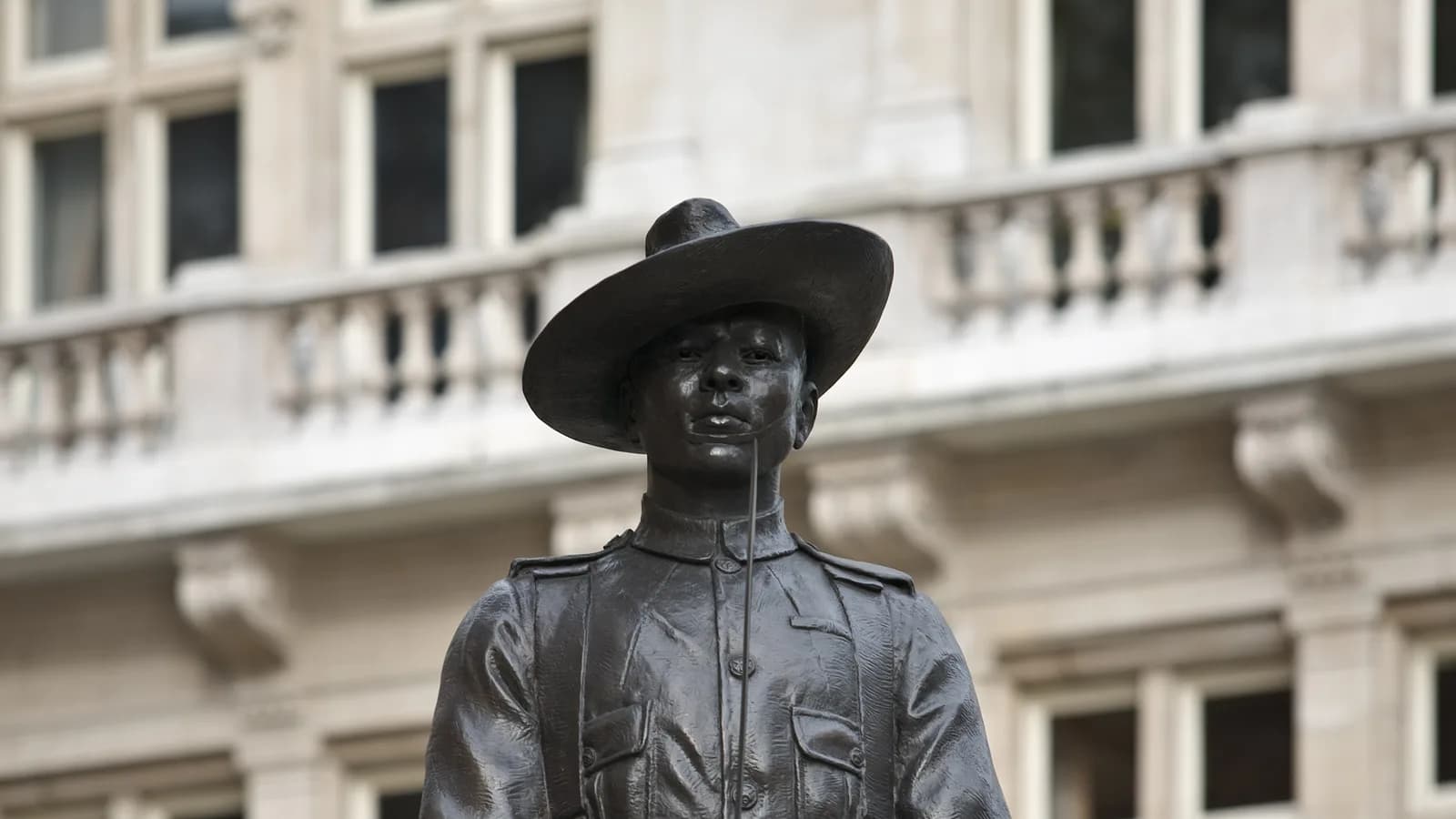
Gurkha soldiers are among the most admired fighters in the world, and they all come from one small Himalayan country: Nepal. For more than two centuries, these soldiers have served in the British, Indian and Nepalese armies, carrying their curved khukuri knife and a reputation for valour that allies and opponents alike have written into legend. This short guide covers the essentials of who Gurkha soldiers are, where they serve, and why their courage is so famous. For the full history, see our complete guide to the Gurkhas.
Key takeaways
- Gurkha soldiers are recruited from Nepal and serve in the British, Indian and Nepalese armies, plus forces in Singapore and Brunei.
- The name comes from Gorkha, the hill kingdom that unified Nepal in the 18th century.
- British recruitment began after the Anglo-Nepalese War of 1814–1816.
- The khukuri knife is their signature weapon and emblem.
- Gurkhas have earned 26 Victoria Crosses and an unmatched reputation for valour.
Where the name comes from
The word "Gurkha" is not the name of an ethnic group but a martial identity. It takes its name from Gorkha, a small hill kingdom in what is now central Nepal. In the 18th century, the ruler of Gorkha, King Prithvi Narayan Shah, launched the campaign that unified the many small states of the hills into the modern nation of Nepal. The soldiers of that expanding kingdom became known as Gorkhas, anglicised to Gurkhas. There is still a real town and district of Gorkha in Nepal, complete with a historic hilltop palace, which features in our roundup of the best places to visit in Nepal.
How British service began
The Gurkha legend on the world stage began with a war the British very nearly lost. As the Gorkha state pushed against the territory of the British East India Company, the two powers fought the Anglo-Nepalese War from 1814 to 1816. The British prevailed, but they were so impressed by the toughness and fearlessness of their Nepali opponents that they began recruiting them even before the war ended. The arrangement was formalised by the Treaty of Sugauli in 1816, and Gurkhas have served the Crown ever since.
Which communities become Gurkhas
Historically, Gurkhas have been recruited from the hill communities of central and eastern Nepal, prized for their hardiness and reliability:
| Community | Region of Nepal | |---|---| | Gurung | Central hills (around Pokhara, Lamjung) | | Magar | Central and western hills | | Rai | Eastern hills | | Limbu | Far-eastern hills | | Tamang | Hills around the Kathmandu valley |
It is worth stressing that being a Gurkha is a profession and a heritage, not an ethnicity — much like the often-misused name of the Sherpa people, another Nepali community the world frequently misunderstands.
The khukuri: weapon and emblem
No symbol is more tightly bound to the Gurkha than the khukuri (also spelled kukri), the knife with the unmistakable forward-curving blade. Every Gurkha soldier traditionally carries one, and it serves as both a fearsome close-quarters weapon and an everyday tool. Crossed khukuris appear on the regimental insignia of Gurkha units worldwide. We cover the blade in depth — its parts, how to spot a genuine forged one, and how to fly it home legally — in our dedicated khukuri buying guide.
A reputation for valour
The Gurkha spirit is captured in a single line of Nepali: "Kaphar hunu bhanda marnu ramro" — "It is better to die than to live like a coward." That creed has been lived up to with staggering consistency. The Indian field marshal Sam Manekshaw famously said that anyone who claims not to fear death "is either lying or he is a Gurkha."
The numbers behind the reputation are sobering. More than 200,000 Gurkhas served in the First World War, and roughly 250,000 served across some 40 battalions in the Second World War, fighting from North Africa and Italy to the jungles of Burma. The highest testament to their courage is the Victoria Cross — Britain's supreme award for gallantry — which has been awarded 26 times to Gurkhas or to British officers serving with Gurkha regiments. The first to a Nepali Gurkha went to Kulbir Thapa in 1915.
Where Gurkha soldiers serve today
The tradition is very much alive. Gurkha soldiers continue to serve in several forces around the world:
| Force | Notes | |---|---| | British Army — Brigade of Gurkhas | Over 4,000 serving soldiers | | Indian Army — Gorkha regiments | Tens of thousands across multiple regiments | | Nepalese Army | Nepal's own national army | | Singapore Police — Gurkha Contingent | A specialist unit formed in 1949 | | Brunei — Gurkha Reserve Unit | Guarding the Sultanate |
The legacy also reaches into civilian fame: the record-breaking mountaineer Nirmal Purja served as a Gurkha and in UK Special Forces before turning to the Himalaya. For a fuller account of Gurkha history, honours and the famously brutal selection process, read our complete Gurkha guide and our companion overview of Gorkha soldiers.
Sources
Frequently asked questions
- Who are the Gurkha soldiers?
- Gurkha soldiers are fighters recruited from Nepal who serve in the British Army, the Indian Army, the Nepalese Army and a few other forces, famous for their courage and their curved khukuri knife.
- Why are Gurkha soldiers so respected?
- More than two centuries of service across two World Wars and many later conflicts, combined with 26 Victoria Crosses and a reputation for loyalty and fearlessness, have made them among the most respected soldiers in the world.
- Which armies do Gurkhas serve in?
- Gurkhas serve in the British Army's Brigade of Gurkhas, the Gorkha regiments of the Indian Army, the Nepalese Army, the Singapore Police Gurkha Contingent and Brunei's Gurkha Reserve Unit.
- What weapon are Gurkha soldiers known for?
- The khukuri, a knife with a distinctive forward-curving blade, is the signature weapon and emblem of the Gurkha soldier and appears on Gurkha regimental insignia worldwide.
- How many Victoria Crosses have Gurkha soldiers won?
- The Victoria Cross has been awarded 26 times to Gurkhas or to British officers serving with Gurkha regiments, the first to a Nepali Gurkha going to Kulbir Thapa in 1915.
- Where does the name Gurkha come from?
- The name comes from Gorkha, the hill kingdom in present-day Nepal that unified the country in the 18th century under King Prithvi Narayan Shah.
Related posts
British Gurkhas: Recruitment, Brigade and Pensions
British Gurkhas explained — how recruitment in Nepal works, the Brigade of Gurkhas, and the long campaign for fair pensions and settlement rights.
Read postGorkha Soldiers: The Place Behind the Gurkha Name
Gorkha or Gurkha? A guide to the Gorkha soldiers — the Nepali kingdom that gave them their name, how Nepal was unified, and why the spellings differ.
Read postGurkha Soldiers: History, the Khukuri & Legacy
The history of Gurkha soldiers — from the Anglo-Nepalese War to the British and Indian armies, the khukuri knife, and their famous motto and bravery.
Read post