British Gurkhas: Recruitment, Brigade and Pensions
British Gurkhas explained — how recruitment in Nepal works, the Brigade of Gurkhas, and the long campaign for fair pensions and settlement rights.
Two centuries of service to the Crown, and a hard-won fight for fairness off the battlefield.
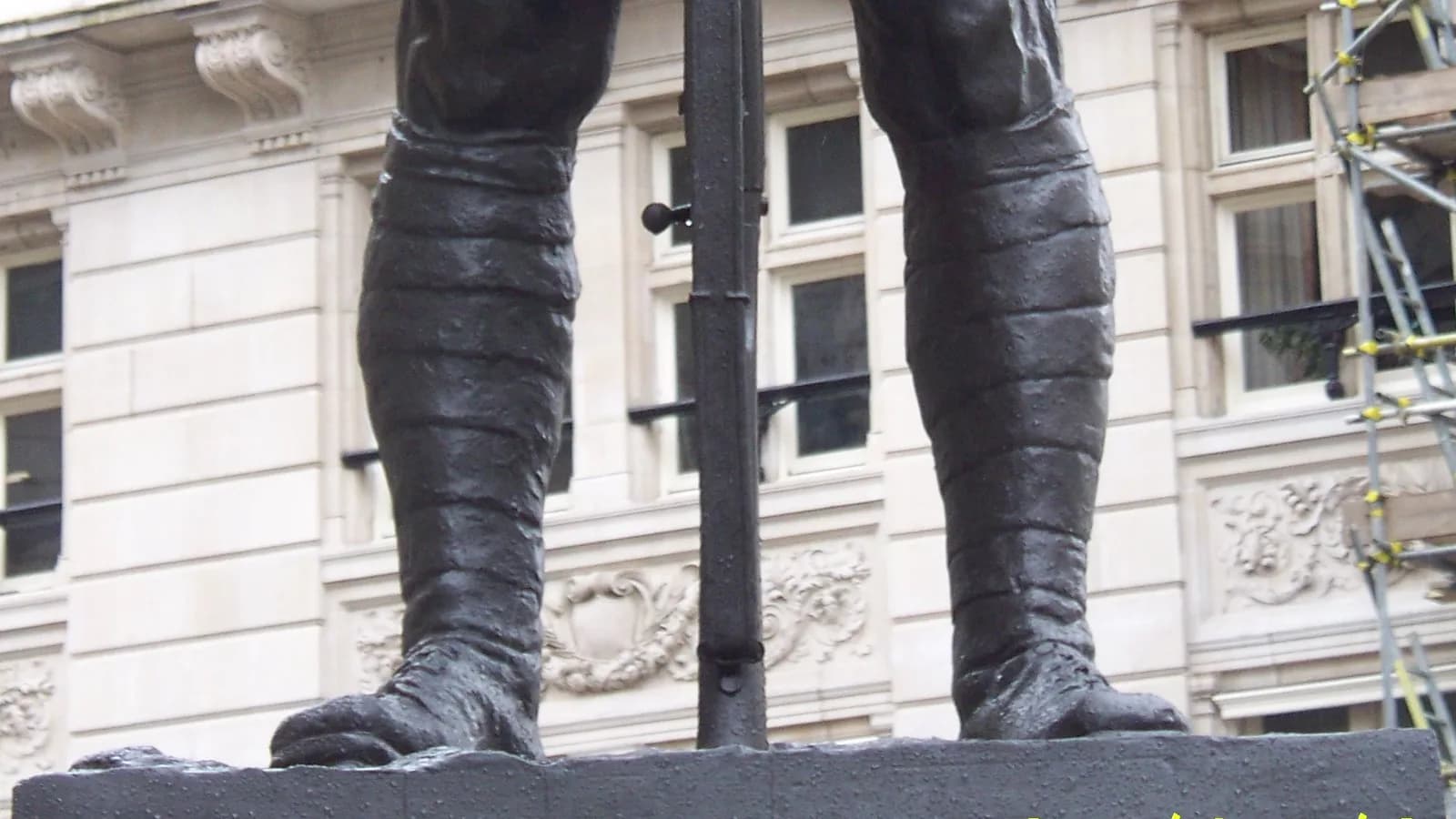
The British Gurkhas are Nepali soldiers who have served the British Crown for more than two centuries, forming one of the most respected fighting forces in the world. Recruited from the hills of Nepal through a famously brutal selection process, they make up the British Army's Brigade of Gurkhas. This short guide focuses on the British connection specifically: how recruitment works, what the Brigade looks like today, and the long campaign for fair pensions and the right to settle in Britain. For the wider story across all armies, see our complete guide to the Gurkhas.
Key takeaways
- The British Gurkhas serve in the Brigade of Gurkhas, with over 4,000 soldiers today.
- Recruitment is run from camps near Pokhara and is one of the toughest selection processes in the world.
- The Royal Gurkha Rifles are the brigade's infantry core, supported by engineer, signals and logistic regiments.
- A 2008–2009 campaign, backed by the actress Joanna Lumley, won settlement rights for Gurkha veterans.
- Pension differences with other British soldiers sparked years of legal and public campaigning.
How British recruitment works
British recruitment of Nepali soldiers began after the Anglo-Nepalese War of 1814 to 1816, when British forces were so impressed by their opponents that they began enlisting them. That tradition continues today, run through British Gurkhas Nepal with selection centred near Pokhara.
Becoming a British Gurkha is regarded as one of the most sought-after and demanding paths a young Nepali can take. Selection is regularly described as one of the toughest military recruitment processes in the world. Its centrepiece is the legendary doko race — a steep uphill run carrying a traditional conical basket loaded with around 25 kilograms of sand, held by a headstrap. From thousands of hopefuls each year, only a few hundred are chosen. Recruits have traditionally come from the hill communities of central and eastern Nepal, much as the Sherpa people come from the high Khumbu.
The Brigade of Gurkhas today
The Brigade of Gurkhas is the collective name for the Gurkha units of the British Army. There are currently over 4,000 Gurkhas serving across many trades. The brigade's structure includes:
| Unit | Role | |---|---| | Royal Gurkha Rifles | Infantry — the brigade's fighting core | | Queen's Gurkha Engineers | Combat engineering | | Queen's Gurkha Signals | Military communications | | Queen's Own Gurkha Logistic Regiment | Logistics and supply | | King's Gurkha Artillery | A new artillery regiment announced in 2025 |
The Royal Gurkha Rifles form the infantry heart of the brigade, with battalions that rotate between the United Kingdom and Brunei. In recent years the brigade has been expanding: an enlargement of more than 800 posts was announced in 2018, and in April 2025 the UK government announced the creation of a new 400-strong artillery regiment, the King's Gurkha Artillery, to be formed over the following four years.
Like all Gurkha units, the brigade carries the khukuri as its emblem — the curved blade explained in our khukuri guide. One of the most famous modern soldiers to pass through this world is the mountaineer Nirmal Purja, who served as a Gurkha and in UK Special Forces before his record-breaking Himalayan climbs.
The fight for fair pensions
For much of their history, British Gurkhas were paid and pensioned under terms that differed from those of other British soldiers, on the basis that many would retire to Nepal where living costs were lower. Campaigners argued this was unfair. In March 2007, following a review of Gurkha terms and conditions, the UK government introduced the Gurkha Offer to Transfer, which allowed Gurkhas who had served after 1 July 1997 to move that service into the main Armed Forces Pension Scheme. Service before that date counted only as a proportion of a year, and those who left before 1997 could not transfer at all — points that remained contentious and were tested in the courts.
The campaign for the right to settle
Alongside pensions ran a separate fight over the right to live in Britain. In October 2004, the immigration rules were changed to let Gurkhas who retired on or after 1 July 1997 with at least four years' service apply to settle in the United Kingdom. The great majority of those eligible went on to do so.
The campaign reached a wider public in 2008 and 2009, helped by private members' bills and a high-profile effort fronted by the actress Joanna Lumley, whose father had served with the Gurkhas. In 2009 the government extended settlement rights to Gurkhas who had retired before 1 July 1997 and completed at least four years' service, allowing them to apply to settle in the UK with their spouses and dependent children. The change addressed a long-standing grievance and reshaped the Nepali community in Britain — a story that connects to our overview of the Nepalese in the UK.
A living legacy
The British Gurkhas remain one of the most distinctive partnerships in military history: a small Himalayan nation supplying soldiers to a force on the other side of the world, generation after generation. Their record of service is matched by a hard-won progress toward fairer treatment off the battlefield. For the full sweep of Gurkha history, honours and culture, read our complete Gurkha guide and companion piece on Gorkha soldiers.
Sources
Frequently asked questions
- What are the British Gurkhas?
- The British Gurkhas are Nepali soldiers who serve in the British Army's Brigade of Gurkhas, a tradition that began after the Anglo-Nepalese War of 1814 to 1816.
- How hard is it to become a British Gurkha?
- Selection in Nepal is regarded as one of the toughest military recruitment processes in the world, and only a few hundred recruits are chosen from thousands of applicants each year.
- What is the doko race in Gurkha selection?
- The doko race is a punishing uphill run during final selection in which candidates carry a traditional conical basket loaded with around 25 kilograms of sand, held by a headstrap.
- What is the Brigade of Gurkhas?
- The Brigade of Gurkhas is the collective name for the Gurkha units of the British Army, including the Royal Gurkha Rifles and supporting engineer, signals and logistic regiments, with over 4,000 serving soldiers.
- Can British Gurkhas settle in the UK?
- Yes. After rule changes in 2004 and a wider change in 2009, Gurkha veterans with at least four years of service won the right to apply to settle in the United Kingdom with their families.
- Why were Gurkha pensions controversial?
- For years Gurkhas received pensions calculated differently from other British soldiers, which campaigners argued was unfair, leading to a long legal and public campaign for greater equality.
Related posts
Gorkha Soldiers: The Place Behind the Gurkha Name
Gorkha or Gurkha? A guide to the Gorkha soldiers — the Nepali kingdom that gave them their name, how Nepal was unified, and why the spellings differ.
Read postGurkha Soldiers: Service, Regiments and Valour
Gurkha soldiers from Nepal explained — their service in the British, Indian and Nepalese armies, the khukuri knife and a reputation for valour.
Read postGurkha Soldiers: History, the Khukuri & Legacy
The history of Gurkha soldiers — from the Anglo-Nepalese War to the British and Indian armies, the khukuri knife, and their famous motto and bravery.
Read post