Deepawali in Nepal — How Tihar Differs From Indian Diwali
Deepawali in Nepal is celebrated as Tihar, a five-day festival of lights. How it compares to Indian Diwali, from animal worship to Deusi-Bhailo singing.
Same lamps, same season, same goddess of fortune — but Nepal's festival of lights spends two of its five days honouring crows, dogs, and cows.
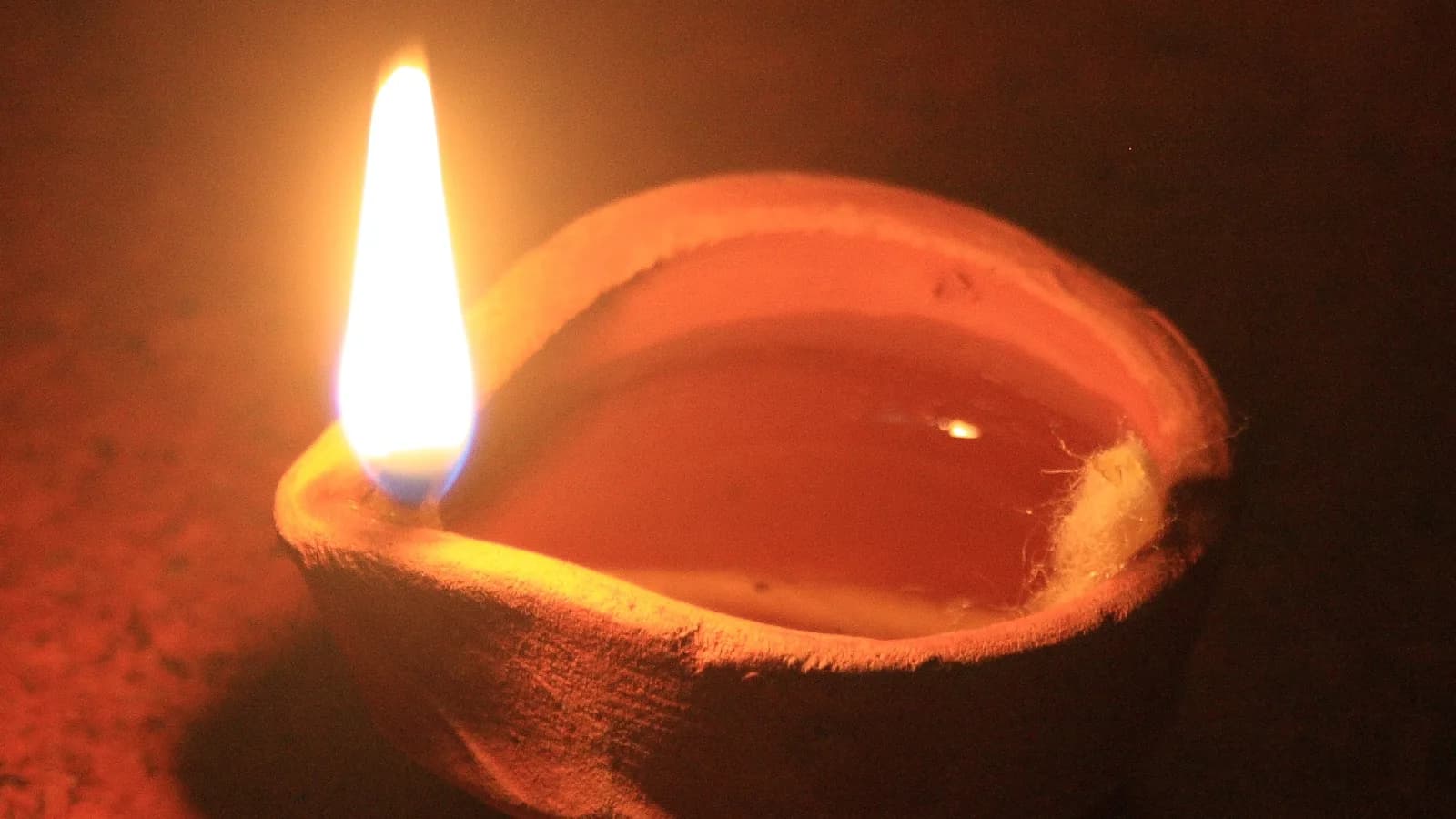
Travelers searching for Deepawali in Nepal quickly hit a small puzzle: the famous festival of lights is here, it is unmistakably the same celebration as India's Diwali, and yet Nepalis mostly call it something else — Tihar — and observe it in ways that surprise first-time visitors. The lamps are the same. The goddess of fortune is the same. The season is the same. But two of the five days are given over to honoring crows, dogs, and cows, and a tradition of door-to-door singing fills the streets in a way Indian Diwali does not. This guide explains how Deepawali is celebrated in Nepal and where it genuinely differs from the Indian version.
It is the comparison companion to our full Tihar festival of lights guide, which walks through all five days in detail. Here we focus on one question: what makes Nepal's festival of lights its own thing?
Key takeaways
- Deepawali, Diwali, and Tihar are the same festival of lights — Nepal simply uses the names Tihar and Deepawali.
- It falls in autumn (October or November), about two weeks after Dashain, with dates that shift yearly.
- Its core day, Lakshmi Puja, lands on the new moon of Kartik, when homes glow with oil lamps.
- Nepal's version uniquely devotes days to honoring crows, dogs, and cows.
- The Deusi-Bhailo singing tradition and the seven-colored Bhai Tika are distinctly Nepali.
- Compared with Indian Diwali, Tihar is slower, more local, and more contemplative.
The same festival under different names
First, the names. Deepawali (sometimes Deepavali) is the older Sanskrit-derived word meaning "a row of lamps"; Diwali is its shortened, more globally familiar form; and Tihar is the everyday Nepali name. They all describe the same autumn festival of lights centered on the goddess Lakshmi, who brings wealth and prosperity. So when a guidebook says "Deepawali in Nepal" and a local says "Tihar," they mean the same five days.
What carries across both Nepal and India is the heart of the festival: cleaning and decorating the home, lighting oil lamps (diyas) to welcome Lakshmi, drawing colorful patterns at doorways, and celebrating light's victory over darkness. Where the two diverge is in everything built around that shared core.
When Deepawali falls
Like the rest of the South Asian festival calendar, Deepawali runs on the lunar calendar, so it does not keep a fixed Western date. It falls in the autumn, generally in October or November, roughly two weeks after Dashain. The festival's pivotal evening, Lakshmi Puja, is fixed to Kartik Amavasya — the new-moon night of the lunar month of Kartik, the darkest night, chosen precisely so the lamps shine brightest.
Because a lunar month is shorter than a solar one, the festival drifts earlier most years and then jumps later when the calendar resyncs, always landing somewhere between mid-October and mid-November. The practical rule for a visitor is the same as for any Nepali festival: look up the dates for your specific travel year rather than assuming. For how this lunar drift works in more detail, our explainer on when Dashain falls covers the same logic that governs Tihar.
| Detail | What to know | | --- | --- | | Other names | Tihar, Deepawali, Diwali | | Western window | October to November | | Core day | Lakshmi Puja, on the Kartik new moon | | Length | Five days | | Timing vs Dashain | About two weeks after Dashain | | Date stability | Shifts each year — always verify |
What makes Nepal's version different
This is where Deepawali in Nepal stops looking like Indian Diwali. The festival runs five days, each with its own theme, and several have no Indian counterpart.
The animal-worship days
Nepal's most distinctive twist is that it spends days honoring animals as part of the festival itself.
- Day 1 — Kaag Tihar: crows, regarded as messengers of Yama, the god of death, are offered food left out on rooftops.
- Day 2 — Kukur Tihar: dogs — both pets and street dogs — are given a red tika, a marigold garland, and a special meal, honored as loyal guardians and Yama's companions. This is the image of Tihar that circulates worldwide each year.
- Day 3 (morning) — Gai Tihar: cows, sacred in Hinduism and symbols of prosperity, are garlanded and fed before the evening's Lakshmi Puja.
There is simply no mainstream equivalent in Indian Diwali to a dedicated dog-worship day or a crow-worship day. It reflects a thread running through Tihar — a celebration not just of the divine, but of the bonds between people, animals, and nature.
Lakshmi Puja and Mha Puja
Day 3 evening — Lakshmi Puja is the shared peak with India: homes are lit end to end with oil lamps, doorways are framed in marigold garlands, and the goddess of wealth is welcomed in. Walking through an old Newari quarter this night is the festival's visual high point.
Day 4 then turns inward in a very Nepali way. Many Newars, the indigenous people of the Kathmandu Valley, perform Mha Puja — a "worship of the self," a ritual honoring one's own body and life for the year ahead. In farming communities the day also includes Govardhan Puja, honoring oxen.
Bhai Tika and the seven colors
Day 5 — Bhai Tika closes the festival with the bond between siblings. Sisters apply a distinctive seven-colored tika to their brothers' foreheads — more elaborate than the everyday tika — perform a protective ritual, and exchange garlands and gifts. India has a parallel in Bhai Dooj, but the seven-colored mark is a specifically Nepali touch.
Deusi-Bhailo: the sound of Tihar
Threading through the festival is Deusi-Bhailo, a caroling tradition with no real Indian counterpart. Groups of children and young people go door to door singing festive songs — Bhailo sung by girls, Deusi by boys, in the older pattern — and receive sweets, fruit, or small gifts of money in return. For several evenings the streets carry this music, giving Nepal's festival of lights a communal soundtrack that Indian Diwali, with its emphasis on fireworks, simply does not have.
Tihar versus Indian Diwali at a glance
| Aspect | Nepal (Tihar / Deepawali) | India (Diwali) | | --- | --- | --- | | Core worship | Lakshmi, goddess of wealth | Lakshmi, goddess of wealth | | Lamps | Oil lamps (diyas) line homes | Oil lamps and electric lights | | Animal days | Crows, dogs, cows honored | No mainstream equivalent | | Signature custom | Deusi-Bhailo door-to-door singing | Fireworks and sweets | | Sibling day | Bhai Tika, seven-colored mark | Bhai Dooj | | Overall tone | Slower, local, contemplative | Louder, larger, more commercial | | Central legend | Tied to Yama and the goddess Lakshmi | Often tied to Rama's homecoming |
The deeper difference is in mythology and mood. Where Indian Diwali frequently centers on the return of Rama to his kingdom, Tihar's stories lean toward Yama, the god of death, and his sister — themes that surface in the crow and dog days and in the sibling bond of Bhai Tika. The result is a festival that feels, to many who experience both, gentler and more reflective than its louder Indian cousin.
Which should a traveler choose?
If you can only catch one, the honest answer depends on temperament. Indian Diwali is the bigger spectacle — denser crowds, more fireworks, more commercial energy. Nepal's Tihar is the quieter, more intimate experience: lamp-lit medieval towns, garlanded street dogs, the murmur of Deusi-Bhailo down a lane. Travelers who have seen both often come away preferring Nepal's version precisely for its calm.
For a visitor in Nepal, the best places to take it in are the old Newari towns. Patan (Lalitpur) and Bhaktapur on Lakshmi Puja evening are extraordinary, their carved-wood facades glowing with oil lamps — our Patan guide and Bhaktapur day-trip guide help you plan. Pokhara's Lakeside and smaller villages offer a more relaxed version of the same.
The bottom line
Deepawali in Nepal is Diwali — the same festival of lights, the same goddess, the same season — but Nepal celebrates it as Tihar, with its own rhythm: days for crows, dogs, and cows; the door-to-door song of Deusi-Bhailo; the seven-colored mark of Bhai Tika. It is the gentler, more local face of the festival of lights. To experience it fully, read our complete Tihar festival of lights guide, and time your visit using our note on when these autumn festivals fall.
Sources
Frequently asked questions
- Is Deepawali the same as Tihar in Nepal?
- Yes. Deepawali, Diwali, and Tihar all refer to the same festival of lights, simply under different names. In Nepal it is most commonly called Tihar or Deepawali, and it shares the season, the oil lamps, and the worship of the goddess Lakshmi with Indian Diwali, while keeping several traditions that are uniquely Nepali.
- When is Deepawali celebrated in Nepal?
- Deepawali, or Tihar, falls in the autumn, usually in October or November, about two weeks after Dashain. Its central day, Lakshmi Puja, lands on the new-moon night of the lunar month of Kartik. Because it follows the lunar calendar the exact dates move every year, so confirm them for your travel year.
- How is Nepal's Tihar different from Indian Diwali?
- Both light lamps and worship Lakshmi, but Tihar devotes separate days to honouring crows, dogs, and cows, which has no real Indian equivalent. Tihar also features Deusi-Bhailo, a door-to-door singing tradition, and a distinctive seven-coloured tika on the final Bhai Tika day. Indian Diwali tends to be louder and more firework-heavy.
- What is Kukur Tihar?
- Kukur Tihar is the second day of Nepal's festival of lights, dedicated to dogs. Both household and street dogs receive a red tika on the forehead, a marigold garland around the neck, and a special meal, honoured as loyal protectors and as companions of Yama, the god of death. It is the festival's most photographed day.
- What is Deusi-Bhailo?
- Deusi-Bhailo is a Nepali caroling tradition during Tihar where groups of children and young people go door to door singing festive songs, in return for sweets, fruit, or small amounts of money. It is a community-centred custom unique to Nepal's celebration and is not part of mainstream Indian Diwali.
- Which is better for tourists, Tihar in Nepal or Diwali in India?
- It depends on what you want. Nepal's Tihar is slower, more local, and quietly beautiful, with its lamp-lit Newari towns and animal-honouring days. Indian Diwali is larger, louder, and more commercial. Many travellers who have seen both find Tihar the more contemplative and photogenic of the two.
- Where is the best place to see Deepawali in Nepal?
- The Kathmandu Valley is the visual highlight, especially the old Newari towns of Patan and Bhaktapur on the evening of Lakshmi Puja, when oil lamps line every doorway. Pokhara's Lakeside and smaller villages also celebrate beautifully, often more intimately than the busy capital.
Related posts
Tihar — Nepal's Festival of Lights (and Dogs, Crows, Cows)
Five days of oil lamps, marigold garlands, and the strangest part — animal worship days. The most photogenic festival in Nepal, explained.
Read postThe Dog Festival of Nepal: A Short Visitor's Guide
The dog festival of Nepal, Kukur Tihar, is the viral day when every dog gets a garland and a tika. A quick guide to what it is and where to see it.
Read postKukur Tihar: Nepal's Dog Festival, Explained (2026)
Kukur Tihar is Nepal's dog festival — the day every dog gets a tika, a marigold garland, and a feast. What it means, when it falls, and why.
Read post