Canyoning Nepal: Best Spots, Season & Safety (2026)
Canyoning Nepal — where to go (Bhote Koshi, Jalbire, Sundarijal), the best season, what to bring, who can do it and how to pick a safe operator.
Clip into a rope, lean back over the lip of a waterfall, and let a Himalayan river pull you down through the gorge.
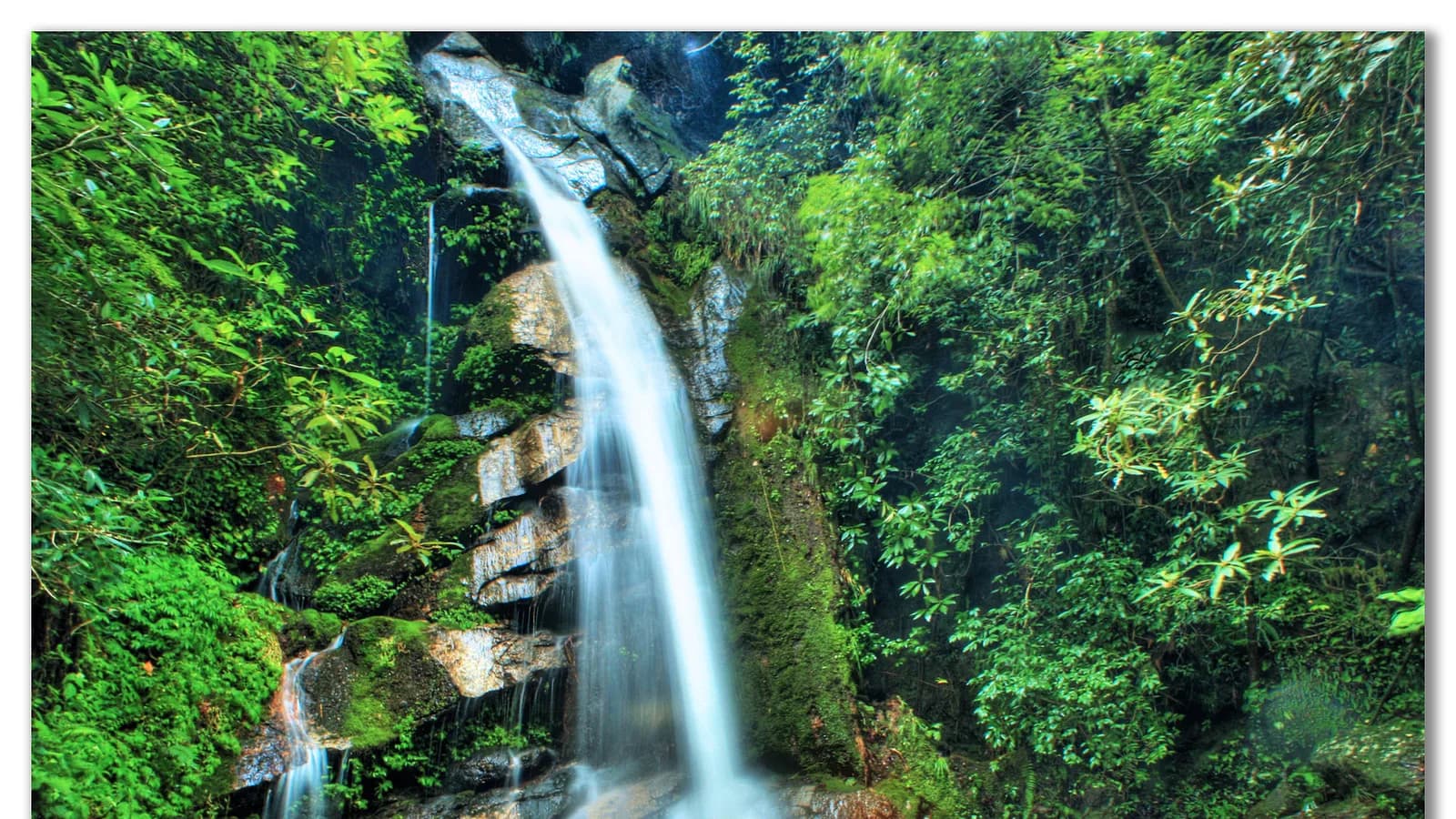
Nepal is famous for its mountains, but some of its best adventure happens inside the rock — in the narrow, water-carved gorges where rivers tumble over a staircase of waterfalls. Canyoning Nepal is the sport of descending those gorges on foot and on rope: abseiling down falls, sliding natural rock chutes, leaping into deep green pools and swimming the quiet stretches in between. It is still a niche activity here, far less crowded than trekking or rafting, which is exactly its appeal. This guide covers where to go, the best season, who can take part, what to bring and how to choose a safe operator.
Conditions, prices and operating details change, so treat everything here as a guide and confirm when you book. Any figure is stamped with its currency and date, and the sources are linked at the end.
Key takeaways
- Canyoning means descending a steep gorge by abseiling waterfalls, sliding rock, jumping into pools and swimming — a mix of climbing, swimming and scrambling.
- The main hub is the Bhote Koshi valley northeast of Kathmandu; Sundarijal (near the city) and Charaudi (on the Pokhara road) are other established spots.
- Go in the clear shoulder seasons (roughly March–May and late September–November) for settled water; high monsoon flow needs expert guiding.
- No prior experience is needed for beginner trips, but you must be fit and able to swim in deep water.
- Technical gear — wetsuit, helmet, harness, ropes — is usually supplied; you bring swimwear, dry clothes and grippy water shoes.
- Choose a reputable, canyon-specific guide, follow the briefing, and check your insurance covers rope-based activities.
What canyoning actually involves
Canyoning (sometimes called canyoneering) is a blend of disciplines. You move down a gorge that a river has cut over thousands of years, using whatever the canyon throws at you. The core moves are:
- Abseiling (rappelling): lowering yourself down a waterfall or cliff on a rope, controlling the descent with a belay device.
- Sliding: using smooth, water-polished rock as a natural slide into the pool below.
- Jumping: leaping from a ledge into deep water — only ever where a guide has checked the depth.
- Swimming and scrambling: crossing pools and clambering over boulders to link one section to the next.
A typical descent strings these together, so you are alternately on rope, in the air and in the water. It is physical but rarely about brute strength — balance, nerve and following instructions matter more. That is why beginner canyons can suit complete first-timers while other routes are reserved for experienced adventurers.
Canyoning vs rafting and bungee
If you are weighing up Nepal's adrenaline menu, it helps to know how canyoning differs from the better-known options. Rafting, such as a Trishuli River rafting day or a longer white-water rafting trip, keeps you in a boat on the main river. Bungee jumping is a single, brief plunge from a fixed platform. Canyoning is the slow-burn option: a half- or full-day journey through a gorge that combines several skills, with the scenery changing at every drop.
Where to go canyoning in Nepal
Canyoning is geographically concentrated, mostly within a few hours of Kathmandu. Guides have identified canyons across several valleys; these are the spots that come up most consistently.
| Location | Area | Roughly from Kathmandu | Notes | | --- | --- | --- | --- | | Bhote Koshi valley | Sindhupalchok, NE of Kathmandu | ~3 hours | The main hub; multiple canyons identified, near the Tibetan border | | Jalbire | Bhote Koshi / Sindhupalchok area | ~3 hours | Series of waterfalls; often cited as good for first-timers | | Sundarijal | Shivapuri Nagarjun National Park | ~1 hour | Closest to the city; waterfalls and rock pools, beginner-friendly | | Charaudi | Trishuli River, Dhading | On the Pokhara road | Established site along a popular rafting river | | Panglang | Bhote Koshi area | ~3 hours | One of several canyons in the valley |
The Bhote Koshi valley is the heart of Nepali canyoning. The same steep river that powers the area's famous bungee and rafting also carves dramatic side canyons, and guides have mapped a number of distinct descents here. Jalbire is frequently described as a good introduction, with a sequence of waterfalls of varying heights.
For travellers short on time, Sundarijal on the northern edge of the Kathmandu Valley is the easiest to reach — roughly an hour out, inside Shivapuri Nagarjun National Park, with waterfalls and deep pools in green forest. Charaudi, on the Trishuli River along the route to Pokhara, slots neatly into a wider adventure itinerary. Guides have also run canyons in the Marsyangdi, Sun Koshi, Chitwan and Koshi areas, though availability there is more variable.
Canyon names get reused loosely in marketing. Always confirm the specific canyon an operator runs, its difficulty grade and the day's water conditions before you commit.
The best season for canyoning
Timing is really about water level, and the sources pull in two directions — which tells you something useful.
- Dry shoulder seasons (≈ March–May and late September–November): clear, settled weather and predictable flow. Most guides favour these windows because conditions are easier to read and the experience is comfortable.
- Summer and monsoon: waterfalls run at their fullest and most spectacular, and some operators do run canyons then. But high, fast water sharply raises the risk, so this should only be attempted with guides who know that canyon in those exact conditions.
The safe default for most visitors is a shoulder-season trip. Whenever you go, accept that a canyon can be moved, downgraded or postponed if water is unsafe — that flexibility is a sign of a responsible operator, not a problem. Nepal's mountain weather shifts quickly, much as it does for trekking, so a little slack in your schedule pays off.
Who can go — fitness, swimming and age
You do not need prior canyoning experience for a beginner trip. Guides teach the techniques on the day and start you on easy ground. What you do need:
- Reasonable fitness: expect to scramble, walk and swim for several hours, sometimes carrying yourself up and over obstacles.
- Confidence swimming in deep water: this is non-negotiable. You will cross pools and land in water after jumps, so non-swimmers cannot safely take part.
- A sound head for heights: abseiling down a waterfall means trusting the rope and leaning back over the edge.
Trips span a wide range, from gentle descents suitable for school groups to Nepal's most demanding canyons, so the activity scales to your ability — provided you pick honestly. Minimum-age and health rules vary by operator, so ask directly, declare any medical condition such as heart or back problems, and let the guide match you to the right route. This is good practice for any adventure sport in Nepal, the same way you would prepare for bungee jumping or paragliding in Pokhara.
Gear and what to bring
The technical equipment is specialised, and a good operator supplies it as part of the trip. Confirm this when you book, but expect to be issued:
- Wetsuit (often a thick or double-layer suit, because canyon water is cold even in warm weather)
- Helmet to protect against rock and impacts
- Harness, ropes and carabiners for abseiling
- Grippy footwear suited to wet rock — sometimes provided, sometimes your own
What you should pack yourself:
| Bring | Why | | --- | --- | | Swimwear | Worn under the wetsuit | | Towel and full set of dry clothes | You will be soaked; have warm, dry layers for after | | Sturdy water shoes with good grip | Essential traction on slick rock if not supplied | | Sunscreen and a water bottle | Long day, strong Himalayan sun | | Neoprene socks and gloves (cold days) | Extra insulation in cold water |
Leave anything valuable, fragile or non-waterproof behind. Phones and cameras will get wet unless the operator carries proper waterproof storage.
Choosing a safe operator
Canyoning's risks — moving water, slippery rock, rope systems — are managed by people, not just gear. Picking the right guide is the single most important safety decision you make.
What to look for
- Canyon-specific knowledge: the guides should run that canyon regularly and check conditions on the day.
- Proper equipment and a real briefing: gear in good condition, a clear safety talk and a sensible guide-to-guest ratio.
- Honesty about conditions: willingness to downgrade or cancel when water is unsafe.
- A difficulty grade that matches you: beginner routes for first-timers, harder canyons only when you are ready.
Worth knowing for context: Nepal's canyoning scene is still small and developing. Guides have flagged that the country lacks a single nationally recognised canyoning-guide licence, even where instructors have completed vocational training, and they are working with educational institutions to build recognised courses. The community is also active in promotion — Borderlands Eco-Adventure Resort organised the first Canyoning Fest over 28 February to 2 March 2025, drawing 34 participants and a group of experienced Nepali canyon guides. None of this should put you off; it just underlines why choosing an established, conditions-aware operator matters more here than ticking a licence box.
Insurance and self-responsibility
Confirm your travel insurance explicitly covers rope-based adventure activities — many standard policies exclude canyoning, abseiling or "extreme sports". If you are also planning to head high afterwards, read up on travel insurance for trekking in Nepal so your whole trip is covered, not just the canyon day.
A quick word on the rivers
Part of what makes Nepali canyoning special is the wildness of its rivers — and that wildness is under pressure. Guides have pointed to dam construction and riverside crusher industries damaging canyon ecosystems, and to a dip in activity in some areas compared with the mid-2010s. Choosing operators who respect the canyons, and travelling with a light footprint, helps keep these gorges runnable. It fits naturally with a broader interest in eco-trekking and low-impact travel in Nepal.
Sources
Frequently asked questions
- What is canyoning and how is it different from rafting?
- Canyoning means descending a steep, water-carved gorge on foot and on rope — abseiling down waterfalls, sliding natural rock chutes, jumping into deep pools and swimming the calm stretches between. Rafting keeps you in a boat on a river's main channel, while canyoning takes you into the narrow side canyons and over the falls themselves. It mixes a little climbing, a little swimming and a lot of scrambling, so it feels more hands-on and vertical than a river trip.
- Where can you go canyoning in Nepal?
- The best-known area is the Bhote Koshi valley northeast of Kathmandu, where guides have identified a number of canyons including spots around Jalbire and Panglang. Sundarijal, on the edge of Shivapuri Nagarjun National Park just outside Kathmandu, is a popular beginner-friendly option close to the city. Charaudi, along the Trishuli River in Dhading on the road to Pokhara, is another established site, and guides have run canyons in the Marsyangdi, Sun Koshi, Chitwan and Koshi areas too. Always confirm which canyon an operator actually runs and at what difficulty.
- When is the best time to go canyoning in Nepal?
- It depends on water level. The dry, settled shoulder seasons — roughly March to May and late September to November — give clear weather and predictable flow, which most guides prefer for safety and comfort. Some operators run canyons through summer and the monsoon when waterfalls are at their fullest, but high water raises the risk, so that should only be attempted with experienced guides who know the canyon in those conditions. Build flexibility into your dates, since a trip can be moved or paused if levels are unsafe.
- Do I need experience to go canyoning in Nepal?
- No prior canyoning experience is needed for beginner trips, because guides give you training and run easy canyons first. You do need a reasonable level of fitness and you must be comfortable swimming in deep water — non-swimmers cannot safely take part. Trips range from gentle descents suitable for school groups up to far more demanding routes, so be honest about your ability and pick a level that matches it.
- Is canyoning in Nepal safe?
- Canyoning carries real risk — moving water, slippery rock and rope work — but it is generally safe when you go with trained guides using proper gear and a thorough safety briefing. The most important decision is choosing a reputable operator who knows the specific canyon and checks conditions on the day. Follow every instruction, declare any medical issue, never canyon alone or unguided, and confirm your travel insurance covers rope-based adventure activities, as many standard policies exclude them.
- What should I wear and bring for canyoning?
- The technical kit — wetsuit, helmet, harness, ropes, carabiners and grippy footwear — is normally supplied by the operator, so check this when you book. Bring swimwear to go under the wetsuit, a towel and a full set of dry clothes for afterwards, sturdy water shoes with good grip, sunscreen and a water bottle. In colder conditions add neoprene socks and gloves for warmth. Leave anything you cannot afford to lose or soak behind.
- How much does canyoning in Nepal cost?
- Prices vary by canyon, group size and whether transport and meals are included, so treat any figure as a guide and confirm when you book. As an illustration, one established Bhote Koshi operator has advertised a one-night, two-day canyoning package at around USD 120 per person (as of mid 2026), while shorter day trips closer to Kathmandu can cost less. Ask exactly what the price covers — gear, guide ratio, transport and lunch — before you commit.
- Who introduced canyoning to Nepal?
- Canyoning was brought to Nepal by river guide and conservationist Megh Ale, who took it up after training in Austria in the mid 1990s. He is widely known in Nepal's adventure community as a pioneer of river sports and founded the Nepal Rivers Conservation Trust in 1995. The sport has since been developed by a growing group of Nepali guides, though it remains a niche activity compared with trekking or rafting.
Related posts
Bhote Koshi Bungee: The Last Resort Jump Guide
Bhote Koshi bungee at The Last Resort — Nepal's original 160 m jump near the Tibet border. Height, prices, the canyon swing, safety and how to get there.
Read postATMs in Nepal: What Changed in 2026 (Fees & Limits)
A 2026 update on ATMs in Nepal — new withdrawal limits, the fee-saving trick most travellers miss, and where machines actually work.
Read postBhote Koshi Rafting: Nepal's Steepest White Water
Bhote Koshi rafting — the steepest commercial river in Nepal. Grades, the put-in near Lamosangu, seasons, safety and how to plan a day or two on the water.
Read post