ACAP Permit 2026: Annapurna Trekking Fees & Rules
The ACAP permit is mandatory for every Annapurna trek. Here are the fees, where to buy it, what to bring, and the checkpoint rules trekkers miss.
One small card in your pocket is the only thing standing between you and a turnaround at the first checkpoint.
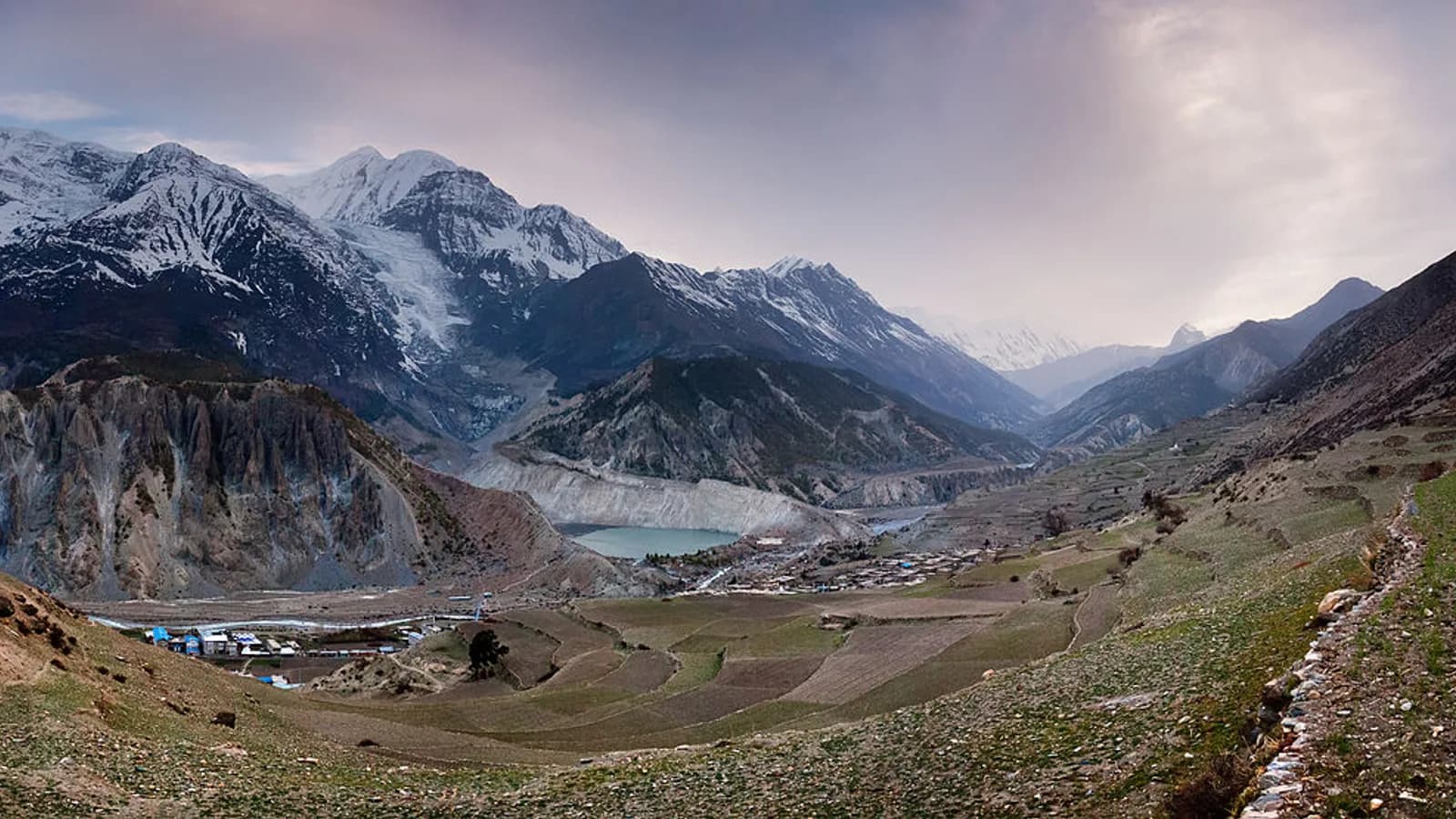
If you are heading to Annapurna Base Camp, the Annapurna Circuit, Poon Hill, or Mardi Himal, the ACAP permit is the one piece of paperwork you cannot skip. ACAP stands for the Annapurna Conservation Area Permit, and it is your legal ticket to walk inside Nepal's largest protected area. Checkpoints along every major Annapurna trail will ask to see it, and turning up without one is a slow, expensive mistake. This guide covers what the ACAP permit costs, where to get it, what to bring, and the small rules that trip up first-time trekkers.
Key takeaways
- The ACAP permit is mandatory for every foreign trekker in the Annapurna region, with no exemption for solo travellers, short treks, or repeat visitors.
- It costs NPR 3,000 for most foreigners and NPR 1,000 for SAARC nationals (as of 2026); children under 10 go free.
- Buy it cheaply in advance in Kathmandu, Pokhara, or online through the NTNC e-permit portal — buying at a trailhead checkpoint usually costs double.
- Bring your passport, a photocopy, and passport-size photos, and carry Nepali rupees in cash.
- ACAP is separate from the TIMS card, and separate again from Nepal's guide rule — do not assume one covers the others.
What the ACAP permit is and who issues it
The Annapurna Conservation Area is the largest protected area in Nepal, covering the high country around the Annapurna and Manaslu ranges. It is managed by the National Trust for Nature Conservation (NTNC), a national body that runs conservation, trail upkeep, and community development across the region.
The ACAP permit is the entry fee that funds that work. When you pay it, your money supports local conservation, footpath maintenance, and village development inside the area — not a government tax that disappears into a general budget. That framing matters for trekkers who wonder why a "free" public trail carries a fee: the Annapurna trails are maintained by the trust, and the permit is how visitors chip in.
Every foreigner entering the conservation area needs the permit, regardless of how experienced they are or what style of trek they are doing. There is no special pass for people just popping in for a day hike to Poon Hill or a short loop to Mardi Himal — if you cross into the area, you need the ACAP permit.
How much the ACAP permit costs
Fees are set by NTNC and are charged per person.
| Trekker category | ACAP permit fee (as of 2026) | | --- | --- | | Foreign nationals (non-SAARC) | NPR 3,000 | | SAARC nationals | NPR 1,000 | | Children under 10 | Free |
A few practical notes on the money:
- Carry Nepali rupees in cash. Card payment is sometimes accepted at the Kathmandu and Pokhara counters, but it is not guaranteed, and cash avoids any delay.
- The fee is a one-off for your trek, not a daily charge — unlike a restricted-area permit such as Upper Mustang, the ACAP is a flat entry fee.
- Always treat any price you read online as a guide and reconfirm at the counter, since government fees are revised from time to time.
If you are budgeting a whole trip rather than just the permit, our Nepal trekking and travel budget breakdown puts the permit in context against flights, guides, and teahouse costs.
Where to get your ACAP permit
You have three practical options, and the right one depends on where you are starting from.
In Kathmandu
The NTNC counter in Kathmandu sits near the Nepal Tourism Board at Bhrikutimandap (Pradarshani Marg), a short trip from the tourist hub of Thamel. This is the convenient choice if you are flying into the capital first and acclimatising or sightseeing before heading west. If you are basing yourself in the area, our guide to Thamel, Kathmandu covers the neighbourhood around the office.
In Pokhara
Most Annapurna treks launch from Pokhara, and the NTNC office there is in the Lakeside area near the tourist police, easy to reach the day before you start. This is the natural pick if you are skipping Kathmandu or buying your permit at the last sensible moment before driving to Besisahar or Nayapul.
Online
NTNC now runs an e-permit portal at epermit.ntnc.org.np, which lets you apply for the ACAP permit before you even land in Nepal. This is handy if you want everything sorted in advance, though many trekkers still find it simplest to walk into a counter where staff can answer questions on the spot.
Through a trekking agency
If you book a guided trek, your agency will normally arrange the ACAP permit for you as part of the package. You still need to hand over your passport details and photos, but you skip the queue. Choosing a reliable operator matters here; our notes on picking a trekking agency in Nepal can help.
What to bring and how long it takes
The application itself is simple. At the counter you fill in a short form with your personal details, planned route, and an emergency contact, then pay the fee.
Bring with you:
- Your original passport
- A photocopy of the passport photo page
- Two passport-size photos (a couple of spares never hurt on a Nepal trip)
- The fee in Nepali rupees, cash
Processing is quick when your documents are in order — typically a matter of minutes at a quiet counter, longer in peak-season queues. The permit is issued for a single entry into the conservation area, so plan it around one continuous trek rather than expecting to reuse it weeks later on a separate trip.
The checkpoint rule trekkers miss
This is the part worth reading twice. Buying the ACAP permit at a trailhead checkpoint costs roughly double — around NPR 6,000 for foreigners instead of NPR 3,000. NTNC staff at the checkpoints apply that surcharge automatically, and it is not something your guide or agency can waive. The lesson is simple: get the permit in Kathmandu, Pokhara, or online before you reach the trail.
Checkpoints are spread along every main Annapurna route, and you will be asked to show your permit (and often have it logged) as you pass. Typical checkpoint locations include:
| Route | Checkpoints you will pass | | --- | --- | | Annapurna Base Camp / Poon Hill | Birethanti, Ghorepani, Chhomrong | | Annapurna Circuit | Besisahar or Bhulbhule, Chame, Manang, and the Jomsom area |
If you arrive at a checkpoint with no permit and no intention of paying, you can be turned back. Showing up prepared keeps your trek moving and your costs down. For the bigger picture of getting in and out of the hills, see our guide to Kathmandu to Pokhara transport.
ACAP, TIMS, and the guide rule — three different things
A lot of confusion comes from blurring three separate requirements. Keep them apart in your head.
- ACAP permit — the conservation-area entry fee covered in this guide. Mandatory for the Annapurna region, strictly enforced, and backed by national conservation law.
- TIMS card — the Trekkers' Information Management System registration, a separate document that has been through several rule changes. On Annapurna trails, checkpoints in practice focus on the ACAP permit, but the TIMS situation has shifted more than once, so confirm the current requirement before you set off.
- The guide rule — separate again, Nepal has tightened rules requiring many trekkers to hire a licensed guide rather than walk fully independently. This is a staffing requirement, not a permit, and it applies on top of the ACAP fee.
Because these rules genuinely do change, the safest move is to confirm all three with NTNC, the Nepal Tourism Board, or a reputable agency close to your departure date. If you are weighing whether to go solo, our piece on whether you need a guide for popular Nepal treks walks through the trade-offs, and our essential Nepali phrases for trekkers will smooth out checkpoints and teahouses along the way.
Quick planning checklist
Before you leave the city for the Annapurna trail, run through this:
- Bought the ACAP permit in advance (Kathmandu, Pokhara, or online) — not at the trailhead.
- Carried passport, photocopy, and photos, plus the fee in rupee cash.
- Checked the current TIMS requirement for your route.
- Confirmed whether a licensed guide is required for the trek you have chosen.
- Kept the permit somewhere accessible in your daypack — you will show it several times.
Get those five things right and the permit becomes what it should be: a quick formality, a small contribution to the trails you came to walk, and one less thing to worry about once the mountains come into view.
Sources
- NTNC online e-permit portal (ACAP / MCAP)
- National Trust for Nature Conservation — Annapurna Conservation Area Project
- Magical Nepal — Annapurna Circuit Trek permits: guide, costs and rules
- Shikhar Adventure — Annapurna trek permits 2026: ACAP & TIMS updates
- Himalayan Dream Team — Trekking permits in Nepal: TIMS, ACAP, RAP costs and rules
Frequently asked questions
- Do I need an ACAP permit for the Annapurna Base Camp trek?
- Yes. Every foreign trekker entering the Annapurna Conservation Area needs an ACAP permit, including for Annapurna Base Camp, the Annapurna Circuit, Ghorepani Poon Hill, and Mardi Himal.
- How much does the ACAP permit cost?
- It is NPR 3,000 for most foreign nationals and NPR 1,000 for SAARC nationals as of 2026; children under 10 are free. Carry Nepali rupees in cash to be safe.
- Where can I buy the ACAP permit?
- At the NTNC counter in Kathmandu near the Nepal Tourism Board at Bhrikutimandap, at the NTNC office in Pokhara Lakeside, or online through the NTNC e-permit portal at epermit.ntnc.org.np.
- Can I get the ACAP permit at the trailhead instead?
- You can buy it at a checkpoint, but it usually costs double, around NPR 6,000 for foreigners, so getting it in advance in Kathmandu or Pokhara is far cheaper.
- What documents do I need for the ACAP permit?
- Bring your original passport, a photocopy of the photo page, and a couple of passport-size photos; you also fill in a short form with your itinerary and an emergency contact.
- Is the ACAP permit the same as a TIMS card?
- No. ACAP is the conservation-area entry fee, while TIMS is a separate trekker registration. On Annapurna routes checkpoints mainly verify the ACAP permit, but rules change, so confirm before you go.
- Is the ACAP permit valid for more than one trek?
- It is issued for a single entry into the conservation area, so if you leave and want to re-enter on a separate trip you generally need a new permit.
- Can solo trekkers get an ACAP permit?
- Yes, the ACAP fee itself has no solo exemption issue, but Nepal separately requires many trekkers to hire a licensed guide, so check the current guide rule for your route.
Related posts
Annapurna Permit Cost 2026: ACAP Fees Explained
The Annapurna permit cost in plain terms: ACAP fees for foreigners and SAARC nationals, where to buy it, what TIMS changed, and the guide rule.
Read postAnnapurna Base Camp Trek: A Complete 2026 Guide
Plan an Annapurna Base Camp trek with up-to-date facts on permits, the route, altitude, seasons, and safety for first-time Himalayan trekkers.
Read postAnnapurna Circuit Trek: Route, Permits & Thorong La Guide
A practical Annapurna Circuit trek guide — the full route, Thorong La pass, 2026 ACAP permit and guide rules, costs, road impact and best season.
Read post