Zip Line Pokhara: ZipFlyer Guide & Cost (2026)
Zip line Pokhara — ride the ZipFlyer from Sarangkot to Hemja. Length, speed, the steepest gradient, cost, Superman option, safety and best time to fly.
You step off Sarangkot, the cable drops away at nearly sixty degrees, and in under two minutes the valley floor at Hemja comes up to meet you.
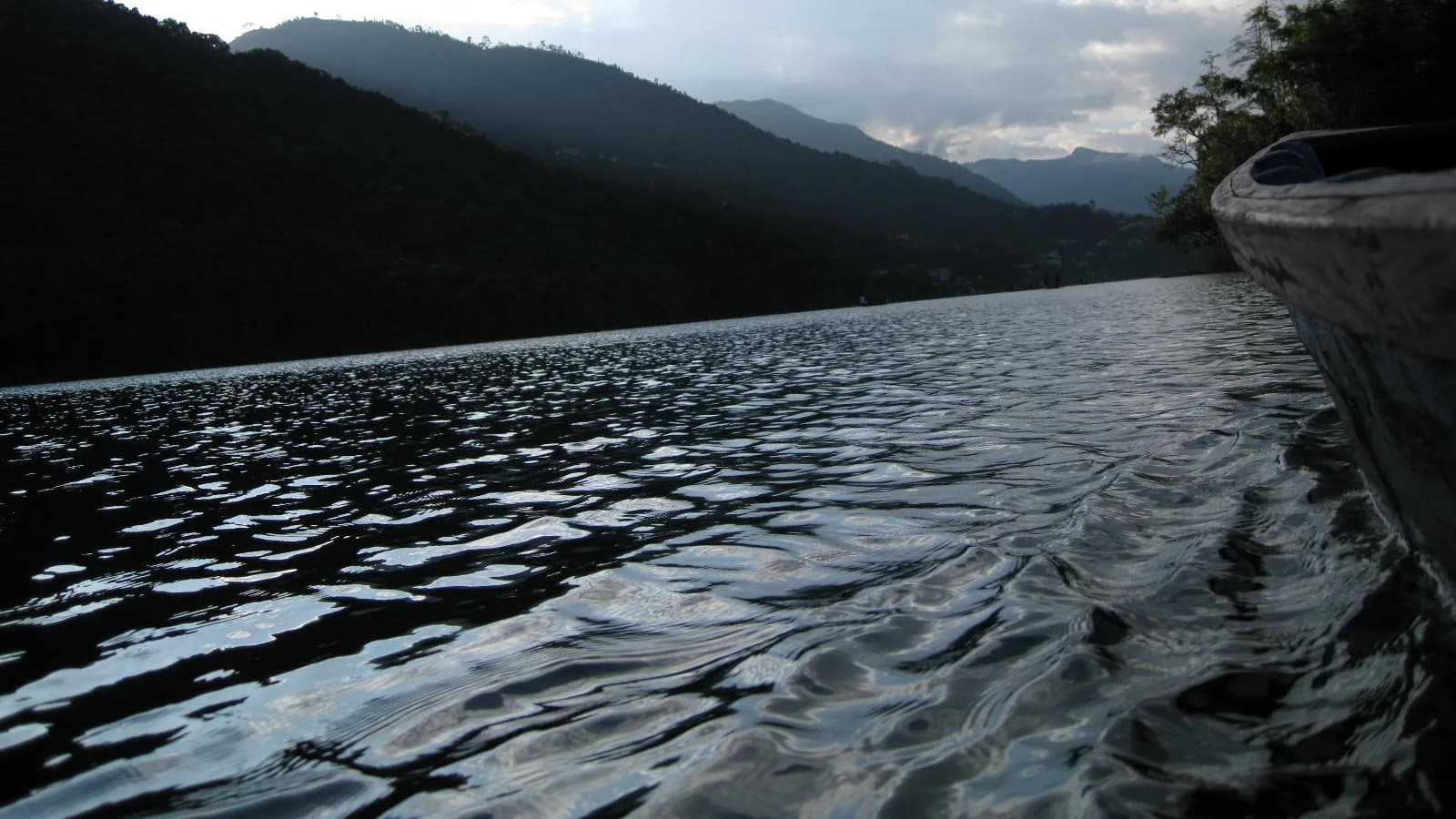
Pokhara is Nepal's adventure capital, and few of its thrills are as pure as the zip line Pokhara experience — known locally as the ZipFlyer, or zip flying. Strapped into a harness on the Sarangkot ridge, you launch down a cable that plunges some 600 metres into the valley at a gradient steep enough to feel like falling, hitting speeds that make your eyes water before the line eases out above Hemja. It is routinely billed as one of the world's longest, fastest and steepest ziplines, and unlike many big-ticket adventures it sits right on Pokhara's doorstep. This guide covers the length and speed, the brutal gradient, the cost, the Superman option, the safety set-up and the best time to fly.
For the area's other signature thrills, this pairs naturally with our Pokhara bungee jumping guide and paragliding Pokhara guide — all three launch from the same hills above the lake. Prices and operating details change, so treat the figures here as a guide and confirm when you book.
Key takeaways
- The Pokhara ZipFlyer runs about 1.8 km of cable with roughly 600 m of vertical drop, from Sarangkot down to Hemja.
- It reaches up to around 120 km/h on the seated ride, and some sources cite up to ~140 km/h in the head-first Superman position.
- The cable starts at a gradient of roughly 56–60 degrees, among the steepest in the world — the first seconds feel like a controlled free fall.
- Standard seated rides are commonly quoted around NPR 4,500 for Nepali visitors; the Superman ride is higher, often around NPR 6,500 Nepali and ~NPR 8,500 for foreigners (as of mid 2026).
- The launch is about a 30-minute drive from Lakeside, tickets usually include return transfers and accidental insurance, and the whole thing is a half-day.
- It runs year-round, but the dry shoulder seasons give the clearest valley and Annapurna views.
What the Pokhara ZipFlyer actually is
The ZipFlyer is not a gentle canopy zipline strung between two trees. It is a single, enormous descent down the flank of the Sarangkot ridge — the same hill people climb before dawn for the famous sunrise — dropping into the Pokhara valley at Hemja. The numbers are what set it apart: roughly 1.8 kilometres of cable, about 600 metres of vertical drop, and a starting incline steep enough that the operators describe it as one of the steepest ziplines anywhere. Put simply, you do not so much glide as plummet for the first stretch, then level out over the fields below.
Because it launches from Sarangkot and lands at Hemja, it shares its geography with Pokhara's other adrenaline activities. The Hemja end is the same valley as the bungee tower, which is why operators bundle the two so often. If you want the full lay of the land, our roundup of things to do in Pokhara puts every activity in context.
The numbers: length, speed and that gradient
This is an activity defined by its statistics, so here is the quick reference. Figures vary a little between sources, so these are rounded:
| Measure | Figure (approximate) | | --- | --- | | Cable length | About 1.8 km | | Vertical drop | Around 600 m | | Start / finish altitude | Roughly 1,600 m (Sarangkot) to ~960 m (Hemja) | | Starting gradient | Roughly 56–60 degrees | | Top speed (seated) | Up to around 120 km/h | | Top speed (Superman) | Cited up to about 140 km/h | | Descent time | A couple of minutes |
The headline figure is the gradient. A starting angle near 60 degrees is extraordinarily steep for a zipline, and it is the reason the launch feels less like a ride and more like stepping off the edge. The cable runs two lines side by side, so two people can fly in parallel — handy if you want to go with a friend rather than alone. It is consistently promoted as among the world's tallest, longest, fastest and steepest, and whatever the exact rankings, the experience lives up to the billing.
Seated vs Superman: choosing your ride
Most operators offer two ways to fly, and the choice changes the whole character of the descent.
- Seated (classic): you ride upright in a secure seated harness, facing forward down the valley. This is the standard option, still genuinely fast and steep, and the more comfortable introduction.
- Superman (head-first): you fly horizontally, face down, arms forward like the superhero — the full sensation of flying over the valley with the 600-metre void beneath you. It is the more extreme option and is where the highest cited speeds, up to around 140 km/h, come from.
If it is your first time, the seated ride is plenty. If you are chasing the most intense possible version, the Superman position is the one — just expect to pay a little more for it, as the pricing below reflects.
What it costs in 2026
Pricing varies by operator, by ride type and by nationality, with foreign visitors generally paying more than Nepali guests. As a rough guide, as of mid 2026:
| Ride | Typical price (as of mid 2026) | | --- | --- | | Standard seated ride (Nepali) | Around NPR 4,500 | | Superman ride (Nepali) | Around NPR 6,500 | | Superman ride (foreign visitors, incl. Indian/Chinese) | Around NPR 8,500 | | Bungee + zip combo | Higher; sold as a package, often at a small saving |
Tickets commonly include pick-up and drop-off at Lakeside and a measure of accidental insurance, which is worth factoring in when you compare prices. Because quoted figures differ across operators, the most useful step is to confirm the current rate and what it includes before you book. To set the cost against the rest of your trip, see our Nepal travel budget guide, and have cash ready using the ATM withdrawal guide, since operators often prefer it.
Where it runs and how long it takes
The ride launches from Sarangkot, the hill station above Pokhara best known for its sunrise panoramas of the Annapurna and Machhapuchhre peaks, and finishes down at Hemja in the valley. The launch site is roughly a 30-minute drive northwest of the Lakeside tourist area, and because most tickets include transfers, the logistics are simple: you are collected, driven up, briefed, flown down, and returned. Allow around two and a half to three hours for the whole experience door to door, even though the flight itself lasts only a couple of minutes — the rest is transfer, briefing and kitting up.
That compactness is a big part of the appeal. You can fly in the morning and still have the afternoon free for the lake or a viewpoint. Since the launch shares its hill with the famous sunrise spot, many visitors combine the two on the same day; see our Sarangkot sunrise guide for that early start.
Safety and how the ride works
The ZipFlyer runs to international safety standards, and the features commonly cited include Swiss-made cables, dual braking systems and regular harness checks. Before you fly, certified staff run a full safety briefing and strap you into the harness, so you are securely fastened throughout. The braking at the bottom is handled by the system, not by you, which is part of what makes such a steep, fast ride manageable for ordinary visitors.
A simple checklist before you book
- Choose an established operator with a solid track record and recent positive reviews.
- Listen to the full safety briefing and follow every instruction from the staff.
- Declare any relevant medical condition honestly before you ride.
- Check the age and weight limits apply to you — typically a minimum age around 13–14 and a weight range of roughly 35–140 kg, though these vary by operator.
- Confirm your travel insurance covers ziplining and adventure activities, as some policies exclude them. Our trekking and adventure insurance guide explains what to look for.
- Be wary of anything suspiciously cheap. Our tourist scams guide helps you read a fair offer.
When to go
The zipline operates year-round, but the experience is best in the clear, dry shoulder seasons — roughly March to May and late September to November — when the Pokhara valley and the Annapurna foothills are at their sharpest and the ride comes with a view to match the rush. The monsoon brings cloud and rain that can blanket the panorama and occasionally pause operations for weather. As with everything in the hills, conditions change quickly, so it is wise to keep a little flexibility in your dates. For the bigger picture on timing, see the best time to visit Nepal.
How the zip line fits into a Pokhara trip
The ZipFlyer is one of the easiest big adventures to slot into a Pokhara stay. It needs only a half-day, it launches from the same hill as the sunrise, and it lands in the same valley as the bungee — so it stacks neatly with the city's other thrills. A classic high-octane Pokhara day might pair the zip line with the bungee at Hemja in a single combo, leaving the afternoon for the lake, the World Peace Pagoda or a quiet hour by Phewa Tal.
If you would rather trade speed for serenity, Pokhara's paragliding offers the same valley from a calmer, floating perspective. However you mix it, our two-week Nepal itinerary shows where an adventure day fits alongside trekking and culture — and how to get there, with our Kathmandu to Pokhara transport guide.
Sources
- ZipFlyer Nepal — HighGround Adventures
- ZipFlyer Nepal — The World's Steepest Zip-line — Tripadvisor
- Zipline (Zip Flyer) Adventure in Pokhara — Best Heritage Tour
- Price of Zipline in Pokhara: Superman and Classic — Excellent Trek
- Zipline in Pokhara Price, Time — North Nepal Trek
- Incredible Canopy ZIP FLYER — Holiday Nepal
- Zipline Pokhara: Location, Price, Safety Rules — Awesome Holidays Nepal
Frequently asked questions
- How long and fast is the Pokhara zip line?
- The ZipFlyer near Pokhara runs about 1.8 kilometres of cable with around 600 metres of vertical drop, from Sarangkot down to Hemja. Riders reach speeds of up to roughly 120 kilometres per hour on the standard ride, and some sources cite up to about 140 kilometres per hour in the head-first Superman position. The descent itself takes only a couple of minutes. It is widely promoted as one of the world's longest, fastest and steepest ziplines.
- How steep is the zip line in Pokhara?
- The cable starts at a gradient of roughly 56 to 60 degrees, which is what earns it the billing as one of the steepest ziplines in the world. That severe starting angle is why the first few seconds feel less like a glide and more like a controlled free fall before the line levels out towards the valley floor. The whole run drops around 600 metres in altitude, from about 1,600 metres at Sarangkot to roughly 960 metres at Hemja.
- How much does the Pokhara zip line cost?
- As of mid 2026, the standard seated ride is commonly quoted around NPR 4,500 for Nepali visitors, with the head-first Superman ride higher, often around NPR 6,500 for Nepali and roughly NPR 8,500 for foreign visitors including Indian and Chinese guests. Prices vary by operator and package, and combo deals that add the bungee cost more. The ticket usually includes return transfers from Lakeside and accidental insurance, so confirm the current rate and inclusions when you book.
- Where does the Pokhara zip line start and finish?
- The ride launches from Sarangkot hill, the famous sunrise viewpoint above Pokhara at around 1,600 metres, and finishes down in the valley at Hemja, the same area as the Pokhara bungee tower. The launch site is roughly a 30-minute drive from the Lakeside tourist area, and most tickets include pick-up and drop-off there. Because Sarangkot and Hemja sit close to town, the whole experience fits comfortably into a half-day.
- Is the Pokhara zip line safe?
- The operation runs to international safety standards, with features commonly cited including Swiss-made cables, dual braking systems and regular harness checks, and certified staff give a full safety briefing before you fly. You are securely strapped into a harness throughout. As with any extreme activity, choose a reputable operator, follow every instruction and complete any medical declaration honestly. It is also worth confirming your travel insurance covers ziplining, as some policies exclude adventure activities.
- What are the age and weight limits for the Pokhara zip line?
- Limits vary slightly by operator, but a minimum age of around 13 to 14 is typical, and minors usually need a parent or guardian to sign the waiver. The weight range is often quoted at roughly 35 kg to 140 kg for safety. Operators may also screen for heart conditions and other issues, so declare anything relevant before you ride. If you are near a weight limit or unsure about a health condition, confirm directly with the operator before you travel out to the launch site.
- When is the best time to do the Pokhara zip line?
- The zipline runs year-round, but the clearest views and most settled conditions come in the dry shoulder seasons, roughly March to May and late September to November, when the Annapurna foothills and the Pokhara valley are at their sharpest. The monsoon brings cloud and rain that can obscure the views and occasionally pause operations for weather. As with all hill activities, conditions change quickly, so build a little flexibility into your plans.
Spotted an error in this post? Tell us or suggest a correction.
Related posts
ABC Trek: A Plain-English Guide to Annapurna Base Camp
The ABC trek (Annapurna Base Camp) explained — the route, how many days it takes, difficulty, the best seasons, and what daily trail life is really like.
Read postAma Dablam Climb: 2026 Expedition Guide (6,812m)
An Ama Dablam climb and expedition guide for 2026 — height, the Southwest Ridge route, camps, fixed ropes, difficulty, permits, cost and the best seasons.
Read postAnnapurna vs Manaslu: Which Trek Should You Choose?
An Annapurna vs Manaslu decision guide for trekkers — compare permits, crowds, difficulty, infrastructure and cost to pick the right Himalayan route.
Read postAsan Bazaar Kathmandu: Old Town Market Guide
A visitor guide to Asan bazaar, Kathmandu's oldest market — its six-road square, Annapurna Temple, what to buy, when to go, and how to get there.
Read postAyurveda Nepal: A Traveller's Guide to Healing
Ayurveda Nepal explained for tourists — the history, the doshas, treatments like Panchakarma and Shirodhara, where to go and how to choose a centre safely.
Read postBest Restaurants Pokhara Lakeside: Where to Eat
The best restaurants in Pokhara Lakeside — lakeside trout, wood-fired pizza, Tibetan momos and healthy cafes, with what to order and rough 2026 prices.
Read post