Self Drive Nepal: Rules, Costs & Road Reality
Thinking about self drive Nepal? The IDP and licence rules, what a rental costs, road conditions, driving on the left, and when to hire a driver instead.
Nepal's roads do not punish bad luck so much as bad assumptions — and self drive is one long lesson in not assuming.
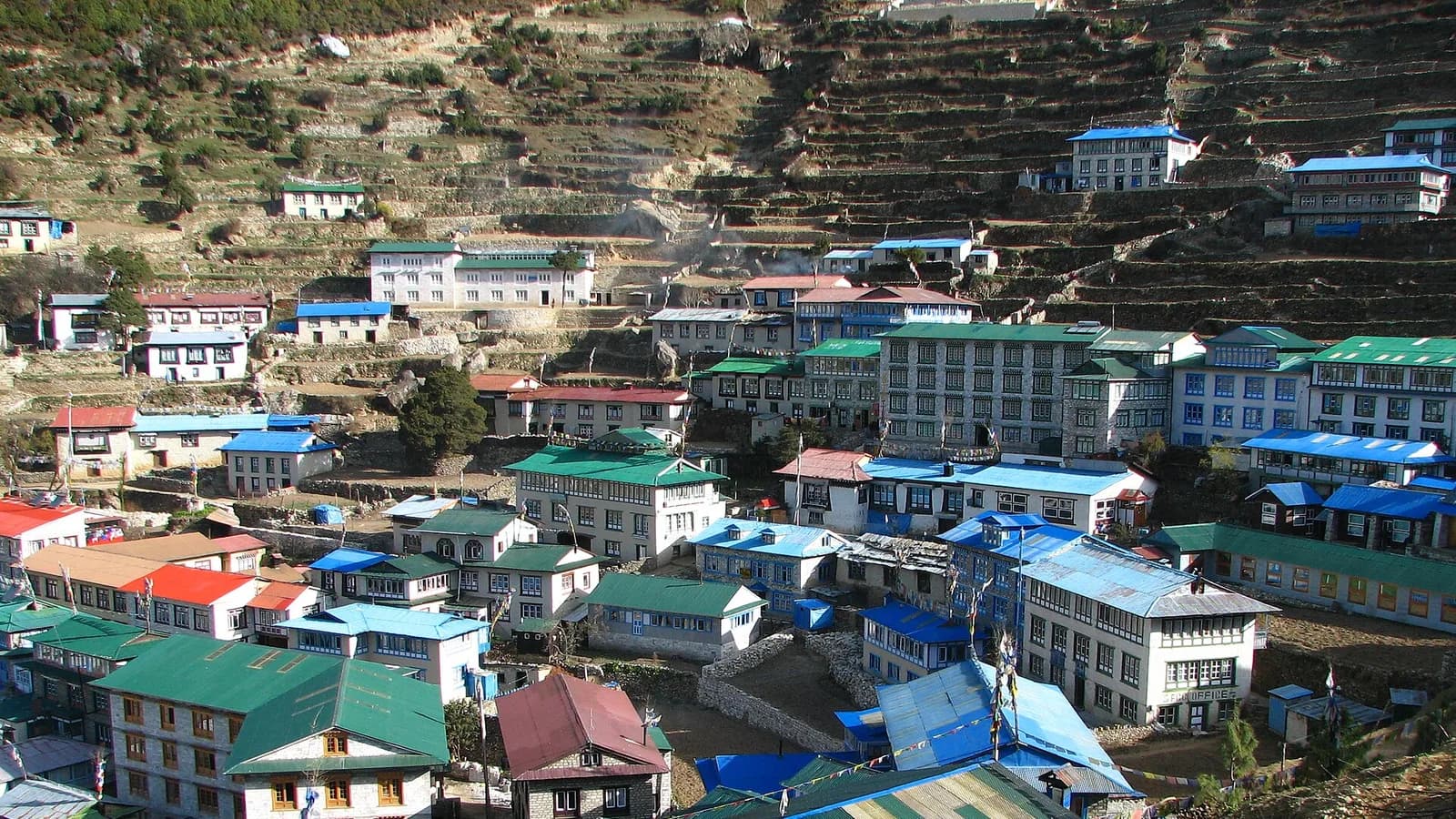
A self drive Nepal trip is a tempting idea: pick up a car in Kathmandu, point it at the mountains, and travel on your own schedule rather than a tour operator's. It is genuinely possible — foreigners can rent and self drive here — but Nepal is one of the more demanding places in Asia to get behind the wheel. The roads are rough and often dangerous, the traffic culture takes adjusting to, and there are firm rules about licences that catch visitors out.
This guide covers what you actually need to know before you drive yourself: the licence and IDP rules, what a rental involves and costs, the road and safety realities, the quirks of driving on the left, and the honest question of whether you should hire a driver instead. Prices and regulations shift, so treat the figures here as a current guide and confirm them when you book.
Key takeaways
- Self drive is legal for tourists, but you must carry an International Driving Permit (IDP) together with your original national licence — Nepal does not recognise most foreign licences on their own.
- You cannot get an IDP in Nepal; obtain it in the country that issued your licence before you travel.
- Nepal drives on the left and overtakes on the right, which takes real concentration if you are from a right-hand-traffic country.
- Roads are rough and risky: Nepal Police recorded 2,369 road deaths in FY 2023/24, and early-2025 reporting cited around 75 crashes a day on average.
- Rental rates are quoted on request (as of 2026) and exclude fuel; expect a credit-card deposit and to show your passport, licence and IDP.
- For many visitors, hiring a car with a local driver is the safer, less stressful choice — especially outside the Kathmandu Valley.
Is self drive even allowed in Nepal?
Yes. Foreign tourists are permitted to rent and self drive a vehicle in Nepal, and a handful of Kathmandu-based agencies build their whole business around it. So the romantic picture — a car, a map and the open road to Pokhara or Mustang — is achievable on paper.
The reality is more nuanced. Self drive here is not like hiring a car at a European airport and breezing off. The combination of demanding roads, intense traffic and strict documentation means it rewards drivers who are confident, patient and prepared. If you have never driven in South Asia before, it is worth being honest with yourself about whether you want your holiday to include that learning curve. Plenty of visitors decide the answer is to let someone else drive — more on that below.
The licence rules: you need an IDP
This is the part people most often get wrong, so it is worth being precise.
Nepal does not recognise most foreign national driving licences on their own. To drive legally you need an International Driving Permit (IDP) — a document that translates your existing licence into a standardised format Nepali authorities accept — and you must carry it together with your original national licence. The IDP is not a licence in itself; it only works alongside the genuine one, so taking just the IDP is no good either.
Where and when to get it
You must obtain the IDP in the country that issued your driving licence, and you must do it before you travel. You cannot pick one up after you arrive in Nepal. In most countries the IDP is issued by the national motoring authority or automobile association; it is usually a quick, inexpensive process, but it takes a little lead time, so do not leave it to the last week.
A note on the legal background
There is some genuine confusion online about Nepal's status under the international road-traffic conventions (the 1949 Geneva and 1968 Vienna conventions), with sources disagreeing about which, if any, Nepal has signed. What matters for you in practice is simpler and not in dispute: Nepal's authorities and reputable rental agencies require foreigners to present an IDP plus their national licence. Reputable operators will ask to see both before they hand over the keys.
Why it is not worth skipping
Driving without the right documents can mean fines, the early end of your trip, and — crucially — problems with insurance claims if you are in an accident. Traffic checkpoints on the main highways do stop foreign drivers and ask for papers. The IDP is cheap and easy compared with any of those outcomes.
What renting a self drive car actually involves
Self drive rental in Nepal is concentrated in Kathmandu, where the specialist agencies are based. Vehicles range from small hatchbacks for city and valley use to higher-clearance SUVs better suited to rough roads.
Documents and deposit
Expect to provide:
| Item | Notes | | --- | --- | | National driving licence | Usually expected to have been held a few years, not brand new | | International Driving Permit | Carried with the national licence at all times | | Passport | Standard for international customers | | Credit card | For the refundable security deposit |
Requirements vary between operators, so confirm the exact list when you enquire.
Costs
Most agencies quote per day on request rather than publishing fixed tariffs, and rates depend on the vehicle, the season and the operator, so always get a current figure when you book (as of 2026). On top of the daily rate, budget for:
- Fuel, which is not included in the rental.
- Tolls and parking where they apply.
- A buffer day or two, because mountain driving is slow and weather can delay you.
Because the deposit, fuel and your own time all add up, the gap between self drive and hiring a car with a driver is often smaller than it first looks — worth doing the maths on.
Crossing borders
Self drive rentals are meant for use within Nepal. Taking a vehicle into India or toward Tibet involves separate permits and restrictions that ordinary tourist rentals do not cover, and most agencies simply will not allow it. If a cross-border trip is your dream, that is a conversation to have with the operator up front. For the Tibet side specifically, travel is organised through permitted tours rather than a self-driven Nepali car — see our overview of a Tibet, Nepal and Bhutan tour.
Driving on the left — and the traffic culture
Nepal drives on the left and you overtake on the right. Most rental cars are right-hand drive. If you come from a right-hand-traffic country, this is the single biggest mechanical adjustment, and it bites hardest at roundabouts, junctions and during overtakes on narrow roads. Give yourself time on quieter roads to build muscle memory before you take on city traffic.
Beyond which side of the road you are on, the traffic culture is its own thing. Horns are used constantly — as a courtesy and a warning, not an insult. Vehicles may drift across lanes, start a turn well before the junction, or stop in the carriageway for a repair. Buses and trucks dominate the highways and do not always leave much room. None of this is hostile; it is simply a different, more improvised set of road manners than many visitors are used to, and the way to cope is to drive defensively, leave space, and never assume the other vehicle will do the predictable thing.
For getting your bearings in the capital before any longer trip, our guide to getting around Kathmandu is a useful primer on the local rhythm.
The road and safety reality
This is the part to take seriously. Nepal's road safety record is poor, and the mountains add hazards that flat-country drivers rarely face.
The numbers
According to Nepal Police, 2,369 people died and thousands more were injured on the roads in fiscal year 2023/24. Reporting in early 2025 described Nepal seeing at least 75 road accidents a day on average. Speeding and drink-driving are repeatedly cited among the leading causes, and a large share of the road network is officially classed as poor or fair — meaning potholes, eroded edges, missing markings and inadequate lighting are common.
Mountain terrain
Outside the Kathmandu Valley, roads wind around mountains, traverse cliffs and follow narrow river gorges. Surfaces can switch from tarmac to gravel without warning, and the monsoon routinely triggers landslides and blockages. Fatality rates outside the valley have historically run well above those inside it. The practical takeaways:
- Never drive at night on mountain roads — visibility and other drivers' behaviour both worsen.
- Respect the weather: avoid driving in heavy rain, fog or snow, and check whether your route is passable.
- Watch for potholes, landslides and animals on the road as standard, not exceptions.
- Zero tolerance for alcohol: any detectable alcohol while driving is illegal, and drink-driving is a major cause of crashes.
Insurance and evacuation
Make sure your travel insurance explicitly covers driving and, given the terrain, medical evacuation. An accident in a remote area without the right cover is a worst-case scenario you can plan against in advance. If you are heading into trekking country as well, our guide to trekking insurance and helicopter evacuation explains how evacuation cover works here. For a fuller picture of road risk, see is it safe to drive in Nepal.
Should you hire a driver instead?
For a lot of visitors, the honest answer is yes — and there is no shame in it.
First-time travellers to Nepal are widely advised to hire an experienced local driver, particularly for any travel outside the Kathmandu Valley. Local drivers know the terrain, read the chaotic traffic instinctively, and understand the unwritten etiquette that keeps things moving. Hiring a car with a driver removes the three biggest stresses of self drive at once: left-hand traffic, navigation, and parking. It also means that if something goes wrong mechanically or on the road, you are not the one solving it.
Once you account for the deposit, fuel, and the value of your own holiday time, the cost difference is often modest. Self drive genuinely shines when independence and flexibility matter to you more than convenience — when you want to stop on a whim, change plans daily, or reach somewhere a fixed itinerary would not. If that is you and you are a confident driver, go for it. If not, a hired driver — or even structured options like the Kathmandu to Pokhara transport choices, domestic flights for the long hops, or a guided Nepal motorcycle tour for two wheels — may serve you better.
A realistic self drive plan
If you have weighed it up and self drive is for you, a sensible approach looks like this:
- Sort the IDP at home well before departure, and keep it with your national licence.
- Pick the right vehicle for your route — a higher-clearance SUV for rough mountain roads, something smaller for valley and city use.
- Drive in the dry seasons — autumn (roughly October to November) or spring (roughly March to May) — and avoid the monsoon.
- Start easy: spend your first driving hours on quieter roads to adjust to left-hand traffic before the busy highways.
- Build in buffer days for weather and the slow pace, and never schedule a long mountain stage that forces you to drive after dark.
- Carry proper insurance covering driving and evacuation, and keep your documents on you.
Treat the trip as an adventure that rewards preparation rather than a casual point-and-go hire, and self drive Nepal can be one of the more rewarding ways to see the country.
Sources
- Nepal road safety profile and statistics — Global Road Safety Facility (World Bank)
- Nepal sees at least 75 road accidents on average daily, report shows — The Kathmandu Post
- Road fatalities taking a serious toll in Nepal — The Rising Nepal
- Transport in Nepal: road safety tips — World Nomads
- Driving in Nepal travel guide — International Drivers Association
- International Driving Permit (IDP) and why tourists need it to drive in Nepal — Self Drive Nepal
- International Driving Permit — Wikipedia
Frequently asked questions
- Can tourists self drive in Nepal?
- Yes, foreigners are allowed to rent and self drive a car in Nepal, and several Kathmandu-based agencies specialise in it. The catch is the paperwork and the roads: you must carry an International Driving Permit alongside your original national licence, and conditions outside the Kathmandu Valley are genuinely demanding. It is legal and possible, but it suits confident drivers comfortable with chaotic traffic and rough mountain roads rather than nervous first-timers.
- Do I need an International Driving Permit to drive in Nepal?
- Yes. Nepal does not recognise most foreign licences on their own, so you need a valid International Driving Permit that translates your home licence, carried together with the original licence at all times. The IDP is not a standalone document and only works alongside your genuine licence. You must obtain it in the country that issued your licence before you travel, because you cannot get one inside Nepal. Reputable rental agencies will ask to see it before handing over the keys.
- Which side of the road does Nepal drive on?
- Nepal drives on the left, and you overtake on the right. If you are used to right-hand traffic this takes real concentration, especially at roundabouts, junctions and when overtaking on narrow roads. Most rental cars are right-hand drive. Give yourself time to adjust on quieter roads before tackling busy city traffic or mountain highways, and remember that local habits like liberal horn use and vehicles drifting across lanes are normal here.
- How much does it cost to rent a self drive car in Nepal?
- Self drive rental rates vary by vehicle, season and operator, and most agencies quote per day on request rather than publishing fixed tariffs, so always confirm the current figure when you book. Expect to also leave a security deposit, usually on a credit card, and to provide your passport, national licence and IDP. Budget separately for fuel, which is not included, plus any tolls, parking and the cost of an extra day or two as a buffer for the slow pace of mountain driving.
- Is it safe to self drive in Nepal?
- Driving in Nepal carries real risk. Nepal Police recorded 2,369 road deaths in fiscal year 2023/24, and reporting in early 2025 described an average of at least 75 crashes a day. Roads are often narrow, poorly maintained and exposed, with potholes, landslides and animals on the carriageway. Self drive can be done safely by careful, experienced drivers, but you must avoid night driving, respect the weather, never drink and drive, and carry insurance that covers driving and medical evacuation.
- Should I hire a driver instead of self driving in Nepal?
- For many visitors, yes. First-time travellers are widely advised to hire an experienced local driver, especially outside the Kathmandu Valley, because local drivers know the terrain, the unwritten road etiquette and the hazards. Hiring a car with a driver removes the stress of left-hand traffic, navigation and parking, and is often little more expensive once you factor in the deposit, fuel and your own time. Self drive makes most sense if independence and flexibility matter more to you than convenience.
- Can I drive a rental car from Nepal into India or Tibet?
- Generally no. Self drive rentals in Nepal are intended for use within Nepal, and taking a vehicle across the border into India or into Tibet involves separate permits, paperwork and restrictions that ordinary tourist rentals do not cover. Tibet in particular is reached on organised tours with Chinese permits rather than a self-driven Nepali car. If you want a cross-border road trip, raise it with the agency in advance, because most will not allow their vehicles to leave the country.
- What documents do I need to rent a self drive car in Nepal?
- You typically need your valid national driving licence, a matching International Driving Permit, your passport, and a credit card for the security deposit. Agencies usually expect your licence to have been held for a few years rather than being brand new. Requirements differ between operators, so check the exact list when you enquire. Carry the original documents with you while driving, because traffic checkpoints on the main highways do stop foreign drivers and ask to see them.
- When is the best time for a self drive road trip in Nepal?
- The dry shoulder seasons are best: autumn, roughly October to November, and spring, roughly March to May, when skies are clearer and roads are drier and more stable. The summer monsoon, around June to September, brings heavy rain, landslides and frequent road blockages that make mountain driving dangerous and unpredictable. Winter is fine in the lowlands but can mean fog on the plains and snow or ice on high passes. Plan around the dry windows and keep buffer days for weather.
Related posts
Bhote Koshi Rafting: Nepal's Steepest White Water
Bhote Koshi rafting — the steepest commercial river in Nepal. Grades, the put-in near Lamosangu, seasons, safety and how to plan a day or two on the water.
Read postBuddha Air: A Tourist's Guide to Nepal's Top Airline
A traveller's guide to Buddha Air — routes, ATR fleet, the Everest mountain flight, fares, baggage rules and booking tips for Nepal's largest airline.
Read postDomestic Flights in Nepal: Buddha Air, Yeti & More (2026)
A tourist's guide to domestic flights in Nepal — Buddha Air and Yeti Airlines routes, two-tier fares, baggage rules, Lukla and mountain flights, and booking tips.
Read post